+98 912 272 2656 info@persiatrek.com
The Best Landscapes in Iran

The Best Landscapes in Iran

The Best Landscapes in Iran: A Journey Through Stunning Natural Wonders


Introduction

Iran is home to some of the most breathtaking landscapes in the world. From towering mountains and lush forests to vast deserts and pristine coastlines, this diverse country offers endless natural beauty for travelers, photographers, and adventure seekers. Whether you are looking for epic hiking trails, unique geological formations, or peaceful nature escapes, Iran has it all.

In this guide, we explore the best landscapes in Iran, highlighting the countryโ€™s most beautiful and must-visit destinations.


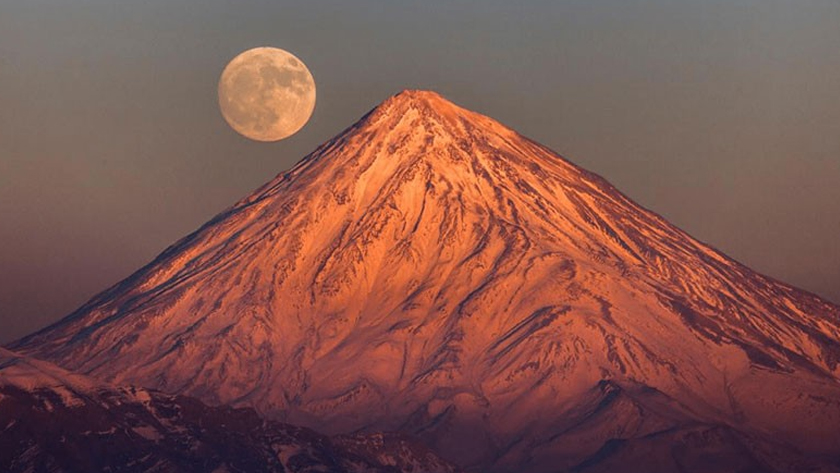
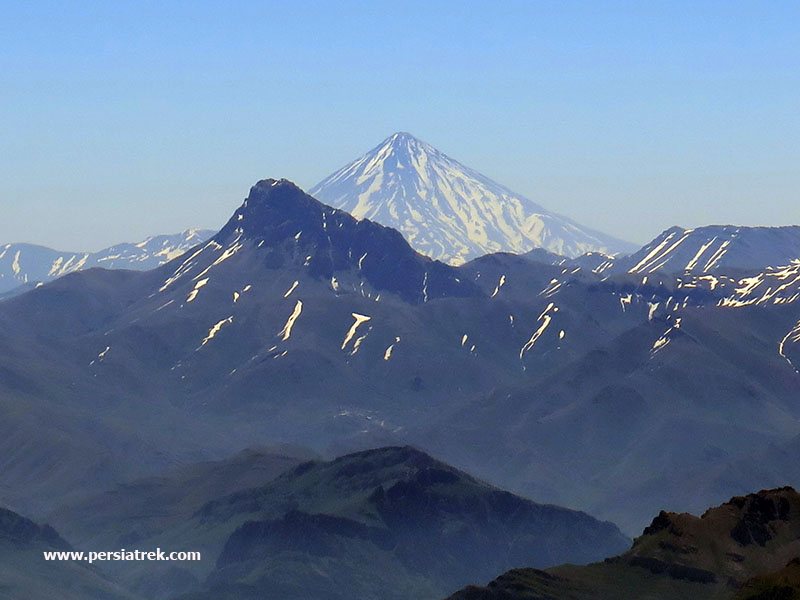
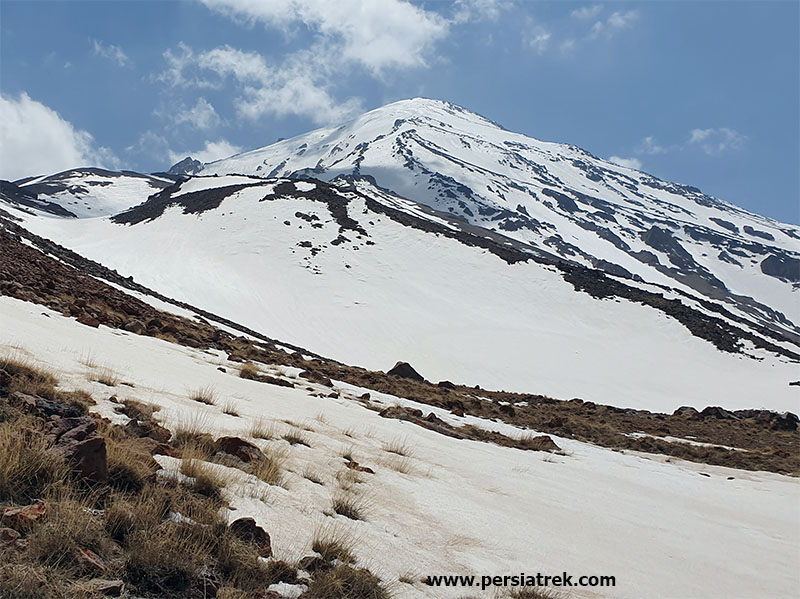
1. Mount Damavand โ€“ Iranโ€™s Majestic Peak

Top 10 hiking trails in Iran

Mount Damavand

๐Ÿ” Location: Alborz Mountain Range, Northern Iran
๐ŸŒŸ Why Visit? Iranโ€™s highest peak (5,610m), stunning alpine scenery, and a legendary status in Persian mythology

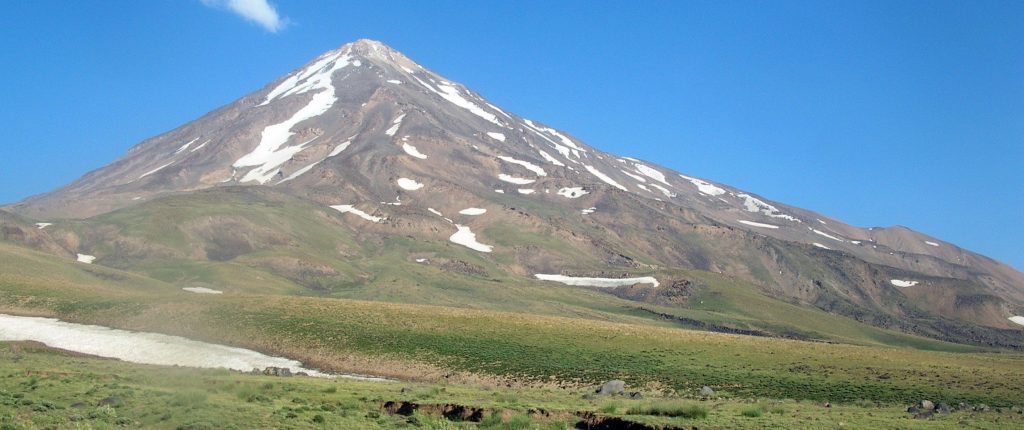
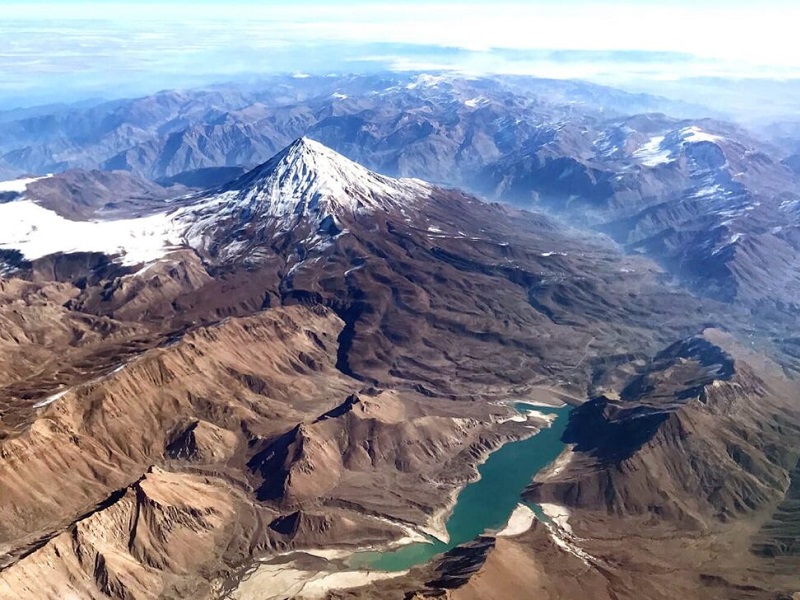
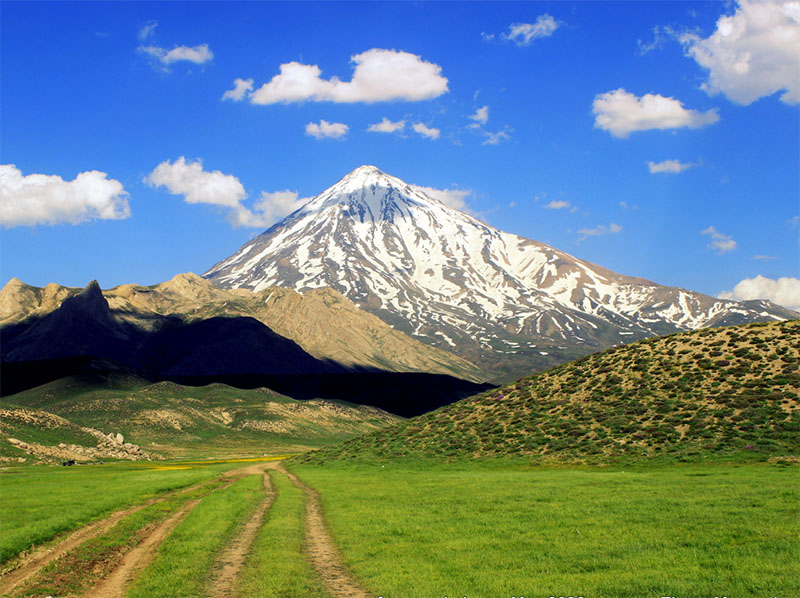
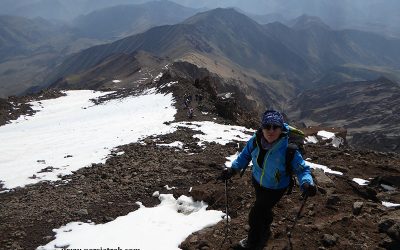
As the tallest volcano in Asia, Mount Damavand is an icon of Iranโ€™s natural beauty. The snow-capped peak dominates the skyline, offering an unforgettable sight. Trekkers and mountaineers from around the world come to conquer this peak, while others enjoy the hot springs, lush valleys, and scenic trails in its surroundings.


2. The Lut Desert (Dasht-e Lut) โ€“ Iranโ€™s Surreal Sandscape

Dasht-e Lut Desert

๐Ÿœ Location: Southeastern Iran
๐ŸŒŸ Why Visit? One of the worldโ€™s hottest places, mesmerizing sand dunes, and UNESCO World Heritage status

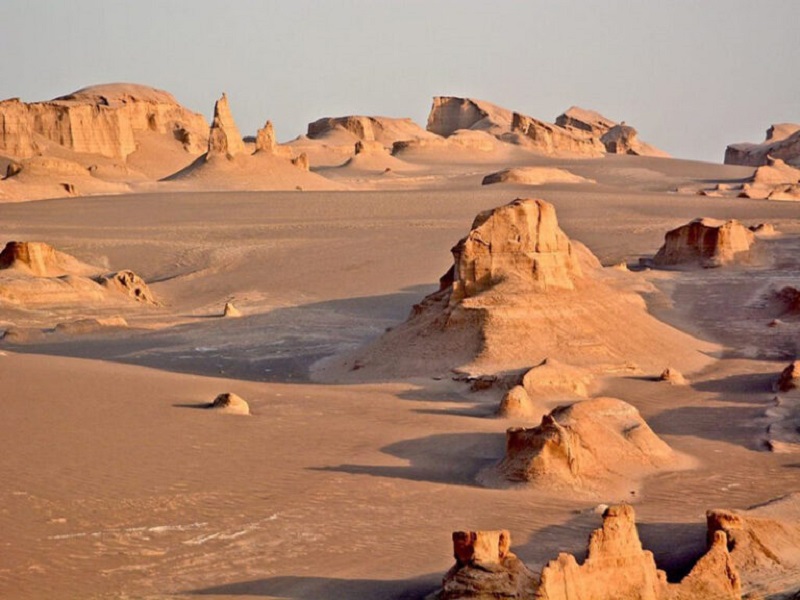
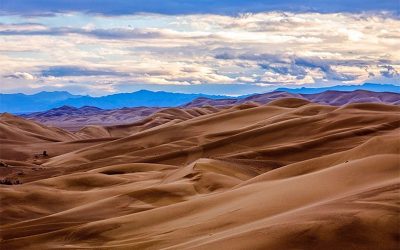
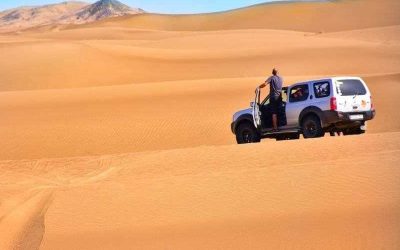
Dasht-e Lut is a land of otherworldly beauty, known for its massive sand dunes, salt flats, and wind-carved rock formations (Kaluts). The desert holds the record for the highest ground temperature ever recorded on Earth (70.7ยฐC). It is an ideal spot for desert trekking, photography, and stargazing. Shahdad Desert, located within Lut, is particularly famous for its eerie and dramatic landscape.


3. The Hyrcanian Forests โ€“ Iranโ€™s Ancient Green Wonderland

Best Landscapes in Iran

๐ŸŒฒ Location: Northern Iran, along the Caspian Sea
๐ŸŒŸ Why Visit? Over 25 million years old, rich biodiversity, and misty, magical landscapes

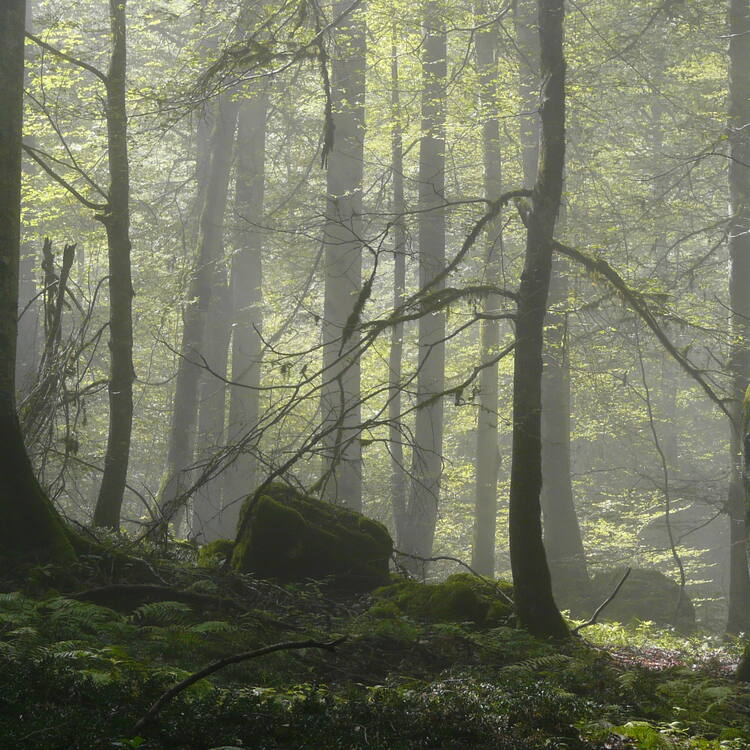
Recognized as a UNESCO World Heritage Site, the Hyrcanian Forests are among the oldest in the world. Spanning across Gilan, Mazandaran, and Golestan provinces, these dense, mist-covered woodlands provide a lush escape for nature lovers. The famous Filband Village offers a breathtaking sea of clouds where visitors can experience being above the clouds.


4. The Zagros Mountains โ€“ A Trekking Paradise

Best Landscapes in Iran

โ›ฐ Location: Western and Southwestern Iran
๐ŸŒŸ Why Visit? Stunning peaks, deep valleys, waterfalls, and nomadic culture

Stretching over 1,500 km, the Zagros Mountains are home to some of Iranโ€™s most stunning landscapes. Dena Mountain is a top trekking destination, featuring oak forests, glacial rivers, and wildlife. The Sar Agha Seyed village, nestled in the mountains, is a must-visit with its stepped, mountainside houses offering a unique architectural charm.


5. The Persian Gulf Islands โ€“ Iranโ€™s Coastal Paradise

Iran Cultural and Adventure Tour

๐Ÿ Location: Southern Iran
๐ŸŒŸ Why Visit? Unique red beaches, salt caves, and stunning coastal views

Iranโ€™s Persian Gulf Islands are a treasure trove of natural beauty:

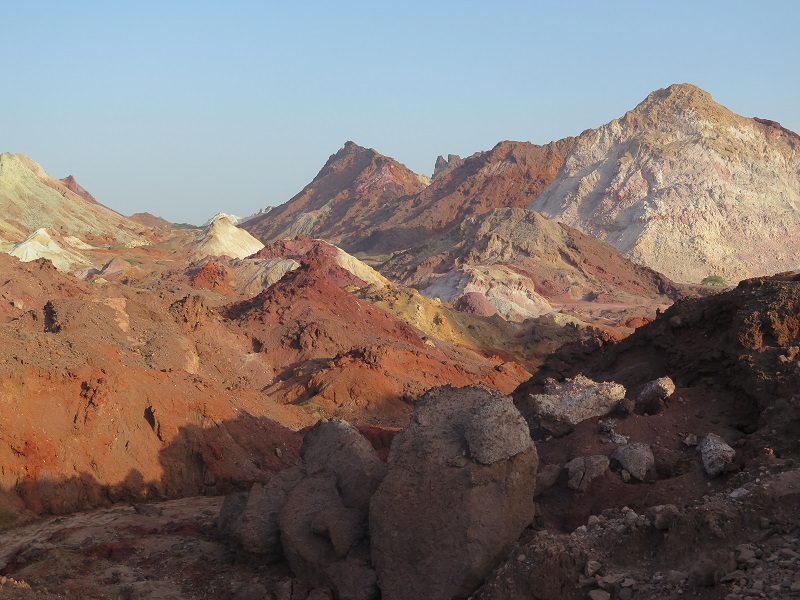
  • Hormuz Island โ€“ Known for its Red Beach, Rainbow Mountains, and Salt Caves, it looks like an artistโ€™s palette.
  • Qeshm Island โ€“ A UNESCO Geopark with Chahkooh Canyon, Hara Mangrove Forests, and the Valley of Stars.
  • Kish Island โ€“ A luxurious getaway with crystal-clear waters and white sandy beaches.

6. Badab-e Surt โ€“ Iranโ€™s Stunning Natural Terraces

Best Landscapes in Iran

๐ŸŒŠ Location: Mazandaran Province, Northern Iran
๐ŸŒŸ Why Visit? Beautiful travertine terraces with colorful mineral pools

Resembling Turkeyโ€™s Pamukkale, Badab-e Surt is a hidden gem featuring stepped terraces filled with mineral-rich waters. The pools change colors depending on the sunlight and mineral content, creating a magical, dreamlike landscape.


7. The Kaluts of Shahdad โ€“ Iranโ€™s Desert Castles

Dasht-e Lut Desert

๐Ÿœ Location: Lut Desert, Kerman Province
๐ŸŒŸ Why Visit? Wind-sculpted rock formations that look like ancient fortresses

The Kaluts of Shahdad are towering rock formations shaped by millions of years of wind erosion. Rising dramatically from the desert floor, they resemble a mystical, abandoned city, making them one of the most breathtaking and photogenic landscapes in Iran.


8. Masal โ€“ The Dreamy Misty Mountains

๐ŸŒ„ Location: Gilan Province, Northern Iran
๐ŸŒŸ Why Visit? Lush green mountains, misty valleys, and wooden cottages

Often referred to as the Switzerland of Iran, Masal is a paradise of rolling green hills, fog-covered valleys, and charming wooden houses. This area is perfect for hiking, camping, and nature photography, with cool weather even in summer.


9. The Turquoise Waters of Lake Urmia

Best Landscapes in Iran

๐ŸŒŠ Location: Northwestern Iran
๐ŸŒŸ Why Visit? A surreal saltwater lake with changing colors

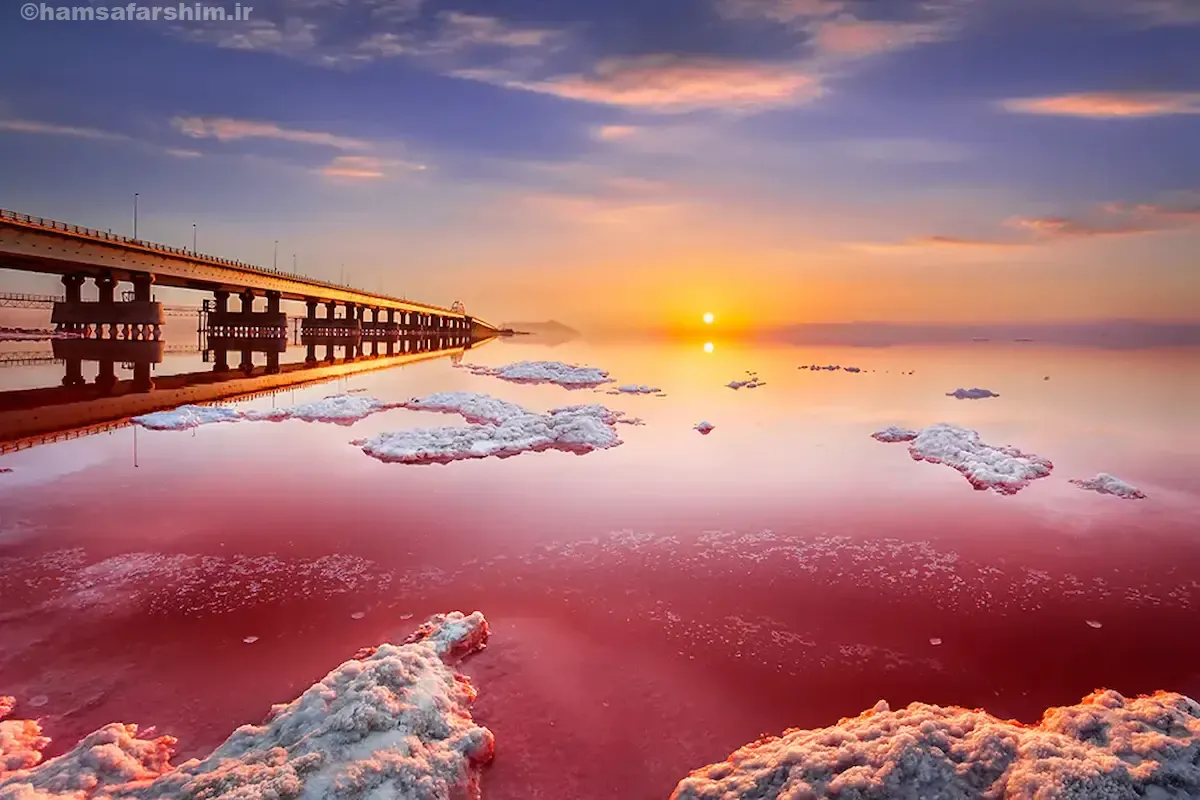
Once one of the largest saltwater lakes in the world, Lake Urmia is famous for its vibrant hues ranging from turquoise to deep red. Its high salinity allows visitors to float effortlessly, similar to the Dead Sea. Conservation efforts are helping to restore this stunning natural wonder.


10. The Alamut Valley โ€“ Castles and Cliffs

๐Ÿž Location: Qazvin Province, Northern Iran
๐ŸŒŸ Why Visit? A historical valley with breathtaking mountain scenery

Home to the legendary Alamut Castle, this valley offers rugged cliffs, deep gorges, and fascinating history. Itโ€™s a paradise for hikers and history lovers, with incredible views at every turn.


Final Thoughts: Explore the Best Landscapes in Iran

From towering mountains and ancient forests to golden deserts and pristine coastlines, Iranโ€™s landscapes are among the most diverse and breathtaking in the world. Whether youโ€™re an adventurer, nature lover, or cultural explorer, Iran offers endless opportunities to experience its stunning natural beauty.

๐Ÿš€ Ready to discover the best landscapes in Iran? Start planning your journey today!

Mount Damavand Trekking Guide

Mount Damavand Trekking Guide

Mount Damavand Trekking Guide

Fascinating Facts & Adventure Tips

Introduction

Mount Damavand is Iranโ€™s most iconic peak, offering breathtaking trekking experiences for adventurers worldwide. If youโ€™re planning a Mount Damavand trekking tour, learning some interesting facts about this legendary mountain will enhance your journey. Did you know that Damavand is featured on Iranian banknotes, symbolizing its deep cultural and historical significance? From its towering height to its place in Persian mythology, this guide reveals everything you need to know about Mount Damavand trekking!

damavand

Mount Damavandโ€™s Ranking & Height

Standing at 5,610 meters (18,406 feet), Mount Damavand is the highest peak in Iran and the Middle East. It also holds the title of the tallest volcanic peak in Asia. Ranked as the worldโ€™s 12th most prominent peak, Damavand stands just after Mount Elbrus and Mont Blanc. In mountaineering, prominence refers to how distinct a mountain is from nearby peaks, highlighting Damavandโ€™s grandeur.

Who First Climbed Mount Damavand?

The first recorded ascent of Damavand dates back over 1,000 years. Abu Dolaf, an Arab geographer, attempted to scale the mountain but didnโ€™t reach the summit. European climbers first attempted it in the 18th century, with French scientist Olivier making an unsuccessful attempt in 1798. The first documented summit success belongs to British diplomat William Taylor Thomson in 1837. Iranians officially conquered the peak in 1857, marking a milestone in national mountaineering history.


Volcanic Features of Mount Damavand

damavand sardagh

Damavandโ€™s Dormant Crater

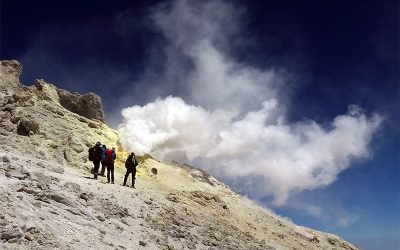
Mount Damavand is a dormant volcano, with its last eruption occurring between 6,000 and 10,000 years ago. The crater spans 400 meters in diameter and is often covered in ice and snow. Surrounding the crater, yellow sulfur stones hint at the mountainโ€™s volcanic past. Additionally, remnants of two older craters are visible on Damavandโ€™s northern and southern slopes.

Yakhi Waterfall โ€“ The Ice Wonder of Damavand

Damavand trekking tour

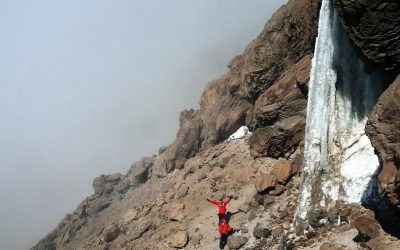
One of the most fascinating sights on the southern route of Damavand is Yakhi Waterfall, an 8-12 meter (26-39 feet) tall frozen waterfall. This natural marvel remains frozen most of the year, only partially melting in the summer. At 5,100 meters above sea level, Yakhi Waterfall holds the record for the highest-altitude waterfall in the Middle East.

Unique Weather Phenomena: The Cloud Cap

A distinct feature of Damavandโ€™s summit is its cloud cap, a phenomenon caused by rapid air cooling as winds rise along the peak. This natural spectacle resembles a helmet guarding the mountain, forming only at elevations above 5,000 meters. Depending on weather conditions, the cloud cap may persist for hours or vanish quickly.

Beware of the Fake Summit!

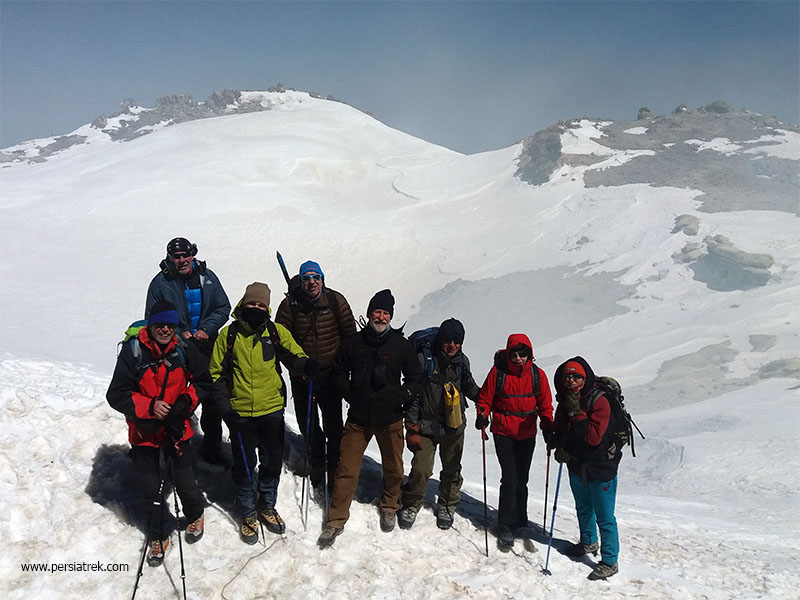
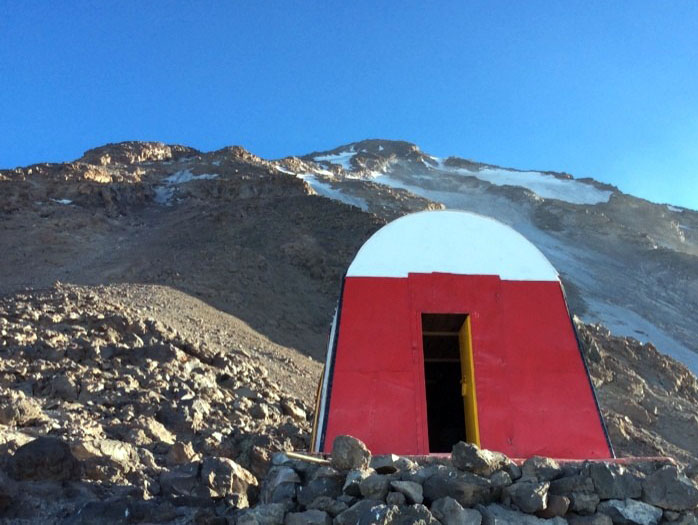
Trekkers approaching Camp 3 on Damavandโ€™s southern route often mistake a lower ridge, known as โ€œSnag-e Mosalasiโ€ (Triangle Stone), for the summit. This deceptive peak sits about 200 meters below the true summit, requiring an additional hour of climbing to reach the actual top.

Wildlife & Flora on Damavand

Damavandโ€™s Flora and Fauna

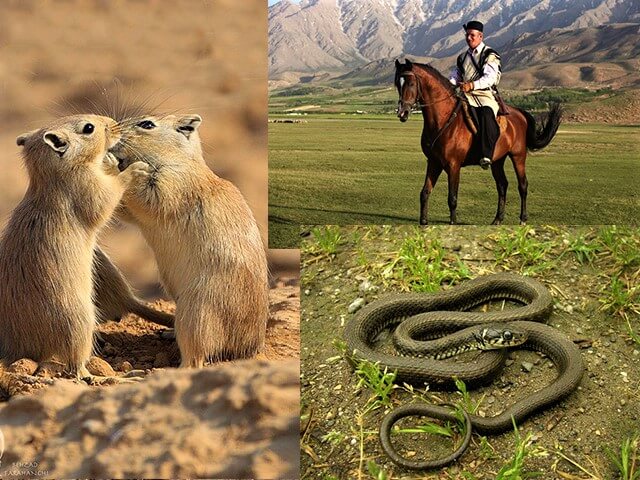
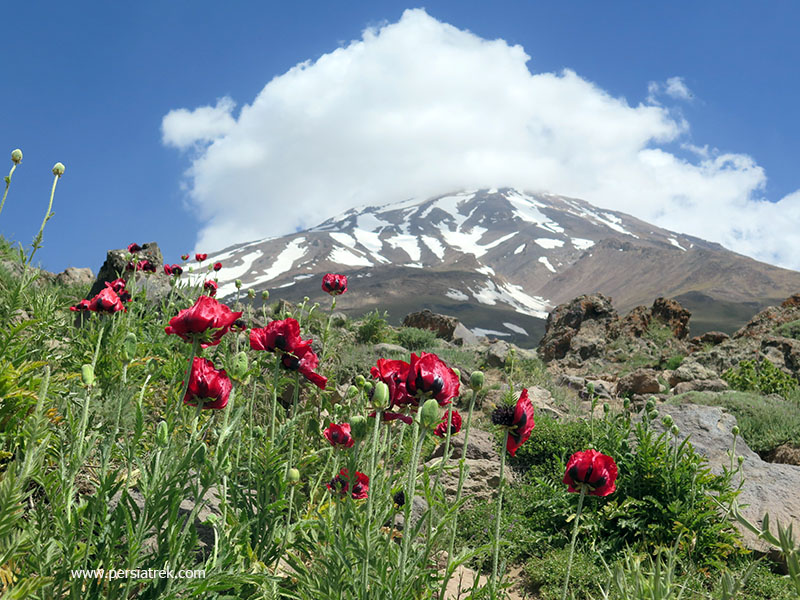
Despite its harsh conditions, Mount Damavand is home to various wildlife species. Bears, foxes, wolves, and jackals roam its slopes, while golden eagles, owls, and bats soar above. At lower elevations, herbivores like rams, wild boars, and rabbits inhabit the region. One of the most stunning natural attractions is the vibrant red poppy fields, which bloom between 2,000 and 3,500 meters, painting the slopes in a spectacular display of color.

Cultural Significance & Mythology

National Damavand Day & Persian Legends

Every year on Tir 13 (July 3rd), Iranians celebrate National Damavand Day. This tradition ties back to the Persian myth of Arash the Bowman, a hero who marked Iranโ€™s borders by shooting an arrow from Damavandโ€™s peak. This event symbolizes strength, unity, and resilience in Iranian culture.

Mount Damavand Trekking Guide

Damavand in Persian Poetry

Damavand has inspired many Persian poets, including Mohammad-Taqi Bahar, whose famous poem portrays the mountain as a symbol of resistance. Ferdowsiโ€™s Shahnameh, Iranโ€™s epic national poem, also references Damavand, further embedding it into Persian literature and heritage.

Why These Facts Matter for Your Trekking Experience

Knowing these fascinating details about Mount Damavand trekking adds depth to your adventure. Whether youโ€™re captivated by its volcanic past, mesmerized by its natural beauty, or drawn to its cultural significance, Damavand is more than just a mountainโ€”itโ€™s a symbol of Iranโ€™s history and resilience.

If youโ€™re planning a Mount Damavand trekking tour, this knowledge will enhance your experience, making every step more meaningful. Ready for your next adventure?


Mount Damavand Photo Gallery

Damavand trekking tour
6-Day Trekking Damavand South Route

From 620$

See Details

mount damavand
9-Day Trekking Damavand & Alamkuh

From 930$

See Details

touchal
6-Day Trekking Damavand &Touchal

From 670$

See Details

Damavand trekking tour
4-Day Trekking Damavand- Economy Tour

From 400$

See Details

Damavand trekking tour
15-Day Trekking Damavand , Alamkuh , Sabalan

From 1400$

See Details

damavand northeast route
6-Day Trekking Damavand Northeast Route

From 700$

See Details

mount damavand climb
6-Day Trekking Damavand West Route

From 650$

See Details

mount damavand climb
6-Day Trekking Damavand North Route

From 750$

See Details

mount damavand climb
6-Day Trekking Damavand Northwest Route

From 800$

See Details

Top 10 Iranian caravanserais

Top 10 Iranian caravanserais

Top 10 Iranian Caravanserais: A Journey Through History


Iranian caravanserais are a testament to the country’s rich history and vibrant cultural heritage. These architectural marvels once served as essential roadside inns for traders, pilgrims, and travelers along the ancient Silk Road. Today, they stand as historical landmarks, offering a glimpse into Iranโ€™s glorious past. Hereโ€™s a list of the top ten Iranian caravanserais that you should explore.

1. Caravanserai of Sa’d al-Saltaneh, Qazvin

Iranian caravanserais

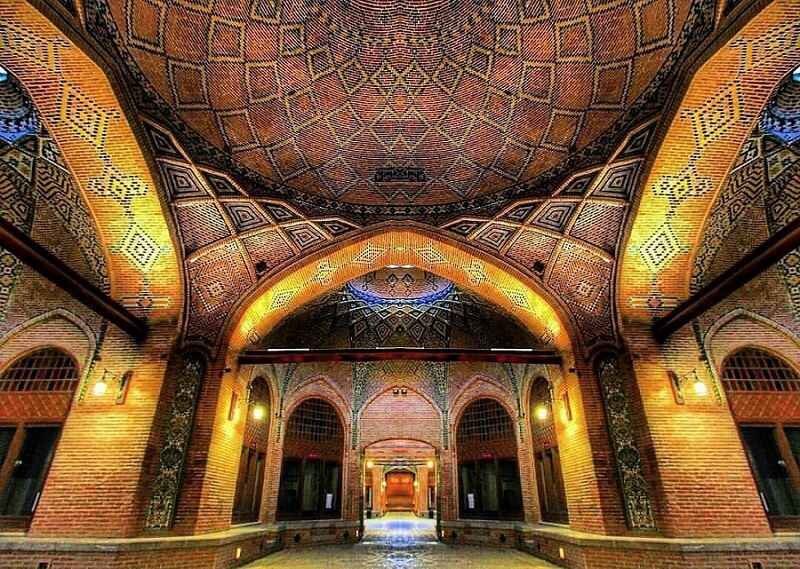
Located in the heart of Qazvin, this 19th-century caravanserai is one of the best-preserved examples in Iran. Featuring grand arches, beautiful courtyards, and intricate tilework, it now functions as a cultural and commercial center. Visitors can enjoy traditional Persian architecture while exploring its numerous shops, art galleries, and cafรฉs.

2. Zein-o-Din Caravanserai, Yazd

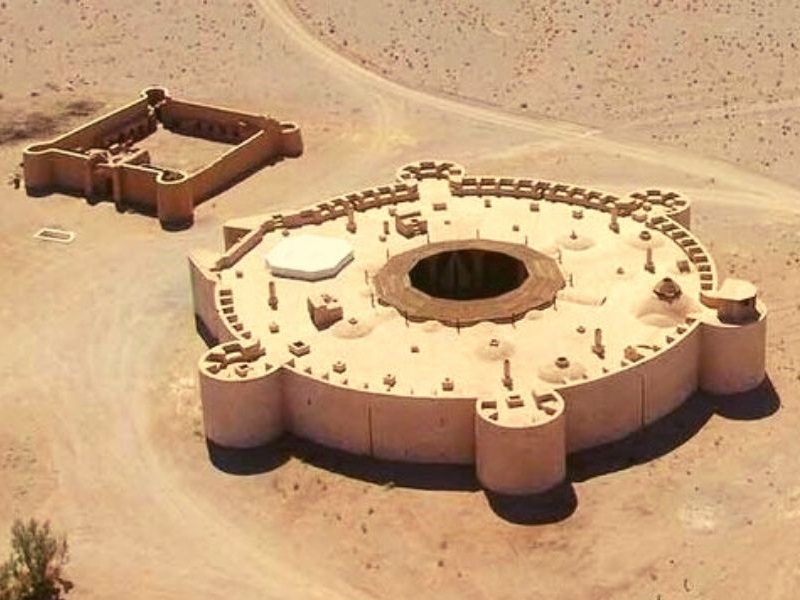
This unique circular caravanserai, located on the ancient Silk Road, offers an unforgettable desert experience. Restored into an eco-lodge, it provides guests with an opportunity to sleep under the starry desert sky. The caravanserai is known for its mud-brick construction, traditional Persian hospitality, and stunning panoramic views of the surrounding desert.

3. Robat-e Sharaf Caravanserai, Khorasan


Dating back to the 12th century, this caravanserai is famous for its elaborate brickwork and symmetrical design. It served as a key stop for traders traveling between Iran and Central Asia. The detailed geometric patterns and Kufic inscriptions on its walls make it an architectural masterpiece of the Seljuk period.

4. Maranjab Caravanserai, Kashan


Nestled in the heart of the Maranjab Desert, this caravanserai is a favorite among adventure seekers. The nearby sand dunes and salt lake make it a stunning location for photography and stargazing. Its strategic location on the Silk Road made it a vital resting point for travelers navigating the harsh desert terrain.

5. Deir-e Gachin Caravanserai, Tehran

Often called the โ€˜Mother of Iranian Caravanserais,โ€™ Deir-e Gachin is one of the largest and oldest caravanserais in Iran. Located within Kavir National Park, it provides a glimpse into ancient Persian hospitality. The structure includes a mosque, bathhouse, mill, and large courtyard, reflecting the importance of these roadside inns in Persian trade history.

6. Meybod Caravanserai, Yazd

Iranian caravanserais

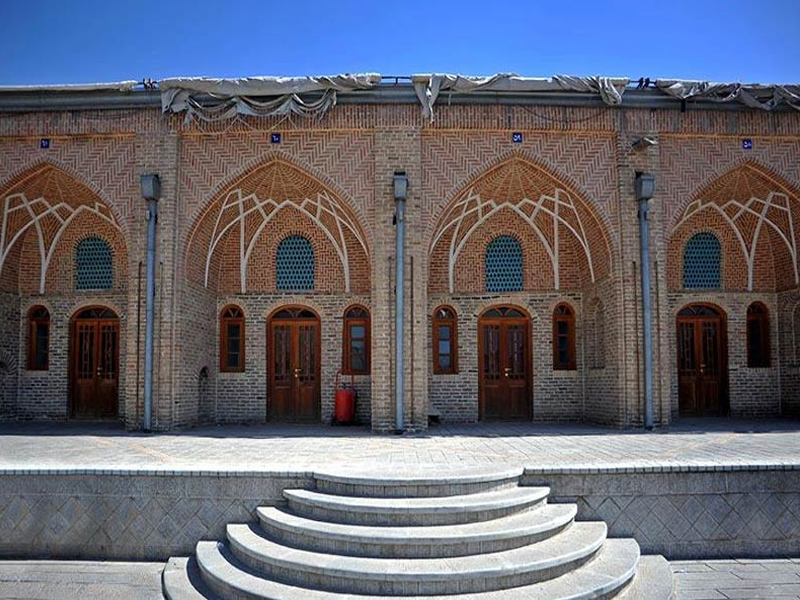
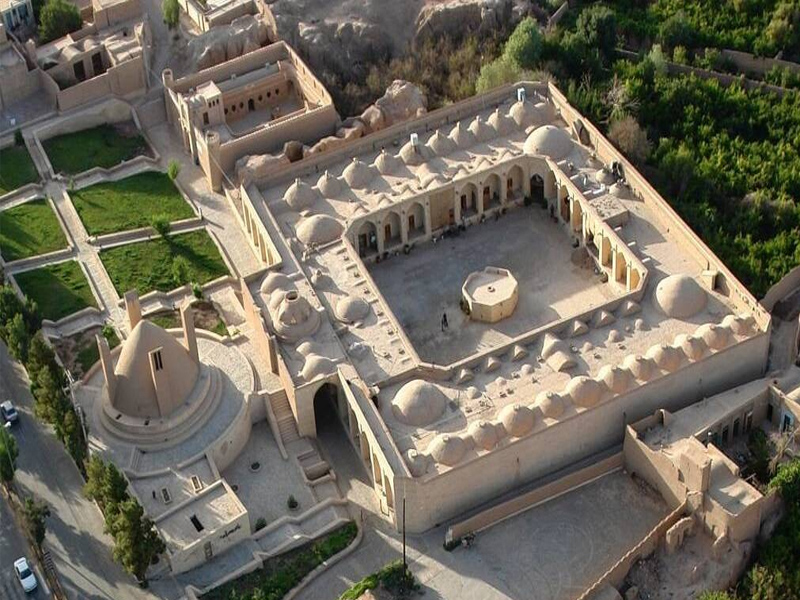
This Safavid-era caravanserai is part of a larger historical complex that includes an icehouse and a water reservoir. Its central location makes it a great stop for tourists exploring Yazdโ€™s architectural wonders. The structure has been well-preserved, with its brick walls, wooden doors, and traditional Persian decorations intact.

7. Bistoon Caravanserai, Kermanshah

Built under the Safavids, this caravanserai sits near the UNESCO-listed Bisotun Inscription. Its strategic location made it a vital stop for travelers passing through the Zagros Mountains. The building has a rectangular layout with multiple rooms and a spacious courtyard, reflecting the typical caravanserai design of the era.

8. Mehr Caravanserai, Sabzevar

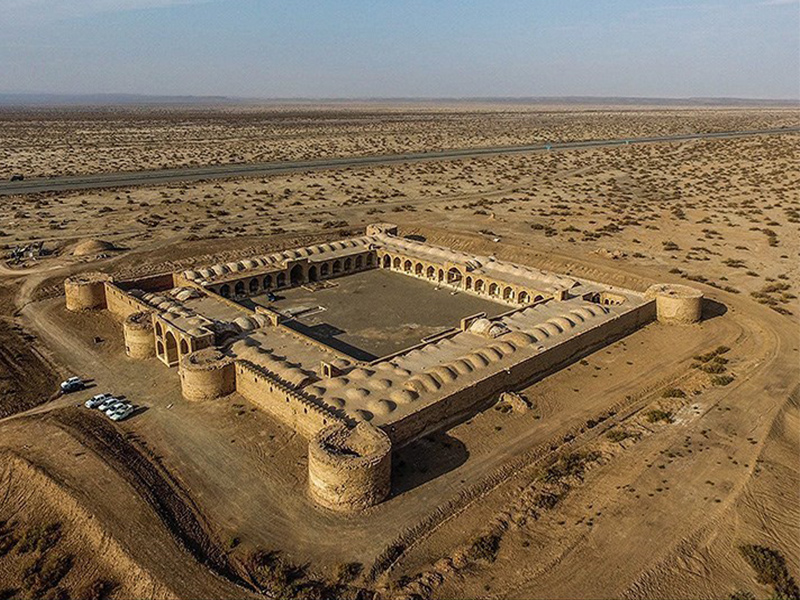
Mehr Caravanserai is located about 50 km west of Sabzevar, Iran. A caravanserai was a roadside inn where travelers could rest and recover from the day’s journey. Caravanserais supported the flow of commerce, information, and people across the network of trade routes covering Asia, North Africa, and South-Eastern Europe, especially along the Silk Road. These were found frequently along the Persian Empire’s Royal Road, a 2, 500-kilometre (1, 600 mi) long ancient highway that stretched from Sardis to Susa according to Herodotus.

9. Saryazd Caravanserai, Yazd


One of the oldest caravanserais in Iran, Saryazd Caravanserai is located near the ancient Saryazd Fortress. Built during the Sassanid era, it was a vital stop for merchants and travelers. The structure features high walls, a central courtyard, and multiple rooms designed for trade and lodging.

10. Khanat Caravanserai, Tehran

Located in the capital city, this historical caravanserai dates back to the Qajar era. Once a key commercial hub, Khanat Caravanserai still maintains its traditional architecture and serves as a marketplace for handicrafts and traditional goods. Its strategic location in Tehran makes it an easily accessible site for history lovers.

Conclusion

Iranian caravanserais are more than just historical inns; they represent centuries of trade, travel, and architectural brilliance. Whether restored as hotels or standing as historical sites, these caravanserais continue to captivate travelers worldwide. If youโ€™re planning a trip to Iran, donโ€™t miss the chance to visit these remarkable remnants of history.

For more travel insights, keep exploring and discovering the wonders of Iranโ€™s rich cultural heritage!

IRAN CULTURAL TOUR PACKAGES


Damavandโ€™s Flora and Fauna

Damavandโ€™s Flora and Fauna

Damavandโ€™s Flora and Fauna

Introduction

Mount Damavand is Iranโ€™s most iconic peak, offering breathtaking trekking experiences for adventurers worldwide. If youโ€™re planning a Mount Damavand trekking tour, learning some interesting facts about this legendary mountain will enhance your journey. Did you know that Damavand is featured on Iranian banknotes, symbolizing its deep cultural and historical significance? From its towering height to its place in Persian mythology, this guide reveals everything you need to know about Mount Damavand trekking!


Mount Damavandโ€™s Ranking & Height

Standing at 5,610 meters (18,406 feet), Mount Damavand is the highest peak in Iran and the Middle East. It also holds the title of the tallest volcanic peak in Asia. Ranked as the worldโ€™s 12th most prominent peak, Damavand stands just after Mount Elbrus and Mont Blanc. In mountaineering, prominence refers to how distinct a mountain is from nearby peaks, highlighting Damavandโ€™s grandeur.

Who First Climbed Mount Damavand?

The first recorded ascent of Damavand dates back over 1,000 years. Abu Dolaf, an Arab geographer, attempted to scale the mountain but didnโ€™t reach the summit. European climbers first attempted it in the 18th century, with French scientist Olivier making an unsuccessful attempt in 1798. The first documented summit success belongs to British diplomat William Taylor Thomson in 1837. Iranians officially conquered the peak in 1857, marking a milestone in national mountaineering history.


Volcanic Features of Mount Damavand

damavand sardagh

Damavandโ€™s Dormant Crater

Mount Damavand is a dormant volcano, with its last eruption occurring between 6,000 and 10,000 years ago. The crater spans 400 meters in diameter and is often covered in ice and snow. Surrounding the crater, yellow sulfur stones hint at the mountainโ€™s volcanic past. Additionally, remnants of two older craters are visible on Damavandโ€™s northern and southern slopes.

Yakhi Waterfall โ€“ The Ice Wonder of Damavand

Damavand trekking tour

One of the most fascinating sights on the southern route of Damavand is Yakhi Waterfall, an 8-12 meter (26-39 feet) tall frozen waterfall. This natural marvel remains frozen most of the year, only partially melting in the summer. At 5,100 meters above sea level, Yakhi Waterfall holds the record for the highest-altitude waterfall in the Middle East.

Unique Weather Phenomena: The Cloud Cap

A distinct feature of Damavandโ€™s summit is its cloud cap, a phenomenon caused by rapid air cooling as winds rise along the peak. This natural spectacle resembles a helmet guarding the mountain, forming only at elevations above 5,000 meters. Depending on weather conditions, the cloud cap may persist for hours or vanish quickly.

Beware of the Fake Summit!

Trekkers approaching Camp 3 on Damavandโ€™s southern route often mistake a lower ridge, known as โ€œSnag-e Mosalasiโ€ (Triangle Stone), for the summit. This deceptive peak sits about 200 meters below the true summit, requiring an additional hour of climbing to reach the actual top.

Wildlife & Flora on Damavand

Damavandโ€™s Flora and Fauna

Despite its harsh conditions, Mount Damavand is home to various wildlife species. Bears, foxes, wolves, and jackals roam its slopes, while golden eagles, owls, and bats soar above. At lower elevations, herbivores like rams, wild boars, and rabbits inhabit the region. One of the most stunning natural attractions is the vibrant red poppy fields, which bloom between 2,000 and 3,500 meters, painting the slopes in a spectacular display of color.

Cultural Significance & Mythology

National Damavand Day & Persian Legends

Every year on Tir 13 (July 3rd), Iranians celebrate National Damavand Day. This tradition ties back to the Persian myth of Arash the Bowman, a hero who marked Iranโ€™s borders by shooting an arrow from Damavandโ€™s peak. This event symbolizes strength, unity, and resilience in Iranian culture.

Mount Damavand Trekking Guide

Damavand in Persian Poetry

Damavand has inspired many Persian poets, including Mohammad-Taqi Bahar, whose famous poem portrays the mountain as a symbol of resistance. Ferdowsiโ€™s Shahnameh, Iranโ€™s epic national poem, also references Damavand, further embedding it into Persian literature and heritage.

Why These Facts Matter for Your Trekking Experience

Knowing these fascinating details about Mount Damavand trekking adds depth to your adventure. Whether youโ€™re captivated by its volcanic past, mesmerized by its natural beauty, or drawn to its cultural significance, Damavand is more than just a mountainโ€”itโ€™s a symbol of Iranโ€™s history and resilience.

If youโ€™re planning a Mount Damavand trekking tour, this knowledge will enhance your experience, making every step more meaningful. Ready for your next adventure?


Mount Damavand Photo Gallery

Damavand trekking tour
6-Day Trekking Damavand South Route

From 620$

See Details

mount damavand
9-Day Trekking Damavand & Alamkuh

From 930$

See Details

touchal
6-Day Trekking Damavand &Touchal

From 670$

See Details

Damavand trekking tour
4-Day Trekking Damavand- Economy Tour

From 400$

See Details

Damavand trekking tour
15-Day Trekking Damavand , Alamkuh , Sabalan

From 1400$

See Details

damavand northeast route
6-Day Trekking Damavand Northeast Route

From 700$

See Details

mount damavand climb
6-Day Trekking Damavand West Route

From 650$

See Details

mount damavand climb
6-Day Trekking Damavand North Route

From 750$

See Details

mount damavand climb
6-Day Trekking Damavand Northwest Route

From 800$

See Details

Damavand Sulfur Hill

Damavand Sulfur Hill

Damavand Sulfur Hill

Exploring Iranโ€™s Unique Volcanic Landmark

Traits of Volcanoes

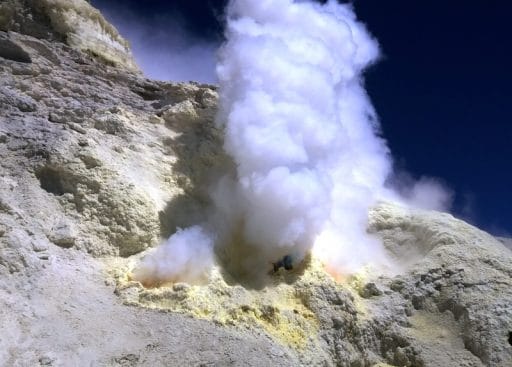
Volcanoes are known for their distinctive geological features, including chimneysโ€”vents through which sulfur gas escapes. The surrounding area often appears greenish due to sulfur deposits, and hot springs are common in such regions.

Mount Damavand, Iranโ€™s highest volcano, showcases these remarkable traits. Near its crater, you can find sulfur chimneys, sulfur-covered terrain, and natural hot springs. On windless days, if you are near the southern face of Damavand, you may even see a trail of smoke rising from the mountainโ€™s peak.


Damavand Sulfur Hill (Tappe-ye Googerdi)


Damavand Sulfur Hill

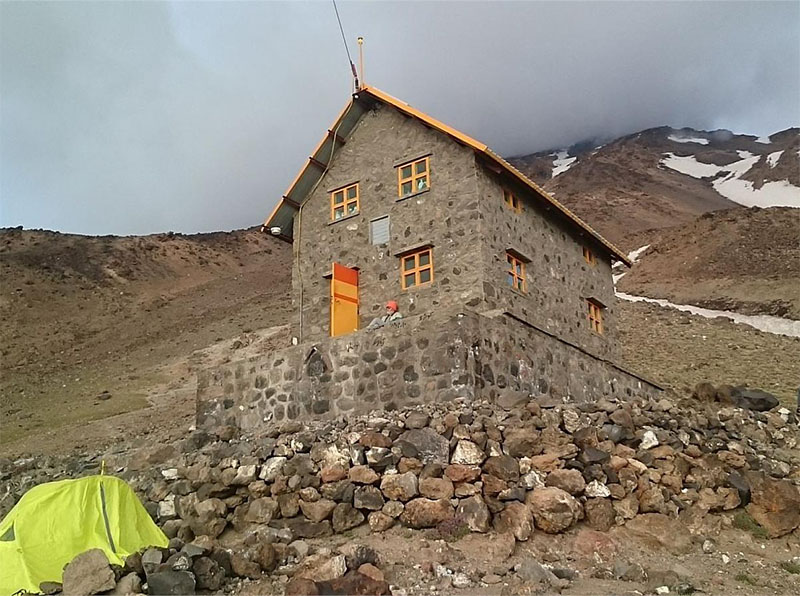
The southern route is the most popular path for climbers aiming to reach Damavandโ€™s summit. Along this route, adventurers encounter some of the mountainโ€™s most fascinating features, including Abshar-e Yakhi (the Ice Waterfall), hot springs, the Fake Summit, sulfur vents, and, most notably, Damavand Sulfur Hill.

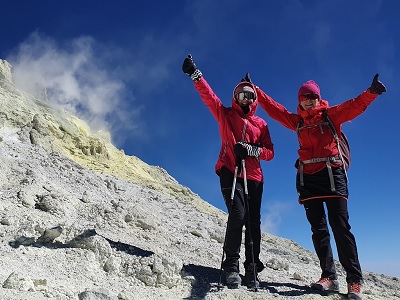
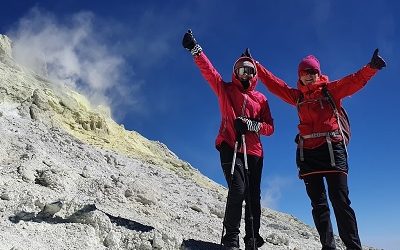
Sulfur Hill begins at an altitude of approximately 5,350 meters, just beyond the Fake Summit. Its striking greenish-yellow soil, caused by sulfur deposits, gives it its name. As you approach this area, the strong smell of sulfur becomes unmistakable. Climbers can also spot gas chimneys actively releasing volcanic fumes into the air.

At the upper end of Sulfur Hill, near the summit, there are large sulfur vents with diameters reaching up to one meter. These prominent features have solidified the regionโ€™s name as Damavand Sulfur Hill. On clear days, the rising smoke creates a dramatic sight, making it a prime location for photography, second only to the summit itself.

Damavand acclimatization

Tips for Climbing Damavand Sulfur Hill

  • If you choose the Southern Route, plan to take a brief rest at the Fake Summit (Triangle Rock) before reaching Sulfur Hill.
  • Be mindful of the wind direction to minimize exposure to sulfur fumes. Even so, some irritation is inevitableโ€”using a scarf or mask can help reduce discomfort.
  • The ascent from the base of Sulfur Hill to the summit typically takes about one hour, though this depends on individual pace and weather conditions.


Experience Damavandโ€™s Natural Wonders


Damavand Sulfur Hill is an extraordinary natural landmark, offering a glimpse into the volcanic activity that has shaped the mountain. Whether you are a seasoned climber or a nature enthusiast, witnessing this geological marvel firsthand is an unforgettable experience.

If you are planning a Damavand Climbing Tour, ensure you are well-prepared for the altitude and sulfur exposure. With careful planning and the right gear, your journey to Damavand Sulfur Hill will be a truly memorable adventure!


Damavand trekking tour

Mount Damavand Photo Gallery

Damavand trekking tour
6-Day Trekking Damavand South Route

From 620$

See Details

mount damavand
9-Day Trekking Damavand & Alamkuh

From 930$

See Details

touchal
6-Day Trekking Damavand &Touchal

From 670$

See Details

Damavand trekking tour
4-Day Trekking Damavand- Economy Tour

From 400$

See Details

mount damavand climb
6-Day Trekking Damavand West Route

From 650$

See Details

mount damavand climb
6-Day Trekking Damavand North Route

From 750$

See Details

Tehran travel guide

Tehran travel guide

TEHRAN TRAVEL GUIDE

Things to Do, Activities, and Attractions

Introduction

Tehran, the bustling capital of Iran, is a vibrant city filled with history, culture, and modern attractions. As the heart of the country, Tehran serves as a gateway to the diverse landscapes, traditions, and experiences that Iran has to offer. Whether you’re a first-time visitor or a seasoned traveler, this Tehran travel guide will provide you with a comprehensive overview of the best things to do in Tehran, the top attractions, and the must-visit sites in this fascinating city.

Introduction to Tehran

Tehran, located at the foot of the Alborz Mountains, is Iranโ€™s largest city and economic hub. With over 8 million residents, it is a modern metropolis that blends contemporary life with ancient history. While Tehran is often seen as a transit city for travelers heading to other parts of Iran, it offers plenty of rich experiences that can fill several days of exploration. From stunning palaces and museums to bustling bazaars and serene parks, there is no shortage of things to do in Tehran.

In this Tehran travel guide, weโ€™ll take a closer look at the top attractions, hidden gems, and cultural activities that make Tehran a unique destination for travelers.


Top Attractions in Tehran

1. Golestan Palaceย 

Golestan Palace is one of Tehranโ€™s most iconic landmarks and a UNESCO World Heritage Site. This historic palace complex dates back to the Safavid era but was significantly expanded during the Qajar period in the 19th century. The palace is a masterpiece of Persian architecture, showcasing intricate tilework, stunning courtyards, and beautiful gardens.

Highlights of Golestan Palace include the Marble Throne Hall (Takht-e Marmar), the private chambers of the royal family, and the exquisite mirrors and paintings adorning the walls. Visitors can explore the various museums inside the palace, including the Ethnological Museum, which provides insight into Iranian culture.

2. The National Museum of Iran

A visit to the National Museum of Iran is a must for anyone interested in the countryโ€™s rich history and archaeology. The museum is divided into two sections: the Ancient Iran Museum, which displays artifacts from prehistoric times to the Islamic period, and the Islamic Art Museum, which showcases Islamic art and calligraphy.

Some of the museumโ€™s most famous exhibits include ancient pottery, Persian carpets, and the Elamite stone reliefs. The museum is an excellent place to learn about Iranโ€™s cultural heritage, from the ancient civilizations of Mesopotamia to the Islamic Golden Age.

3. The Treasury of National Jewels

Iran is famous for its collection of precious gemstones and jewelry, and the Treasury of National Jewels in Tehran offers visitors the chance to see some of the worldโ€™s most valuable pieces. Located within the Central Bank of Iran, the treasury houses a remarkable collection of royal jewels, including the famous Darya-ye-Noor diamond, the Peacock Throne, and the Imperial Crown of Iran.

A visit to the Treasury of National Jewels is an unforgettable experience for anyone with an interest in luxury, history, or simply the beauty of gemstones. The collection is displayed in a series of rooms, each filled with stunning examples of Iran’s royal wealth and craftsmanship.

4. Azadi Tower

Tehran travel guide

Azadi Tower, also known as the Freedom Tower, is one of Tehranโ€™s most recognizable symbols. Built in 1971 to commemorate the 2,500th anniversary of the Persian Empire, this iconic monument stands 50 meters tall and features a unique blend of traditional Persian and modern architectural styles.

The tower offers panoramic views of Tehran and the surrounding mountains. Visitors can explore the surrounding Azadi Square, which is a central location for cultural and political events. The tower is also home to a small museum that delves into the history of Iranโ€™s architecture and the significance of the monument.

5. Milad Tower

Milad Tower is the sixth tallest tower in the world and one of Tehranโ€™s most modern attractions. Standing at 435 meters tall, Milad Tower offers a stunning view of the city and the surrounding mountains. The tower features a revolving restaurant, an observation deck, a convention center, and a museum.

For those looking for a unique experience, the tower also has a sky bridge that allows visitors to walk around the tower’s spire, providing an adrenaline-pumping view of the city below. The tower is particularly beautiful at night when it is illuminated with colorful lights.


Cultural and Historical Sites

6. Saโ€™dabad Complex

The Saโ€™dabad Complex is a sprawling cultural and historical site located in the northern part of Tehran, nestled in the foothills of the Alborz Mountains. Once the royal residence of the Pahlavi dynasty, the complex consists of numerous palaces, museums, and beautiful gardens.

Visitors can explore several of the palaces, including the White Palace (or the Niavaran Palace), which houses a museum displaying items from the royal family’s personal collection. The green surroundings make Saโ€™dabad an ideal spot for a relaxing stroll, offering a blend of nature and history.

7. Niavaran Palace

Niavaran Palace, built in the 19th century, was the official residence of the last Shah of Iran, Mohammad Reza Pahlavi, and his family. Today, the palace is a museum showcasing royal artifacts, including paintings, furniture, and personal items of the royal family. The surrounding gardens offer a peaceful escape from the hustle and bustle of the city, and visitors can explore the palaceโ€™s impressive architectural design.

8. Tehran Grand Bazaar

No visit to Tehran would be complete without exploring the Tehran Grand Bazaar, a labyrinthine market that dates back to the Safavid era. The bazaar is one of the oldest and largest in the world, and it offers a vibrant mix of shops, stalls, and traditional Iranian goods.

At the bazaar, you can shop for Persian carpets, spices, textiles, pottery, jewelry, and souvenirs. The market is also a great place to sample local food, such as kebabs, fresh bread, and traditional sweets. The bazaar is a central part of Tehranโ€™s daily life, and wandering through its narrow lanes is a must-do activity for anyone visiting the city.


Nature and Parks in Tehran

9. Laleh Park

Laleh Park is one of the largest and most popular parks in Tehran. Located in the western part of the city, this expansive park is a great place to relax and enjoy the outdoors. The park features lush gardens, walking paths, fountains, and several cafes.

Laleh Park is especially famous for its beautiful tulip gardens, which bloom in spring, adding vibrant color to the parkโ€™s landscape. There are also several sculptures scattered throughout the park, making it a great spot for art lovers.

10. Mount Tochal

If you’re an outdoor enthusiast, a visit to Mount Tochal is a must. Located just 10 kilometers from downtown Tehran, Tochal offers stunning views of the city and the Alborz Mountains. The mountain is home to a popular ski resort, and visitors can take the Tochal Telecabin (cable car) to reach higher altitudes.

During the summer months, the area is great for hiking, and in the winter, it turns into a hub for skiing and snowboarding. Whether you’re interested in outdoor activities or simply want to enjoy the natural beauty of Tehran, Tochal is an ideal destination.

11. Darband

Darband is a charming village located at the base of the Alborz Mountains, just north of Tehran. Known for its scenic beauty, Darband is a popular destination for hiking and outdoor recreation. The village is home to numerous restaurants and cafes that offer traditional Iranian cuisine, making it a great place to relax after a hike.

The trail from Darband leads to the higher peaks of the Alborz Mountains, offering stunning views of Tehran and the surrounding countryside. If you’re not up for a long hike, simply strolling through the village and enjoying the natural surroundings is a rewarding experience.


Culinary Experience in Tehran

12. Sample Traditional Iranian Cuisine

Tehran is home to a rich and diverse culinary scene, with a wide variety of restaurants serving traditional Iranian dishes. One of the must-try dishes is kebab, particularly the famous koobideh, a minced meat kebab served with saffron rice and grilled vegetables.

Other popular dishes include:

  • Fesenjan: A rich stew made with chicken, walnuts, and pomegranate sauce.
  • Khoresht Gheymรฉ: A stew made with lamb, split peas, and dried lime.
  • Tahchin: A savory rice cake made with saffron rice, chicken, and yogurt.

For dessert, don’t miss baklava, saffron ice cream, or zoolbia and bamiyeh (traditional Iranian sweets).

Tehran also offers a vibrant cafรฉ culture, with many spots serving excellent Persian tea and sweets, as well as international coffee drinks.


Shopping in Tehran

Tehran is a great place to shop for unique Persian goods and souvenirs. From handcrafted carpets to high-quality saffron, the city’s markets are brimming with items that reflect Iranโ€™s rich cultural heritage.

Apart from the Tehran Grand Bazaar, other notable shopping areas include:

  • Vali Asr Street: This major thoroughfare is home to numerous shops and boutiques selling fashion, electronics, and more.
  • Darband Bazaar: For handmade crafts and traditional Iranian products.
  • Tajrish Bazaar: A traditional bazaar in northern Tehran that sells everything from spices to handicrafts.

Conclusion

Tehran is a dynamic city that offers a fascinating mix of ancient history, modern culture, and natural beauty. This Tehran travel guide highlights some of the best things to do, see, and experience in this bustling metropolis. Whether you’re exploring the historic palaces and museums, enjoying the natural landscapes, or

touchal

3-Day Tehran Sightseeing Tour

From 360$

See Details
touchal

14-Day Persian History Travel

From 1800$

See Details
Iranian caravanserais

15-Day Iran Sightseeing Tour

From 1950$

See Details

Most Beautiful Mosques in Iran

7-Day Iran Ancient Cities Tour

From 880$

See Details
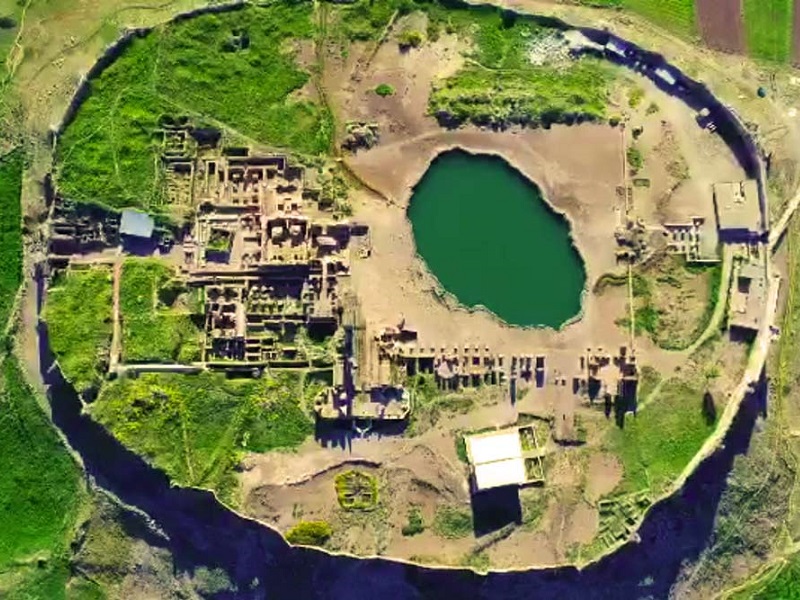
Iran UNESCO World Heritage Sites

27-Day Iran UNESCO World Heritage Sites Tour

From 3200$

See Details
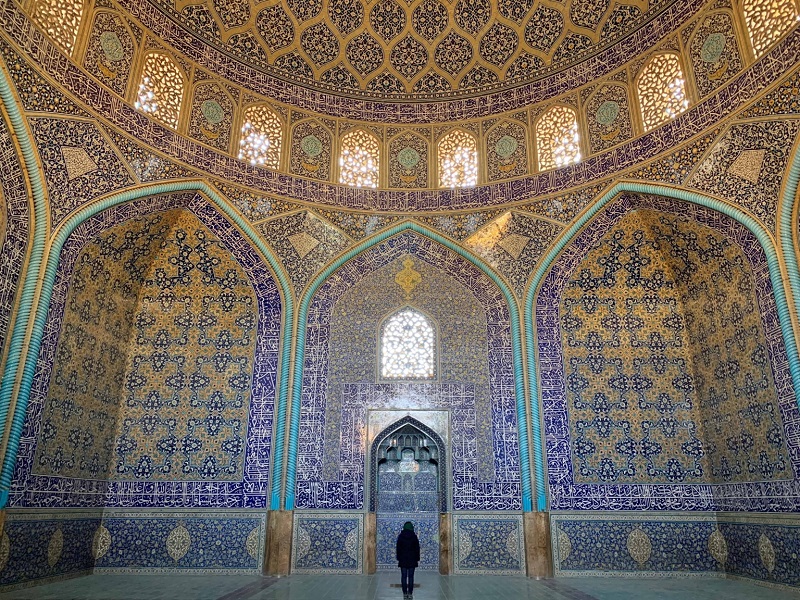
Iran UNESCO World Heritage Sites

4-Day Iran Classic Tour : Tehran , Isfahan , Shiraz

From 480$

See Details
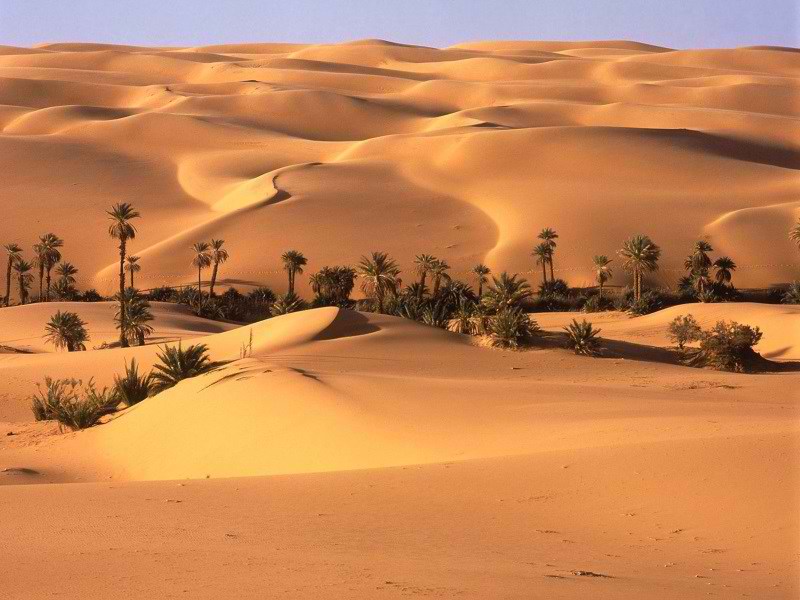
Dasht-e Lut Desert

12-Day Central Iran Desert Tour

From 1200$

See Details
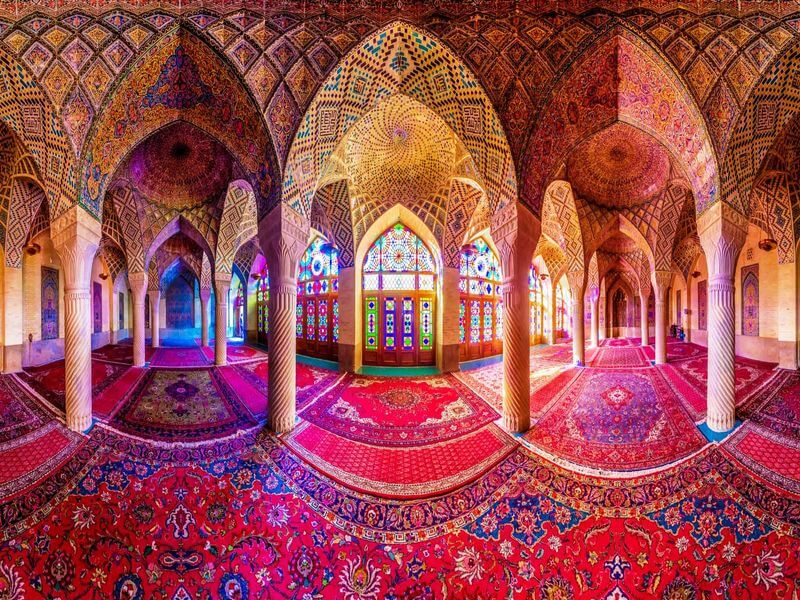
Most Beautiful Mosques in Iran

See Details

Iran Cultural and Adventure Tour

See Details

Iran UNESCO World Heritage Sites

7-Day Trip to Qeshm and Hormoz Islands

From 550$

See Details

Iran UNESCO World Heritage Sites

13-Day Iran Northern Cities

From 1550$

See Details

× How can I help you?