Mount Damavand History
Mount Damavand History
Explore Iran’s Most Legendary MountainOverview
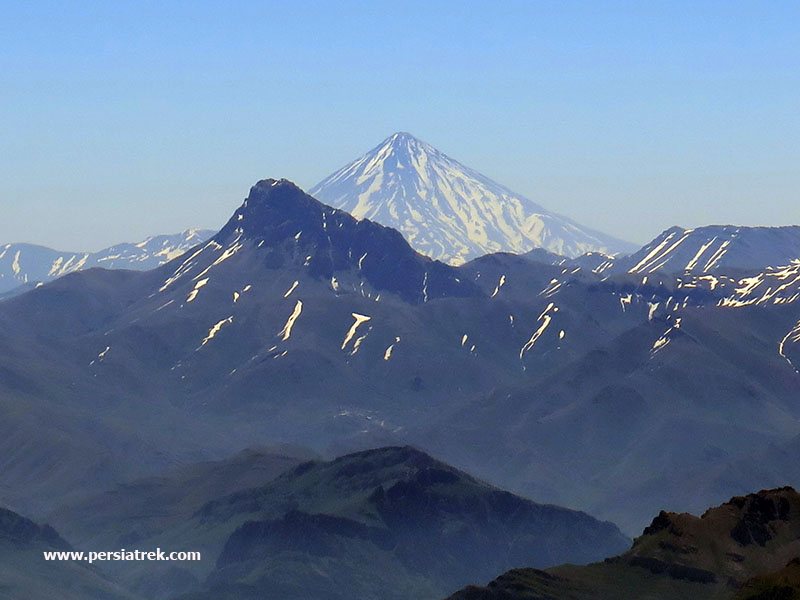
Mount Damavand is not just the tallest mountain in Iran — it is a towering emblem of mythology, literature, and national pride. Rising to 5,610 meters (18,406 feet), this dormant stratovolcano in the Alborz mountain range has shaped the imagination of Iranians for thousands of years. From ancient Zoroastrian texts to epic poetry and folklore, the Mount Damavand history is a powerful blend of geological wonder and cultural depth.
In this in-depth article, we explore the historical significance, legendary stories, and symbolic role of Mount Damavand in Iranian identity.
Geographic and Geological Background
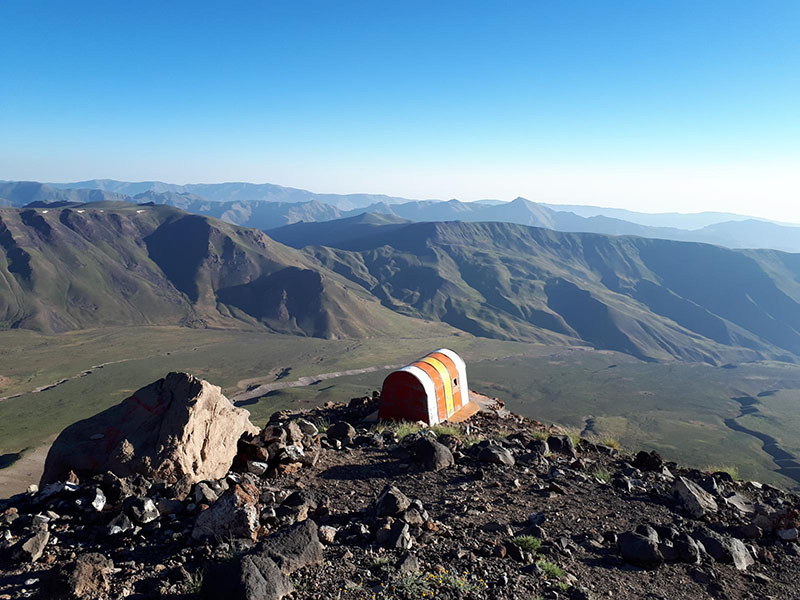
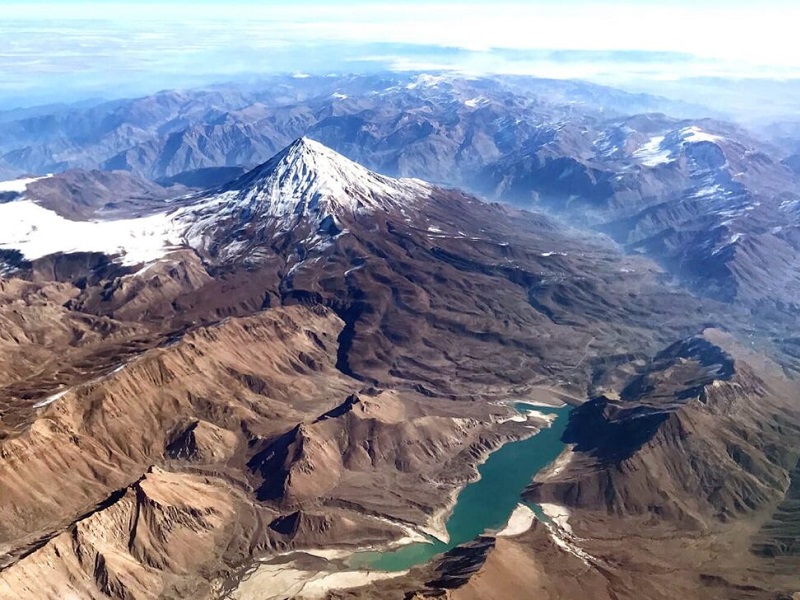
Mount Damavand is located in northern Iran, near the southern coast of the Caspian Sea and approximately 70 kilometers northeast of Tehran. It is part of the Alborz Mountains, which form a natural barrier between the Caspian and central Iran.
As a dormant stratovolcano, Damavand is characterized by:
-
A large conical shape
-
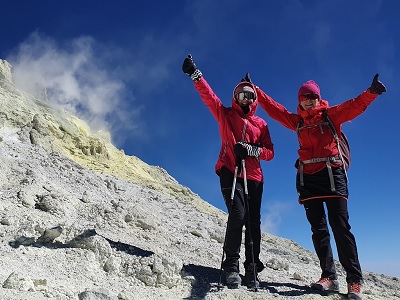
Volcanic gas vents (fumaroles) near its summit
-
Hot springs on its lower slopes
-
Mineral deposits such as sulfur and calcium carbonate
Damavand’s last known eruption is estimated to have occurred around 5300 BCE, but its geological heat is still present. This makes it a fascinating destination not only for climbers but also for researchers and nature enthusiasts.
Early Mentions in Ancient Texts
The earliest references to Mount Damavand appear in Zoroastrian scriptures, especially in the Avesta, the holy book of Zoroastrianism. In these texts, Damavand is described as a sacred mountain — one associated with divine strength and protection.
Later, Greek geographers such as Ptolemy included Damavand in early maps of the known world. In Islamic Golden Age literature, scholars like Al-Biruni and Zakariya al-Qazwini wrote detailed observations about its height, volcanic features, and legends told by the local population.
The Myth of Zahhak: Evil Imprisoned
The most enduring legend in Mount Damavand history is that of Zahhak, a ruthless, demonic king from Ferdowsi’s national epic, the Shahnameh.

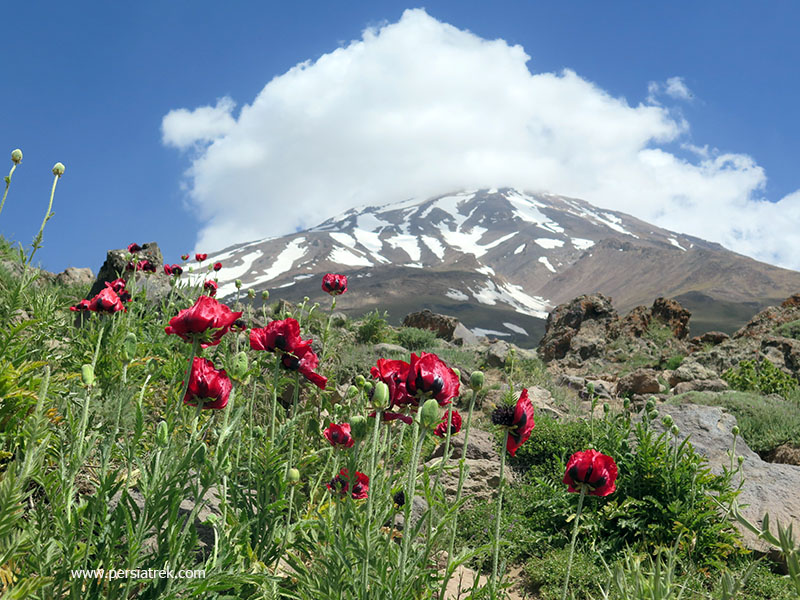
Damavand volcano and Persian legend of Zahhak
According to the story:
-
Zahhak was a tyrant with serpents growing from his shoulders.
-
The serpents fed on human brains, leading to brutal oppression.
-
A Persian hero named Fereydun led a revolt against Zahhak.
-
After defeating him, Fereydun did not kill Zahhak, but instead imprisoned him deep within Mount Damavand, where he remains bound in chains.
This tale elevated Damavand from a natural landmark to a cosmic prison of evil, forever guarding the world from tyranny.
Symbolic Meaning:
-
Zahhak: Evil, oppression, darkness
-
Damavand: Resistance, justice, eternal vigilance
This myth is widely taught in schools and recited in Iranian households, reinforcing Damavand’s role as a cultural icon.
Mount Damavand in Persian Poetry and Literature
Throughout centuries, Mount Damavand has featured prominently in Persian poetry, symbolizing everything from resilience to freedom.
Bahār’s Famous Poem
In the 20th century, Malek o-Sho’arā Bahār, a renowned literary figure, wrote one of the most iconic odes to Damavand during a time of political struggle in Iran.
“O white-capped Damavand,
Lofty guardian of this land,
You rise in silent, fearless might,
While tyrants fade into the night.”
This poem became a symbol of national resistance, especially during the Constitutional Revolution and the Iranian Revolution, as Damavand came to embody the voice of the people against tyranny.
Damavand in National Identity
Over time, Damavand has become a fixture in Iranian national consciousness. It appears in:
-
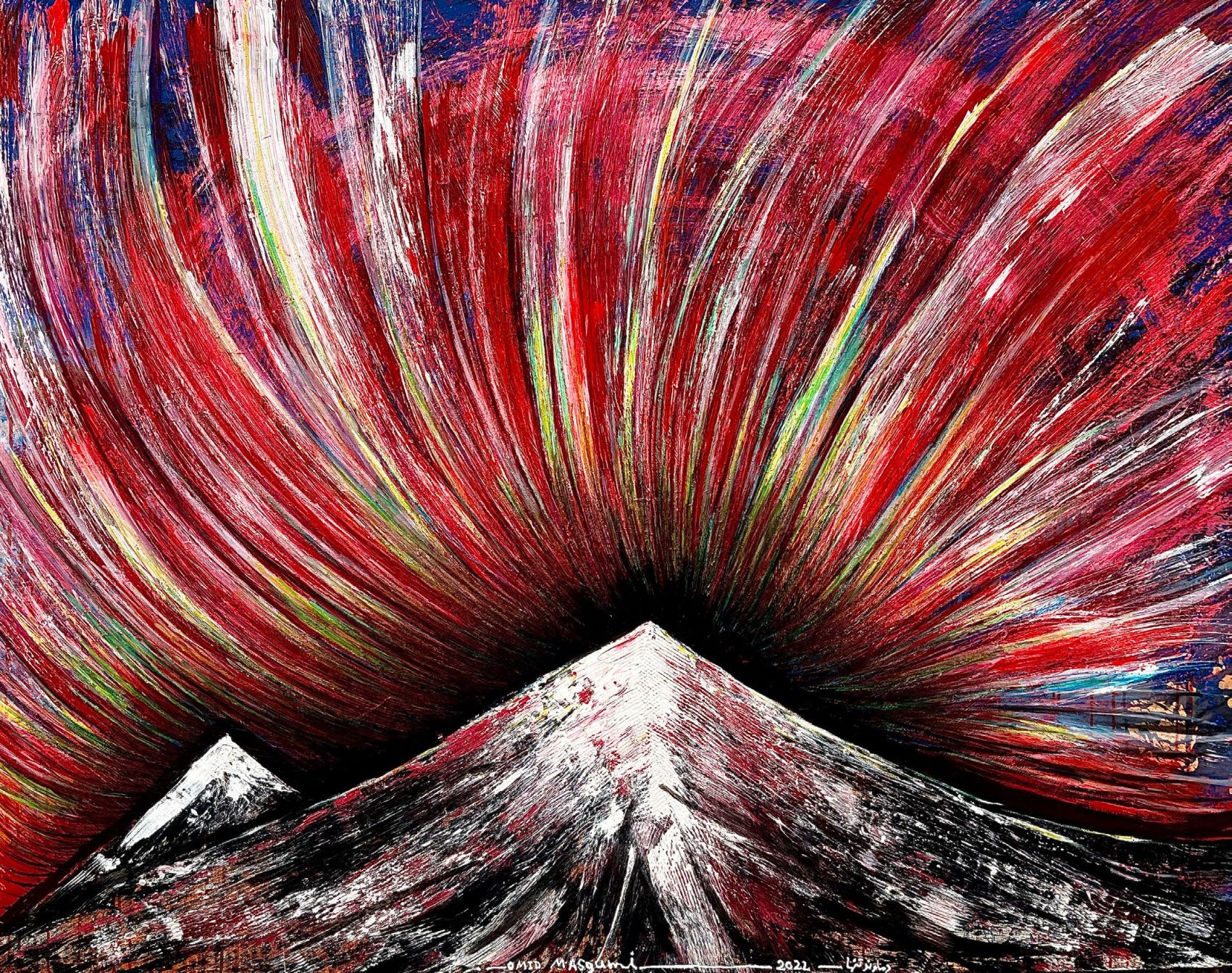
Persian carpets and miniatures
-
Government emblems and military insignia
-
National songs, such as “Ey Iran”
-
Literary works that explore the tension between ancient tradition and modern challenges
In a country shaped by waves of conquest, revolution, and reform, Mount Damavand stands as a constant — unshaken and timeless.
Religious and Spiritual Beliefs
In addition to mythology and literature, Damavand is often considered a place of spiritual energy. Zoroastrians, and even some mystic Muslim sects, view the mountain as a center of natural power, where earth, fire, water, and air converge in harmony.
Some Iranians believe the mountain holds sacred qualities, including:
-
Healing properties in its hot springs
-
Mystical balance of the elements
-
Being a point of cosmic alignment in ancient traditions
Tourism and Mountaineering
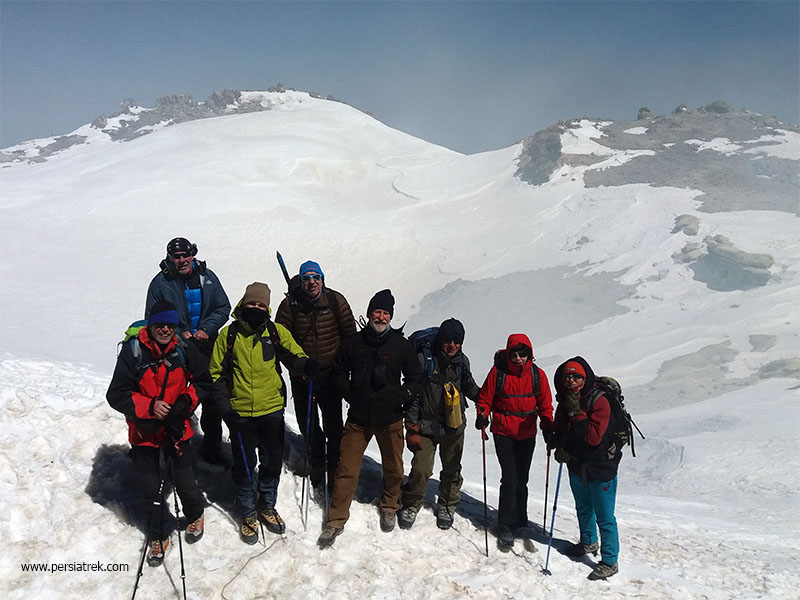
Today, Mount Damavand attracts thousands of climbers each year. It’s considered a non-technical climb during summer but can be extremely challenging in winter due to snow and wind. Key information includes:
-
Popular Routes: South Route (easiest), North, Northeast, and West
-
Base Camps: Polour and Rineh villages
-
Summit Features: Crater, sulfur vents, panoramic views of Alborz
-
Climbing Season: June to September (ideal weather)
Eco-tourism in the area is growing, and conservation efforts aim to protect the mountain’s fragile alpine environment.
Quick Reference Table: Mount Damavand
| Feature | Details |
|---|---|
| Elevation | 5,610 meters (18,406 feet) |
| Location | Mazandaran Province, Iran |
| Mountain Type | Dormant stratovolcano |
| Geological Features | Fumaroles, mineral springs, glaciers |
| Last Eruption | ~5300 BCE |
| Historical Significance | Zoroastrian texts, Islamic chronicles |
| Mythological Role | Prison of Zahhak in Shahnameh |
| Cultural Role | National symbol of resistance and pride |
| Climbing Difficulty | Moderate (in summer), hard (in winter) |
Conclusion: Why Mount Damavand Still Matters
The Mount Damavand history is not a mere record of ancient geology or folklore — it is a living part of Iranian identity. It tells the story of a people who have weathered storms, resisted tyranny, and clung to their heritage.
From epic battles between good and evil to poetic declarations of freedom, Damavand is more than a mountain — it is Iran’s spiritual summit.

6-Day Trekking Damavand South Route
From 620$
See Details
9-Day Trekking Damavand & Alamkuh
From 930$
See Details
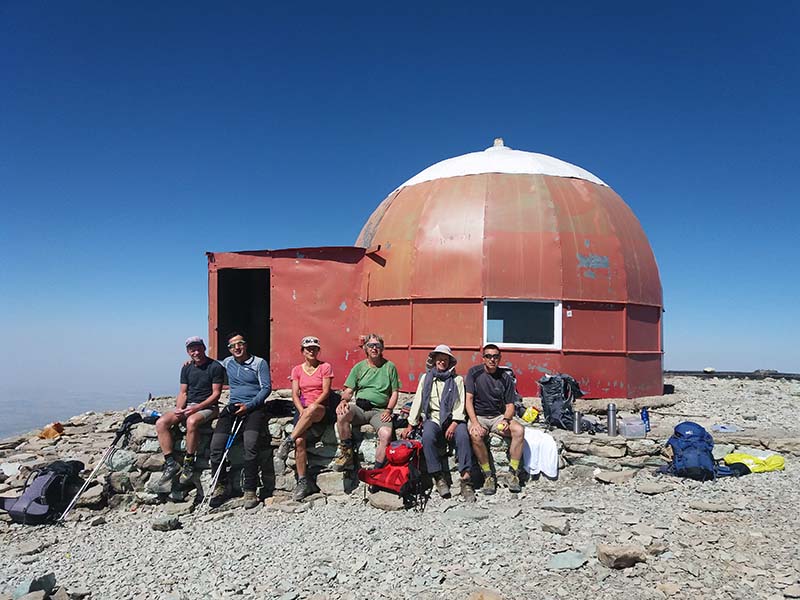
6-Day Trekking Damavand &Touchal
From 670$
See Details
4-Day Trekking Damavand- Economy Tour
From 400$
See Details
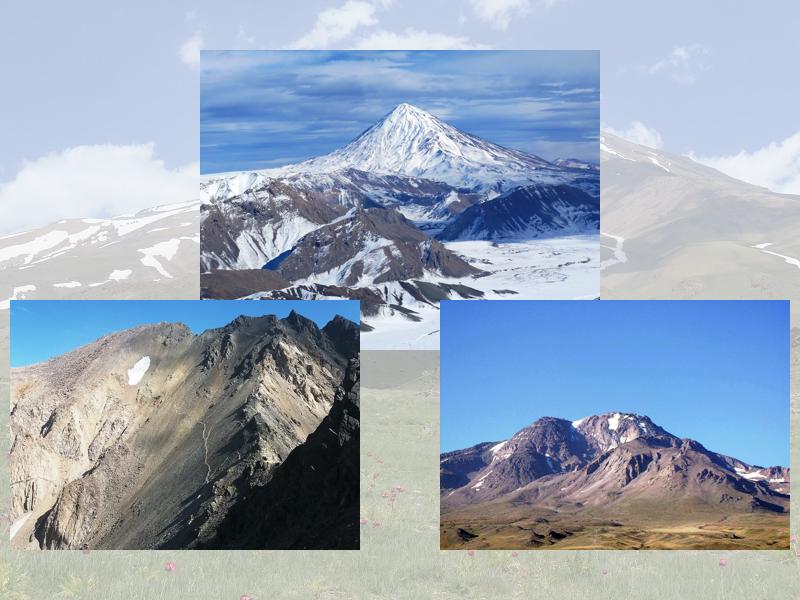
15-Day Trekking Damavand , Alamkuh , Sabalan
From 1400$
See Details
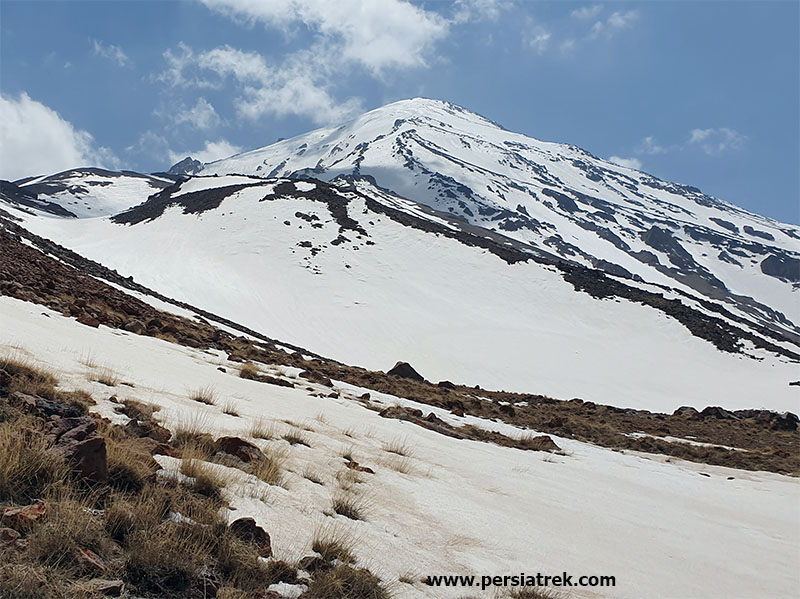
6-Day Trekking Damavand Northeast Route
From 700$
See Details
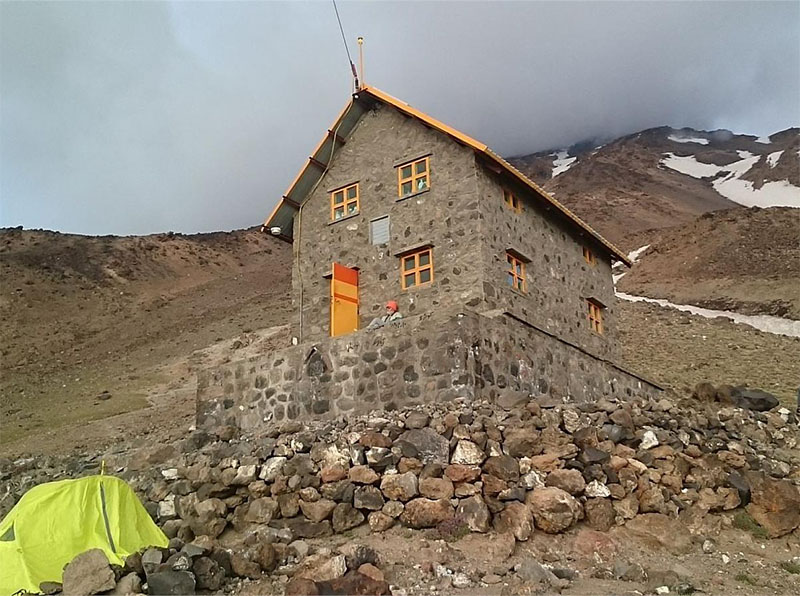
6-Day Trekking Damavand West Route
From 650$
See Details
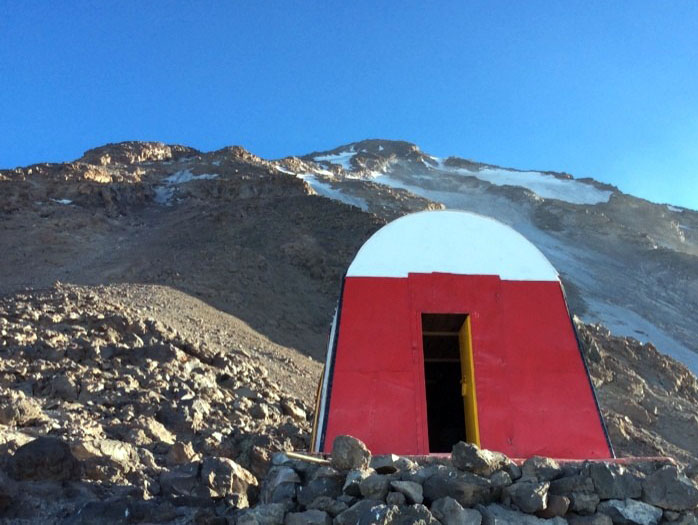
6-Day Trekking Damavand North Route
From 750$
See Details
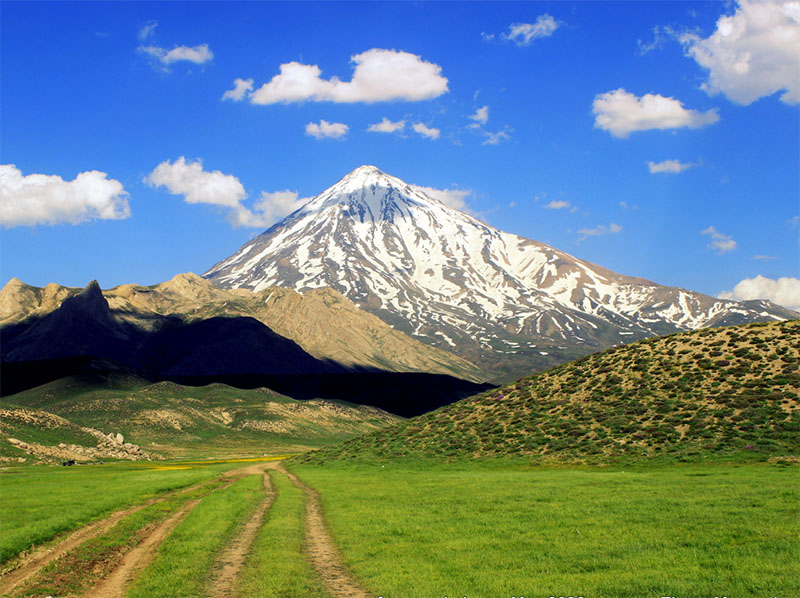
6-Day Trekking Damavand Northwest Route
From 800$
See Details

Mount Damavand History

Damavand Volcanic Crater
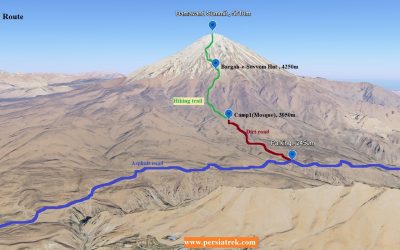
Руководство по восхождению на гору Дамаванд
Mount Damavand Climbing Guide
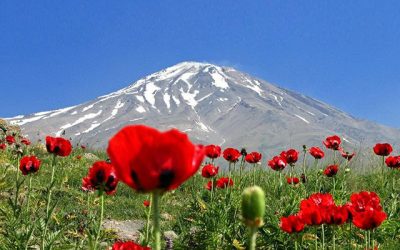
Mount Damavand Trekking Guide
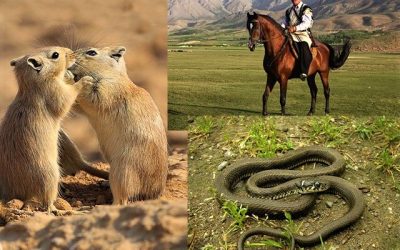
Damavand’s Flora and Fauna
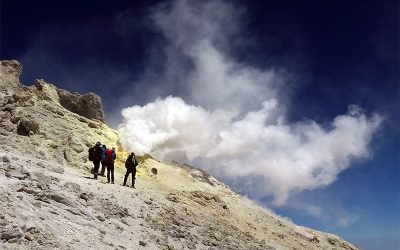
Damavand Sulfur Hill
Damavand Hot Water Springs
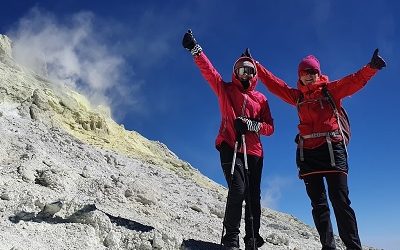
Damavand packing list
Train for climbing mount Damavand
How hard is it to climb Damavand?
volcanic seven summits challenge
Mount Damavand Photo Gallery