+98 912 272 2656 info@persiatrek.com
Damavand Hot Water Springs

Damavand Hot Water Springs

Damavand Hot Water Springs: A Natural Oasis for Healing and Relaxation


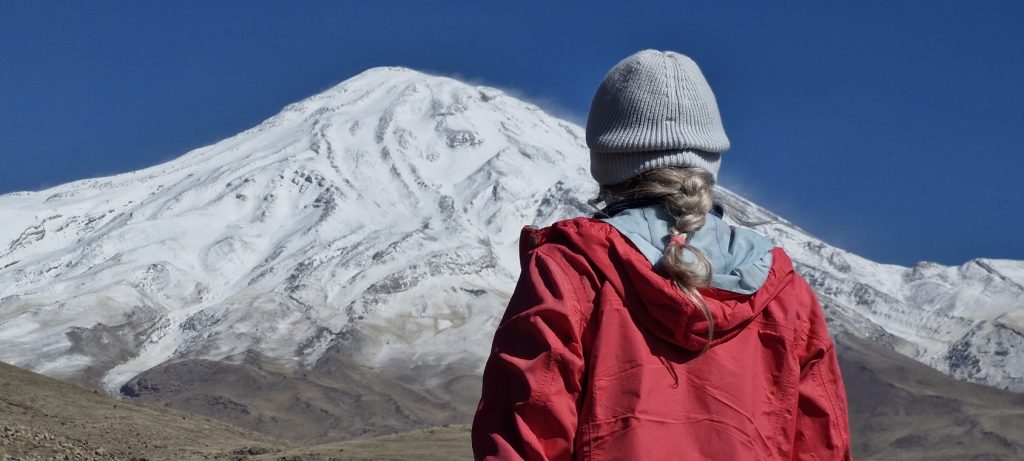
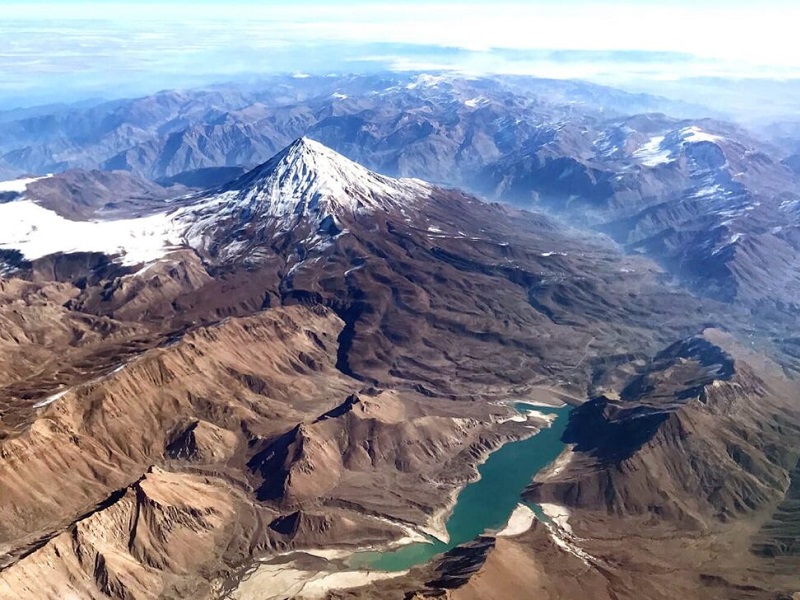
Mount Damavand, towering at 5,610 meters, is not only the tallest peak in Iran and the Middle East but also an active volcano. This volcanic activity has given rise to several natural hot springs in the area, making Damavand Hot Water Springs a popular destination for both adventure seekers and wellness enthusiasts. The hot springs offer a perfect way to relax, unwind, and heal, especially after a challenging trek up the iconic mountain.

Damavand Hot Water Springs

What Are Hot Water Springs?

Hot water springs are natural water sources that have a temperature higher than that of the surrounding environment. The water from these springs often contains a variety of minerals and salts, as it travels deep underground before rising to the surface. These springs have long been valued for their therapeutic properties, providing relief from physical and mental ailments.

Why Are the Damavand Hot Water Springs Special?

The Damavand Hot Water Springs owe their existence to the volcanic activity of Mount Damavand and the unique geological conditions of the surrounding Alborz mountain range. As hot water rises under pressure from deep underground, it carries dissolved gases and minerals, giving it distinctive healing qualities.

Located near the base of Mount Damavand, these springs are not just picturesque but also offer many health benefits. The area is home to several springs, each with its own unique mineral composition and therapeutic effects.
Damavand Hot Water Springs

Larijan Village: The Gateway to Damavand Hot Water Springs

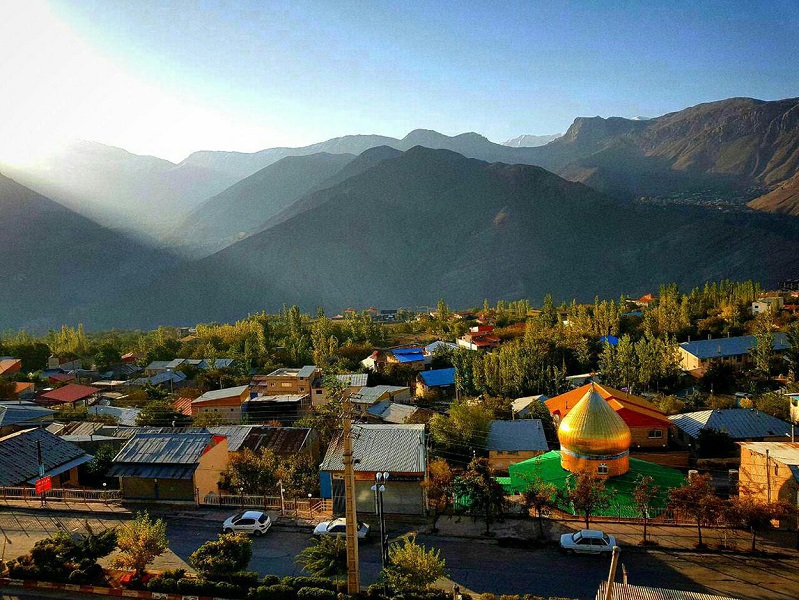
Larijan Village, located just 60 km northeast of Tehran and 26 km from Mount Damavand, is a well-known hub for hot springs. The village is surrounded by rivers, lush landscapes, and multiple natural springs, making it a must-visit destination for those seeking relaxation and healing.

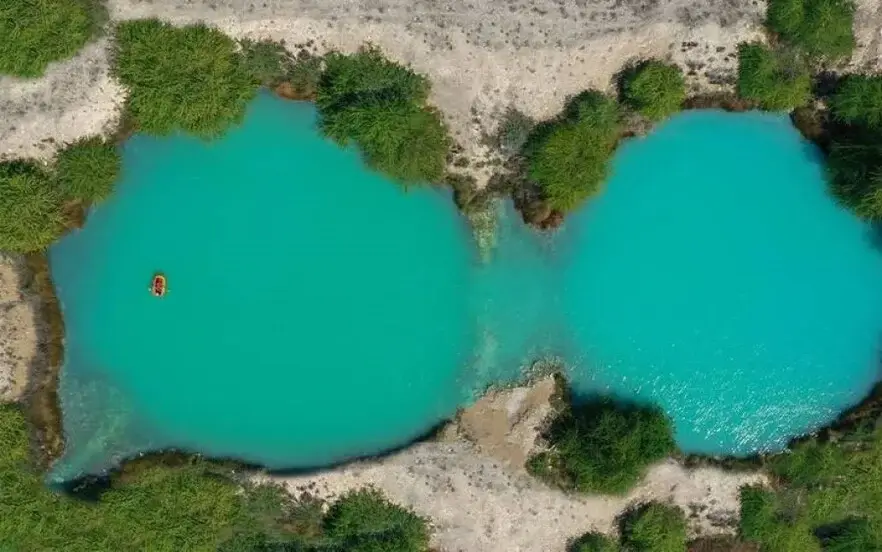
The hot springs here flow at a remarkable rate of 1,000 liters per minute, with water temperatures ranging from 65°C to 70°C. The mineral-rich waters are crystal clear and offer a range of health benefits. The distinct smell, often compared to rotten eggs, comes from hydrogen sulfide, a natural byproduct of volcanic activity.

Health Benefits of Larijan’s Hot Springs

The waters of the Damavand Hot Water Springs in Larijan are known for their healing properties. Some of the key benefits include:

  • Skin Health: The mineral-rich waters can help improve various skin conditions such as eczema, acne, and scars.
  • Muscle and Joint Relief: Soaking in the hot springs can ease muscle pain, joint stiffness, and even rheumatism.
  • Respiratory Benefits: The warm vapors from the springs help clear sinuses and relieve respiratory issues like asthma and bronchitis.
  • Stress Relief: The calming effects of the springs can reduce stress, anxiety, and promote overall mental well-being.


Private Pools for a Unique Experience

In Larijan Village, many local residents have created private hot spring pools in their homes. These pools are available for rent, providing a quiet and intimate way to enjoy the therapeutic waters. Most of these pools are small, ideal for 4-5 people, though larger options are available for bigger groups.

Two of the most popular hot springs in the area are Ab-e-Ask and Esterabkooh. Both offer relaxing experiences, with clear, warm waters and mineral content that adds to their healing power.
After Your Trek: Soak in the Damavand Thermal Springs

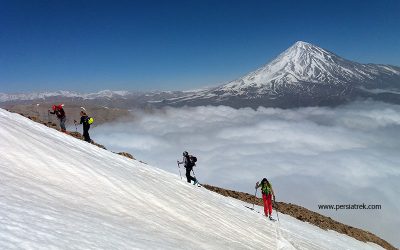
Climbing Mount Damavand can be an intense and exhausting experience. After a long trek to the summit, nothing beats the relaxation of soaking in the Damavand Hot Water Springs. The warm waters help ease muscle tension, relieve cramps, and rejuvenate the body, making it the perfect way to unwind after a challenging climb.

Many climbers choose to visit the hot springs as part of their recovery routine, followed by a delicious meal of Larijan lamb kebab—a local specialty. Afterward, a restful night’s sleep is the ideal way to prepare for the next day’s adventures.

Tips for Visiting Damavand Hot Water Springs

  1. Best Time to Visit: The best time to visit the Damavand Hot Water Springs is from late spring to early autumn when the weather is warmer. However, the springs are open year-round and offer a beautiful winter experience, with Mount Damavand’s snow-capped peak as the backdrop.
  2. How to Get There: Larijan Village is about 1.5 to 2 hours by car from Tehran. Visitors can combine their trek to Damavand with a relaxing trip to the hot springs afterward.
  3. What to Bring: Remember to bring comfortable clothing, a swimsuit, and a towel for your visit. A camera is also a must to capture the stunning landscapes around you.
  4. Respect Local Etiquette: Many of the hot spring pools are private, so it’s a good idea to book in advance and check availability. Be respectful of the local customs and keep the area clean during your visit.

Why You Should Visit Damavand Hot Water Springs

Whether you’re a seasoned mountaineer or a traveler looking to experience the healing power of nature, the Damavand Hot Water Springs in Larijan Village offer a perfect escape. The combination of natural beauty, therapeutic waters, and rich local culture make it a unique and rewarding experience. After a day of adventure or simply to relax, a soak in these mineral-rich springs will leave you feeling rejuvenated, refreshed, and ready for the next leg of your journey.
Iran Travel Guide

Iran Travel Guide

Iran Travel Guide: A Comprehensive Journey Through the Land of Wonders


Introduction: Why Visit Iran?

Iran is a country steeped in history, adorned with breathtaking natural landscapes, and enriched by a culture of unparalleled warmth and hospitality. Despite being home to incredible UNESCO World Heritage Sites, vibrant cities, and stunning natural attractions, Iran remains an underrated destination due to lingering misconceptions.

This Iran Travel Guide will dispel these myths, introduce you to the country’s diverse attractions, and help you plan a journey filled with unforgettable experiences. Whether you’re an adventure seeker, history buff, or food lover, Iran has something extraordinary to offer.


Five Myths About Iran: Separating Fact From Fiction

1. “Iran Is Unsafe for Tourists”

The Misconception: Concerns about safety due to political tensions often dissuade potential visitors.
The Reality: Travelers who venture to Iran describe it as one of the safest destinations they’ve ever visited. Violent crimes targeting tourists are extremely rare, and locals are renowned for their hospitality.

Why Visit?

In Iran, you’ll walk through lively bazaars, hike serene mountain trails, and explore historical sites without fear. The country’s safety combined with the warmth of its people ensures a worry-free and enriching travel experience.


2. “Iranians Are Hostile to Foreigners”

The Misconception: Political conflicts have led to the false belief that Iranians are unwelcoming to outsiders.
The Reality: Iranian hospitality is legendary. The cultural tradition of ta’arof—a code of politeness—encourages acts of kindness, ensuring visitors are treated with utmost respect.

Why Visit?

Prepare for moments of genuine connection, whether it’s being invited to a family dinner, offered a cup of tea, or simply engaging in a heartfelt conversation. For many, these interactions become the most cherished memories of their trip.


3. “Iran Is Just a Desert”

The Misconception: A common stereotype paints Iran as a barren land devoid of natural diversity.
The Reality: Iran’s geography is astonishingly diverse. From lush forests and snowy peaks to serene coastlines and sprawling deserts, the country offers something for every nature enthusiast.

Why Visit?

Marvel at Mount Damavand’s snow-capped beauty, trek through the ancient Hyrcanian forests, relax along the Caspian Sea, or immerse yourself in the surreal scenery of the Lut Desert—there’s no shortage of natural wonders to explore.


4. “Traveling to Iran Is Complicated”

The Misconception: Bureaucratic red tape and restrictions deter many potential travelers.
The Reality: While some nationalities require visas, Iran has streamlined its processes through e-visas and visas on arrival for many visitors.

Why Visit?

With proper planning, navigating the visa process is straightforward. Once in Iran, you’ll find a well-connected transport system, modern accommodations, and hospitable locals eager to ensure you enjoy your journey.


5. “Iran Lacks Modern Amenities”

The Misconception: Some believe Iran is outdated and lacks basic modern conveniences.
The Reality: Iran seamlessly blends its ancient heritage with modern infrastructure. Cities like Tehran boast luxurious hotels, efficient metro systems, and ride-hailing apps like Snapp, ensuring a smooth travel experience.

Why Visit?

The juxtaposition of ancient mosques alongside bustling, contemporary urban life creates a dynamic and enriching experience.


Understanding Iran: Facts and First Impressions

Located in the heart of the Middle East, Iran spans diverse climates, cultures, and terrains. With over 80 million people, it boasts one of the world’s oldest civilizations, dating back over 7,000 years. Persian culture, art, and architecture have left an indelible mark on global history.


Essential Tips for Visiting Iran

  • Visa Requirements: Many nationalities can apply for an e-visa or get a visa on arrival. Check the latest requirements for your country before traveling.
  • Best Time to Visit: Spring (March to May) and autumn (September to November) offer the most pleasant weather.
  • Currency: The official currency is the Iranian Rial (IRR). Cash is preferred, as international credit cards are not widely accepted.
  • Language: Persian (Farsi) is the official language. Learning a few phrases like Salam (hello) and Motashakkeram (thank you) will go a long way.
  • Dress Code: Modest clothing is required, particularly for women, who should wear a headscarf and long, loose clothing in public.

Top Reasons to Visit Iran

1. A Rich History and Cultural Heritage

Iran is home to 26 UNESCO World Heritage Sites, each showcasing the grandeur of ancient Persia. Highlights include:

  • Persepolis: The ceremonial capital of the Achaemenid Empire, a must-visit for history enthusiasts.
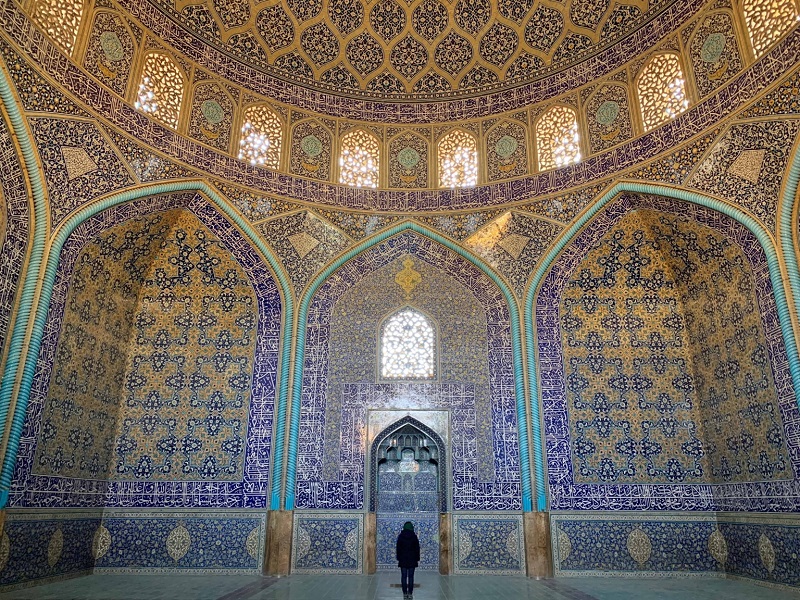
  • Isfahan: Known as “Half the World,” its Naqsh-e Jahan Square, Ali Qapu Palace, and Sheikh Lotfollah Mosque are architectural masterpieces.
  • Yazd: A city of wind towers, Zoroastrian fire temples, and intricate desert architecture.
  • Tabriz: The ancient Blue Mosque and Tabriz Grand Bazaar are key attractions.
  • Shiraz: A city of poetry and gardens, home to Persepolis and the Tomb of Hafez.

2. Stunning Natural Attractions

Iran’s diverse geography offers something for every traveler:

Mountains and Adventure

  • Mount Damavand: The highest peak in the Middle East, ideal for trekking and mountaineering.
  • Zagros Mountains: Great for hiking, exploring traditional villages, and connecting with nature.
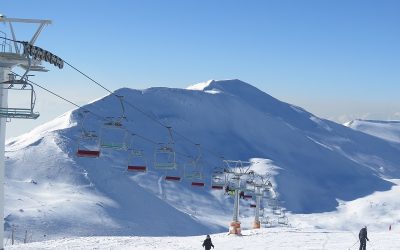
  • Ski Resorts: Ski at Dizin or Tochal, two of the best winter sports destinations in the region.

Forests and Green Spaces

  • Hyrcanian Forests: A UNESCO-listed ancient forest, perfect for hiking and wildlife spotting.
  • Caspian Sea Coast: Known for its lush landscapes and sandy beaches, ideal for relaxation.

Deserts and Unique Landscapes

  • Lut Desert: A UNESCO World Heritage Site with surreal sand dunes, salt flats, and unique rock formations.
  • Dasht-e Kavir: Known as the Great Salt Desert, featuring serene caravanserais and shimmering salt plains.

Islands and Beaches

  • Kish Island: A modern beach destination offering luxurious resorts and coral reefs.
  • Qeshm Island: Famous for its mangrove forests, Star Valley, and rich cultural heritage.

Natural Wonders

  • Ali Sadr Cave: The world’s largest water cave, offering tranquil boat tours.
  • Badab-e Surt: A terraced hot spring formation with vibrant orange and yellow hues.

3. Persian Cuisine: A Culinary Journey

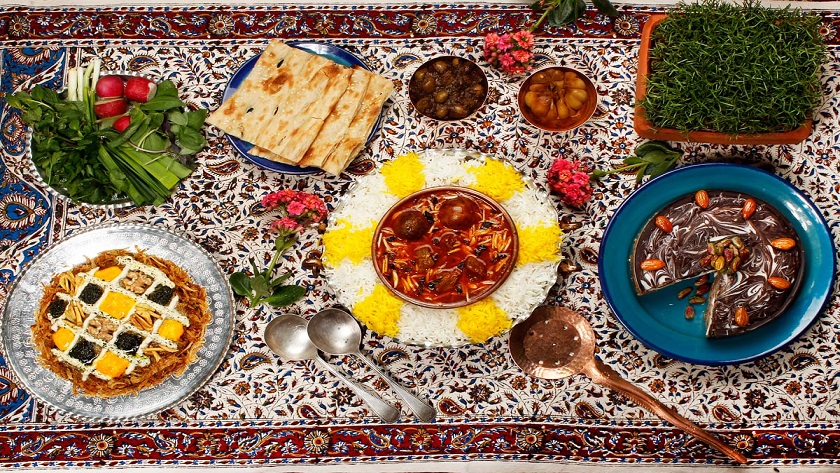
Iranian cuisine

Iranian food is a feast for the senses, offering flavors that are rich, aromatic, and deeply satisfying.

Must-Try Dishes:
  • Kebab: Juicy, marinated meat skewers served with saffron-infused rice.
  • Fesenjan: A flavorful pomegranate and walnut stew.
  • Tahdig: The crispy, golden layer of rice at the bottom of the pot.
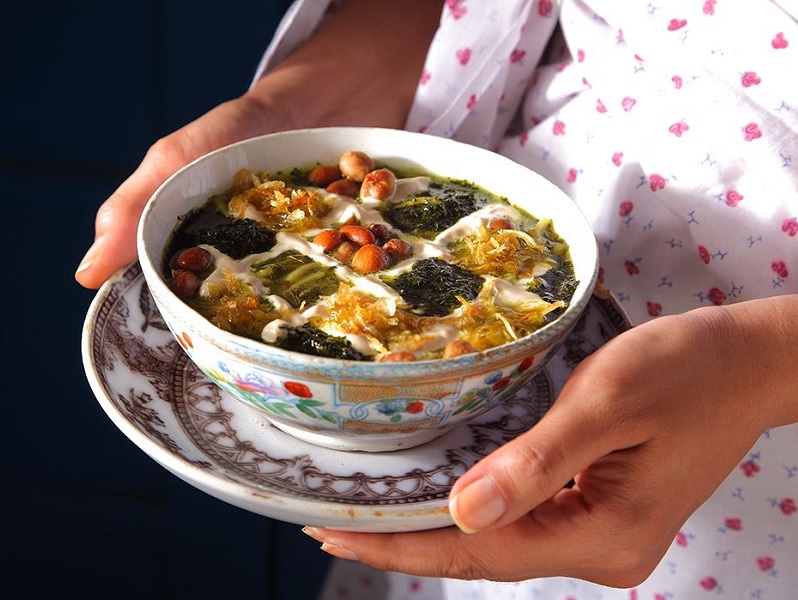
  • Ash Reshteh: A hearty noodle soup with beans, lentils, and greens.
  • Saffron Desserts: Try Sholeh Zard (saffron rice pudding) or Persian ice cream.
Foodie Experiences:
  • Explore traditional food markets like Tehran’s Grand Bazaar.
  • Join a Persian cooking class to learn how to prepare iconic dishes.
  • Dine with locals for a deeper cultural experience.

Activities and Experiences in Iran

Explore Historic Cities

  • Tehran: The bustling capital offers modern museums, historical sites like the Golestan Palace, and vibrant bazaars.
  • Isfahan: Walk across its iconic bridges and marvel at its stunning mosques.
  • Shiraz: Visit the gardens, mosques, and ancient ruins of Persepolis.

Adventure Sports

  • Trekking, rock climbing, and mountaineering in the Alborz and Zagros Mountains.
  • Skiing and snowboarding at high-altitude resorts.
  • Desert safaris in the Lut Desert, featuring camel rides and stargazing.

Cultural Immersion

  • Attend a traditional Persian music performance.
  • Visit a carpet workshop to see the art of weaving Persian rugs.
  • Experience Nowruz (Persian New Year) celebrations in March.

Relaxation and Wellness

  • Unwind in natural hot springs in regions like Sarein.
  • Enjoy a quiet retreat in the gardens of Shiraz or by the Caspian Sea.

Itinerary Ideas for Iran

1 Week in Iran:
  • Day 1-2: Tehran (Golestan Palace, National Museum).
  • Day 3-4: Isfahan (Naqsh-e Jahan Square, historic bridges).
  • Day 5-6: Shiraz (Persepolis, Nasir al-Mulk Mosque).
  • Day 7: Yazd (Zoroastrian sites, Old City).
2 Weeks in Iran:
  • Add trips to the Lut Desert, Caspian Sea coast, and Tabriz.

3 Weeks or More:

  • Include Qeshm and Kish islands, extended trekking in the mountains, and cultural experiences in smaller villages.

Practical Travel Tips for Iran

  • Transportation: Use domestic flights, trains, or buses for long-distance travel. Ride-hailing apps like Snapp are useful in cities.
  • Accommodation: From boutique hotels in historical buildings to eco-lodges and luxury resorts, Iran offers a wide range of options.
  • Connectivity: Buy a local SIM card for affordable mobile data. Wi-Fi is available in most hotels and cafés.

Final Thoughts: Why Iran Should Be on Your Travel List

Iran is a land where ancient history meets vibrant modernity,  stunning landscapes inspire awe, and the hospitality of its people leaves an everlasting impression. Whether you’re exploring the architectural wonders of Persepolis, trekking in the mountains, or savoring the flavors of Persian cuisine, Iran promises an unforgettable journey.

Break free from misconceptions, pack your bags, and embark on an adventure like no other. This Iran Travel Guide is your gateway to discovering the true essence of this remarkable country.

Top ten Iranian souvenirs

Top ten Iranian souvenirs

Top Ten Iranian Souvenirs: A Complete Guide for Travelers

Iran, a country with a rich cultural heritage and centuries of history, offers a unique variety of souvenirs that capture the essence of its diverse traditions, art, and craftsmanship. Whether you are exploring the vibrant bazaars of Tehran, Isfahan, or Shiraz, you will encounter numerous treasures to take home. In this guide, we’ll walk you through the top ten Iranian souvenirs, each with a deep connection to the country’s culture and history.

1. Persian Carpets and Rugs

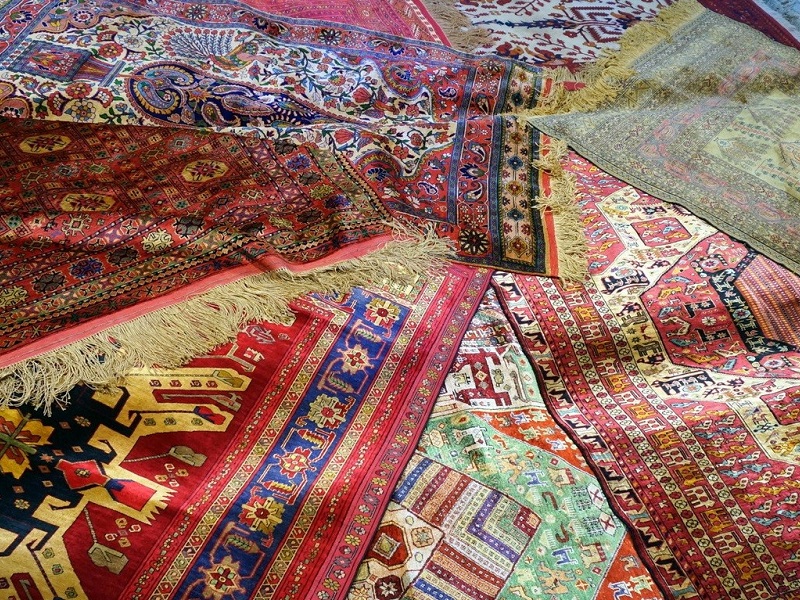
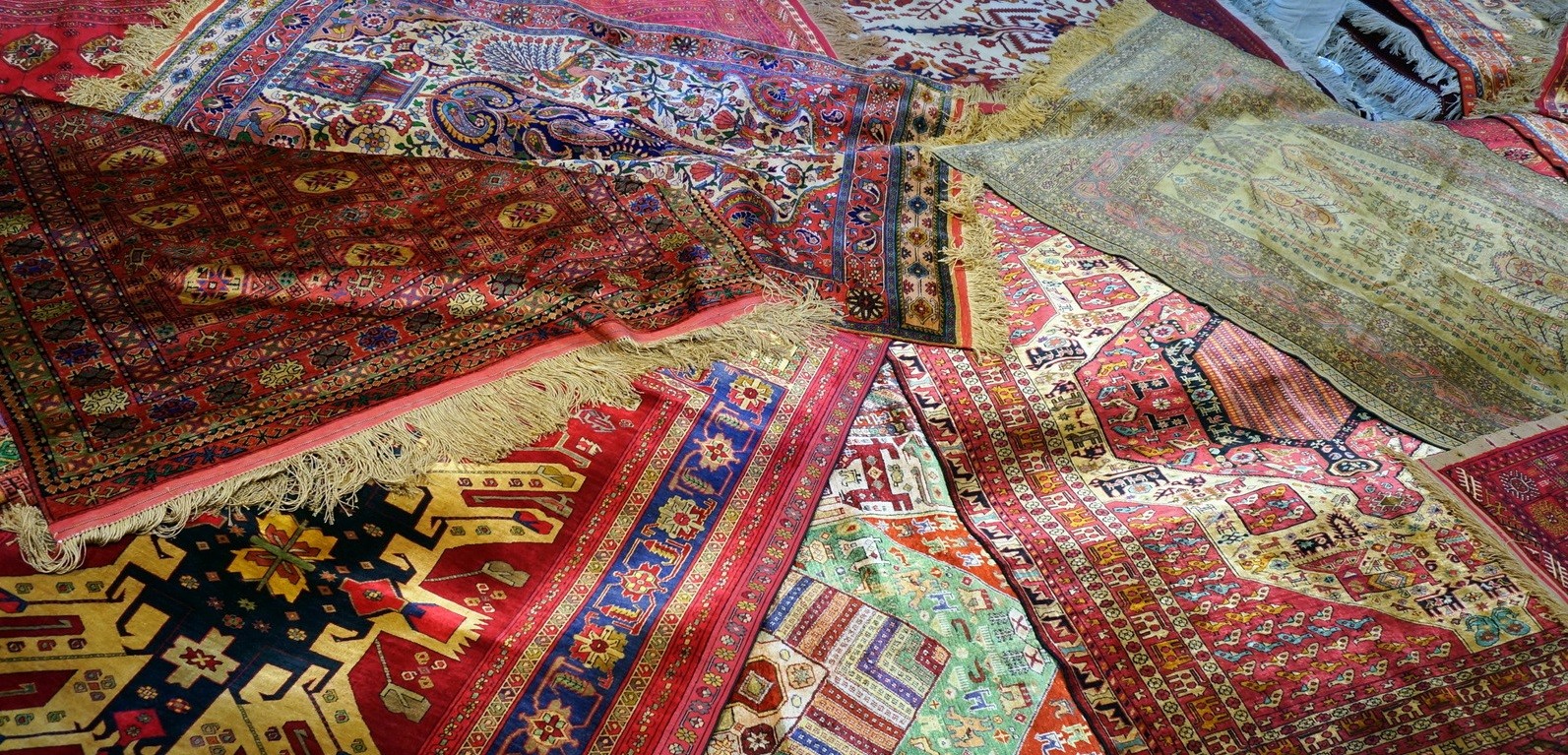
Persian carpets and rugs are among the most sought-after Iranian souvenirs. Renowned for their intricate designs, vibrant colors, and superior craftsmanship, these hand-woven masterpieces represent centuries of tradition and skill. Persian rugs are often made from silk or wool, and each region in Iran has its distinct style. Cities like Kashan, Qom, and Tabriz are famous for producing high-quality rugs.

Why Buy It:

  • Unique, long-lasting, and adds a touch of luxury to any home.
  • Each piece is a work of art, often taking months or even years to complete.

Tips:

  • Look for rugs with natural dyes and symmetrical knots.
  • Bargaining is common in Iranian bazaars, so don’t be afraid to negotiate the price.

Where to Buy:

  • Visit the Grand Bazaar of Tehran, Vakil Bazaar in Shiraz, or the bazaar in Isfahan.
  • Prices vary depending on size, material, and craftsmanship, ranging from $200 to several thousand dollars.

2. Saffron

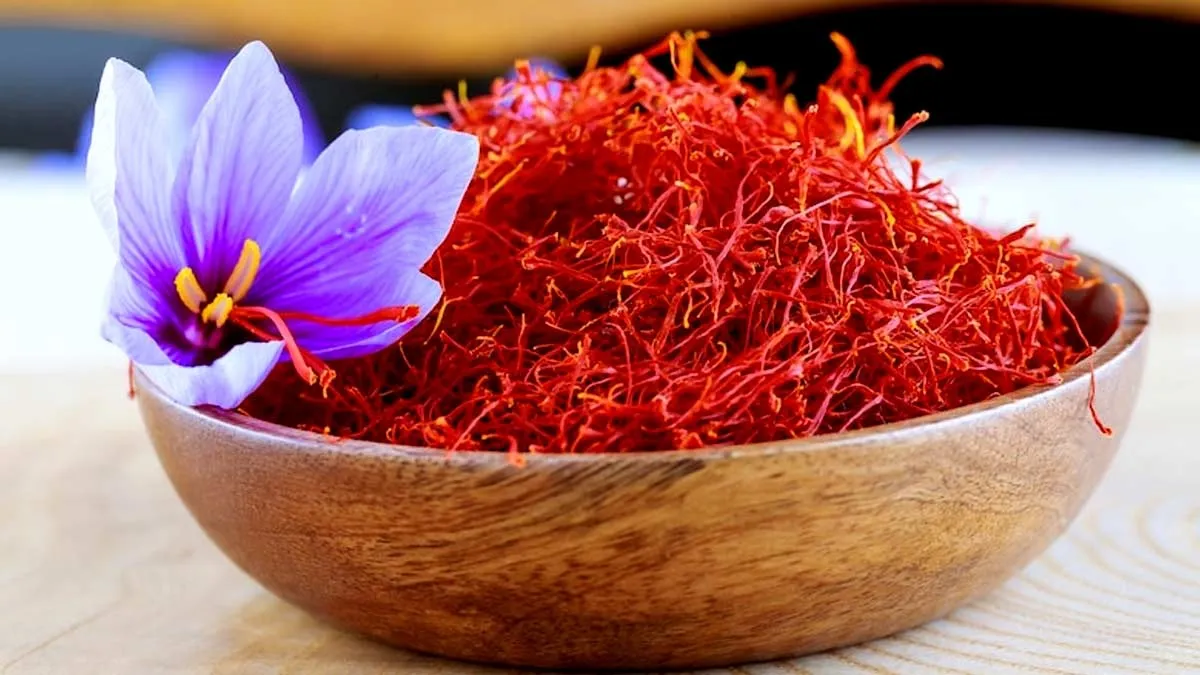
Known as “red gold,” Iranian saffron is considered the best in the world. Grown mainly in the Khorasan province, Iranian saffron is prized for its deep red color and strong aroma. Saffron is used in Persian cuisine to flavor and color dishes like rice, stews, and desserts.

Why Buy It:

  • High quality and much cheaper than in many other countries.
  • A perfect gift for food lovers.

Tips:

  • Choose saffron threads that are deep red with orange tips.
  • Avoid powdered saffron, as it may be mixed with lower-quality products.

Where to Buy:

  • Purchase saffron from reputable shops or directly from farmers in Mashhad.
  • Prices range from $3 to $6 per gram, depending on quality.

3. Pistachios and Other Nuts

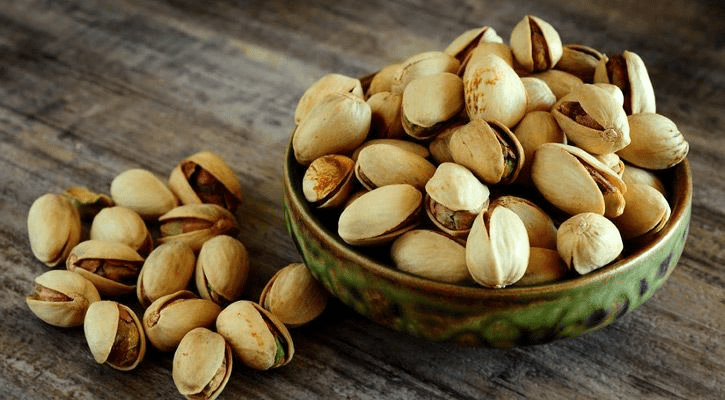
Iran is one of the largest producers of pistachios, and its nuts are known for their superior taste and quality. In addition to pistachios, you can find almonds, walnuts, and hazelnuts. Iranian dried fruits like dates, figs, and apricots are also popular.

Why Buy It:

  • Fresh, delicious, and available in various flavors.
  • Great as a healthy snack or as a gift.

Tips:

  • Buy from reputable stores or well-known bazaars to ensure freshness.
  • Try flavored pistachios, such as those coated in lemon or saffron.

Where to Buy:

  • Check out Tehran’s Tajrish Bazaar or the Vakil Bazaar in Shiraz.
  • Pistachios typically cost between $10 and $20 per kilogram, depending on the variety.

4. Miniature Paintings

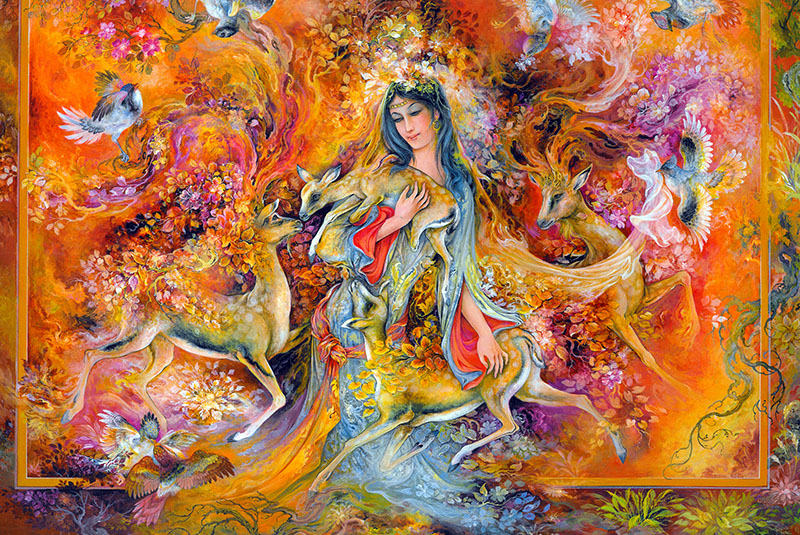
Iranian miniature paintings are delicate works of art that depict scenes from Persian mythology, history, and literature. These paintings are often done on camel bone, wood, or paper and require incredible attention to detail.

Why Buy It:

  • Beautiful and unique art pieces.
  • A great way to learn about Persian culture and storytelling.

Tips:

  • Look for paintings signed by the artist.
  • Ask about the story or theme depicted in the artwork.

Where to Buy:

  • Visit art galleries and bazaars in Isfahan, a hub for miniature painting.
  • Prices vary widely based on size and complexity, ranging from $50 to several hundred dollars.

5. Turquoise Jewelry

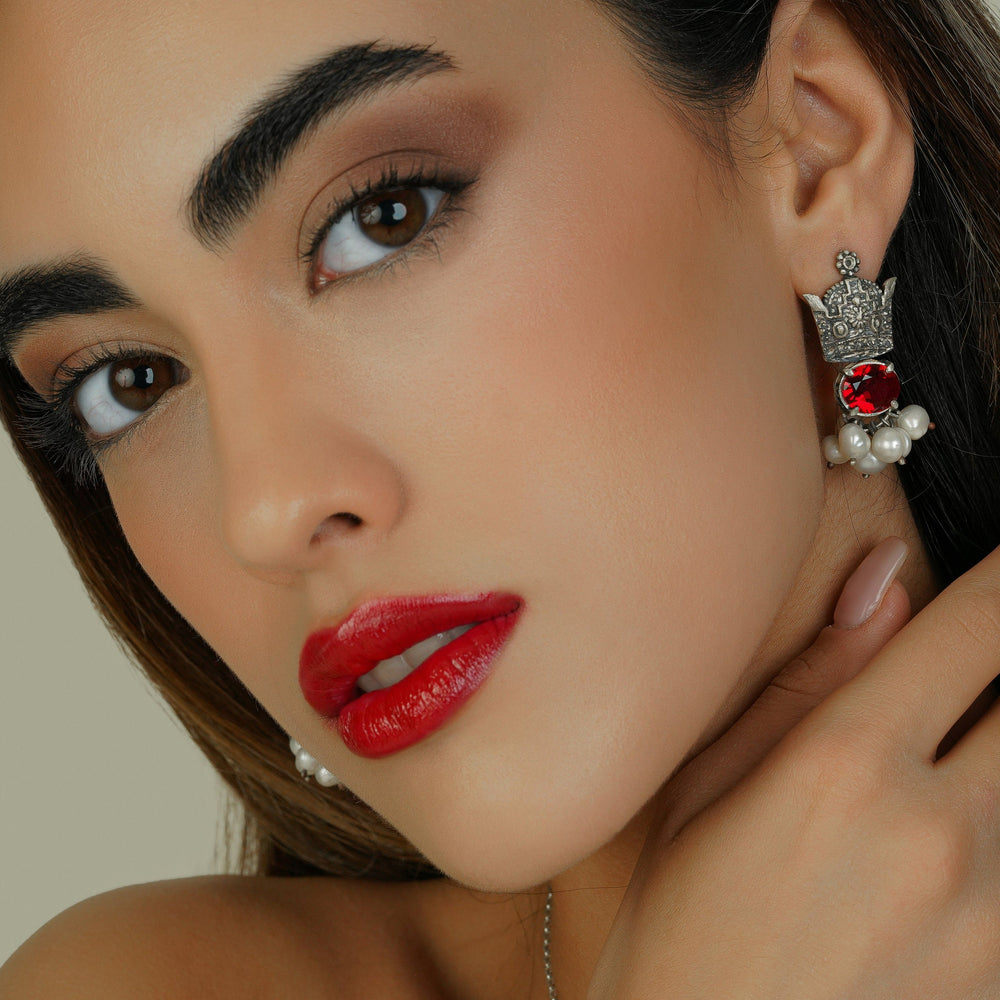
Iranian turquoise, especially from the Neyshabur mines, is famous for its vivid blue color. Turquoise is often set in silver jewelry and is believed to bring good luck and ward off negative energy.

Why Buy It:

  • Stunning and affordable compared to Western markets.
  • Perfect as a personal keepsake or gift.

Tips:

  • Ensure that the stone is genuine Neyshabur turquoise.
  • Check the craftsmanship of the silverwork.

Where to Buy:

  • Neyshabur and Mashhad are famous for authentic turquoise.
  • Prices for small turquoise rings start at around $30, while larger pieces may cost several hundred dollars.

6. Enamelware (Minakari)

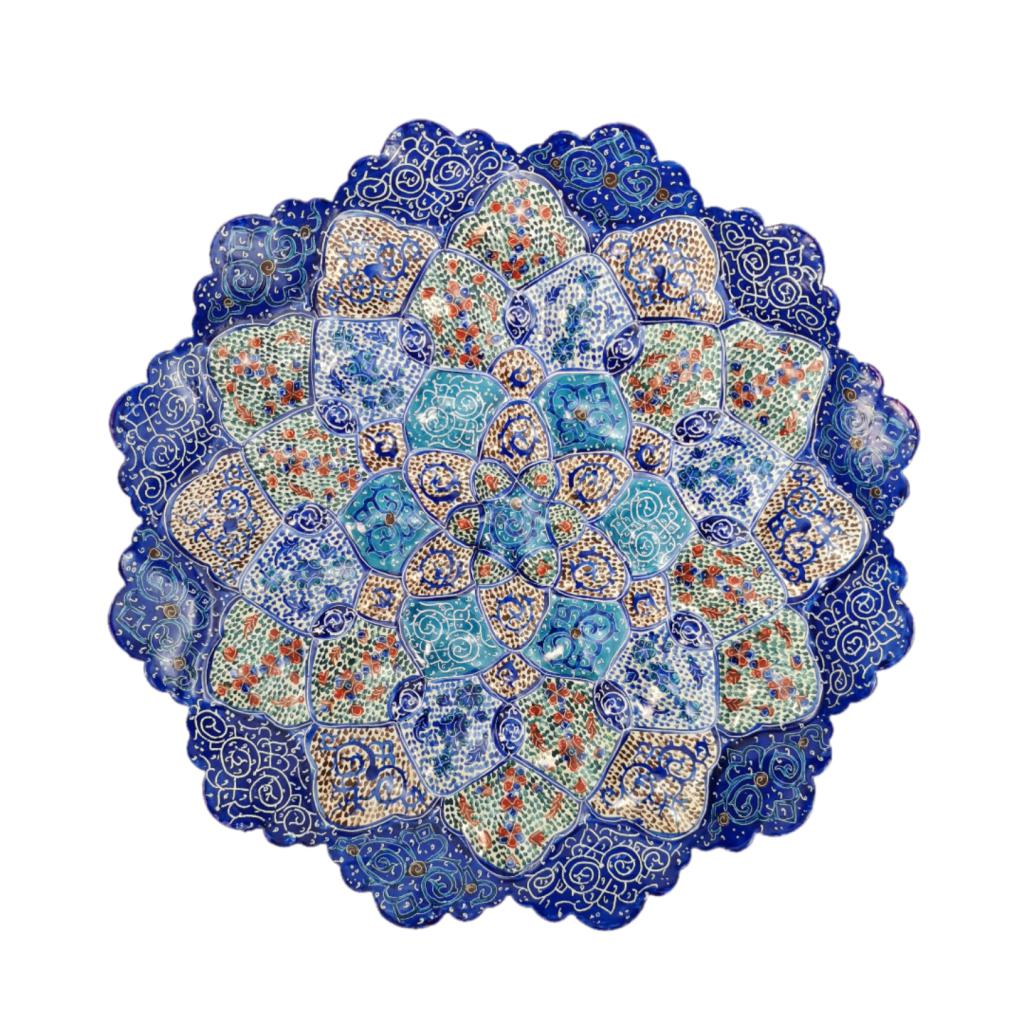
Minakari, or Persian enamelware, is a traditional craft where metal objects are decorated with colorful patterns. Enamel dishes, vases, and bowls from Isfahan are particularly popular.

Why Buy It:

  • Eye-catching and elegant home decor.
  • Represents centuries of Persian artistry.

Tips:

  • Look for fine, detailed patterns and smooth finishes.
  • Ensure the enamel surface is free from cracks.

Where to Buy:

  • Isfahan’s bazaars are the best place to buy Minakari.
  • Prices range from $20 for small items to over $200 for larger, more intricate pieces.

7. Persian Calligraphy

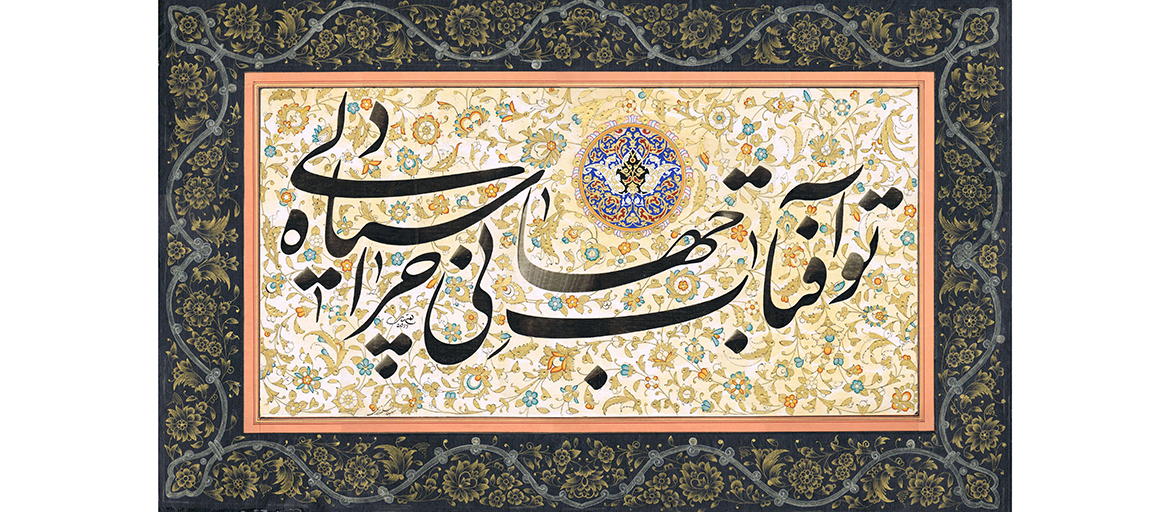
Persian calligraphy is a revered art form in Iran. You can find calligraphy on various items such as wall hangings, books, and decorative objects. The scripts often feature poetry by famous Persian poets like Hafez and Rumi.

Why Buy It:

  • Beautiful and meaningful art pieces.
  • A unique way to appreciate Persian literature.

Tips:

  • Choose pieces that resonate with you personally.
  • Ask for translations if you are unfamiliar with Persian.

Where to Buy:

  • Visit cultural shops and art galleries in Shiraz and Tehran.
  • Prices can start from $20 for simple pieces and go up to several hundred dollars for intricate works.

8. Rosewater and Herbal Distillates

Rosewater from Kashan is famous for its purity and fragrance. It is commonly used in Persian desserts, cosmetics, and traditional medicine. Additionally, herbal distillates made from mint, thyme, and other plants are popular for their health benefits.

Why Buy It:

  • High-quality and versatile product.
  • Ideal for cooking, skincare, or aromatherapy.

Tips:

  • Buy from trusted stores to ensure authenticity.
  • Check the label for the production date.

Where to Buy:

  • Kashan is the best place to buy rosewater directly from producers.
  • Prices range from $5 to $10 per liter, depending on purity.

9. Khatamkari (Inlaid Work)

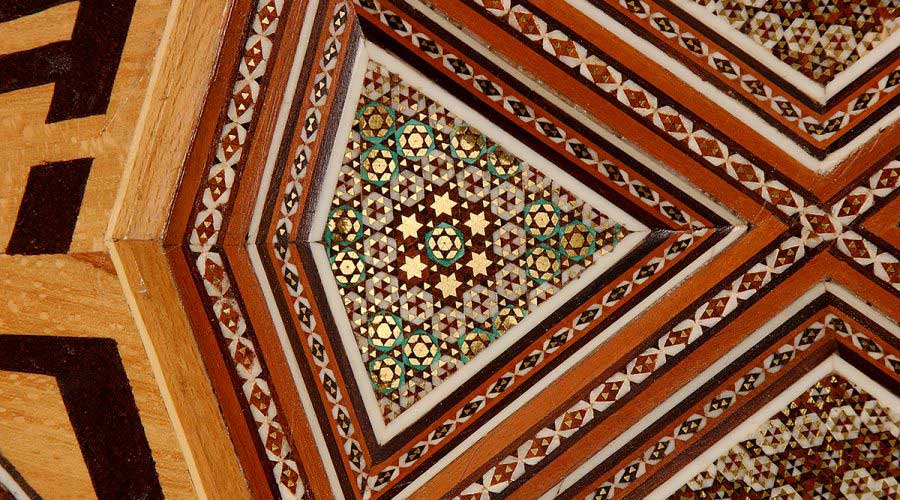
Khatamkari is a form of marquetry that involves decorating wooden surfaces with tiny pieces of metal, bone, and wood. The intricate geometric designs make Khatamkari boxes, chessboards, and photo frames unique gifts.

Why Buy It:

  • Exquisite craftsmanship and detailed patterns.
  • Suitable as a decorative or functional item.

Tips:

  • Inspect the inlay work closely for consistency and smoothness.
  • Ensure that the pieces are tightly fitted without gaps.

Where to Buy:

  • Isfahan is renowned for Khatamkari items.
  • Prices range from $30 to $300, depending on the size and intricacy of the piece.

10. Ceramics and Pottery

Iranian ceramics and pottery, especially from the city of Lalejin, are renowned for their beautiful glazes and intricate designs. You can find bowls, plates, and decorative items that showcase traditional Persian patterns.

Why Buy It:

  • Unique and hand-crafted items.
  • Adds a touch of Persian elegance to your home.

Tips:

  • Look for pieces with vibrant glazes and smooth finishes.
  • Handle with care, as pottery can be fragile.

Where to Buy:

  • Lalejin and Hamedan are famous for their pottery.
  • Prices range from $10 to $100, depending on size and craftsmanship.


Nowrouz in Iran: A Celebration of Renewal and Joy

Nowrouz in Iran: A Celebration of Renewal and Joy

Nowrouz in Iran: A Celebration of Renewal and Joy


Nowrouz, the Persian New Year, is an ancient celebration marking the arrival of spring and the vernal equinox. Deeply rooted in Iranian culture and Zoroastrian traditions, Nowrouz transcends religious and ethnic boundaries, uniting millions across Iran and beyond. This article delves into the history, customs, and significance of Nowrouz in Iran, highlighting why it remains one of the most cherished festivities in the region.

Nowrouz in Iran

The Origins of Nowrouz

Nowrouz, meaning “new day” in Persian, dates back over 3,000 years. The celebration has its origins in Zoroastrianism, the pre-Islamic religion of ancient Persia. Zoroastrians viewed the vernal equinox as a symbol of renewal, reflecting the eternal battle between light and darkness. The concept of celebrating rebirth and the triumph of good over evil is a cornerstone of Nowrouz.

Historical texts, including the Shahnameh—Ferdowsi’s epic poem—highlight the legendary figure of Jamshid, a mythical king credited with establishing Nowrouz. According to legend, Jamshid ascended to the throne and declared Nowrouz to mark his victory over darkness and evil forces.

When is Nowrouz Celebrated?

Nowrouz begins precisely at the moment of the vernal equinox, usually on March 20th or 21st. This marks the start of Farvardin, the first month of the Iranian solar calendar. The timing symbolizes a balance between day and night, aligning with themes of harmony and renewal.

Nowrouz in Iran

The Haft-Seen Table: A Symbolic Display

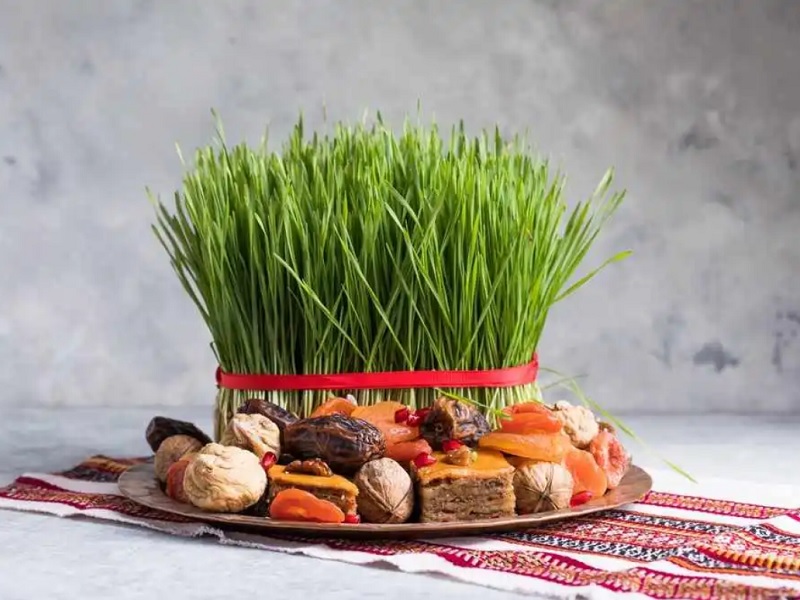
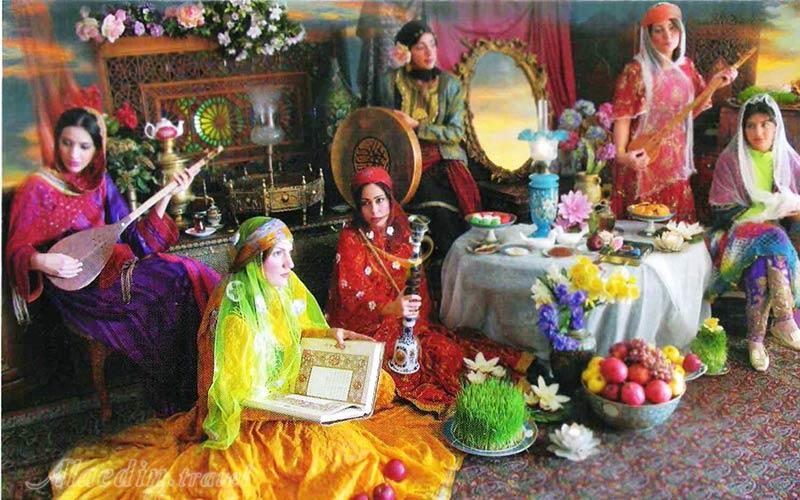
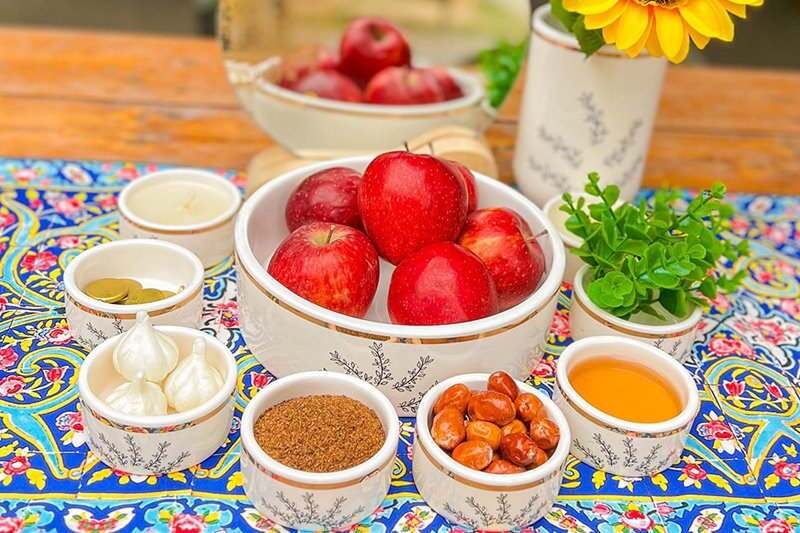
At the heart of Nowrouz celebrations is the Haft-Seen table, an arrangement of seven items whose names start with the Persian letter “S” (Seen). Each item carries profound symbolism:

  1. Sabzeh (Sprouted wheat or lentils): Represents rebirth and growth.
  2. Sib (Apple): Symbolizes health and beauty.
  3. Seer (Garlic): Denotes protection and medicine.
  4. Samanu (Sweet pudding): Stands for power and strength.
  5. Senjed (Dried oleaster fruit): Signifies love and wisdom.
  6. Somāq (Sumac): Represents the sunrise and patience.
  7. Serkeh (Vinegar): Embodies aging and patience.

The Haft-Seen table often includes other items such as a mirror (reflection), candles (light), painted eggs (fertility), goldfish (life), and hyacinth flowers (beauty). A book of poetry or the Quran is also placed to signify spirituality.

Pre-Nowrouz Traditions

Preparation for Nowrouz involves weeks of cleaning, organizing, and shopping. These activities symbolize clearing away negativity and making space for new beginnings.

Khaneh-Tekani: Spring Cleaning

Literally meaning “shaking the house,” Khaneh-Tekani is an integral pre-Nowrouz tradition. Families thoroughly clean their homes, discard unwanted items, and refurbish their living spaces. This ritual reflects a desire to start the new year with a clean slate.

Charshanbeh Suri: Festival of Fire

On the last Wednesday evening before Nowrouz, Iranians celebrate Charshanbeh Suri. Bonfires are lit, and people jump over the flames while chanting, “Zardi-ye man az toh, sorkhi-ye toh az man,” meaning “Take my yellowness, give me your redness.” This symbolizes purging misfortune and embracing health and vitality.

Nowrouz Festivities

Once the vernal equinox arrives, families gather around the Haft-Seen table to mark the exact moment of Nowrouz. The celebrations continue for 13 days, filled with visits, feasts, and cultural activities.

Visiting Family and Friends

Nowrouz emphasizes reconnecting with loved ones. The first few days are dedicated to visiting elders, followed by reciprocal visits. Hosts serve traditional sweets such as baklava, noghl (sugar-coated almonds), and tea to guests.

Traditional Nowrouz Cuisine

Food plays a central role in Nowrouz festivities. Some popular dishes include:

  • Sabzi Polo ba Mahi: Herb-infused rice served with fried fish, symbolizing prosperity and abundance.
  • Reshteh Polo: Rice mixed with noodles, signifying the unraveling of life’s complexities.
  • Ash-e Reshteh: A hearty soup with beans, herbs, and noodles, symbolizing good fortune.
  • Kuku Sabzi: A Persian herb frittata, representing growth and health.

Sizdah Bedar: Nature Day

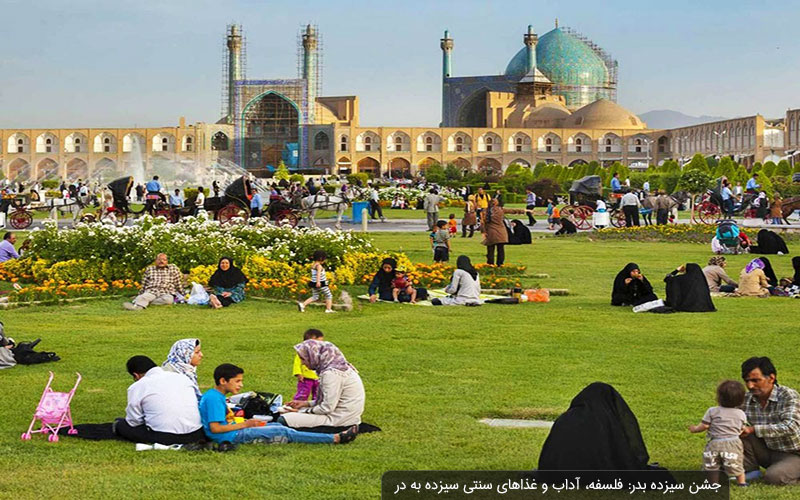
The 13th day of Nowrouz, Sizdah Bedar, is spent outdoors. Families enjoy picnics in parks or countryside settings, symbolizing a return to nature. The Sabzeh from the Haft-Seen table is thrown into running water, signifying the release of negativity and bad luck.

Nowrouz in Iran

Nowrouz Beyond Iran

Nowrouz is not exclusive to Iran. It is celebrated in many countries across Central Asia, the Caucasus, and the Middle East, including Afghanistan, Tajikistan, Uzbekistan, and parts of India. Each region adds its unique customs to the celebration, enriching the diversity of Nowrouz traditions worldwide.

The Spiritual and Cultural Significance of Nowrouz

Nowrouz is more than a celebration; it embodies values such as renewal, gratitude, and unity. It encourages individuals to reflect on their past, express gratitude for blessings, and set intentions for the future. The emphasis on family, hospitality, and cultural heritage strengthens bonds within communities.

Nowrouz in Modern Iran

In contemporary Iran, Nowrouz remains a cherished holiday. Despite societal changes and modernization, the festival’s core values persist. Schools and offices close for several days, and Iranians of all ages participate in the festivities.

Social media and technology have also influenced how Nowrouz is celebrated. People share Haft-Seen table photos, greetings, and memories online, spreading the joy of the season globally.

Challenges and Preservation of Nowrouz

While Nowrouz thrives as a cultural cornerstone, it faces challenges such as urbanization and time constraints in modern life. Efforts to preserve Nowrouz traditions include:

  • Educational Initiatives: Schools incorporate lessons on Nowrouz history and customs.
  • Community Events: Local organizations host Nowrouz-themed events and performances.
  • UNESCO Recognition: Nowrouz is recognized as an Intangible Cultural Heritage by UNESCO, underscoring its global importance.

Conclusion

Nowrouz in Iran is a vibrant celebration of life, renewal, and cultural heritage. From its ancient Zoroastrian roots to its modern-day expressions, Nowrouz brplease


Iranian Traditional Music

Iranian Traditional Music

Iranian Traditional Music and Instruments


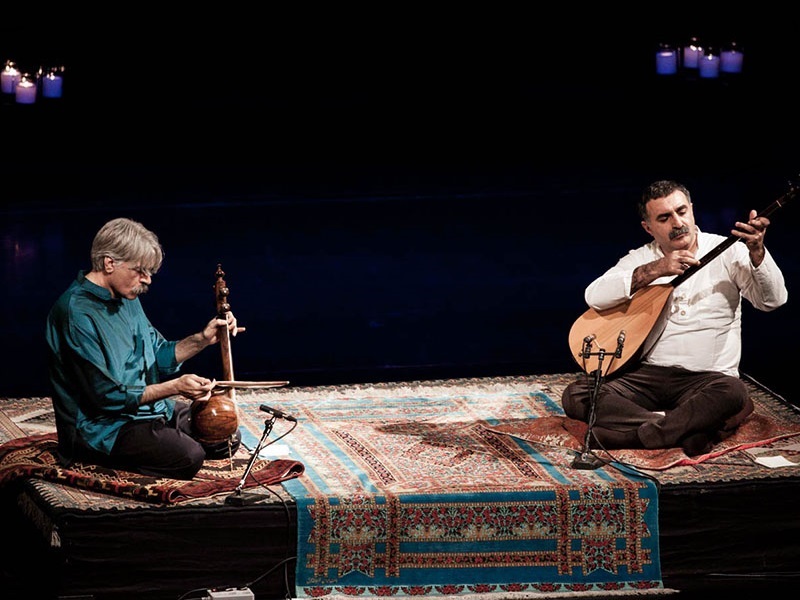
Music, an extraordinary creation of civilization, intertwines deeply with politics, culture, religion, and visual arts such as films. It expresses emotions through rhythm and sound, creating sensations that resonate universally. As Friedrich Nietzsche aptly said, “Without music, life would be a mistake.” Iranian Traditional Music exemplifies music’s profound cultural and historical significance.

irnanian traditional music


A Brief History of Iranian Traditional Music

The roots of Iranian Traditional Music, also known as “Dastgāhi” (دستگاه), stretch back thousands of years to Ancient Persia. Despite periods of bans and prohibitions, this rich musical tradition has endured and evolved. It has influenced and been influenced by neighboring regions such as Central Asia, Afghanistan, and Turkey.

Iran’s classical music, with its modal systems and lyrical traditions, thrived during the Sassanid Era. Renowned musicians like Barbod, Nakisa, and Ramtin contributed significantly during the reigns of Khosrow Parviz and Bahram V. Today, the “Radif,” a collection of traditional music, holds recognition as UNESCO Intangible Cultural Heritage.


The Dastgah System

Iranian Traditional Music categorizes into seven “Dastgahs,” each designed to evoke specific emotions and sensations. These modal systems form the foundation of Iran’s folk and classical compositions, connecting listeners to the country’s rich cultural tapestry.


Iranian Musical Instruments

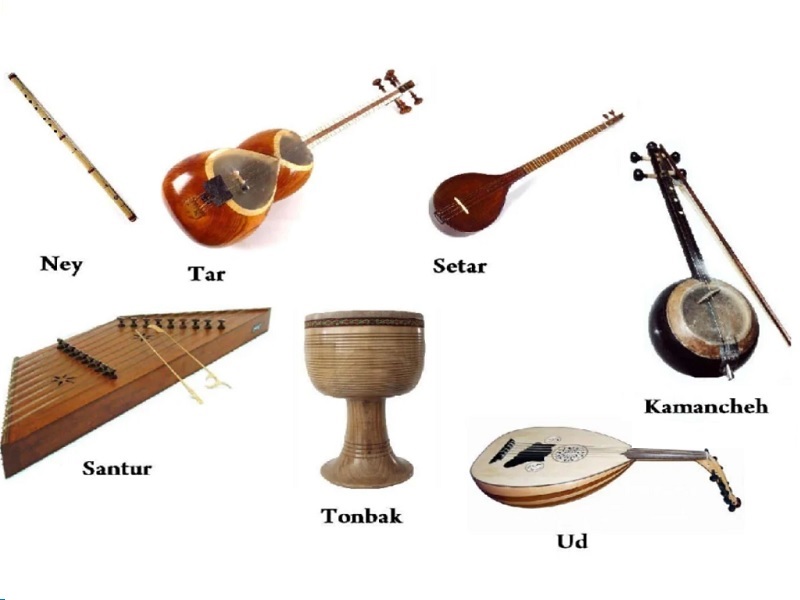
Iran’s traditional instruments are as diverse as its music. Crafted from materials such as wood, metal, and clay, they fall into three main categories: wind, string, and percussion instruments.

String Instruments

inanian traditional music

  • Tar: A prominent string instrument played with a pluck, popular across Iran and neighboring regions. The modern version, featuring six strings, originated with the musician Darvish Khan. UNESCO recognizes the “Azerbaijan Tar,” though its origins remain deeply Iranian.


  • Setar: Known for its soft, soulful sound, the Setar is played with the index finger’s nail. Associated with Sufi traditions, it represents introspection and solitude.


  • Santur: This isosceles triangle-shaped instrument, struck with wooden mallets, ranks among the oldest Iranian instruments.


  • Tanbur: Spanning over 6,000 years of history, the Tanbur holds spiritual significance and uses mulberry wood.


  • Dutar: A two-stringed instrument with a rich history, it remains popular in northern Khorasan and Mazandaran.


  • Oud (Barbat): As a precursor to the European lute, the Oud stands out for its deep, resonant sound.


  • Qanun: Trapezoid-shaped and played with index fingers equipped with plucks, the Qanun’s roots are debated but firmly linked to the region.


  • Kamancheh: A bowed instrument held vertically, it features in UNESCO’s Intangible Cultural Heritage list.


  • Ghaychak: Similar to the Kamancheh, it prevails in southeastern Iran and northern Afghanistan.


  • Rubab: Known as “Ravaveh” in Persian, this ancient instrument with six strings appears in Iran’s petroglyphs.

Wind Instruments

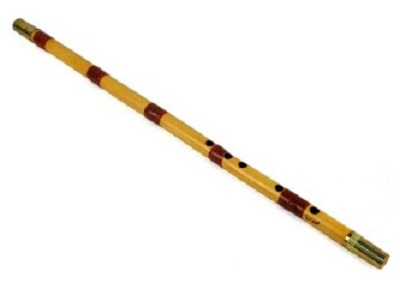
  • Ney: A straw-based instrument famous for its haunting, melodic tones.

iranian traditional music

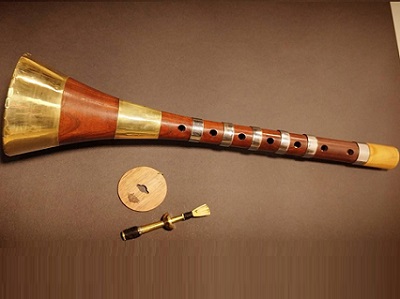
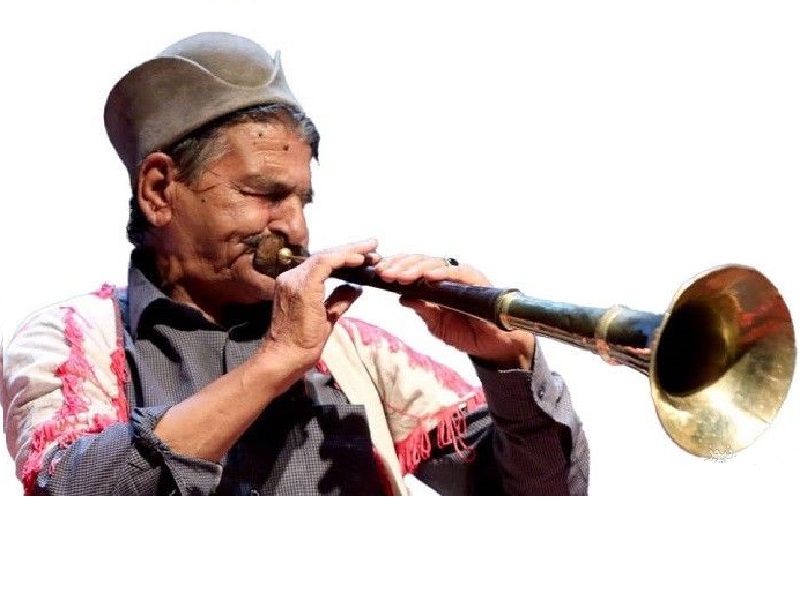
  • Sorna: Often paired with the Dohol drum during ceremonies and festivals.

  • Korna: An ancient wind instrument tracing back to the Achaemenid Era.

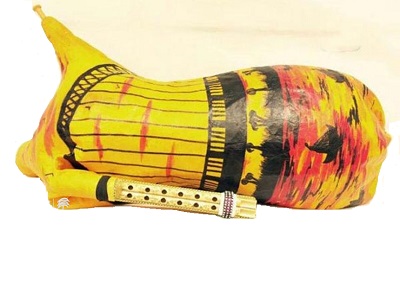
  • Bagpipes (Ney Anban): A southern Iranian favorite awaiting inclusion in UNESCO’s World Heritage List.

Percussion Instruments

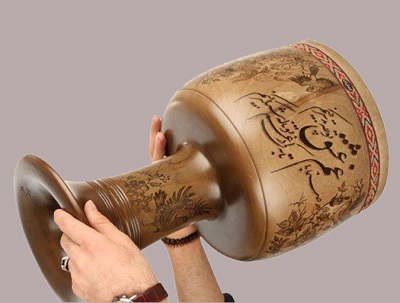
  • Tombak: Also known as “Zarb,” this goblet drum defines Iranian rhythm.

iranian traditional music

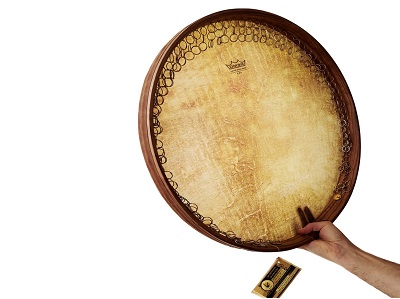
  • Daf: A large frame drum integral to religious and traditional ceremonies.
  • Dayereh: Similar to the Daf but smaller, this instrument produces a distinctive sound.

iranian traditional music

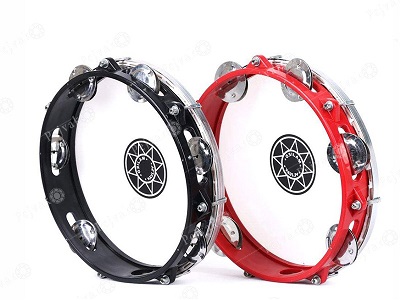
  • Timbrel (Dayereh Zangi): Enhanced with small metallic discs, it’s a festive favorite.

iranian traditional music


Significance of Iranian Traditional Music

Iranian Traditional Music embodies the nation’s soul, serving as more than an art form. From joyous celebrations to introspective spiritual gatherings, it plays an integral role in the lives of Iranians. This music, with its evocative melodies and intricate instruments, continues captivating audiences worldwide, ensuring its legacy endures for generations.


iranian traditional music


For anyone seeking to immerse themselves in the wonders of Iranian Traditional Music, exploring its instruments and listening to its profound compositions offers an unforgettable journey into a rich cultural heritage.


Iranian Hospitality : Rules for Hosts and Guests to Follow

Iranian Hospitality: A Guide for Hosts and Guests


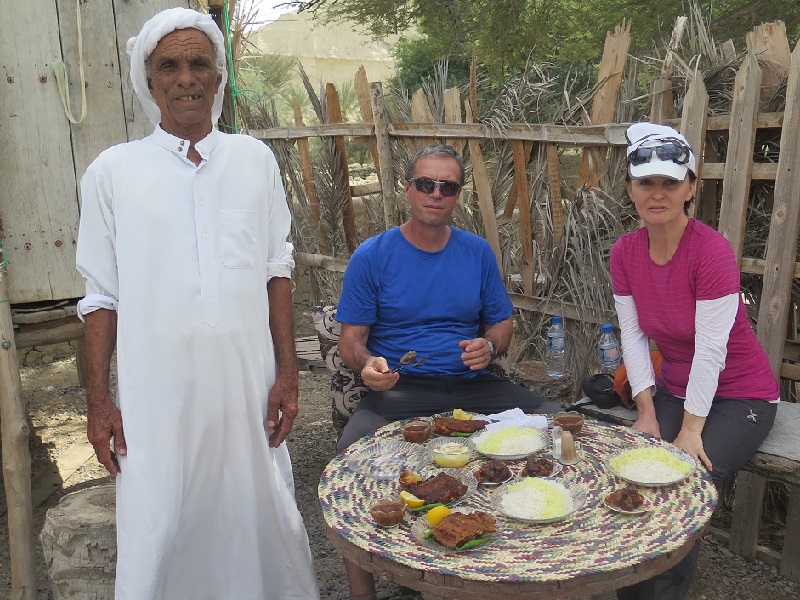
Iranian hospitality is world-renowned for its warmth, generosity, and cultural richness. For travelers eager to experience this tradition firsthand, visiting an Iranian family’s home offers a unique glimpse into their customs and values. Whether you’re a host welcoming guests or a visitor enjoying an Iranian gathering, understanding the cultural rules of hospitality is essential. This guide explains the key principles of Iranian hospitality for both hosts and guests, ensuring a memorable and respectful experience.


Rules for Hosts in Iranian hospitality

Being a gracious host is a cornerstone of Iranian culture. Here are the essential rules to follow:

1. Caring for Guests’ Preferences and Diets

A thoughtful host considers guests’ tastes and dietary restrictions. Before the gathering, inquire about preferred dishes to ensure everyone feels comfortable and included. If meeting specific requests isn’t feasible, express your regret politely.

2. Timely Meal Service

Serve meals promptly after guests arrive, especially if they’ve traveled a long distance. A timely meal helps guests relax and enjoy the rest of the gathering without hunger or fatigue.

3. Offer Food Without Asking About Hunger

It’s common in Iranian hospitality to serve food without directly asking guests if they’re hungry. Some guests may feel shy and decline food, even if they’re hungry. Offering food generously ensures everyone feels welcome.

4. Eating Together

Hosts should join guests at the table and stay until everyone finishes. Leaving early or letting guests eat alone can make them feel uncomfortable. Balance the amount of food served to avoid waste or inadequacy, as both are considered impolite.

5. Respecting Guests

Respect is central to Iranian hospitality. Avoid criticizing guests, staring during meals, or commenting on their eating habits, as these actions can cause discomfort.

6. Being Ready for Unexpected Guests

Iranian hosts are often prepared for impromptu visits. Keeping some essentials on hand, like tea, snacks, or quick meals, ensures you can warmly welcome unexpected guests without stress.

Additional Tips for Hosts:

  • Discuss topics your guests find enjoyable.
  • Avoid complaining about personal problems.
  • Listen attentively and avoid interrupting.
  • Stay composed even if the conversation doesn’t interest you.
  • Never insult family members in front of guests.


Rules for Guests in Iranian hospitality

As a guest, showing respect for your host’s efforts and observing cultural norms are key. Here’s how to embrace Iranian hospitality as a visitor:

1. Notify the Host in Advance

Give your host a few days’ notice before visiting. This allows them to prepare a proper gathering and prevents any last-minute stress or embarrassment.

2. Be Punctual

In Iranian culture, punctuality reflects respect. Arriving late may inconvenience the host, while arriving too early might catch them unprepared. Aim to arrive at the agreed time.

3. Sit Where You’re Directed

Upon entering the host’s home, sit where they guide you. This small act of politeness ensures the host’s seating arrangements accommodate everyone comfortably.

4. Respect the Host’s Privacy

Even if invited to explore the home, only enter rooms with permission. Avoid opening drawers or closets, as doing so is considered intrusive and disrespectful.

5. Avoid Unreasonable Requests

Hosts often go out of their way to serve the best food and drinks. Appreciate their efforts and avoid complaining about the menu or asking for alternatives.

6. Value Social Interaction Over Food

While meals are a highlight of Iranian gatherings, it’s important to focus on the social aspect. Treat the event as an opportunity to build connections and enjoy conversations rather than solely evaluating the food.

Iranian cuisine


Why Iranian Hospitality is Unique

Iranian hospitality is deeply rooted in tradition and a sense of community. Guests are treated with the utmost respect, and hosts go above and beyond to ensure their comfort. From offering tea the moment you arrive to making sure you never leave hungry, every detail reflects the warmth and generosity of Iranian culture.

By following these guidelines, both hosts and guests can contribute to meaningful and enjoyable gatherings. Whether you’re a visitor experiencing Iranian hospitality for the first time or a host sharing your culture, these customs foster a sense of mutual respect and connection.

Would you like to dive deeper into Iranian culture? Consider visiting a local family or joining a guided hospitality tour for an unforgettable experience!

Contact us to Organize your trip to Iran

× How can I help you?