+98 912 272 2656 info@persiatrek.com

Guide to Visiting Iranian Touristic Islands

Ultimate Guide to Visiting Iranian Touristic Islands

Things to Do, Activities, and Attractions OF Qeshm, Hormoz, and Kish Islands

Introduction to Iranian Touristic Islands

Iran is famous for its rich history, magnificent architecture, and breathtaking landscapes. However, beyond its deserts and mountains, Iran also boasts beautiful islands that remain hidden gems for many travelers. Among them, Iranian Touristic Islands : Qeshm, Hormoz, and Kish stand out as the top touristic destinations, each offering a unique blend of natural beauty, adventure, and cultural experiences.

Why Visit Iranian Touristic Islands : Qeshm, Hormoz, and Kish?

These three islands offer a diverse range of attractions for every type of traveler. Whether you’re a nature lover, a history enthusiast, or a beachgoer, you’ll find something to enjoy:

  • Qeshm – Known as the largest island in the Persian Gulf, Qeshm is famous for its unique geological formations, mangrove forests, and traditional lifestyle.
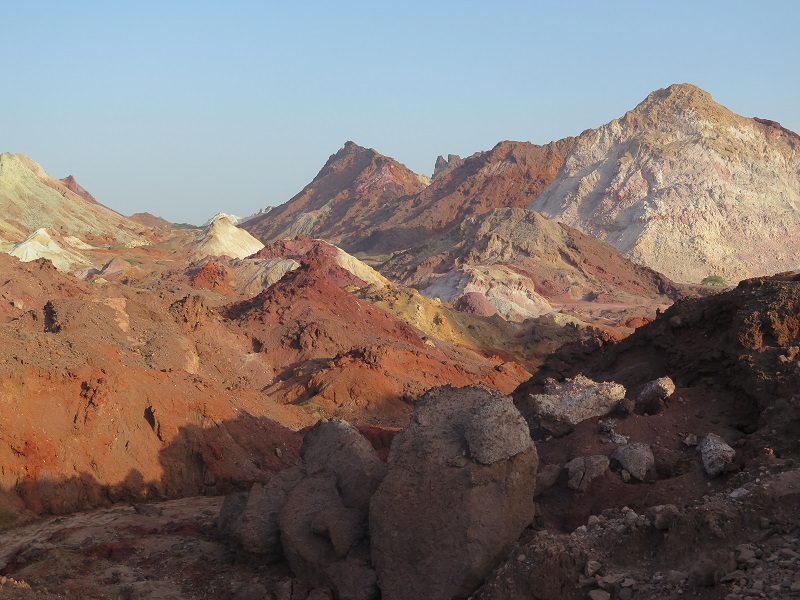
  • Hormoz – Also called The Rainbow Island, Hormoz mesmerizes visitors with its vibrant, colorful landscapes and stunning coastal scenery.
  • Kish – Iran’s most luxurious island, Kish is a hotspot for shopping, water sports, and pristine beaches with clear waters.

If you’re planning to explore Iran’s islands, this ultimate guide will help you navigate through the best time to visit, top attractions, activities, accommodations, and essential travel tips.


Best Time to Visit the Iranian Touristic Islands

Hormoz island

Seasonal Weather and Climate

The Persian Gulf islands experience hot summers and mild winters. The best time to visit is from November to March, when the temperatures are comfortable, ranging from 18°C to 27°C (64°F to 80°F).

Tourist Peak Seasons vs. Off-Seasons

  • Peak Season (November – March) – Ideal for sightseeing, outdoor activities, and festivals. However, it’s also the busiest time with higher prices.
  • Off-Season (April – October) – Very hot and humid, making it less suitable for outdoor exploration, but perfect for budget travelers seeking discounts.

How to Get to Qeshm, Hormoz, and Kish

Iran cycling adventure

Flights to the Islands

All three islands have domestic airports, and Kish even has an international airport with flights from Dubai and Istanbul. Direct flights from Tehran, Shiraz, and Bandar Abbas are available to Qeshm, Kish, and sometimes Hormoz.

Ferry and Boat Services

  • Qeshm and Hormoz can be reached via ferry from Bandar Abbas or nearby coastal towns.
  • Kish is accessible via flights or ferries from Bandar Lengeh and Genaveh.

Travel Tips for a Smooth Journey

  • Book flights early during peak season.
  • Ferries may have limited schedules, so check availability beforehand.
  • Carry cash as some ferries do not accept credit cards.

Qeshm Island – The Largest Island in Iran


Top Attractions in Qeshm

Stars Valley – A Natural Wonder

One of Qeshm’s most breathtaking sights, Stars Valley, is a surreal landscape shaped by wind and rain over millions of years. It’s best visited at sunset for a magical experience.

Chahkooh Canyon – A Photographer’s Paradise

With its deep gorges and unique rock formations, Chahkooh Canyon is a must-see for nature lovers and photographers alike.

Hara Mangrove Forest – Unique Biodiversity

A boat ride through the Hara Mangrove Forest lets you witness rare birds and marine life in this ecological wonder.

Activities to Do in Qeshm

  • Caving in Namakdan Salt Cave – The longest salt cave in the world.
  • Boat Tours and Dolphin Watching – See wild dolphins in the Persian Gulf.
  • Shopping in Qeshm Traditional Bazaar – A great place to buy handicrafts and souvenirs.

Hormoz Island – The Rainbow Island of Iran
Iran Cultural and Adventure Tour

Must-See Attractions in Hormoz

Red Beach – The Unique Colored Sand

Hormoz’s Red Beach is unlike anything you’ve ever seen. The red-colored sand creates a mesmerizing contrast with the blue sea.

The Salt Goddess Cave – A Spiritual Experience

This magical cave, filled with glistening salt crystals, offers a mystical atmosphere.

The Portuguese Castle – A Historic Landmark

A remnant of the 16th-century Portuguese rule, this fortress stands as a reminder of the island’s past.

Unique Experiences in Hormoz

  • Renting a Motorbike to Explore the Island
  • Trying Local Delicacies – Especially the famous Hormoz bread made with red soil.

Kish Island – Iran’s Luxury Destination

While Qeshm and Hormoz offer raw natural beauty and cultural experiences, Kish Island stands out as a luxurious getaway with modern attractions, high-end shopping, and world-class water sports. It is often compared to Dubai, thanks to its duty-free shopping zones and international resorts.

Iconic Places to Visit in Kish

The Greek Ship – A Sunset Spot

One of Kish’s most famous landmarks, The Greek Ship, is a rusted shipwreck stranded on the shore since 1966. It has become a prime sunset-watching spot, drawing both tourists and photographers. The golden glow of the sun setting behind the ship creates a mesmerizing scene.

Kariz Underground City – A Hidden Gem

Unlike any typical tourist attraction, Kariz Underground City is an ancient aqueduct system dating back 2,500 years. This underground city, made of coral structures, was originally designed for water storage. Today, it has been turned into a museum and cultural center where visitors can walk through tunnels that lie 16 meters beneath the surface.

Dolphin Park – Fun for Families

If you’re visiting with family, Dolphin Park is a must-visit. The park features dolphin and sea lion shows, an aquarium, a bird garden, and a butterfly park, making it one of the most entertaining spots for kids.

Best Things to Do in Kish

Snorkeling and Scuba Diving

Kish Island has some of the clearest waters in the Persian Gulf, making it a paradise for snorkelers and divers. There are numerous dive sites where you can explore colorful corals, beautiful fish, and even sunken ships. The most famous diving spots include:

  • Marjan Beach Reef
  • Big Coral Reef
  • Southern Beach

Luxury Shopping Malls

Since Kish is a duty-free zone, shopping is one of the top activities here. You’ll find affordable prices on electronics, clothing, perfumes, and luxury brands. Some of the best malls include:

  • Venus International Mall
  • Pardis Mall
  • Darian Mall

Jet Skiing and Parasailing

For thrill-seekers, Kish offers a range of adventure water sports, including:

  • Jet skiing
  • Parasailing
  • Banana boat rides
  • Flyboarding

With crystal-clear waters and professional instructors available, these activities are safe and perfect for adrenaline lovers.


Accommodation Options on the Islands

Whether you’re traveling on a budget or looking for a luxurious retreat, these islands offer a variety of accommodation options:

Best Hotels in Qeshm, Hormoz, and Kish

  • Qeshm: Arta Hotel, Fulton Boutique Hotel
  • Hormoz: Hormoz Beach Eco-Lodge, Local Guesthouses
  • Kish: Dariush Grand Hotel, Toranj Marine Hotel (floating villas)

Budget-Friendly Hostels and Guesthouses

For budget travelers, there are guesthouses and eco-lodges available on all three islands. Staying in homestays in Qeshm or Hormoz also allows you to experience authentic local culture.


Local Food and Cuisine on the Islands

The Persian Gulf islands have rich and diverse cuisines, heavily influenced by seafood and traditional Persian flavors.

Seafood Specialties You Must Try

  • Ghalieh Mahi – A spicy fish stew with tamarind and herbs.
  • Mehdi Shrimp – A local delicacy cooked with saffron and lemon.
  • Majboos (Kabsa Rice) – A spiced rice dish similar to biryani, common in Kish.

Popular Restaurants and Local Markets

  • Qeshm: Shabhaye Talai, Hami Restaurant
  • Hormoz: Local food stalls by the beach
  • Kish: Kooh Noor Restaurant, Food Land Complex

If you’re a food lover, visiting the local fish markets and trying street food stalls is a must!


Culture and Traditions of the Islands

Despite being popular tourist destinations, these islands retain their rich cultural heritage.

The Unique Dress Code of Local Women

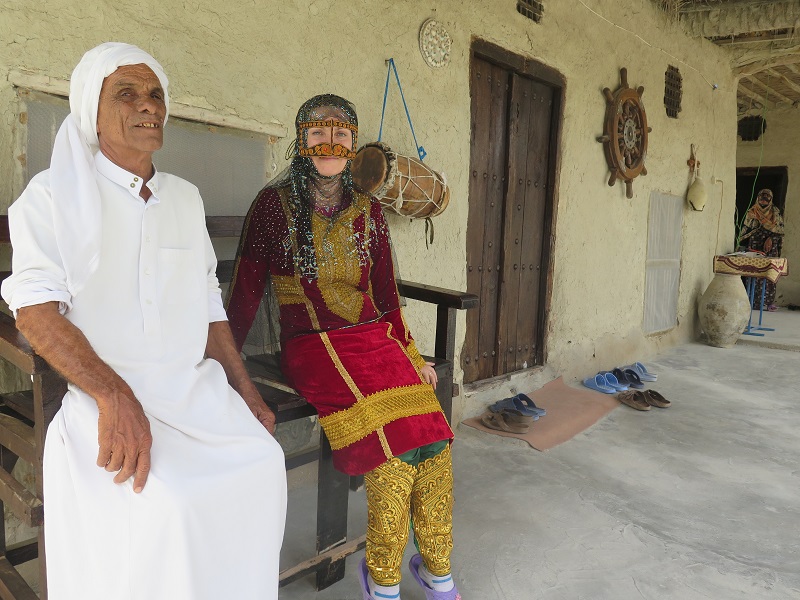
On Qeshm and Hormoz, many local women wear colorful traditional masks called Burqa, which are part of the island’s centuries-old traditions.

Traditional Music and Festivals

  • The Nowruz Festival (Persian New Year) – Celebrated with music and dancing.
  • Fishermen’s Festival – A local event celebrating the fishing season.

Travel Tips for an Unforgettable Trip

To make the most of your trip to Qeshm, Hormoz, and Kish, keep these tips in mind:

Budget Planning for Your Island Adventure

  • Kish is more expensive due to its luxury appeal.
  • Qeshm and Hormoz are budget-friendly, with affordable accommodations and food.
  • Bargaining is common in local markets, so don’t hesitate to negotiate!

Safety Tips and Cultural Etiquette

  • Kish is a visa-free zone, but Qeshm and Hormoz require a standard Iranian visa.
  • Modest dressing is expected, especially for women.
  • Cash is preferred since many local shops don’t accept credit cards.
  • Respect local customs and photography rules, especially in villages.

Conclusion

Iran’s touristic islands—Qeshm, Hormoz, and Kish—offer an unforgettable blend of nature, culture, history, and adventure. Whether you seek the mystical landscapes of Qeshm, the colorful beauty of Hormoz, or the luxury of Kish, each island promises a unique travel experience.

If you love off-the-beaten-path destinations, exploring these Persian Gulf gems should definitely be on your bucket list!

FAQs – Qeshm and Hormoz


1. How can I travel to Qeshm and Hormoz from mainland Iran?

You can reach Qeshm Island by domestic flights from major cities like Tehran, Shiraz, and Isfahan, or by ferry from Bandar Abbas. To reach Hormoz Island, you need to take a ferry from Bandar Abbas or Qeshm.

2. What is the best time of year to visit Qeshm and Hormoz?

The best time to visit is from November to March, when the weather is cool and pleasant. Summers (June to September) are extremely hot and humid, making outdoor exploration difficult.

3. Do I need a visa to visit Qeshm and Hormoz?

Yes, Qeshm and Hormoz require an Iranian visa for most foreign visitors. However, travelers from certain countries may get a visa-on-arrival. Kish Island is visa-free, but Qeshm and Hormoz follow Iran’s standard visa regulations.

4. What are the must-visit attractions on Qeshm and Hormoz?

In Qeshm, don’t miss Stars Valley, Chahkooh Canyon, Hara Mangrove Forest, and Namakdan Salt Cave. In Hormoz, top sights include Red Beach, Rainbow Mountains, Portuguese Castle, and The Salt Goddess Cave.

5. Are there budget-friendly accommodations on Qeshm and Hormoz?

Yes! Both islands have eco-lodges, guesthouses, and local homestays, making them affordable for budget travelers. Prices are much lower than Kish, and you can find comfortable stays with local hospitality.

6. What local foods should I try on Qeshm and Hormoz?

Seafood is a highlight! Try Ghalieh Mahi (spicy fish stew), grilled shrimp, Majboos (spiced rice), and Hormoz’s special red bread made with the island’s colorful soil.

7. Can I explore Qeshm and Hormoz on my own, or do I need a tour guide?

Yes, you can explore both islands independently! In Qeshm, renting a car or motorbike is a great option. In Hormoz, most visitors rent motorbikes or bicycles to see the island at their own pace. However, a local guide can enhance your experience by sharing cultural and historical insights.

FAQs – Kish Island

1. Do I need a visa to visit Kish Island?

No, Kish Island is visa-free for most nationalities. Travelers can stay for up to 14 days without a visa. However, upon arrival, you may need to register at the airport and provide hotel booking details.

2. What are the best things to do in Kish?

Kish offers a mix of relaxation, adventure, and shopping. Some top activities include:
Snorkeling & Scuba Diving – Explore the clear waters and coral reefs.
Visit the Greek Ship – A famous shipwreck and a perfect sunset spot.
Kariz Underground City – A 2,500-year-old aqueduct turned cultural center.
Luxury Shopping – Since Kish is duty-free, shopping is a big attraction.
Jet Skiing & Parasailing – Water sports lovers will find plenty of activities to enjoy.

3. What is the best time to visit Kish Island?

The ideal time to visit is from November to March when the weather is cool and pleasant (18°C – 27°C). Summers (June to September) are extremely hot and humid, making outdoor activities less enjoyable.

4. Are there budget-friendly accommodations on Kish?

Yes! While Kish is known for luxury hotels, there are also budget-friendly hostels and guesthouses. Some of the best options include:

  • Luxury Stays: Dariush Grand Hotel, Toranj Marine Hotel (floating villas).
  • Budget Options: Parmis Hotel, Kish Youth Hostel, and local guesthouses.


Iran UNESCO World Heritage Sites

7-Day Trip to Qeshm and Hormoz Islands

From 550$

See Details

touchal

3-Day Tehran Sightseeing Tour

From 360$

See Details
touchal

14-Day Persian History Travel

From 1800$

See Details
Iranian caravanserais

15-Day Iran Sightseeing Tour

From 1950$

See Details

Most Beautiful Mosques in Iran

7-Day Iran Ancient Cities Tour

From 880$

See Details
Iran UNESCO World Heritage Sites

27-Day Iran UNESCO World Heritage Sites Tour

From 3200$

See Details
Iran UNESCO World Heritage Sites

4-Day Iran Classic Tour : Tehran , Isfahan , Shiraz

From 480$

See Details
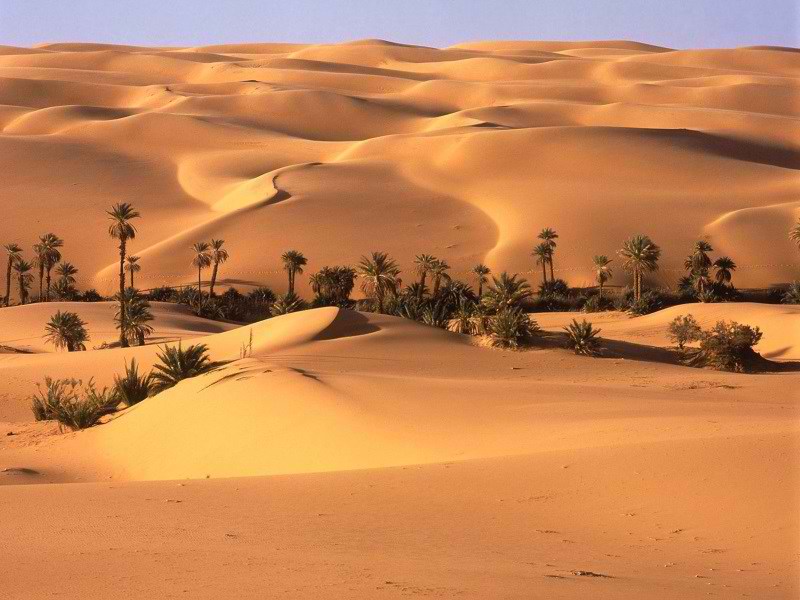
Dasht-e Lut Desert

12-Day Central Iran Desert Tour

From 1200$

See Details
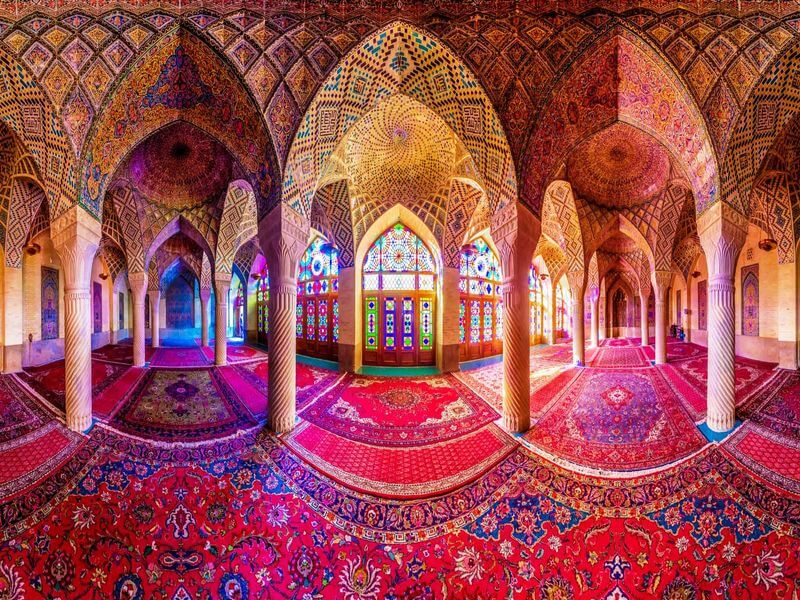
Most Beautiful Mosques in Iran

See Details

Iran Cultural and Adventure Tour

See Details

Iran UNESCO World Heritage Sites

13-Day Iran Northern Cities

From 1550$

See Details

Isfahan Travel Guide

Isfahan Travel Guide

ISFAHAN TRAVEL GUIDE

Things to Do, Activities, and Attractions

Introduction

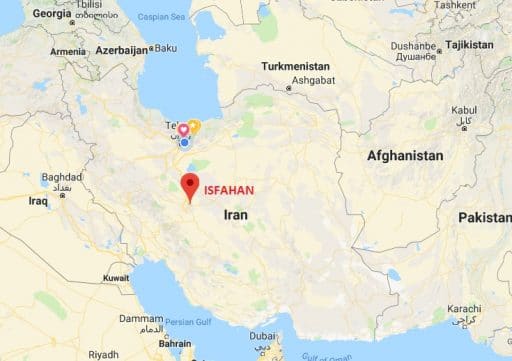
Isfahan, often referred to as “Half of the World”, is one of Iran’s most beautiful and historically rich cities. Nestled in the heart of the country, Isfahan is famous for its breathtaking Islamic architecture, picturesque bridges, and vibrant bazaars. This comprehensive Isfahan travel guide will provide you with everything you need to know for an unforgettable visit.

Why Visit Isfahan?

Isfahan boasts a harmonious blend of history, art, and culture. The city flourished under the Safavid dynasty, which transformed it into the capital of Persia in the 16th century. Today, its mosques, palaces, and gardens continue to mesmerize visitors from all around the world.

Best Time to Visit Isfahan

The best time to visit Isfahan is during the spring (March-May) and autumn (September-November) when the weather is mild and pleasant. Summers can be quite hot, with temperatures exceeding 35°C (95°F), while winters, although cold, are less crowded and allow for a more peaceful experience.

How to Get to Isfahan

Isfahan map

  • By Air: Isfahan’s Shahid Beheshti International Airport (IFN) operates domestic and limited international flights.
  • By Train: Trains from Tehran, Mashhad, and other cities provide a comfortable journey to Isfahan.
  • By Bus: The city is well connected by long-distance buses from major cities like Tehran, Shiraz, and Yazd.
  • By Car: Renting a car or hiring a private driver can be a great way to explore the region at your own pace.

Getting Around Isfahan

  • Metro: Isfahan’s metro system is expanding and is a convenient way to travel within the city.
  • Taxis: Available throughout the city, but it’s best to use ride-hailing apps like Snapp or Tapsi for fair pricing.
  • Buses: A cost-effective option for budget travelers.
  • Walking: Many of Isfahan’s attractions are located close to each other, making walking a pleasant experience.

Top Attractions in Isfahan

1. Naqsh-e Jahan Square (Imam Square)

Most Beautiful Mosques in Iran

A UNESCO World Heritage Site, this massive square is the heart of Isfahan and home to:

  • Shah Mosque (Imam Mosque): A masterpiece of Persian architecture, featuring stunning blue tilework.
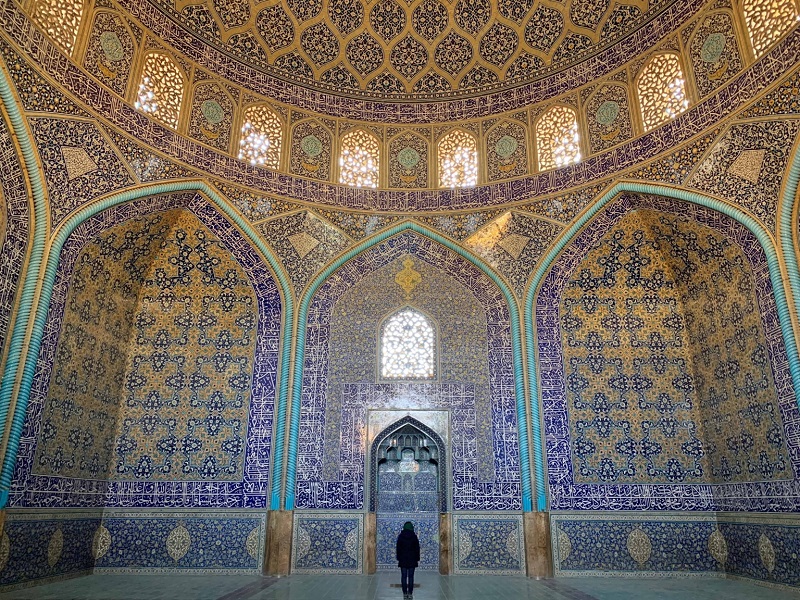
  • Sheikh Lotfollah Mosque: Known for its mesmerizing dome that changes colors throughout the day.
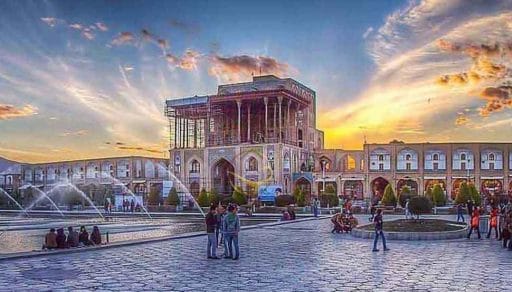
  • Ali Qapu Palace: A grand Safavid-era palace with a breathtaking view of the square.
  • Qeysarieh Bazaar: A traditional market offering Persian handicrafts, carpets, and souvenirs.

2. Si-o-se-pol Bridge


Isfahan travel guide

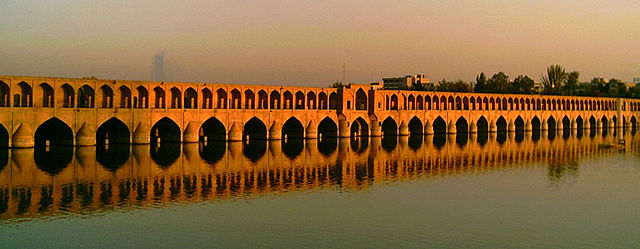
This famous “Bridge of 33 Arches” spans the Zayandeh River and is especially beautiful when lit up at night.

3. Khaju Bridge

Another architectural gem, the Khaju Bridge features intricate tilework and serves as a social gathering spot.

4. Chehel Sotoun Palace

Known as the “Palace of Forty Columns,” this Safavid-era pavilion is surrounded by lush gardens and stunning frescoes.

5. Vank Cathedral

Isfahan travel guide

Located in the Armenian district of New Julfa, this cathedral showcases a unique blend of Persian and Armenian architectural styles with beautiful frescoes depicting biblical stories.

6. Jameh Mosque of Isfahan

One of the oldest mosques in Iran, this UNESCO-listed site showcases different styles of Persian Islamic architecture spanning centuries.

7. Hasht Behesht Palace

Isfahan travel guide

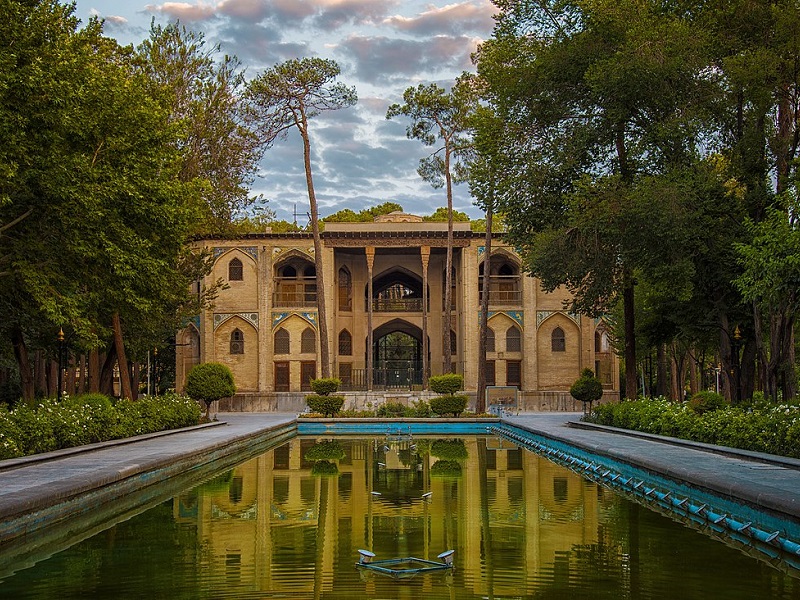
A lesser-known yet exquisite palace, Hasht Behesht is surrounded by picturesque gardens and intricate mosaics.

What to Eat in Isfahan

Iranian cuisine

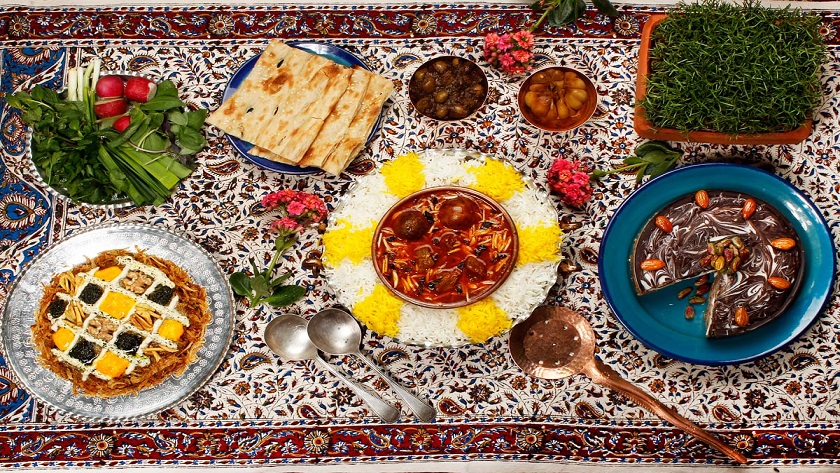
Isfahan’s cuisine is rich and diverse. Here are some must-try local dishes:

  • Beryani: A unique Isfahani dish made with minced lamb, served with bread.
  • Khoresht-e Mast: A sweet yogurt-based stew with saffron and shredded lamb.
  • Fesenjan: A delicious stew made with pomegranate paste and ground walnuts.
  • Gaz: A traditional Persian nougat infused with pistachios and rosewater.
  • Doogh: A refreshing yogurt-based drink often served with mint.

Where to Stay in Isfahan

Luxury Hotels:

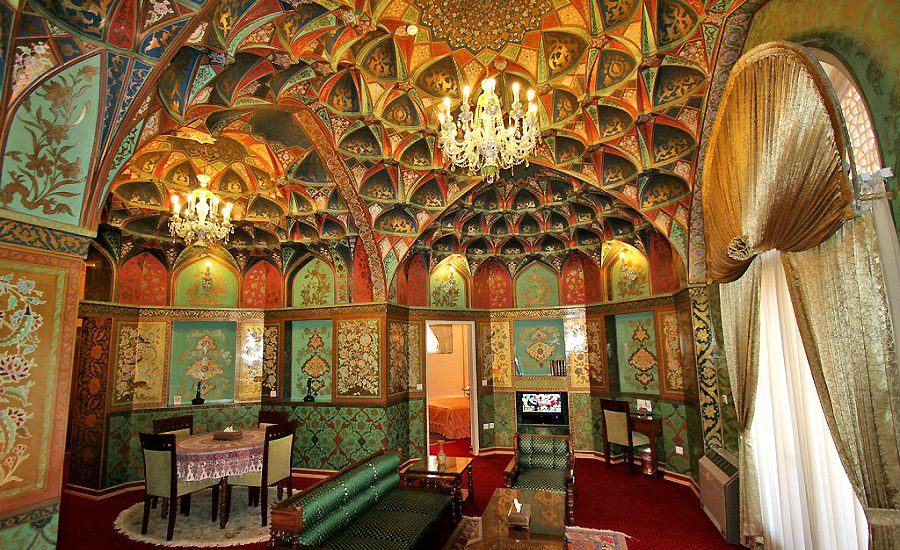
  • Abbasi Hotel: A historic hotel with stunning Persian architecture and a luxurious ambiance.
  • Kowsar Hotel: Overlooking the Zayandeh River, this hotel offers excellent service and comfort.

Mid-Range Hotels:

  • Piroozy Hotel: A comfortable option close to Naqsh-e Jahan Square.
  • Setareh Hotel: Offers great amenities at a reasonable price.

Budget Accommodation:

  • Hostels and Guesthouses: Many budget-friendly guesthouses offer a cozy and authentic Persian experience.

Shopping in Isfahan

Isfahan is famous for its traditional handicrafts, including:

  • Persian Carpets: Some of the world’s finest handwoven rugs.
  • Minakari: Beautiful enamel-painted copperware.
  • Khatamkari: Intricate wood inlay work.
  • Ghalamkari: Hand-painted textiles featuring Persian motifs.

Cultural Etiquette & Travel Tips

  • Dress Code: Women should wear a headscarf and dress modestly. Men should avoid shorts in public.
  • Respect Local Customs: Greetings often involve a handshake, and hospitality is highly valued.
  • Bargaining: Haggling is common in bazaars, so don’t be afraid to negotiate.
  • Currency: The local currency is the Iranian Rial (IRR), and cash is the preferred payment method.

iran culture tour , Isfahan

Final Thoughts

Isfahan is a city that seamlessly blends the old with the new, offering an enchanting experience for every traveler. From its awe-inspiring mosques to its lively bazaars and delicious cuisine, Isfahan truly lives up to its reputation as “Half of the World.” Whether you’re a history enthusiast, an architecture lover, or a foodie, Isfahan promises an unforgettable journey.

Tehran, the bustling capital of Iran, is a vibrant city filled with history, culture, and modern attractions. As the heart of the country, Tehran serves as a gateway to the diverse landscapes, traditions, and experiences that Iran has to offer. Whether you’re a first-time visitor or a seasoned traveler, this Tehran travel guide will provide you with a comprehensive overview of the best things to do in Tehran, the top attractions, and the must-visit sites in this fascinating city.


touchal

3-Day Tehran Sightseeing Tour

From 360$

See Details

touchal

14-Day Persian History Travel

From 1800$

See Details

Iranian caravanserais

15-Day Iran Sightseeing Tour

From 1950$

See Details

Most Beautiful Mosques in Iran

7-Day Iran Ancient Cities Tour

From 880$

See Details

Iran UNESCO World Heritage Sites

27-Day Iran UNESCO World Heritage Sites Tour

From 3200$

See Details

Iran UNESCO World Heritage Sites

4-Day Iran Classic Tour : Tehran , Isfahan , Shiraz

From 480$

See Details

Dasht-e Lut Desert

12-Day Central Iran Desert Tour

From 1200$

See Details

Most Beautiful Mosques in Iran

See Details

Iran Cultural and Adventure Tour

See Details

Iran UNESCO World Heritage Sites

7-Day Trip to Qeshm and Hormoz Islands

From 550$

See Details

Iran UNESCO World Heritage Sites

13-Day Iran Northern Cities

From 1550$

See Details

Top 10 Iranian caravanserais

Top 10 Iranian caravanserais

Top 10 Iranian Caravanserais: A Journey Through History


Iranian caravanserais are a testament to the country’s rich history and vibrant cultural heritage. These architectural marvels once served as essential roadside inns for traders, pilgrims, and travelers along the ancient Silk Road. Today, they stand as historical landmarks, offering a glimpse into Iran’s glorious past. Here’s a list of the top ten Iranian caravanserais that you should explore.

1. Caravanserai of Sa’d al-Saltaneh, Qazvin

Iranian caravanserais

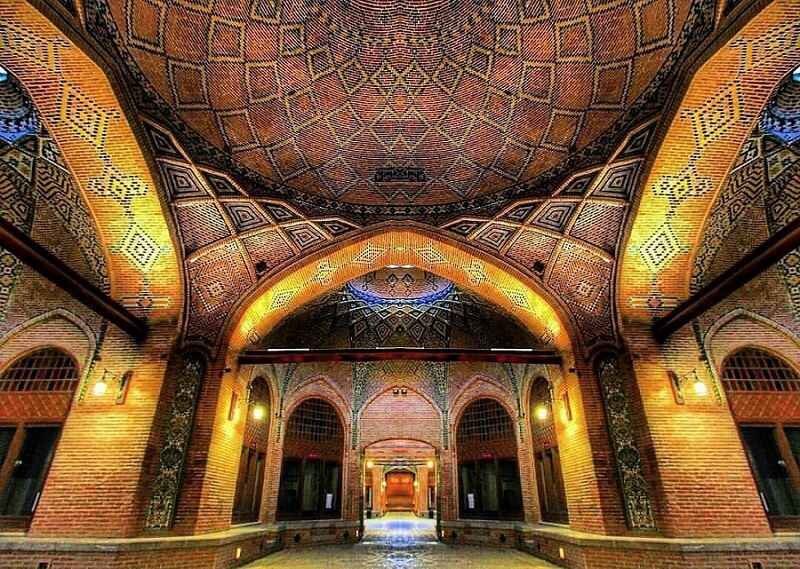
Located in the heart of Qazvin, this 19th-century caravanserai is one of the best-preserved examples in Iran. Featuring grand arches, beautiful courtyards, and intricate tilework, it now functions as a cultural and commercial center. Visitors can enjoy traditional Persian architecture while exploring its numerous shops, art galleries, and cafés.

2. Zein-o-Din Caravanserai, Yazd

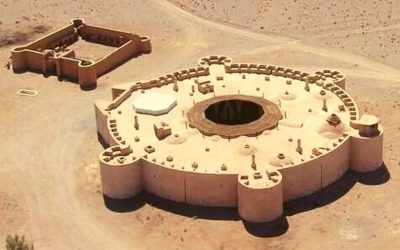
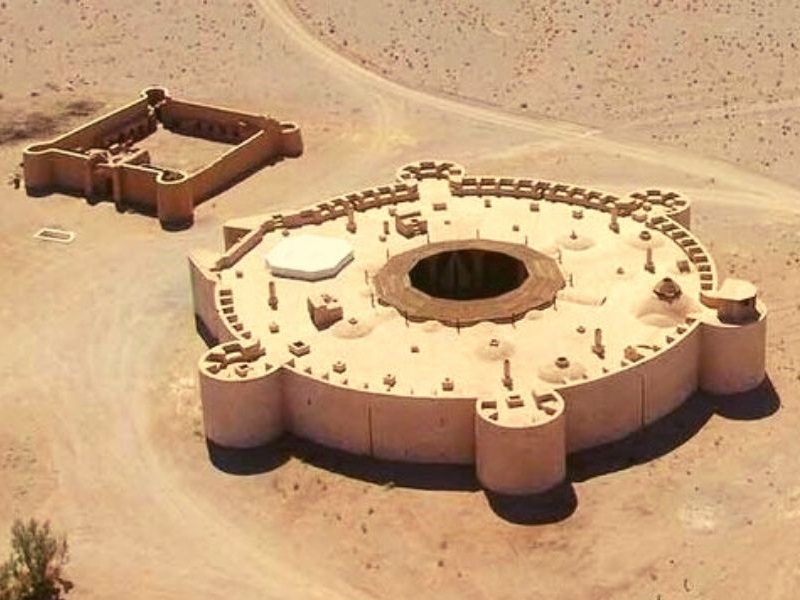
This unique circular caravanserai, located on the ancient Silk Road, offers an unforgettable desert experience. Restored into an eco-lodge, it provides guests with an opportunity to sleep under the starry desert sky. The caravanserai is known for its mud-brick construction, traditional Persian hospitality, and stunning panoramic views of the surrounding desert.

3. Robat-e Sharaf Caravanserai, Khorasan


Dating back to the 12th century, this caravanserai is famous for its elaborate brickwork and symmetrical design. It served as a key stop for traders traveling between Iran and Central Asia. The detailed geometric patterns and Kufic inscriptions on its walls make it an architectural masterpiece of the Seljuk period.

4. Maranjab Caravanserai, Kashan


Nestled in the heart of the Maranjab Desert, this caravanserai is a favorite among adventure seekers. The nearby sand dunes and salt lake make it a stunning location for photography and stargazing. Its strategic location on the Silk Road made it a vital resting point for travelers navigating the harsh desert terrain.

5. Deir-e Gachin Caravanserai, Tehran

Often called the ‘Mother of Iranian Caravanserais,’ Deir-e Gachin is one of the largest and oldest caravanserais in Iran. Located within Kavir National Park, it provides a glimpse into ancient Persian hospitality. The structure includes a mosque, bathhouse, mill, and large courtyard, reflecting the importance of these roadside inns in Persian trade history.

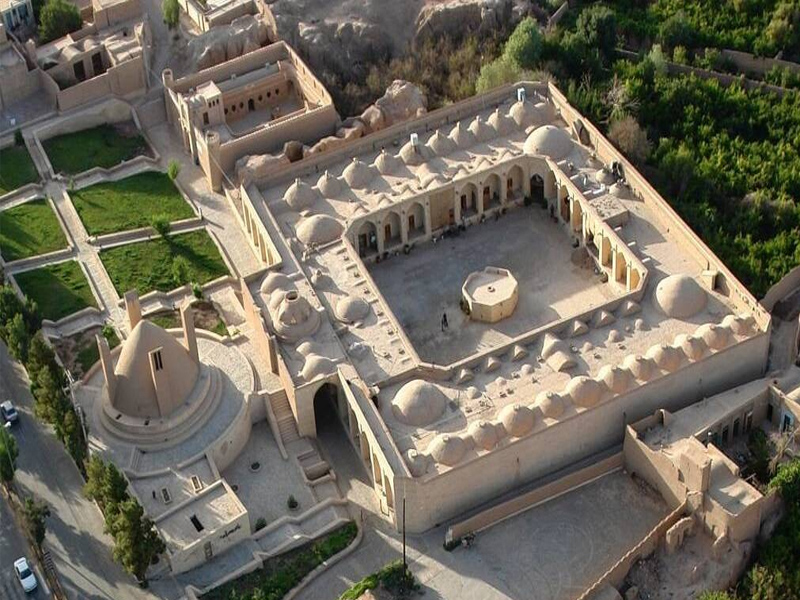
6. Meybod Caravanserai, Yazd

Iranian caravanserais

This Safavid-era caravanserai is part of a larger historical complex that includes an icehouse and a water reservoir. Its central location makes it a great stop for tourists exploring Yazd’s architectural wonders. The structure has been well-preserved, with its brick walls, wooden doors, and traditional Persian decorations intact.

7. Bistoon Caravanserai, Kermanshah

Built under the Safavids, this caravanserai sits near the UNESCO-listed Bisotun Inscription. Its strategic location made it a vital stop for travelers passing through the Zagros Mountains. The building has a rectangular layout with multiple rooms and a spacious courtyard, reflecting the typical caravanserai design of the era.

8. Mehr Caravanserai, Sabzevar

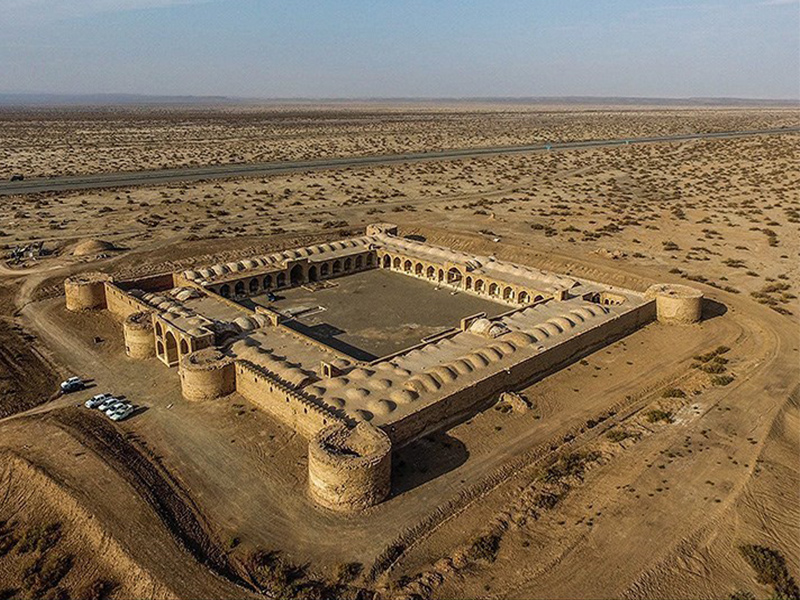
Mehr Caravanserai is located about 50 km west of Sabzevar, Iran. A caravanserai was a roadside inn where travelers could rest and recover from the day’s journey. Caravanserais supported the flow of commerce, information, and people across the network of trade routes covering Asia, North Africa, and South-Eastern Europe, especially along the Silk Road. These were found frequently along the Persian Empire’s Royal Road, a 2, 500-kilometre (1, 600 mi) long ancient highway that stretched from Sardis to Susa according to Herodotus.

9. Saryazd Caravanserai, Yazd


One of the oldest caravanserais in Iran, Saryazd Caravanserai is located near the ancient Saryazd Fortress. Built during the Sassanid era, it was a vital stop for merchants and travelers. The structure features high walls, a central courtyard, and multiple rooms designed for trade and lodging.

10. Khanat Caravanserai, Tehran

Located in the capital city, this historical caravanserai dates back to the Qajar era. Once a key commercial hub, Khanat Caravanserai still maintains its traditional architecture and serves as a marketplace for handicrafts and traditional goods. Its strategic location in Tehran makes it an easily accessible site for history lovers.

Conclusion

Iranian caravanserais are more than just historical inns; they represent centuries of trade, travel, and architectural brilliance. Whether restored as hotels or standing as historical sites, these caravanserais continue to captivate travelers worldwide. If you’re planning a trip to Iran, don’t miss the chance to visit these remarkable remnants of history.

For more travel insights, keep exploring and discovering the wonders of Iran’s rich cultural heritage!

IRAN CULTURAL TOUR PACKAGES


Tehran travel guide

Tehran travel guide

TEHRAN TRAVEL GUIDE

Things to Do, Activities, and Attractions

Introduction

Tehran, the bustling capital of Iran, is a vibrant city filled with history, culture, and modern attractions. As the heart of the country, Tehran serves as a gateway to the diverse landscapes, traditions, and experiences that Iran has to offer. Whether you’re a first-time visitor or a seasoned traveler, this Tehran travel guide will provide you with a comprehensive overview of the best things to do in Tehran, the top attractions, and the must-visit sites in this fascinating city.

Introduction to Tehran

Tehran, located at the foot of the Alborz Mountains, is Iran’s largest city and economic hub. With over 8 million residents, it is a modern metropolis that blends contemporary life with ancient history. While Tehran is often seen as a transit city for travelers heading to other parts of Iran, it offers plenty of rich experiences that can fill several days of exploration. From stunning palaces and museums to bustling bazaars and serene parks, there is no shortage of things to do in Tehran.

In this Tehran travel guide, we’ll take a closer look at the top attractions, hidden gems, and cultural activities that make Tehran a unique destination for travelers.


Top Attractions in Tehran

1. Golestan Palace 

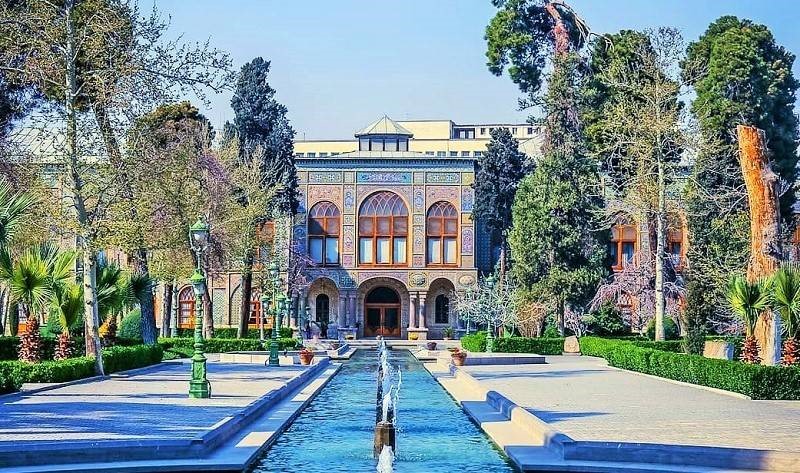
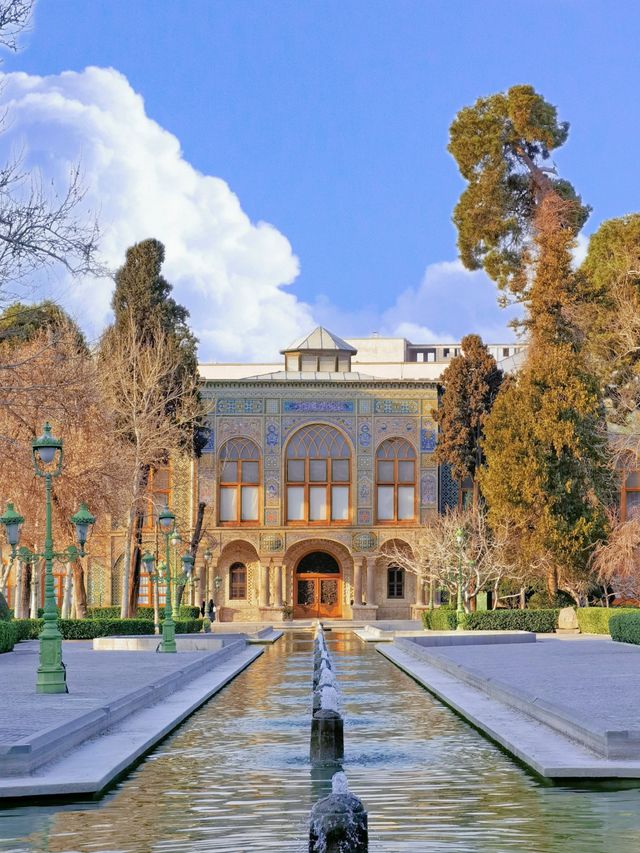
Golestan Palace is one of Tehran’s most iconic landmarks and a UNESCO World Heritage Site. This historic palace complex dates back to the Safavid era but was significantly expanded during the Qajar period in the 19th century. The palace is a masterpiece of Persian architecture, showcasing intricate tilework, stunning courtyards, and beautiful gardens.

Highlights of Golestan Palace include the Marble Throne Hall (Takht-e Marmar), the private chambers of the royal family, and the exquisite mirrors and paintings adorning the walls. Visitors can explore the various museums inside the palace, including the Ethnological Museum, which provides insight into Iranian culture.

2. The National Museum of Iran

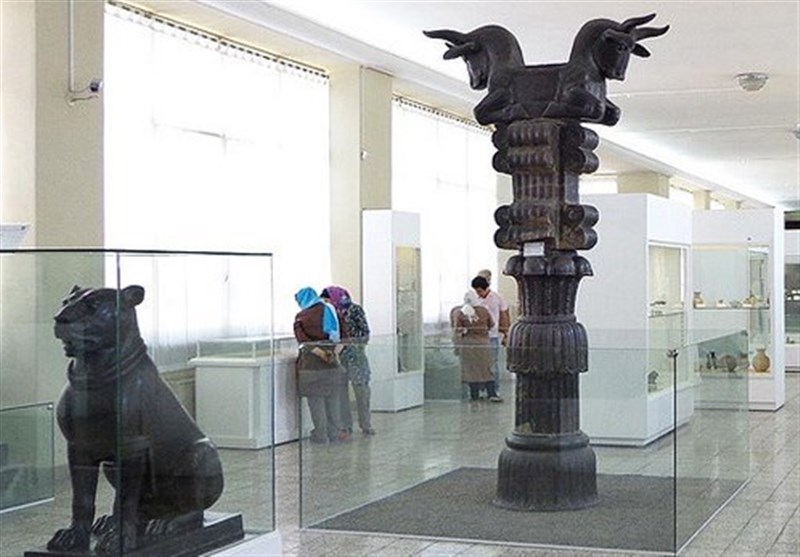
A visit to the National Museum of Iran is a must for anyone interested in the country’s rich history and archaeology. The museum is divided into two sections: the Ancient Iran Museum, which displays artifacts from prehistoric times to the Islamic period, and the Islamic Art Museum, which showcases Islamic art and calligraphy.

Some of the museum’s most famous exhibits include ancient pottery, Persian carpets, and the Elamite stone reliefs. The museum is an excellent place to learn about Iran’s cultural heritage, from the ancient civilizations of Mesopotamia to the Islamic Golden Age.

3. The Treasury of National Jewels

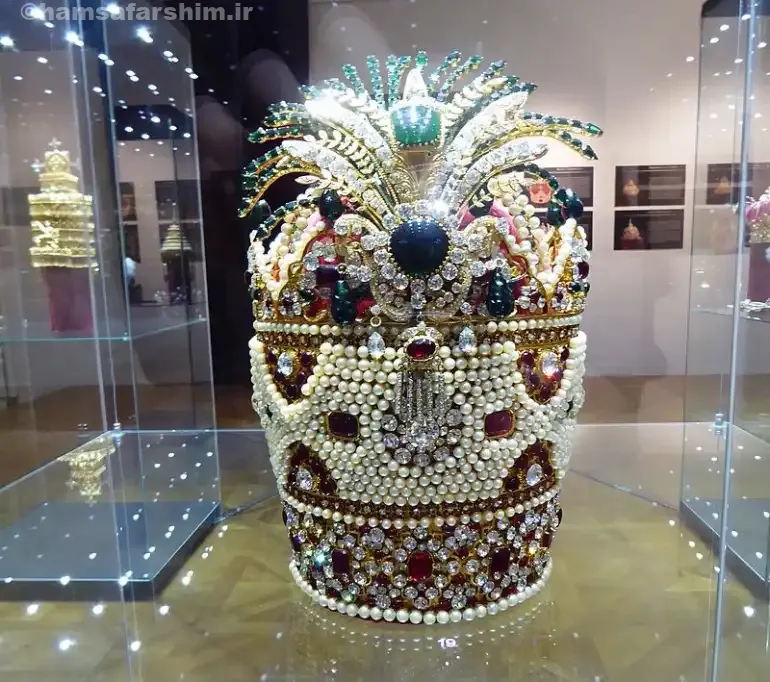
Iran is famous for its collection of precious gemstones and jewelry, and the Treasury of National Jewels in Tehran offers visitors the chance to see some of the world’s most valuable pieces. Located within the Central Bank of Iran, the treasury houses a remarkable collection of royal jewels, including the famous Darya-ye-Noor diamond, the Peacock Throne, and the Imperial Crown of Iran.

A visit to the Treasury of National Jewels is an unforgettable experience for anyone with an interest in luxury, history, or simply the beauty of gemstones. The collection is displayed in a series of rooms, each filled with stunning examples of Iran’s royal wealth and craftsmanship.

4. Azadi Tower

Tehran travel guide

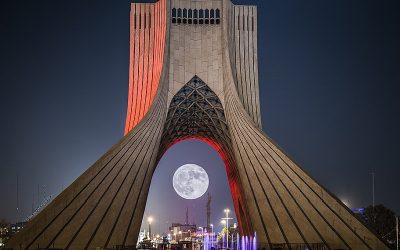
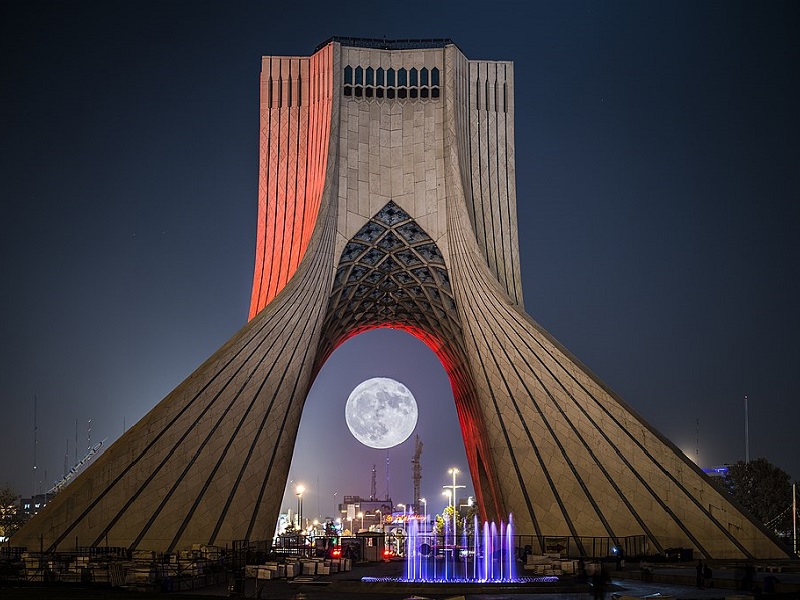
Azadi Tower, also known as the Freedom Tower, is one of Tehran’s most recognizable symbols. Built in 1971 to commemorate the 2,500th anniversary of the Persian Empire, this iconic monument stands 50 meters tall and features a unique blend of traditional Persian and modern architectural styles.

The tower offers panoramic views of Tehran and the surrounding mountains. Visitors can explore the surrounding Azadi Square, which is a central location for cultural and political events. The tower is also home to a small museum that delves into the history of Iran’s architecture and the significance of the monument.

5. Milad Tower

Milad Tower is the sixth tallest tower in the world and one of Tehran’s most modern attractions. Standing at 435 meters tall, Milad Tower offers a stunning view of the city and the surrounding mountains. The tower features a revolving restaurant, an observation deck, a convention center, and a museum.

For those looking for a unique experience, the tower also has a sky bridge that allows visitors to walk around the tower’s spire, providing an adrenaline-pumping view of the city below. The tower is particularly beautiful at night when it is illuminated with colorful lights.


Cultural and Historical Sites

6. Sa’dabad Complex

The Sa’dabad Complex is a sprawling cultural and historical site located in the northern part of Tehran, nestled in the foothills of the Alborz Mountains. Once the royal residence of the Pahlavi dynasty, the complex consists of numerous palaces, museums, and beautiful gardens.

Visitors can explore several of the palaces, including the White Palace (or the Niavaran Palace), which houses a museum displaying items from the royal family’s personal collection. The green surroundings make Sa’dabad an ideal spot for a relaxing stroll, offering a blend of nature and history.

7. Niavaran Palace

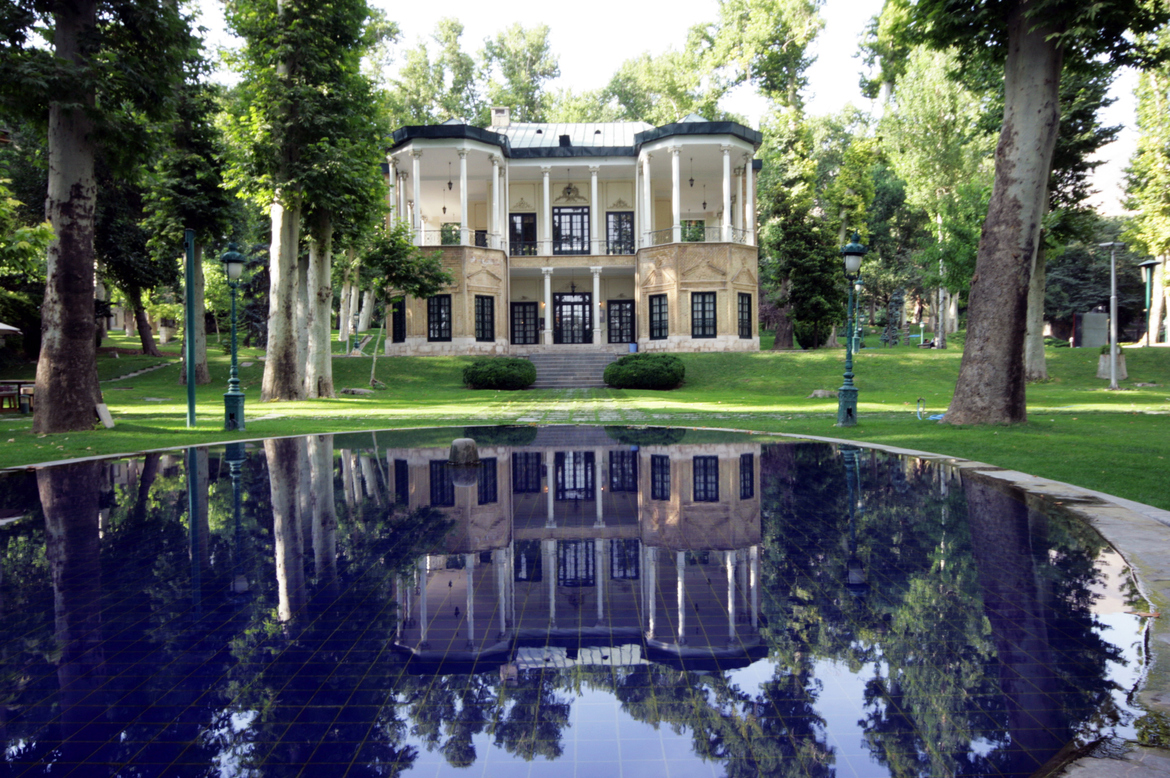
Niavaran Palace, built in the 19th century, was the official residence of the last Shah of Iran, Mohammad Reza Pahlavi, and his family. Today, the palace is a museum showcasing royal artifacts, including paintings, furniture, and personal items of the royal family. The surrounding gardens offer a peaceful escape from the hustle and bustle of the city, and visitors can explore the palace’s impressive architectural design.

8. Tehran Grand Bazaar

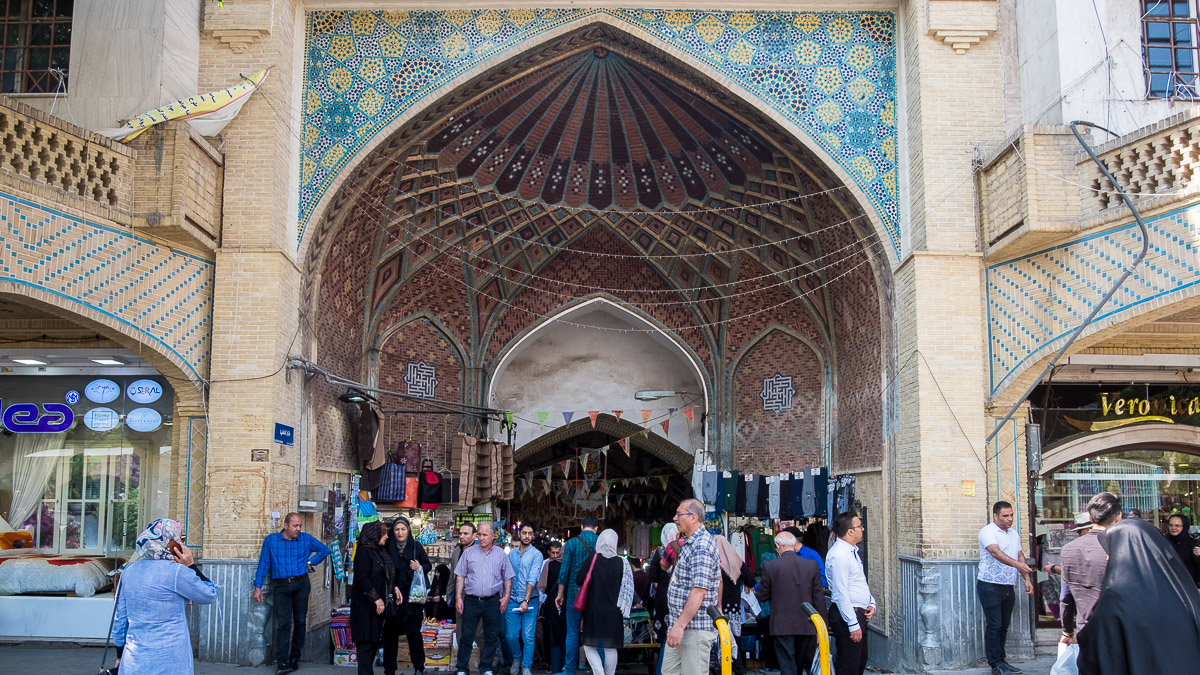
No visit to Tehran would be complete without exploring the Tehran Grand Bazaar, a labyrinthine market that dates back to the Safavid era. The bazaar is one of the oldest and largest in the world, and it offers a vibrant mix of shops, stalls, and traditional Iranian goods.

At the bazaar, you can shop for Persian carpets, spices, textiles, pottery, jewelry, and souvenirs. The market is also a great place to sample local food, such as kebabs, fresh bread, and traditional sweets. The bazaar is a central part of Tehran’s daily life, and wandering through its narrow lanes is a must-do activity for anyone visiting the city.


Nature and Parks in Tehran

9. Laleh Park

Laleh Park is one of the largest and most popular parks in Tehran. Located in the western part of the city, this expansive park is a great place to relax and enjoy the outdoors. The park features lush gardens, walking paths, fountains, and several cafes.

Laleh Park is especially famous for its beautiful tulip gardens, which bloom in spring, adding vibrant color to the park’s landscape. There are also several sculptures scattered throughout the park, making it a great spot for art lovers.

10. Mount Tochal

If you’re an outdoor enthusiast, a visit to Mount Tochal is a must. Located just 10 kilometers from downtown Tehran, Tochal offers stunning views of the city and the Alborz Mountains. The mountain is home to a popular ski resort, and visitors can take the Tochal Telecabin (cable car) to reach higher altitudes.

During the summer months, the area is great for hiking, and in the winter, it turns into a hub for skiing and snowboarding. Whether you’re interested in outdoor activities or simply want to enjoy the natural beauty of Tehran, Tochal is an ideal destination.

11. Darband

Darband is a charming village located at the base of the Alborz Mountains, just north of Tehran. Known for its scenic beauty, Darband is a popular destination for hiking and outdoor recreation. The village is home to numerous restaurants and cafes that offer traditional Iranian cuisine, making it a great place to relax after a hike.

The trail from Darband leads to the higher peaks of the Alborz Mountains, offering stunning views of Tehran and the surrounding countryside. If you’re not up for a long hike, simply strolling through the village and enjoying the natural surroundings is a rewarding experience.


Culinary Experience in Tehran

12. Sample Traditional Iranian Cuisine

Tehran is home to a rich and diverse culinary scene, with a wide variety of restaurants serving traditional Iranian dishes. One of the must-try dishes is kebab, particularly the famous koobideh, a minced meat kebab served with saffron rice and grilled vegetables.

Other popular dishes include:

  • Fesenjan: A rich stew made with chicken, walnuts, and pomegranate sauce.
  • Khoresht Gheymé: A stew made with lamb, split peas, and dried lime.
  • Tahchin: A savory rice cake made with saffron rice, chicken, and yogurt.

For dessert, don’t miss baklava, saffron ice cream, or zoolbia and bamiyeh (traditional Iranian sweets).

Tehran also offers a vibrant café culture, with many spots serving excellent Persian tea and sweets, as well as international coffee drinks.


Shopping in Tehran

Tehran is a great place to shop for unique Persian goods and souvenirs. From handcrafted carpets to high-quality saffron, the city’s markets are brimming with items that reflect Iran’s rich cultural heritage.

Apart from the Tehran Grand Bazaar, other notable shopping areas include:

  • Vali Asr Street: This major thoroughfare is home to numerous shops and boutiques selling fashion, electronics, and more.
  • Darband Bazaar: For handmade crafts and traditional Iranian products.
  • Tajrish Bazaar: A traditional bazaar in northern Tehran that sells everything from spices to handicrafts.

Conclusion

Tehran is a dynamic city that offers a fascinating mix of ancient history, modern culture, and natural beauty. This Tehran travel guide highlights some of the best things to do, see, and experience in this bustling metropolis. Whether you’re exploring the historic palaces and museums, enjoying the natural landscapes, or

touchal

3-Day Tehran Sightseeing Tour

From 360$

See Details

touchal

14-Day Persian History Travel

From 1800$

See Details

Iranian caravanserais

15-Day Iran Sightseeing Tour

From 1950$

See Details

Most Beautiful Mosques in Iran

7-Day Iran Ancient Cities Tour

From 880$

See Details

Iran UNESCO World Heritage Sites

27-Day Iran UNESCO World Heritage Sites Tour

From 3200$

See Details

Iran UNESCO World Heritage Sites

4-Day Iran Classic Tour : Tehran , Isfahan , Shiraz

From 480$

See Details

Dasht-e Lut Desert

12-Day Central Iran Desert Tour

From 1200$

See Details

Most Beautiful Mosques in Iran

See Details

Iran Cultural and Adventure Tour

See Details

Iran UNESCO World Heritage Sites

7-Day Trip to Qeshm and Hormoz Islands

From 550$

See Details

Iran UNESCO World Heritage Sites

13-Day Iran Northern Cities

From 1550$

See Details

Iran Travel Guide

Iran Travel Guide

Iran Travel Guide: A Comprehensive Journey Through the Land of Wonders


Introduction: Why Visit Iran?

Iran is a country steeped in history, adorned with breathtaking natural landscapes, and enriched by a culture of unparalleled warmth and hospitality. Despite being home to incredible UNESCO World Heritage Sites, vibrant cities, and stunning natural attractions, Iran remains an underrated destination due to lingering misconceptions.

This Iran Travel Guide will dispel these myths, introduce you to the country’s diverse attractions, and help you plan a journey filled with unforgettable experiences. Whether you’re an adventure seeker, history buff, or food lover, Iran has something extraordinary to offer.


Five Myths About Iran: Separating Fact From Fiction

1. “Iran Is Unsafe for Tourists”

The Misconception: Concerns about safety due to political tensions often dissuade potential visitors.
The Reality: Travelers who venture to Iran describe it as one of the safest destinations they’ve ever visited. Violent crimes targeting tourists are extremely rare, and locals are renowned for their hospitality.

Why Visit?

In Iran, you’ll walk through lively bazaars, hike serene mountain trails, and explore historical sites without fear. The country’s safety combined with the warmth of its people ensures a worry-free and enriching travel experience.


2. “Iranians Are Hostile to Foreigners”

The Misconception: Political conflicts have led to the false belief that Iranians are unwelcoming to outsiders.
The Reality: Iranian hospitality is legendary. The cultural tradition of ta’arof—a code of politeness—encourages acts of kindness, ensuring visitors are treated with utmost respect.

Why Visit?

Prepare for moments of genuine connection, whether it’s being invited to a family dinner, offered a cup of tea, or simply engaging in a heartfelt conversation. For many, these interactions become the most cherished memories of their trip.


3. “Iran Is Just a Desert”

The Misconception: A common stereotype paints Iran as a barren land devoid of natural diversity.
The Reality: Iran’s geography is astonishingly diverse. From lush forests and snowy peaks to serene coastlines and sprawling deserts, the country offers something for every nature enthusiast.

Why Visit?

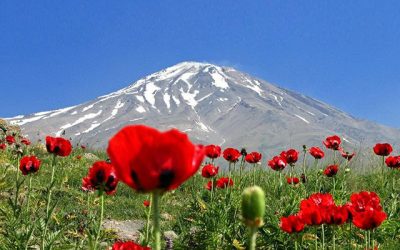
Marvel at Mount Damavand’s snow-capped beauty, trek through the ancient Hyrcanian forests, relax along the Caspian Sea, or immerse yourself in the surreal scenery of the Lut Desert—there’s no shortage of natural wonders to explore.


4. “Traveling to Iran Is Complicated”

The Misconception: Bureaucratic red tape and restrictions deter many potential travelers.
The Reality: While some nationalities require visas, Iran has streamlined its processes through e-visas and visas on arrival for many visitors.

Why Visit?

With proper planning, navigating the visa process is straightforward. Once in Iran, you’ll find a well-connected transport system, modern accommodations, and hospitable locals eager to ensure you enjoy your journey.


5. “Iran Lacks Modern Amenities”

The Misconception: Some believe Iran is outdated and lacks basic modern conveniences.
The Reality: Iran seamlessly blends its ancient heritage with modern infrastructure. Cities like Tehran boast luxurious hotels, efficient metro systems, and ride-hailing apps like Snapp, ensuring a smooth travel experience.

Why Visit?

The juxtaposition of ancient mosques alongside bustling, contemporary urban life creates a dynamic and enriching experience.


Understanding Iran: Facts and First Impressions

Located in the heart of the Middle East, Iran spans diverse climates, cultures, and terrains. With over 80 million people, it boasts one of the world’s oldest civilizations, dating back over 7,000 years. Persian culture, art, and architecture have left an indelible mark on global history.


Essential Tips for Visiting Iran

  • Visa Requirements: Many nationalities can apply for an e-visa or get a visa on arrival. Check the latest requirements for your country before traveling.
  • Best Time to Visit: Spring (March to May) and autumn (September to November) offer the most pleasant weather.
  • Currency: The official currency is the Iranian Rial (IRR). Cash is preferred, as international credit cards are not widely accepted.
  • Language: Persian (Farsi) is the official language. Learning a few phrases like Salam (hello) and Motashakkeram (thank you) will go a long way.
  • Dress Code: Modest clothing is required, particularly for women, who should wear a headscarf and long, loose clothing in public.

Top Reasons to Visit Iran

1. A Rich History and Cultural Heritage

Iran is home to 26 UNESCO World Heritage Sites, each showcasing the grandeur of ancient Persia. Highlights include:

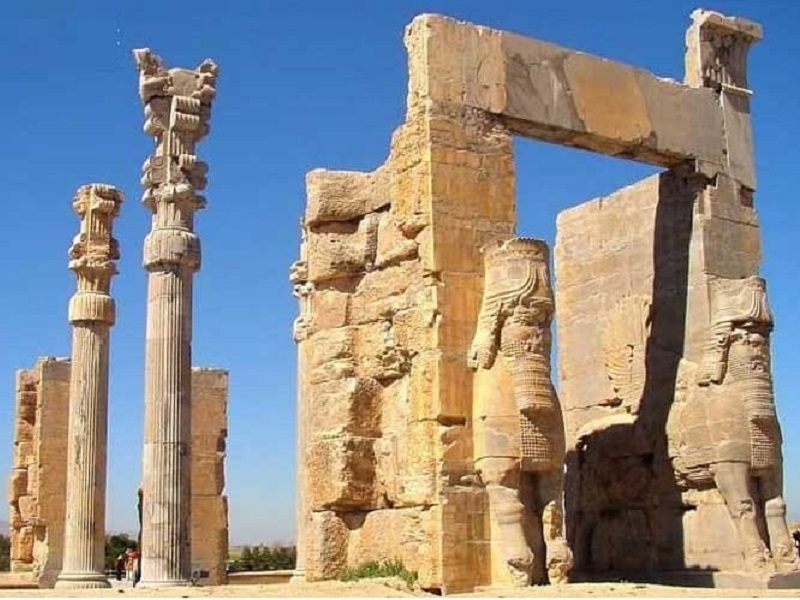
  • Persepolis: The ceremonial capital of the Achaemenid Empire, a must-visit for history enthusiasts.
  • Isfahan: Known as “Half the World,” its Naqsh-e Jahan Square, Ali Qapu Palace, and Sheikh Lotfollah Mosque are architectural masterpieces.
  • Yazd: A city of wind towers, Zoroastrian fire temples, and intricate desert architecture.
  • Tabriz: The ancient Blue Mosque and Tabriz Grand Bazaar are key attractions.
  • Shiraz: A city of poetry and gardens, home to Persepolis and the Tomb of Hafez.

2. Stunning Natural Attractions

Iran’s diverse geography offers something for every traveler:

Mountains and Adventure

  • Mount Damavand: The highest peak in the Middle East, ideal for trekking and mountaineering.
  • Zagros Mountains: Great for hiking, exploring traditional villages, and connecting with nature.
  • Ski Resorts: Ski at Dizin or Tochal, two of the best winter sports destinations in the region.

Forests and Green Spaces

  • Hyrcanian Forests: A UNESCO-listed ancient forest, perfect for hiking and wildlife spotting.
  • Caspian Sea Coast: Known for its lush landscapes and sandy beaches, ideal for relaxation.

Deserts and Unique Landscapes

  • Lut Desert: A UNESCO World Heritage Site with surreal sand dunes, salt flats, and unique rock formations.
  • Dasht-e Kavir: Known as the Great Salt Desert, featuring serene caravanserais and shimmering salt plains.

Islands and Beaches

  • Kish Island: A modern beach destination offering luxurious resorts and coral reefs.
  • Qeshm Island: Famous for its mangrove forests, Star Valley, and rich cultural heritage.

Natural Wonders

  • Ali Sadr Cave: The world’s largest water cave, offering tranquil boat tours.
  • Badab-e Surt: A terraced hot spring formation with vibrant orange and yellow hues.

3. Persian Cuisine: A Culinary Journey

Iranian cuisine
Iranian food is a feast for the senses, offering flavors that are rich, aromatic, and deeply satisfying.

Must-Try Dishes:
  • Kebab: Juicy, marinated meat skewers served with saffron-infused rice.
  • Fesenjan: A flavorful pomegranate and walnut stew.
  • Tahdig: The crispy, golden layer of rice at the bottom of the pot.
  • Ash Reshteh: A hearty noodle soup with beans, lentils, and greens.
  • Saffron Desserts: Try Sholeh Zard (saffron rice pudding) or Persian ice cream.
Foodie Experiences:
  • Explore traditional food markets like Tehran’s Grand Bazaar.
  • Join a Persian cooking class to learn how to prepare iconic dishes.
  • Dine with locals for a deeper cultural experience.

Activities and Experiences in Iran

Explore Historic Cities

  • Tehran: The bustling capital offers modern museums, historical sites like the Golestan Palace, and vibrant bazaars.
  • Isfahan: Walk across its iconic bridges and marvel at its stunning mosques.
  • Shiraz: Visit the gardens, mosques, and ancient ruins of Persepolis.

Adventure Sports

  • Trekking, rock climbing, and mountaineering in the Alborz and Zagros Mountains.
  • Skiing and snowboarding at high-altitude resorts.
  • Desert safaris in the Lut Desert, featuring camel rides and stargazing.

Cultural Immersion

  • Attend a traditional Persian music performance.
  • Visit a carpet workshop to see the art of weaving Persian rugs.
  • Experience Nowruz (Persian New Year) celebrations in March.

Relaxation and Wellness

  • Unwind in natural hot springs in regions like Sarein.
  • Enjoy a quiet retreat in the gardens of Shiraz or by the Caspian Sea.

Itinerary Ideas for Iran

1 Week in Iran:
  • Day 1-2: Tehran (Golestan Palace, National Museum).
  • Day 3-4: Isfahan (Naqsh-e Jahan Square, historic bridges).
  • Day 5-6: Shiraz (Persepolis, Nasir al-Mulk Mosque).
  • Day 7: Yazd (Zoroastrian sites, Old City).
2 Weeks in Iran:
  • Add trips to the Lut Desert, Caspian Sea coast, and Tabriz.

3 Weeks or More:

  • Include Qeshm and Kish islands, extended trekking in the mountains, and cultural experiences in smaller villages.

Practical Travel Tips for Iran

  • Transportation: Use domestic flights, trains, or buses for long-distance travel. Ride-hailing apps like Snapp are useful in cities.
  • Accommodation: From boutique hotels in historical buildings to eco-lodges and luxury resorts, Iran offers a wide range of options.
  • Connectivity: Buy a local SIM card for affordable mobile data. Wi-Fi is available in most hotels and cafés.

Final Thoughts: Why Iran Should Be on Your Travel List

Iran is a land where ancient history meets vibrant modernity,  stunning landscapes inspire awe, and the hospitality of its people leaves an everlasting impression. Whether you’re exploring the architectural wonders of Persepolis, trekking in the mountains, or savoring the flavors of Persian cuisine, Iran promises an unforgettable journey.

Break free from misconceptions, pack your bags, and embark on an adventure like no other. This Iran Travel Guide is your gateway to discovering the true essence of this remarkable country.

Top ten Iranian souvenirs

Top ten Iranian souvenirs

Top Ten Iranian Souvenirs: A Complete Guide for Travelers

Iran, a country with a rich cultural heritage and centuries of history, offers a unique variety of souvenirs that capture the essence of its diverse traditions, art, and craftsmanship. Whether you are exploring the vibrant bazaars of Tehran, Isfahan, or Shiraz, you will encounter numerous treasures to take home. In this guide, we’ll walk you through the top ten Iranian souvenirs, each with a deep connection to the country’s culture and history.

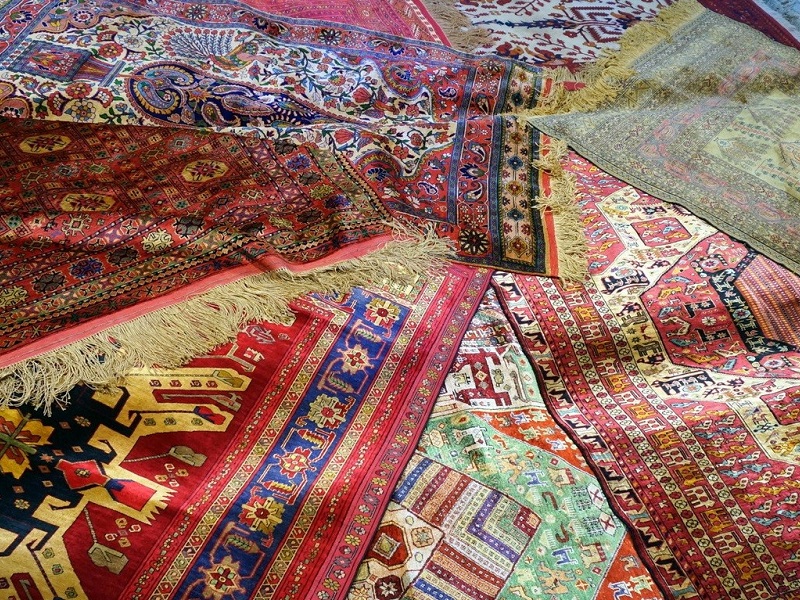
1. Persian Carpets and Rugs

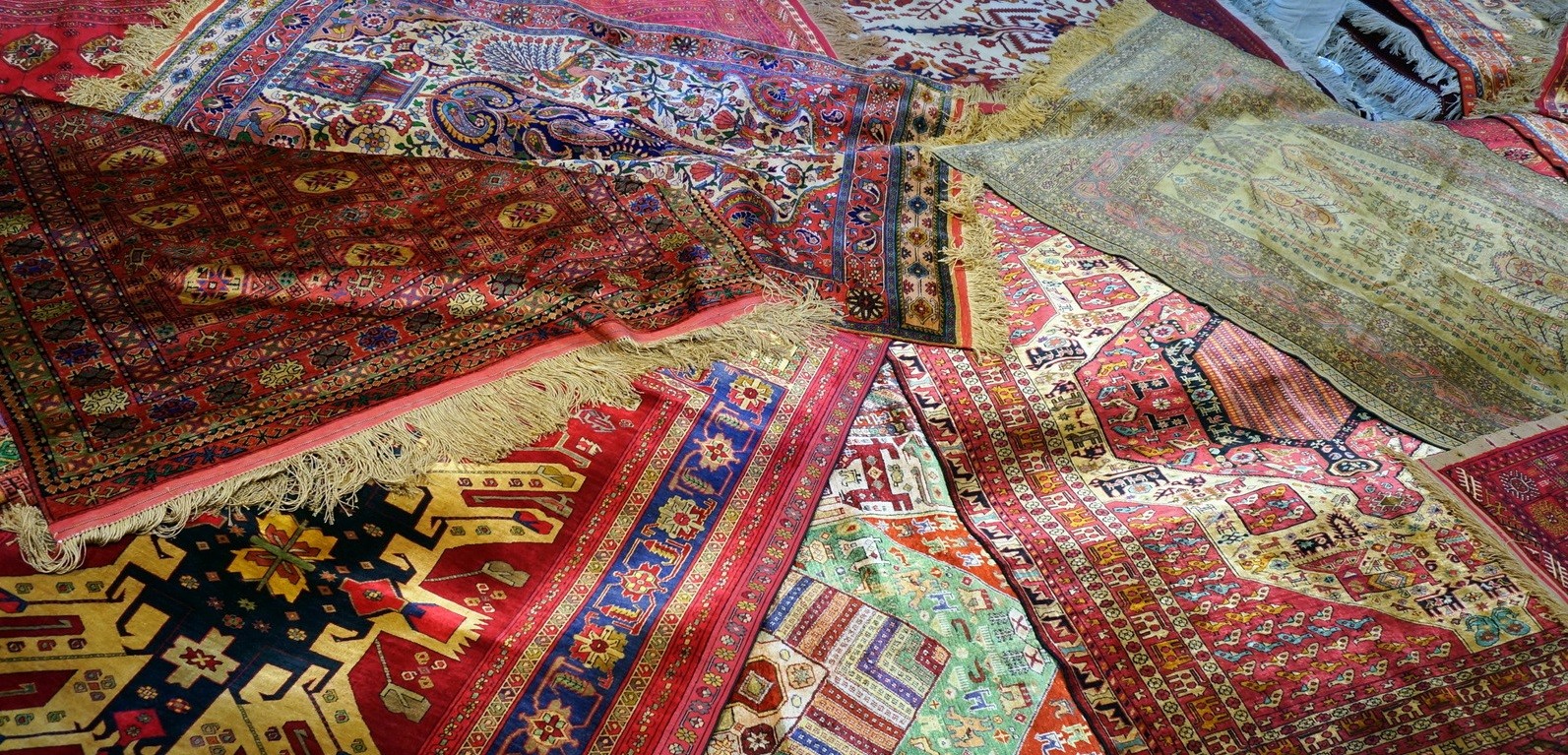
Persian carpets and rugs are among the most sought-after Iranian souvenirs. Renowned for their intricate designs, vibrant colors, and superior craftsmanship, these hand-woven masterpieces represent centuries of tradition and skill. Persian rugs are often made from silk or wool, and each region in Iran has its distinct style. Cities like Kashan, Qom, and Tabriz are famous for producing high-quality rugs.

Why Buy It:

  • Unique, long-lasting, and adds a touch of luxury to any home.
  • Each piece is a work of art, often taking months or even years to complete.

Tips:

  • Look for rugs with natural dyes and symmetrical knots.
  • Bargaining is common in Iranian bazaars, so don’t be afraid to negotiate the price.

Where to Buy:

  • Visit the Grand Bazaar of Tehran, Vakil Bazaar in Shiraz, or the bazaar in Isfahan.
  • Prices vary depending on size, material, and craftsmanship, ranging from $200 to several thousand dollars.

2. Saffron

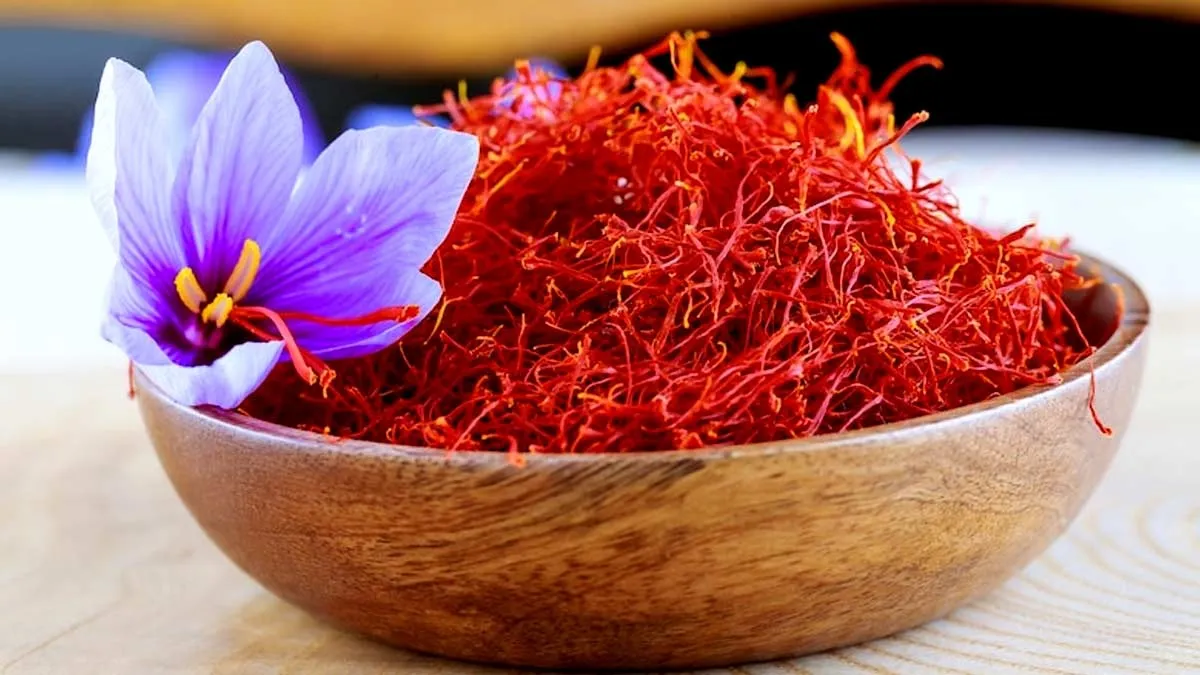
Known as “red gold,” Iranian saffron is considered the best in the world. Grown mainly in the Khorasan province, Iranian saffron is prized for its deep red color and strong aroma. Saffron is used in Persian cuisine to flavor and color dishes like rice, stews, and desserts.

Why Buy It:

  • High quality and much cheaper than in many other countries.
  • A perfect gift for food lovers.

Tips:

  • Choose saffron threads that are deep red with orange tips.
  • Avoid powdered saffron, as it may be mixed with lower-quality products.

Where to Buy:

  • Purchase saffron from reputable shops or directly from farmers in Mashhad.
  • Prices range from $3 to $6 per gram, depending on quality.

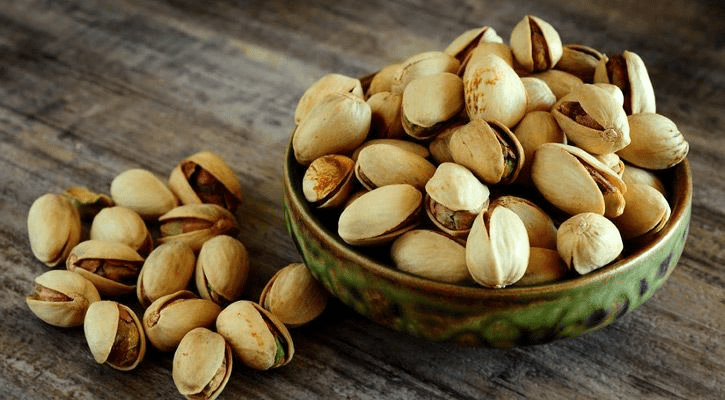
3. Pistachios and Other Nuts

Iran is one of the largest producers of pistachios, and its nuts are known for their superior taste and quality. In addition to pistachios, you can find almonds, walnuts, and hazelnuts. Iranian dried fruits like dates, figs, and apricots are also popular.

Why Buy It:

  • Fresh, delicious, and available in various flavors.
  • Great as a healthy snack or as a gift.

Tips:

  • Buy from reputable stores or well-known bazaars to ensure freshness.
  • Try flavored pistachios, such as those coated in lemon or saffron.

Where to Buy:

  • Check out Tehran’s Tajrish Bazaar or the Vakil Bazaar in Shiraz.
  • Pistachios typically cost between $10 and $20 per kilogram, depending on the variety.

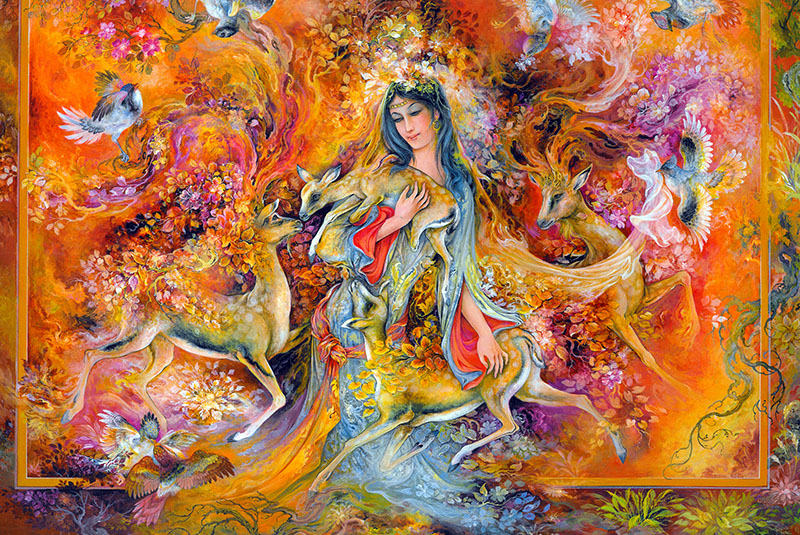
4. Miniature Paintings

Iranian miniature paintings are delicate works of art that depict scenes from Persian mythology, history, and literature. These paintings are often done on camel bone, wood, or paper and require incredible attention to detail.

Why Buy It:

  • Beautiful and unique art pieces.
  • A great way to learn about Persian culture and storytelling.

Tips:

  • Look for paintings signed by the artist.
  • Ask about the story or theme depicted in the artwork.

Where to Buy:

  • Visit art galleries and bazaars in Isfahan, a hub for miniature painting.
  • Prices vary widely based on size and complexity, ranging from $50 to several hundred dollars.

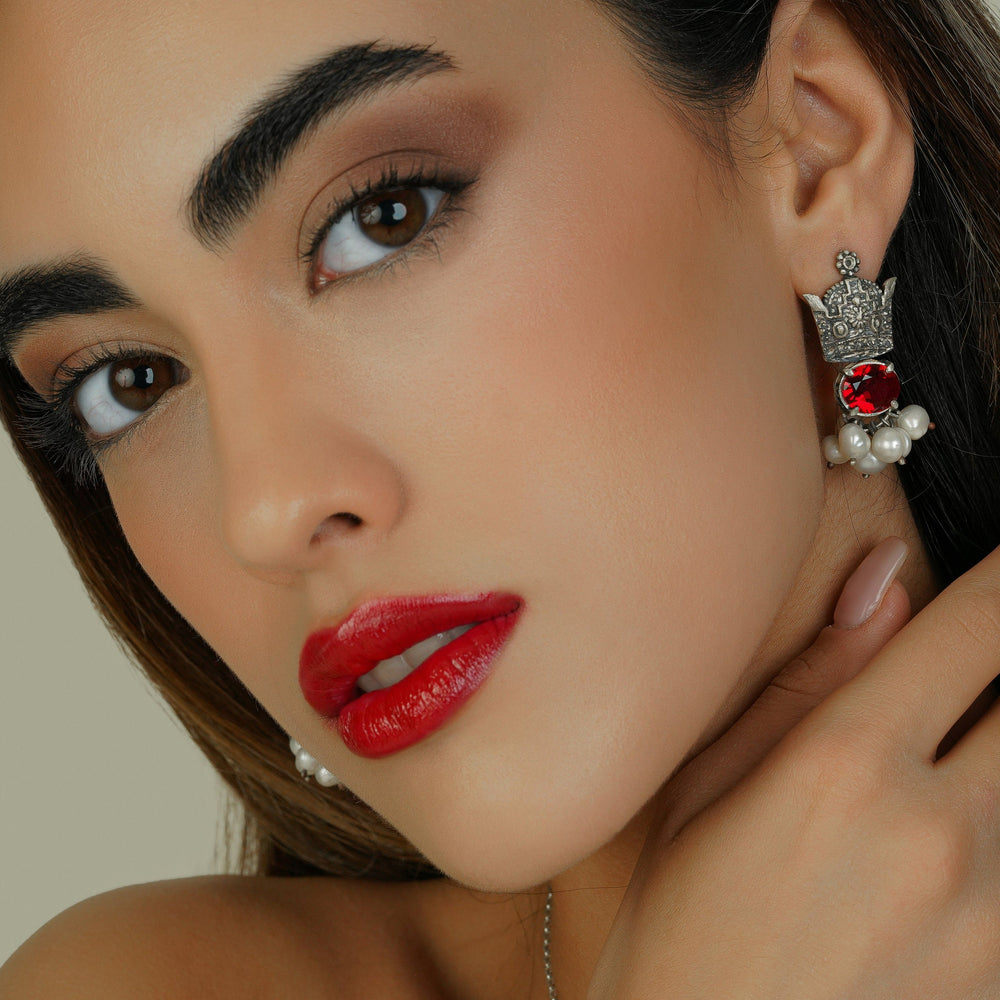
5. Turquoise Jewelry

Iranian turquoise, especially from the Neyshabur mines, is famous for its vivid blue color. Turquoise is often set in silver jewelry and is believed to bring good luck and ward off negative energy.

Why Buy It:

  • Stunning and affordable compared to Western markets.
  • Perfect as a personal keepsake or gift.

Tips:

  • Ensure that the stone is genuine Neyshabur turquoise.
  • Check the craftsmanship of the silverwork.
Where to Buy:

  • Neyshabur and Mashhad are famous for authentic turquoise.
  • Prices for small turquoise rings start at around $30, while larger pieces may cost several hundred dollars.

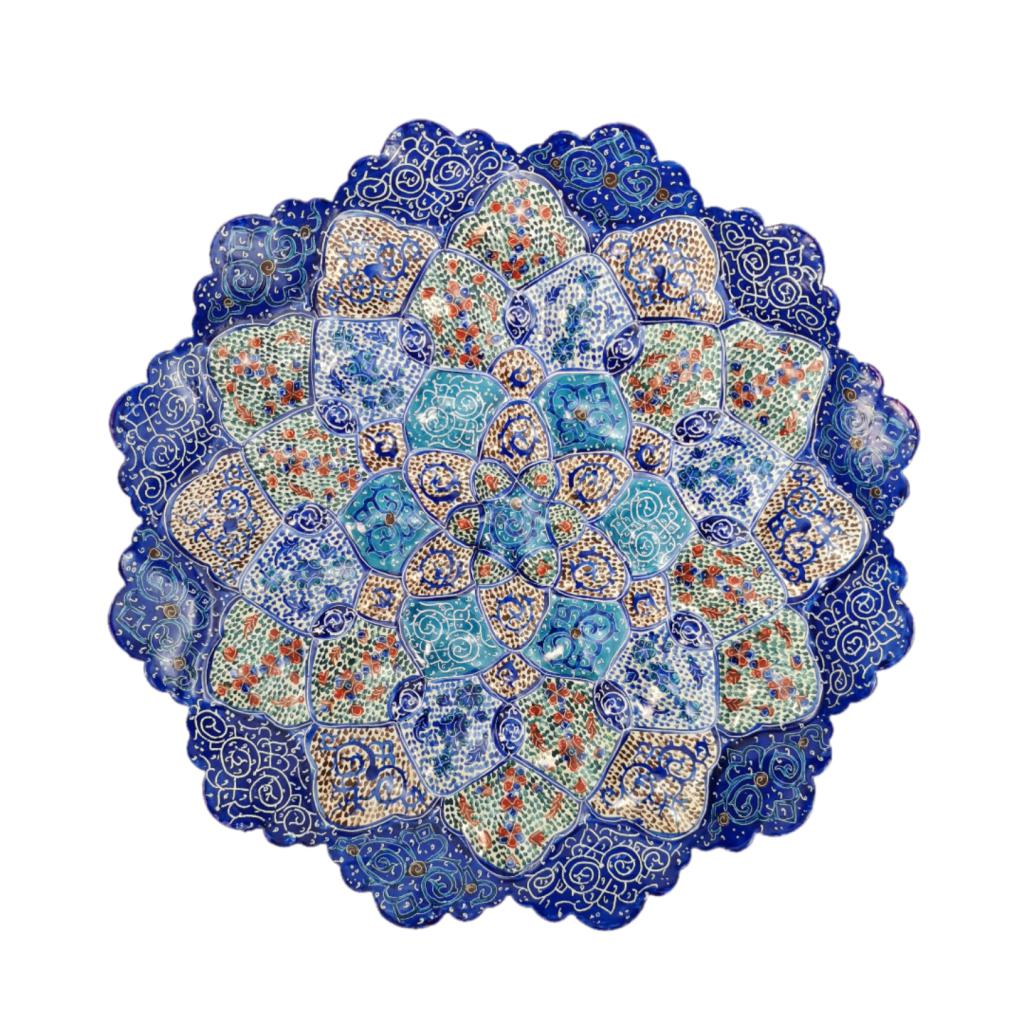
6. Enamelware (Minakari)

Minakari, or Persian enamelware, is a traditional craft where metal objects are decorated with colorful patterns. Enamel dishes, vases, and bowls from Isfahan are particularly popular.

Why Buy It:

  • Eye-catching and elegant home decor.
  • Represents centuries of Persian artistry.

Tips:

  • Look for fine, detailed patterns and smooth finishes.
  • Ensure the enamel surface is free from cracks.

Where to Buy:

  • Isfahan’s bazaars are the best place to buy Minakari.
  • Prices range from $20 for small items to over $200 for larger, more intricate pieces.

7. Persian Calligraphy

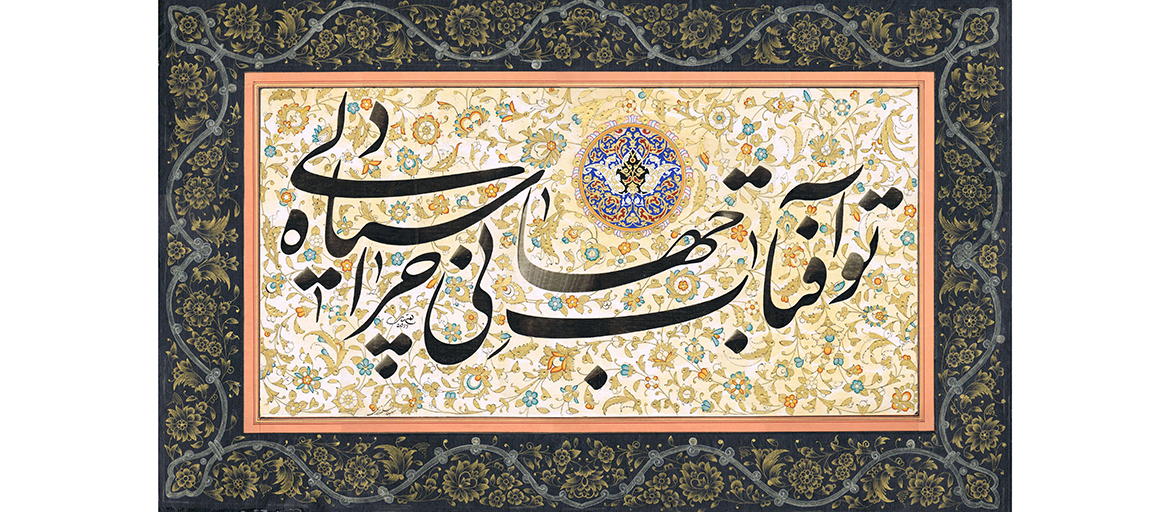
Persian calligraphy is a revered art form in Iran. You can find calligraphy on various items such as wall hangings, books, and decorative objects. The scripts often feature poetry by famous Persian poets like Hafez and Rumi.

Why Buy It:

  • Beautiful and meaningful art pieces.
  • A unique way to appreciate Persian literature.

Tips:

  • Choose pieces that resonate with you personally.
  • Ask for translations if you are unfamiliar with Persian.

Where to Buy:

  • Visit cultural shops and art galleries in Shiraz and Tehran.
  • Prices can start from $20 for simple pieces and go up to several hundred dollars for intricate works.

8. Rosewater and Herbal Distillates

Rosewater from Kashan is famous for its purity and fragrance. It is commonly used in Persian desserts, cosmetics, and traditional medicine. Additionally, herbal distillates made from mint, thyme, and other plants are popular for their health benefits.

Why Buy It:

  • High-quality and versatile product.
  • Ideal for cooking, skincare, or aromatherapy.

Tips:

  • Buy from trusted stores to ensure authenticity.
  • Check the label for the production date.

Where to Buy:

  • Kashan is the best place to buy rosewater directly from producers.
  • Prices range from $5 to $10 per liter, depending on purity.

9. Khatamkari (Inlaid Work)

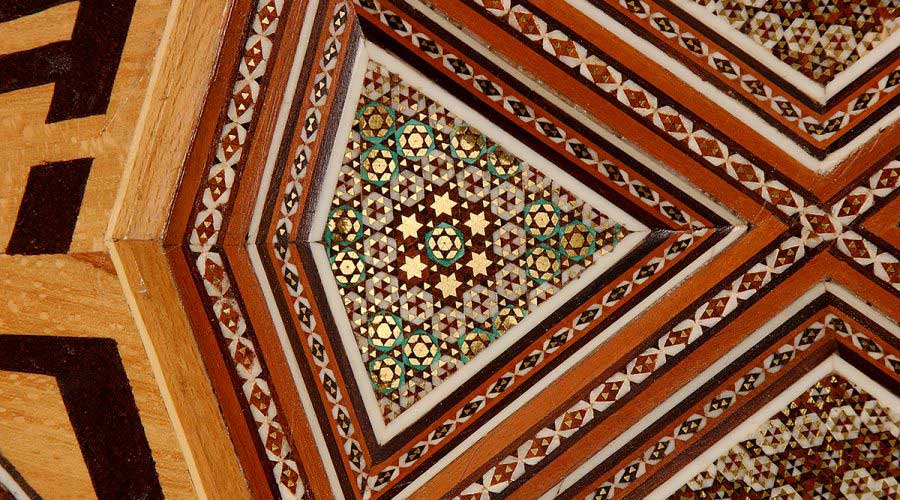
Khatamkari is a form of marquetry that involves decorating wooden surfaces with tiny pieces of metal, bone, and wood. The intricate geometric designs make Khatamkari boxes, chessboards, and photo frames unique gifts.

Why Buy It:

  • Exquisite craftsmanship and detailed patterns.
  • Suitable as a decorative or functional item.

Tips:

  • Inspect the inlay work closely for consistency and smoothness.
  • Ensure that the pieces are tightly fitted without gaps.

Where to Buy:

  • Isfahan is renowned for Khatamkari items.
  • Prices range from $30 to $300, depending on the size and intricacy of the piece.

10. Ceramics and Pottery

Iranian ceramics and pottery, especially from the city of Lalejin, are renowned for their beautiful glazes and intricate designs. You can find bowls, plates, and decorative items that showcase traditional Persian patterns.

Why Buy It:

  • Unique and hand-crafted items.
  • Adds a touch of Persian elegance to your home.

Tips:

  • Look for pieces with vibrant glazes and smooth finishes.
  • Handle with care, as pottery can be fragile.

Where to Buy:

  • Lalejin and Hamedan are famous for their pottery.
  • Prices range from $10 to $100, depending on size and craftsmanship.


× How can I help you?