+98 912 272 2656 info@persiatrek.com
Mount Damavand History

Mount Damavand History

Mount Damavand History

Explore Iran’s Most Legendary Mountain

Overview

Mount Damavand is not just the tallest mountain in Iran — it is a towering emblem of mythology, literature, and national pride. Rising to 5,610 meters (18,406 feet), this dormant stratovolcano in the Alborz mountain range has shaped the imagination of Iranians for thousands of years. From ancient Zoroastrian texts to epic poetry and folklore, the Mount Damavand history is a powerful blend of geological wonder and cultural depth.

In this in-depth article, we explore the historical significance, legendary stories, and symbolic role of Mount Damavand in Iranian identity.


Geographic and Geological Background

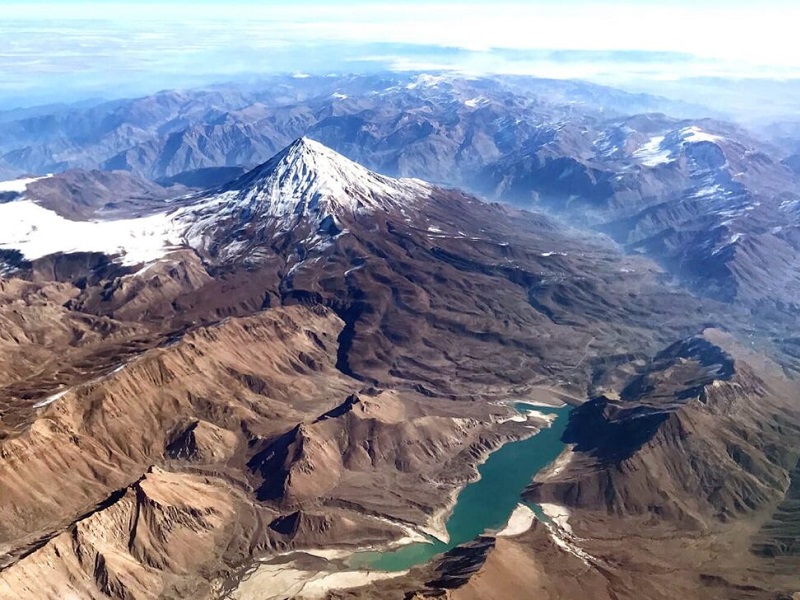
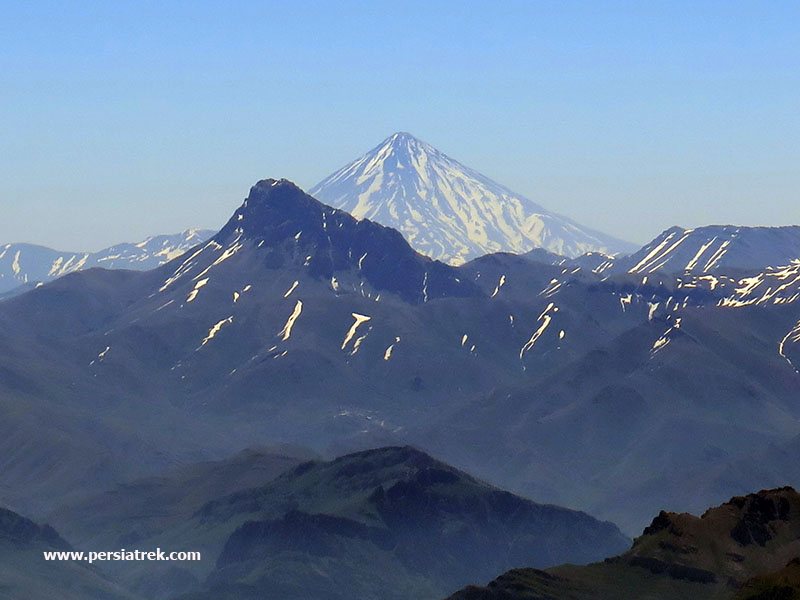
Mount Damavand is located in northern Iran, near the southern coast of the Caspian Sea and approximately 70 kilometers northeast of Tehran. It is part of the Alborz Mountains, which form a natural barrier between the Caspian and central Iran.

As a dormant stratovolcano, Damavand is characterized by:

  • A large conical shape

  • Volcanic gas vents (fumaroles) near its summit

  • Hot springs on its lower slopes

  • Mineral deposits such as sulfur and calcium carbonate

Damavand’s last known eruption is estimated to have occurred around 5300 BCE, but its geological heat is still present. This makes it a fascinating destination not only for climbers but also for researchers and nature enthusiasts.


Early Mentions in Ancient Texts

The earliest references to Mount Damavand appear in Zoroastrian scriptures, especially in the Avesta, the holy book of Zoroastrianism. In these texts, Damavand is described as a sacred mountain — one associated with divine strength and protection.

Later, Greek geographers such as Ptolemy included Damavand in early maps of the known world. In Islamic Golden Age literature, scholars like Al-Biruni and Zakariya al-Qazwini wrote detailed observations about its height, volcanic features, and legends told by the local population.


The Myth of Zahhak: Evil Imprisoned

The most enduring legend in Mount Damavand history is that of Zahhak, a ruthless, demonic king from Ferdowsi’s national epic, the Shahnameh.

 
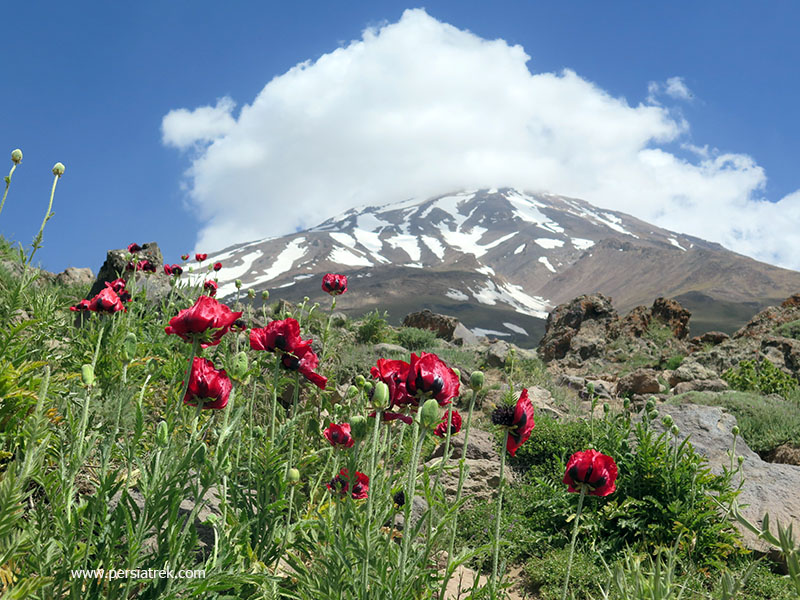
Damavand volcano and Persian legend of Zahhak

Damavand volcano and Persian legend of Zahhak

According to the story:

  • Zahhak was a tyrant with serpents growing from his shoulders.

  • The serpents fed on human brains, leading to brutal oppression.

  • A Persian hero named Fereydun led a revolt against Zahhak.

  • After defeating him, Fereydun did not kill Zahhak, but instead imprisoned him deep within Mount Damavand, where he remains bound in chains.

This tale elevated Damavand from a natural landmark to a cosmic prison of evil, forever guarding the world from tyranny.

Symbolic Meaning:

  • Zahhak: Evil, oppression, darkness

  • Damavand: Resistance, justice, eternal vigilance

This myth is widely taught in schools and recited in Iranian households, reinforcing Damavand’s role as a cultural icon.


Mount Damavand in Persian Poetry and Literature

Throughout centuries, Mount Damavand has featured prominently in Persian poetry, symbolizing everything from resilience to freedom.

Bahār’s Famous Poem

In the 20th century, Malek o-Sho’arā Bahār, a renowned literary figure, wrote one of the most iconic odes to Damavand during a time of political struggle in Iran.

“O white-capped Damavand,
Lofty guardian of this land,
You rise in silent, fearless might,
While tyrants fade into the night.”

This poem became a symbol of national resistance, especially during the Constitutional Revolution and the Iranian Revolution, as Damavand came to embody the voice of the people against tyranny.


Damavand in National Identity

Over time, Damavand has become a fixture in Iranian national consciousness. It appears in:

  • Persian carpets and miniatures

  • Government emblems and military insignia

  • National songs, such as “Ey Iran”

  • Literary works that explore the tension between ancient tradition and modern challenges

In a country shaped by waves of conquest, revolution, and reform, Mount Damavand stands as a constant — unshaken and timeless.


Religious and Spiritual Beliefs

In addition to mythology and literature, Damavand is often considered a place of spiritual energy. Zoroastrians, and even some mystic Muslim sects, view the mountain as a center of natural power, where earth, fire, water, and air converge in harmony.

Some Iranians believe the mountain holds sacred qualities, including:

  • Healing properties in its hot springs

  • Mystical balance of the elements

  • Being a point of cosmic alignment in ancient traditions


Tourism and Mountaineering

Today, Mount Damavand attracts thousands of climbers each year. It’s considered a non-technical climb during summer but can be extremely challenging in winter due to snow and wind. Key information includes:

  • Popular Routes: South Route (easiest), North, Northeast, and West

  • Base Camps: Polour and Rineh villages

  • Summit Features: Crater, sulfur vents, panoramic views of Alborz

  • Climbing Season: June to September (ideal weather)

Eco-tourism in the area is growing, and conservation efforts aim to protect the mountain’s fragile alpine environment.


Quick Reference Table: Mount Damavand

Feature Details
Elevation 5,610 meters (18,406 feet)
Location Mazandaran Province, Iran
Mountain Type Dormant stratovolcano
Geological Features Fumaroles, mineral springs, glaciers
Last Eruption ~5300 BCE
Historical Significance Zoroastrian texts, Islamic chronicles
Mythological Role Prison of Zahhak in Shahnameh
Cultural Role National symbol of resistance and pride
Climbing Difficulty Moderate (in summer), hard (in winter)

Conclusion: Why Mount Damavand Still Matters

The Mount Damavand history is not a mere record of ancient geology or folklore — it is a living part of Iranian identity. It tells the story of a people who have weathered storms, resisted tyranny, and clung to their heritage.

From epic battles between good and evil to poetic declarations of freedom, Damavand is more than a mountain — it is Iran’s spiritual summit.

Damavand trekking tour
6-Day Trekking Damavand South Route

From 620$

See Details

mount damavand
9-Day Trekking Damavand & Alamkuh

From 930$

See Details

touchal
6-Day Trekking Damavand &Touchal

From 670$

See Details

Damavand trekking tour
4-Day Trekking Damavand- Economy Tour

From 400$

See Details

Damavand trekking tour
15-Day Trekking Damavand , Alamkuh , Sabalan

From 1400$

See Details

damavand northeast route
6-Day Trekking Damavand Northeast Route

From 700$

See Details

mount damavand climb
6-Day Trekking Damavand West Route

From 650$

See Details

mount damavand climb
6-Day Trekking Damavand North Route

From 750$

See Details

mount damavand climb
6-Day Trekking Damavand Northwest Route

From 800$

See Details

Mount Damavand Photo Gallery

Damavand Volcanic Crater

Damavand Volcanic Crater

Damavand Volcanic Crater

A Majestic Summit in the Heart of Iran

📌 Overview

Mount Damavand is more than just Iran’s tallest mountain—it’s home to a fascinating natural feature: the Damavand volcanic crater. Rising 5,610 meters above sea level, this dormant stratovolcano dominates the Alborz mountain range, offering awe-inspiring views and rich geological significance.

Треккинг-тур Дамаванд и Аламкух


🌋 What is the Damavand Volcanic Crater?

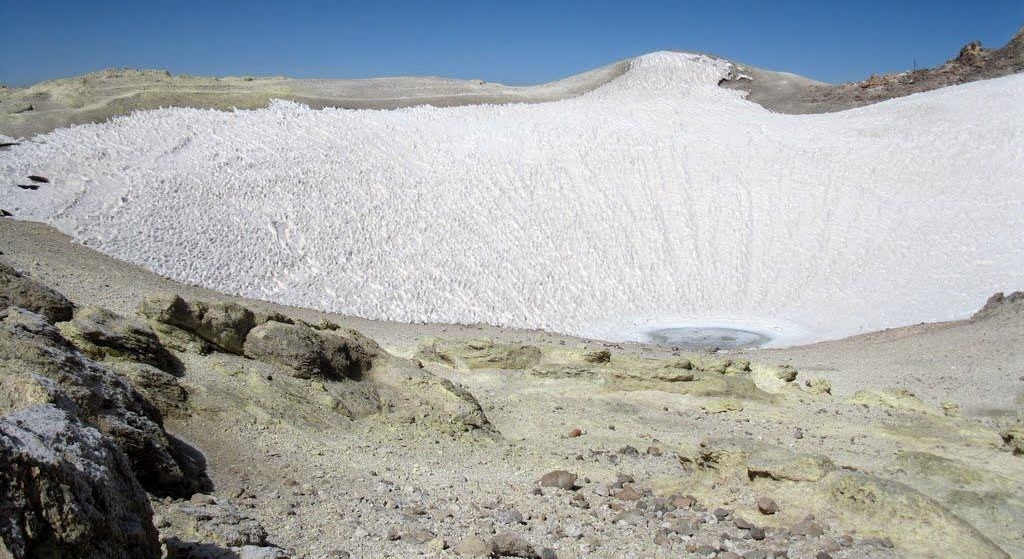
The Damavand volcanic crater is a bowl-shaped depression formed by explosive eruptions thousands of years ago. Today, it sits dormant but not extinct—sulfur vents and fumaroles near the crater still release volcanic gases, proving that Damavand remains geothermally active.

Key Features:

  • 400-meter-wide summit crater

  • Active sulfur vents and fumaroles

  • Ice and snow cover year-round

  • High-altitude terrain ideal for adventurous climbers


🧭 How to Reach the Crater

Reaching the Damavand volcanic crater requires a high-altitude trek. There are multiple routes to the summit, with the southern route being the most popular.

Trekking Tips:

  • Best season: July to September

  • Duration: 2–3 days with acclimatization

  • Difficulty: High – for experienced hikers

  • Gear: Cold-weather clothing, trekking poles, gas mask for sulfur areas

  • Guide: Recommended for safety and navigation

Damavand acclimatization

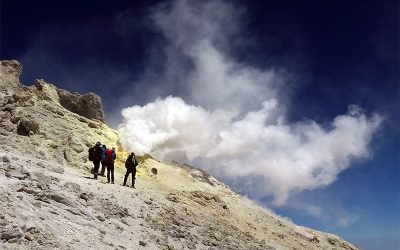
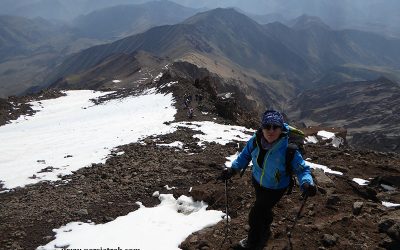
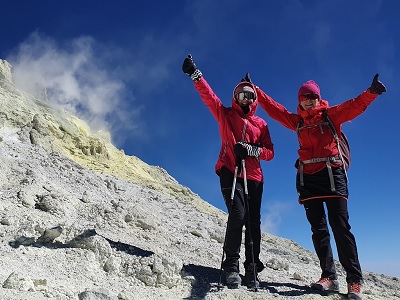
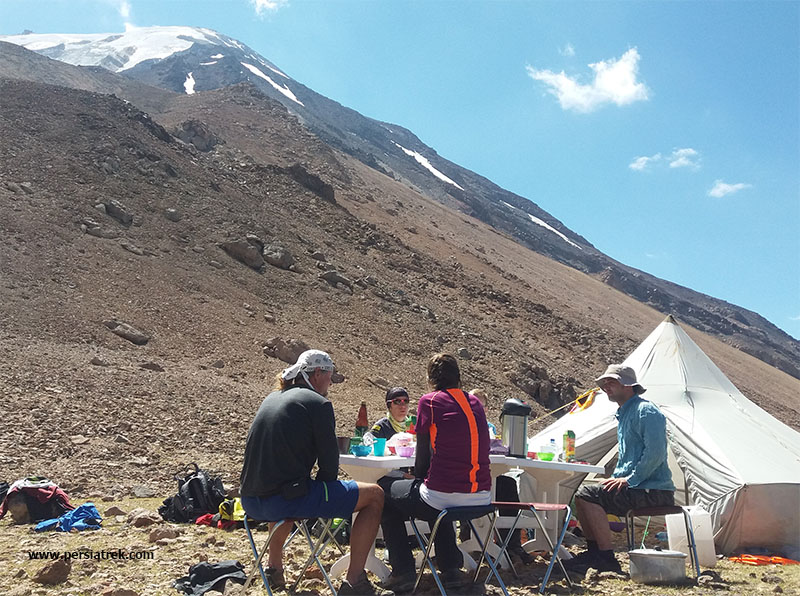
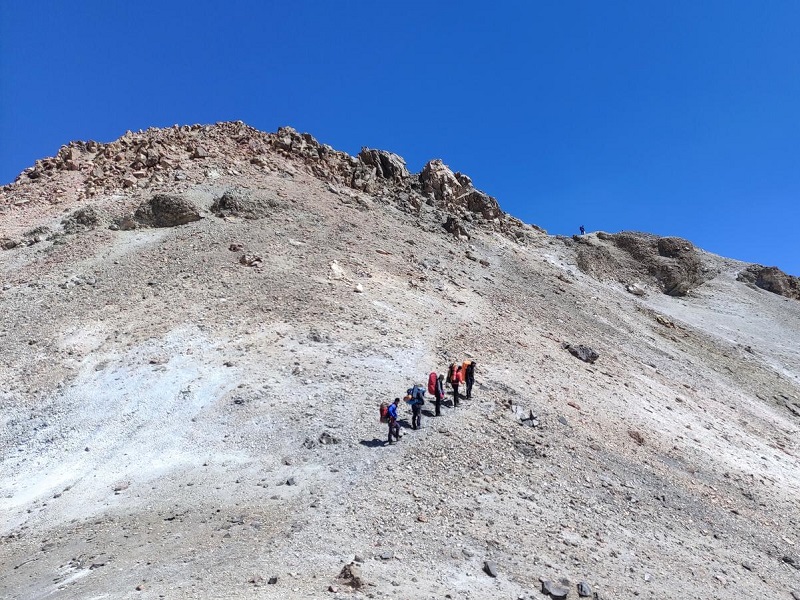
Climbers near Damavand volcanic crater


🧪 Geological & Scientific Significance

Damavand is part of the Alborz volcanic arc, and its crater provides valuable data on Iran’s tectonic and geothermal activity.

Scientific highlights:

  • Sulfur deposits useful for geological research

  • Evidence of historical lava flows

  • Dormant status with geothermal emissions

Researchers often study the Damavand volcanic crater to understand volcanic behavior in collision zones like the Iranian Plateau.


🏛️ Myth & Legend of Mount Damavand

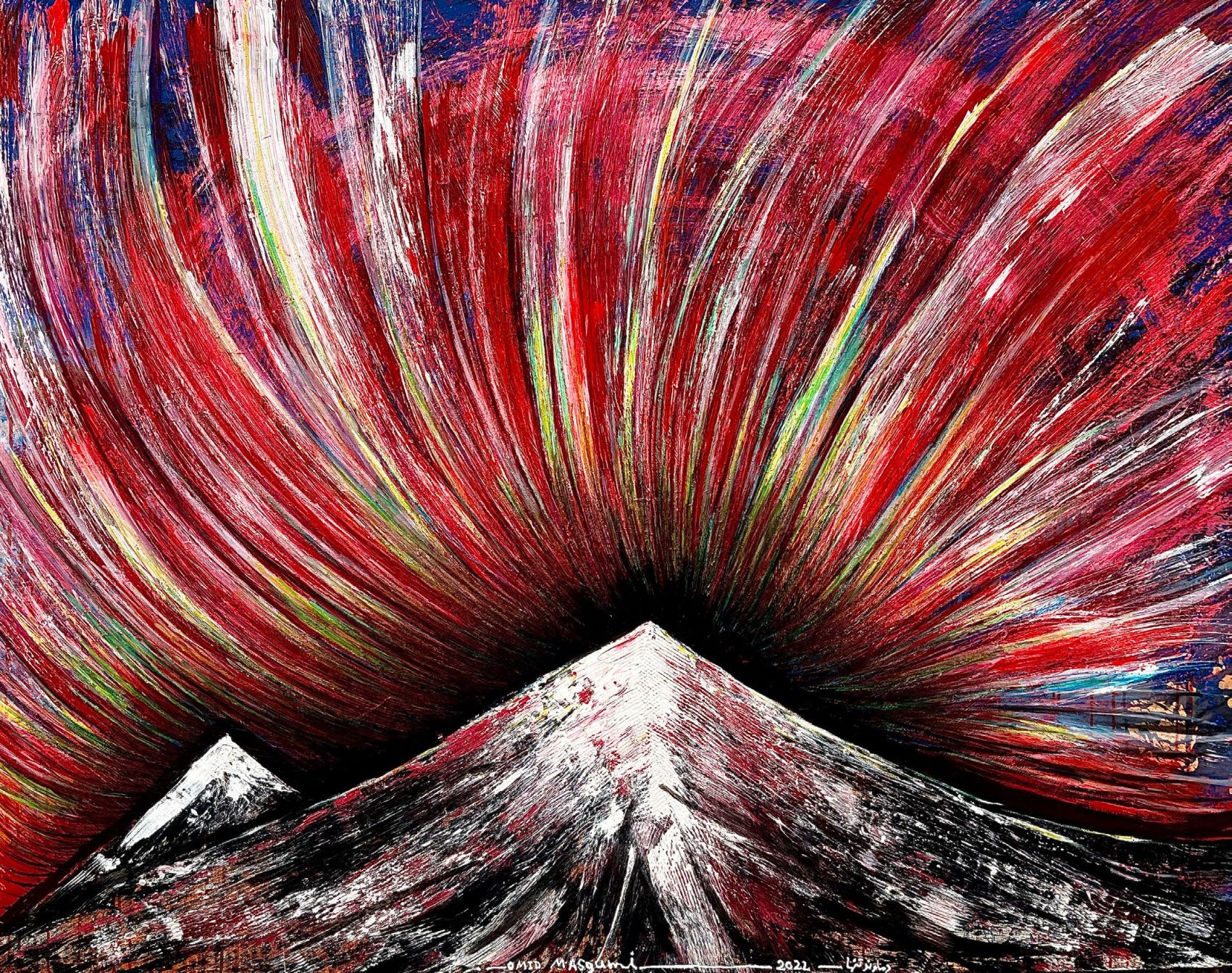
In Persian mythology, the Damavand volcanic crater is said to imprison Zahhak, a mythical tyrant defeated by the hero Fereydun. The mountain has long symbolized resistance, strength, and freedom in Iranian culture.

Damavand volcano and Persian legend of Zahhak

Damavand volcano and Persian legend of Zahhak


🌿 Conservation & Safety

While the Damavand volcanic crater is a stunning attraction, it’s essential to practice Leave No Trace principles:

  • Avoid damaging natural formations

  • Respect local wildlife and plant life

  • Pack out all trash

  • Stay on marked trails

Also, be cautious of:

  • Altitude sickness

  • Sudden weather changes

  • Toxic gas exposure near fumaroles


🔚 Final Thoughts

The Damavand volcanic crater is a must-see for adventure travelers, nature lovers, and geology enthusiasts. Whether you’re summiting for the thrill or the science, this iconic crater offers a unique window into both Earth’s history and Iranian heritage.


✅ Quick Facts

Feature Details
Elevation 5,610 m (18,406 ft)
Crater Width ~400 meters
Activity Dormant with sulfur vents
Best Season Summer (July–September)
Location Mazandaran Province, Iran
Damavand trekking tour
6-Day Trekking Damavand South Route

From 620$

See Details

mount damavand
9-Day Trekking Damavand & Alamkuh

From 930$

See Details

touchal
6-Day Trekking Damavand &Touchal

From 670$

See Details

Damavand trekking tour
4-Day Trekking Damavand- Economy Tour

From 400$

See Details

Damavand trekking tour
15-Day Trekking Damavand , Alamkuh , Sabalan

From 1400$

See Details

damavand northeast route
6-Day Trekking Damavand Northeast Route

From 700$

See Details

mount damavand climb
6-Day Trekking Damavand West Route

From 650$

See Details

mount damavand climb
6-Day Trekking Damavand North Route

From 750$

See Details

mount damavand climb
6-Day Trekking Damavand Northwest Route

From 800$

See Details

Mount Damavand Photo Gallery

Guide to Visiting Iranian Touristic Islands

Ultimate Guide to Visiting Iranian Touristic Islands

Things to Do, Activities, and Attractions OF Qeshm, Hormoz, and Kish Islands

Introduction to Iranian Touristic Islands

Iran is famous for its rich history, magnificent architecture, and breathtaking landscapes. However, beyond its deserts and mountains, Iran also boasts beautiful islands that remain hidden gems for many travelers. Among them, Iranian Touristic Islands : Qeshm, Hormoz, and Kish stand out as the top touristic destinations, each offering a unique blend of natural beauty, adventure, and cultural experiences.

Why Visit Iranian Touristic Islands : Qeshm, Hormoz, and Kish?

These three islands offer a diverse range of attractions for every type of traveler. Whether you’re a nature lover, a history enthusiast, or a beachgoer, you’ll find something to enjoy:

  • Qeshm – Known as the largest island in the Persian Gulf, Qeshm is famous for its unique geological formations, mangrove forests, and traditional lifestyle.
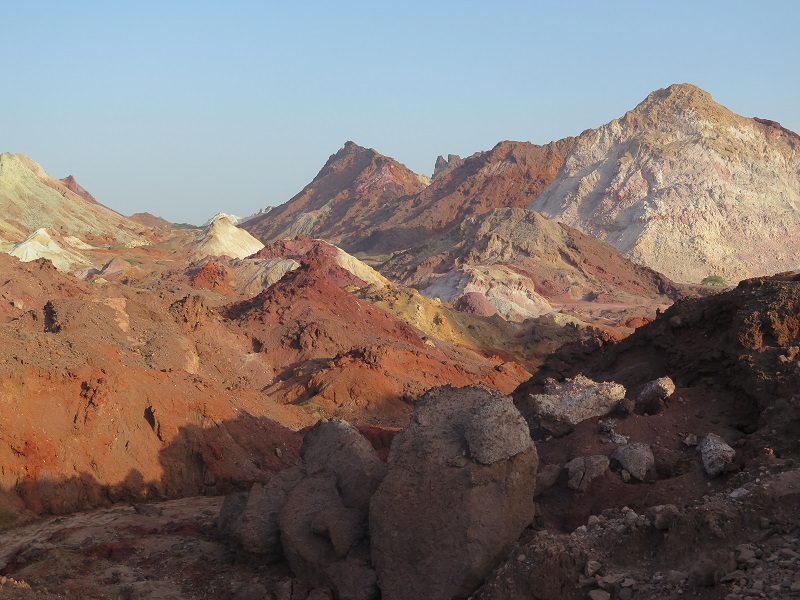
  • Hormoz – Also called The Rainbow Island, Hormoz mesmerizes visitors with its vibrant, colorful landscapes and stunning coastal scenery.
  • Kish – Iran’s most luxurious island, Kish is a hotspot for shopping, water sports, and pristine beaches with clear waters.

If you’re planning to explore Iran’s islands, this ultimate guide will help you navigate through the best time to visit, top attractions, activities, accommodations, and essential travel tips.


Best Time to Visit the Iranian Touristic Islands

Hormoz island

Seasonal Weather and Climate

The Persian Gulf islands experience hot summers and mild winters. The best time to visit is from November to March, when the temperatures are comfortable, ranging from 18°C to 27°C (64°F to 80°F).

Tourist Peak Seasons vs. Off-Seasons

  • Peak Season (November – March) – Ideal for sightseeing, outdoor activities, and festivals. However, it’s also the busiest time with higher prices.
  • Off-Season (April – October) – Very hot and humid, making it less suitable for outdoor exploration, but perfect for budget travelers seeking discounts.

How to Get to Qeshm, Hormoz, and Kish

Iran cycling adventure

Flights to the Islands

All three islands have domestic airports, and Kish even has an international airport with flights from Dubai and Istanbul. Direct flights from Tehran, Shiraz, and Bandar Abbas are available to Qeshm, Kish, and sometimes Hormoz.

Ferry and Boat Services

  • Qeshm and Hormoz can be reached via ferry from Bandar Abbas or nearby coastal towns.
  • Kish is accessible via flights or ferries from Bandar Lengeh and Genaveh.

Travel Tips for a Smooth Journey

  • Book flights early during peak season.
  • Ferries may have limited schedules, so check availability beforehand.
  • Carry cash as some ferries do not accept credit cards.

Qeshm Island – The Largest Island in Iran


Top Attractions in Qeshm

Stars Valley – A Natural Wonder

One of Qeshm’s most breathtaking sights, Stars Valley, is a surreal landscape shaped by wind and rain over millions of years. It’s best visited at sunset for a magical experience.

Chahkooh Canyon – A Photographer’s Paradise

With its deep gorges and unique rock formations, Chahkooh Canyon is a must-see for nature lovers and photographers alike.

Hara Mangrove Forest – Unique Biodiversity

A boat ride through the Hara Mangrove Forest lets you witness rare birds and marine life in this ecological wonder.

Activities to Do in Qeshm

  • Caving in Namakdan Salt Cave – The longest salt cave in the world.
  • Boat Tours and Dolphin Watching – See wild dolphins in the Persian Gulf.
  • Shopping in Qeshm Traditional Bazaar – A great place to buy handicrafts and souvenirs.

Hormoz Island – The Rainbow Island of Iran

Iran Cultural and Adventure Tour

Must-See Attractions in Hormoz

Red Beach – The Unique Colored Sand

Hormoz’s Red Beach is unlike anything you’ve ever seen. The red-colored sand creates a mesmerizing contrast with the blue sea.

The Salt Goddess Cave – A Spiritual Experience

This magical cave, filled with glistening salt crystals, offers a mystical atmosphere.

The Portuguese Castle – A Historic Landmark

A remnant of the 16th-century Portuguese rule, this fortress stands as a reminder of the island’s past.

Unique Experiences in Hormoz

  • Renting a Motorbike to Explore the Island
  • Trying Local Delicacies – Especially the famous Hormoz bread made with red soil.

Kish Island – Iran’s Luxury Destination

While Qeshm and Hormoz offer raw natural beauty and cultural experiences, Kish Island stands out as a luxurious getaway with modern attractions, high-end shopping, and world-class water sports. It is often compared to Dubai, thanks to its duty-free shopping zones and international resorts.

Iconic Places to Visit in Kish

The Greek Ship – A Sunset Spot

One of Kish’s most famous landmarks, The Greek Ship, is a rusted shipwreck stranded on the shore since 1966. It has become a prime sunset-watching spot, drawing both tourists and photographers. The golden glow of the sun setting behind the ship creates a mesmerizing scene.

Kariz Underground City – A Hidden Gem

Unlike any typical tourist attraction, Kariz Underground City is an ancient aqueduct system dating back 2,500 years. This underground city, made of coral structures, was originally designed for water storage. Today, it has been turned into a museum and cultural center where visitors can walk through tunnels that lie 16 meters beneath the surface.

Dolphin Park – Fun for Families

If you’re visiting with family, Dolphin Park is a must-visit. The park features dolphin and sea lion shows, an aquarium, a bird garden, and a butterfly park, making it one of the most entertaining spots for kids.

Best Things to Do in Kish

Snorkeling and Scuba Diving

Kish Island has some of the clearest waters in the Persian Gulf, making it a paradise for snorkelers and divers. There are numerous dive sites where you can explore colorful corals, beautiful fish, and even sunken ships. The most famous diving spots include:

  • Marjan Beach Reef
  • Big Coral Reef
  • Southern Beach

Luxury Shopping Malls

Since Kish is a duty-free zone, shopping is one of the top activities here. You’ll find affordable prices on electronics, clothing, perfumes, and luxury brands. Some of the best malls include:

  • Venus International Mall
  • Pardis Mall
  • Darian Mall

Jet Skiing and Parasailing

For thrill-seekers, Kish offers a range of adventure water sports, including:

  • Jet skiing
  • Parasailing
  • Banana boat rides
  • Flyboarding

With crystal-clear waters and professional instructors available, these activities are safe and perfect for adrenaline lovers.


Accommodation Options on the Islands

Whether you’re traveling on a budget or looking for a luxurious retreat, these islands offer a variety of accommodation options:

Best Hotels in Qeshm, Hormoz, and Kish

  • Qeshm: Arta Hotel, Fulton Boutique Hotel
  • Hormoz: Hormoz Beach Eco-Lodge, Local Guesthouses
  • Kish: Dariush Grand Hotel, Toranj Marine Hotel (floating villas)

Budget-Friendly Hostels and Guesthouses

For budget travelers, there are guesthouses and eco-lodges available on all three islands. Staying in homestays in Qeshm or Hormoz also allows you to experience authentic local culture.


Local Food and Cuisine on the Islands

The Persian Gulf islands have rich and diverse cuisines, heavily influenced by seafood and traditional Persian flavors.

Seafood Specialties You Must Try

  • Ghalieh Mahi – A spicy fish stew with tamarind and herbs.
  • Mehdi Shrimp – A local delicacy cooked with saffron and lemon.
  • Majboos (Kabsa Rice) – A spiced rice dish similar to biryani, common in Kish.

Popular Restaurants and Local Markets

  • Qeshm: Shabhaye Talai, Hami Restaurant
  • Hormoz: Local food stalls by the beach
  • Kish: Kooh Noor Restaurant, Food Land Complex

If you’re a food lover, visiting the local fish markets and trying street food stalls is a must!


Culture and Traditions of the Islands

Despite being popular tourist destinations, these islands retain their rich cultural heritage.

The Unique Dress Code of Local Women

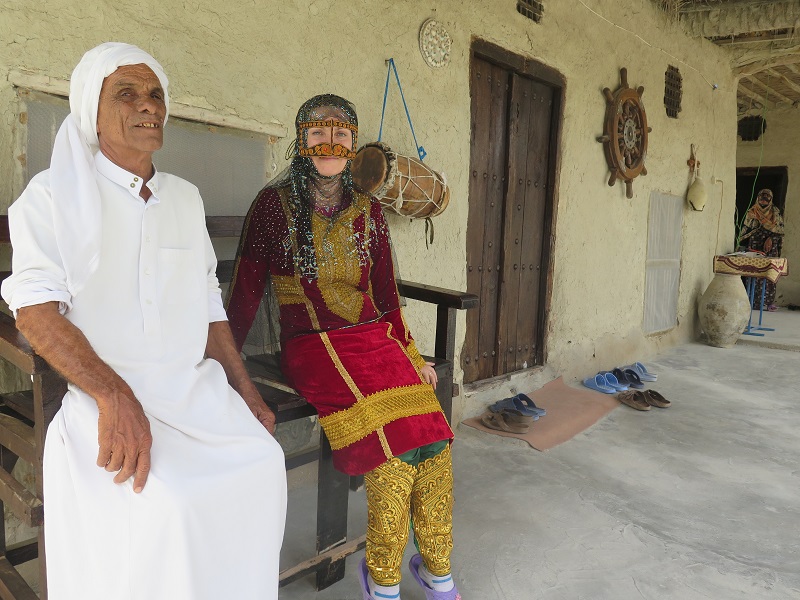
On Qeshm and Hormoz, many local women wear colorful traditional masks called Burqa, which are part of the island’s centuries-old traditions.

Traditional Music and Festivals

  • The Nowruz Festival (Persian New Year) – Celebrated with music and dancing.
  • Fishermen’s Festival – A local event celebrating the fishing season.

Travel Tips for an Unforgettable Trip

To make the most of your trip to Qeshm, Hormoz, and Kish, keep these tips in mind:

Budget Planning for Your Island Adventure

  • Kish is more expensive due to its luxury appeal.
  • Qeshm and Hormoz are budget-friendly, with affordable accommodations and food.
  • Bargaining is common in local markets, so don’t hesitate to negotiate!

Safety Tips and Cultural Etiquette

  • Kish is a visa-free zone, but Qeshm and Hormoz require a standard Iranian visa.
  • Modest dressing is expected, especially for women.
  • Cash is preferred since many local shops don’t accept credit cards.
  • Respect local customs and photography rules, especially in villages.

Conclusion

Iran’s touristic islands—Qeshm, Hormoz, and Kish—offer an unforgettable blend of nature, culture, history, and adventure. Whether you seek the mystical landscapes of Qeshm, the colorful beauty of Hormoz, or the luxury of Kish, each island promises a unique travel experience.

If you love off-the-beaten-path destinations, exploring these Persian Gulf gems should definitely be on your bucket list!

FAQs – Qeshm and Hormoz


1. How can I travel to Qeshm and Hormoz from mainland Iran?

You can reach Qeshm Island by domestic flights from major cities like Tehran, Shiraz, and Isfahan, or by ferry from Bandar Abbas. To reach Hormoz Island, you need to take a ferry from Bandar Abbas or Qeshm.

2. What is the best time of year to visit Qeshm and Hormoz?

The best time to visit is from November to March, when the weather is cool and pleasant. Summers (June to September) are extremely hot and humid, making outdoor exploration difficult.

3. Do I need a visa to visit Qeshm and Hormoz?

Yes, Qeshm and Hormoz require an Iranian visa for most foreign visitors. However, travelers from certain countries may get a visa-on-arrival. Kish Island is visa-free, but Qeshm and Hormoz follow Iran’s standard visa regulations.

4. What are the must-visit attractions on Qeshm and Hormoz?

In Qeshm, don’t miss Stars Valley, Chahkooh Canyon, Hara Mangrove Forest, and Namakdan Salt Cave. In Hormoz, top sights include Red Beach, Rainbow Mountains, Portuguese Castle, and The Salt Goddess Cave.

5. Are there budget-friendly accommodations on Qeshm and Hormoz?

Yes! Both islands have eco-lodges, guesthouses, and local homestays, making them affordable for budget travelers. Prices are much lower than Kish, and you can find comfortable stays with local hospitality.

6. What local foods should I try on Qeshm and Hormoz?

Seafood is a highlight! Try Ghalieh Mahi (spicy fish stew), grilled shrimp, Majboos (spiced rice), and Hormoz’s special red bread made with the island’s colorful soil.

7. Can I explore Qeshm and Hormoz on my own, or do I need a tour guide?

Yes, you can explore both islands independently! In Qeshm, renting a car or motorbike is a great option. In Hormoz, most visitors rent motorbikes or bicycles to see the island at their own pace. However, a local guide can enhance your experience by sharing cultural and historical insights.

FAQs – Kish Island

1. Do I need a visa to visit Kish Island?

No, Kish Island is visa-free for most nationalities. Travelers can stay for up to 14 days without a visa. However, upon arrival, you may need to register at the airport and provide hotel booking details.

2. What are the best things to do in Kish?

Kish offers a mix of relaxation, adventure, and shopping. Some top activities include:
Snorkeling & Scuba Diving – Explore the clear waters and coral reefs.
Visit the Greek Ship – A famous shipwreck and a perfect sunset spot.
Kariz Underground City – A 2,500-year-old aqueduct turned cultural center.
Luxury Shopping – Since Kish is duty-free, shopping is a big attraction.
Jet Skiing & Parasailing – Water sports lovers will find plenty of activities to enjoy.

3. What is the best time to visit Kish Island?

The ideal time to visit is from November to March when the weather is cool and pleasant (18°C – 27°C). Summers (June to September) are extremely hot and humid, making outdoor activities less enjoyable.

4. Are there budget-friendly accommodations on Kish?

Yes! While Kish is known for luxury hotels, there are also budget-friendly hostels and guesthouses. Some of the best options include:

  • Luxury Stays: Dariush Grand Hotel, Toranj Marine Hotel (floating villas).
  • Budget Options: Parmis Hotel, Kish Youth Hostel, and local guesthouses.


Iran UNESCO World Heritage Sites

7-Day Trip to Qeshm and Hormoz Islands

From 550$

See Details

touchal

3-Day Tehran Sightseeing Tour

From 360$

See Details

touchal

14-Day Persian History Travel

From 1800$

See Details

Iranian caravanserais

15-Day Iran Sightseeing Tour

From 1950$

See Details

Most Beautiful Mosques in Iran

7-Day Iran Ancient Cities Tour

From 880$

See Details

Iran UNESCO World Heritage Sites

27-Day Iran UNESCO World Heritage Sites Tour

From 3200$

See Details

Iran UNESCO World Heritage Sites

4-Day Iran Classic Tour : Tehran , Isfahan , Shiraz

From 480$

See Details

Dasht-e Lut Desert

12-Day Central Iran Desert Tour

From 1200$

See Details

Most Beautiful Mosques in Iran

See Details

Iran Cultural and Adventure Tour

See Details

Iran UNESCO World Heritage Sites

13-Day Iran Northern Cities

From 1550$

See Details

Руководство по восхождению на гору Дамаванд

Руководство по восхождению на гору Дамаванд

Руководство по восхождению на гору Дамаванд

Полный путеводитель по восхождению на гору Дамаванд

Полный путеводитель по восхождению на гору Дамаванд

Гора Дамаванд (5610 м) — это не только высочайший вулкан Азии, но и символ Ирана, окруженный легендами. Подъем на эту вершину — мечта многих альпинистов и любителей горных походов. В этом путеводителе мы разберем все важные моменты: лучшие маршруты, подготовку, снаряжение и советы по безопасности.

в этой статье мы подготовили полное руководство по восхождению на гору Дамаванд для тех, кто хочет узнать больше о горе Дамаванд


Почему стоит подняться на Дамаванд?

✔️ Самая высокая вулканическая гора в Азии — часть списка “Семь вулканических вершин мира“.
✔️ Не требует сложного альпинистского опыта — доступен для подготовленных туристов.
✔️ Уникальная природа — лавовые поля, фумаролы и захватывающие панорамы.
✔️ Историческое и культурное значение — гора упоминается в персидских мифах.

Если вы хотите испытать свои силы и насладиться видами на высоте более 5 000 метров, Дамаванд — отличный выбор.


Лучшее время для восхождения

Оптимальный период — с июня по сентябрь, когда:
✅ Меньше снега.
✅ Температура комфортная.
✅ Погода стабильнее.

Зимние восхождения (декабрь – апрель)

❄️ Глубокий снег, сильные морозы и шквальный ветер (до 100 км/ч).
❄️ Рекомендуется только для опытных альпинистов.

Вывод: Лучше всего подниматься летом.


Маршруты восхождения

1. Южный маршрут (самый популярный и легкий)

Damavand trekking tour

Карта в полном размере
  • Старт: Полур или Рине.
  • Базовый лагерь: Гусфанд-Сара (3000 м).
  • Приют: Баргах-е-Севом (4200 м).
  • Продолжительность: 3-4 дня.
  • Плюсы: Хорошая инфраструктура, самый безопасный маршрут.
  • Минусы: Может быть многолюдно в сезон.

2. Северный маршрут (сложный, но живописный)

Mount Damavand Climbing Guide

Карта в полном размере
  • Старт: Село Нандал.
  • Базовый лагерь: Приют Тахт-е-Ферейдун (4300 м).
  • Продолжительность: 4-5 дней.
  • Плюсы: Прекрасные виды, меньше туристов.
  • Минусы: Крутой подъем, сложные погодные условия.

3. Северо-восточный маршрут (отдаленный и сложный)

Damavand northeast route

Карта в полном размере
  • Старт: Нандал.
  • Базовый лагерь: Приют Тахт-е-Ферейдун (4300 м).
  • Продолжительность: 4-5 дней.
  • Плюсы: Уединенный маршрут, красивые пейзажи.
  • Минусы: Открытые ветрам участки, сложный рельеф.

4. Западный маршрут (самый технически сложный)

Mount Damavand climb map

Карта в полном размере
  • Старт: Полур.
  • Базовый лагерь: Приют Симорґ (4150 м).
  • Продолжительность: 4-5 дней.
  • Плюсы: Уединенность.
  • Минусы: Камнепады, труднопроходимый рельеф.

👉 Рекомендация: Если это ваше первое восхождение, выбирайте южный маршрут.


Физическая подготовка и акклиматизация

Физическая подготовка

🏃 Кардионагрузки: бег, плавание, велосипед.
🏋️ Силовые тренировки: приседания, выпады, подъем по лестнице.
🎒 Ходьба с рюкзаком: тренируйтесь с весом 10-15 кг.

Акклиматизация

🚶 Поднимайтесь постепенно, избегайте резких перепадов высот.
💧 Пейте 3-4 литра воды в день.
💊 При необходимости используйте ацетазоламид (ДИАМОКС) для предотвращения горной болезни (по рекомендации врача).


Необходимое снаряжение

Одежда и обувь

🧥 Многослойная система одежды: термобелье, флисовая кофта, ветро- и влагозащитная куртка.
🥾 Горные ботинки с жесткой подошвой.
🧦 Теплые носки и перчатки.

Оборудование

🎒 Рюкзак (40-50 л) – для воды, еды, одежды.
Спальник (-10°C…-20°C).
🕶️ Солнцезащитные очки и крем.
🥢 Треккинговые палки – уменьшают нагрузку на колени.
🔦 Фонарь (налобный).


Разрешения, гиды и жилье

Mount Damavand Climbing Guide

Разрешения

✔️ Обязательны. Получаются в Тегеране или Полуре.

Гиды

✔️ Не обязательны, но могут быть полезны для новичков.
✔️ Помогут с маршрутом, акклиматизацией и логистикой.

Где остановиться

🏡 Полур и Рине: гестхаусы.
Гусфанд-Сара (базовый лагерь): палаточный лагерь.
🏠 Баргах-е-Севом (4200 м): приют с койками.


Опасности и советы по безопасности

Mount Damavand Climbing Guide

Возможные риски

⚠️ Горная болезнь – головная боль, тошнота, слабость.
⚠️ Резкие перепады погоды – холод, сильный ветер.
⚠️ Сернистые газы у вершины – могут вызывать дискомфорт.
⚠️ Скользкие участки и камнепады – осторожность на спуске!

Полезные советы

✔️ Следите за прогнозом погоды.
✔️ Всегда идите с партнёром или группой.
✔️ Берите достаточно еды и воды.
✔️ Ориентируйтесь на собственные силы, не спешите.


Пример 4-дневного маршрута (южный маршрут)

Damavand trekking tour

День 1: Прибытие в Полур (2200 м)

🚗 2-3 часа езды из Тегерана.
🏠 Ночёвка в гестхаусе.

День 2: Переход к Баргах-е-Севом (4200 м)

🚙 Переезд в Гусфанд-Сара (3000 м).
🥾 Подъем (4-5 часов).

День 3: Акклиматизация

🧗 Короткий подъем (~4800 м), затем отдых.

День 4: Штурм вершины и спуск

⏰ Ранний выход (4:00 утра).
🏔️ Вершина (5-7 часов).
⬇️ Спуск в Полур и возвращение в Тегеран.


Заключение

Дамаванд — идеальный выбор для тех, кто хочет испытать себя на высоте более 5 000 м. С достаточной подготовкой и акклиматизацией подъем возможен даже для опытных туристов без альпинистского опыта.

🏔 Готовы к приключению?

Damavand trekking tour
6-Day Trekking Damavand South Route

From 620$

See Details

mount damavand
9-Day Trekking Damavand & Alamkuh

From 930$

See Details

touchal
6-Day Trekking Damavand &Touchal

From 670$

See Details

Damavand trekking tour
4-Day Trekking Damavand- Economy Tour

From 400$

See Details

Damavand trekking tour
15-Day Trekking Damavand , Alamkuh , Sabalan

From 1400$

See Details

damavand northeast route
6-Day Trekking Damavand Northeast Route

From 700$

See Details

mount damavand climb
6-Day Trekking Damavand West Route

From 650$

See Details

mount damavand climb
6-Day Trekking Damavand North Route

From 750$

See Details

mount damavand climb
6-Day Trekking Damavand Northwest Route

From 800$

See Details

Фотогалерея горы Дамаванд

Mount Damavand Climbing Guide

Mount Damavand Climbing Guide

Mount Damavand Climbing Guide

A Complete Guide to Iran's Highest Peak

Mount Damavand Climbing Guide

Introduction

Mount Damavand, standing tall at 5,610 meters (18,406 feet), is the highest peak in Iran and the Middle East. This majestic stratovolcano is not just a mountaineering challenge but also holds deep cultural and historical significance in Persian mythology. Every year, thousands of adventure seekers and professional climbers set out to conquer its snow-capped summit, making it one of the most popular climbs in Asia.

But what makes Damavand unique? Unlike other high-altitude mountains, it offers a relatively non-technical ascent, making it an excellent choice for experienced trekkers looking for a high-altitude challenge. Whether you’re an aspiring mountaineer or an experienced climber, this guide will provide all the essential information you need to prepare for an unforgettable ascent of Mount Damavand.


About Mount Damavand

Located in the Alborz mountain range, about 70 kilometers northeast of Tehran, Mount Damavand is an inactive volcano that last erupted around 7,300 years ago. It is often referred to as the “Roof of Iran”, offering breathtaking views from its summit on clear days.

Beyond its physical grandeur, Damavand holds a special place in Persian mythology. It is mentioned in Ferdowsi’s epic poem, the Shahnameh, where the mythical hero Fereydun defeats the tyrant Zahhak and imprisons him in the depths of Damavand. This connection to Persian folklore adds a layer of mystique to the mountain, attracting not just climbers but also cultural enthusiasts.


Best Time to Climb Mount Damavand

The best time to climb Damavand depends on your experience level and preferred weather conditions.

  • Summer (June to September) – This is the peak climbing season due to mild weather, minimal snow, and clear skies. The temperatures at the summit can still drop below freezing, but overall, it offers the best conditions for beginners and experienced climbers alike.
  • Winter (November to March) – Climbing during winter is only for highly experienced mountaineers. The harsh weather conditions, strong winds, and deep snow make the ascent extremely challenging.
  • Spring and Autumn – These seasons offer a mix of both summer and winter conditions, with unpredictable weather patterns. Spring climbs can still have snow on the slopes, while autumn offers clearer but colder conditions.

For most climbers, mid-July to mid-September is the safest and most accessible period for a successful summit attempt.


Routes to the Summit

There are four main routes to the summit of Mount Damavand, each varying in difficulty and popularity.

1. Southern Route (Most Popular)

  • The easiest and most commonly used route
  • Has well-established camps and shelters
  • Best choice for first-time climbers
  • Start point: Polour / Rineh Village

Damavand trekking tour

2. Northern Route (Challenging)

  • More technical and difficult due to steep slopes
  • Fewer shelters and support points
  • Recommended for experienced mountaineers

Mount Damavand Climbing Guide

3. Western Route (Scenic but Difficult)

  • Offers the most beautiful landscapes
  • Less crowded but physically demanding
  • Not many facilities along the way

Mount Damavand climb map

4. North-Eastern Route (Less Traveled)

  • The least used route, offering solitude
  • Remote and challenging
  • Requires excellent navigation skills

Damavand northeast route

For most climbers, the Southern Route is the best choice due to its accessibility, safety, and well-maintained shelters.


Required Permits and Regulations

To climb Mount Damavand, you need to obtain a climbing permit from the Iranian Mountaineering Federation. Permits help authorities regulate the number of climbers and ensure safety measures are in place.

Key Regulations:

  • Climbers must register with local authorities.
  • Littering and environmental damage are strictly prohibited.
  • Camping is allowed only in designated areas.
  • Groups should carry emergency equipment, especially during off-season climbs.

These regulations help preserve Damavand’s natural beauty while ensuring a safe and sustainable climbing experience.


Physical Preparation and Training

Climbing Damavand requires both physical endurance and altitude adaptation. Training should begin at least 2-3 months in advance and include:

  • Cardio workouts (running, hiking, cycling) to build stamina
  • Strength training (leg and core exercises) to prepare for steep ascents
  • Altitude training (hiking at increasing elevations) to adapt to lower oxygen levels
  • Mental preparation to handle fatigue and extreme conditions

Since altitude sickness is a major concern, it’s essential to gradually acclimatize by spending extra time at base camps before attempting the final push to the summit.


Essential Gear and Equipment

Mount Damavand Climbing Guide

Packing the right gear can make the difference between a successful climb and a dangerous struggle.  See this Article :  Mount Damavand Packing List

Clothing:

  • Base layers (moisture-wicking)
  • Insulating layers (fleece or down jacket)
  • Outer shell (waterproof and windproof)
  • Gloves, hats, and sunglasses (for protection against cold and UV rays)

Climbing Gear:

  • Hiking boots (warm, waterproof, and sturdy)
  • Trekking poles (for stability on steep sections)
  • Crampons and ice axe (for winter climbs)

Other Essentials:

  • High-energy snacks and water
  • GPS device or maps
  • First aid kit and medications

Proper gear ensures safety, comfort, and a better overall climbing experience


Accommodation and Base Camps

Damavand trekking

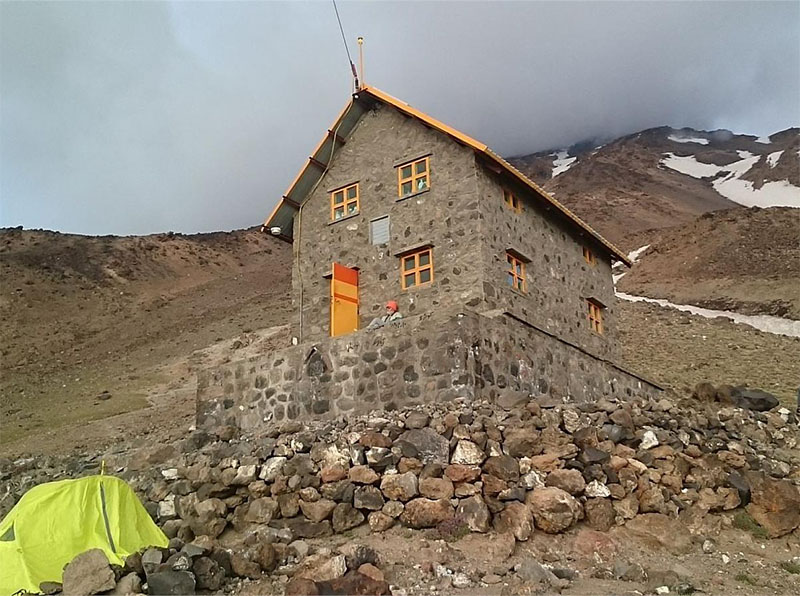
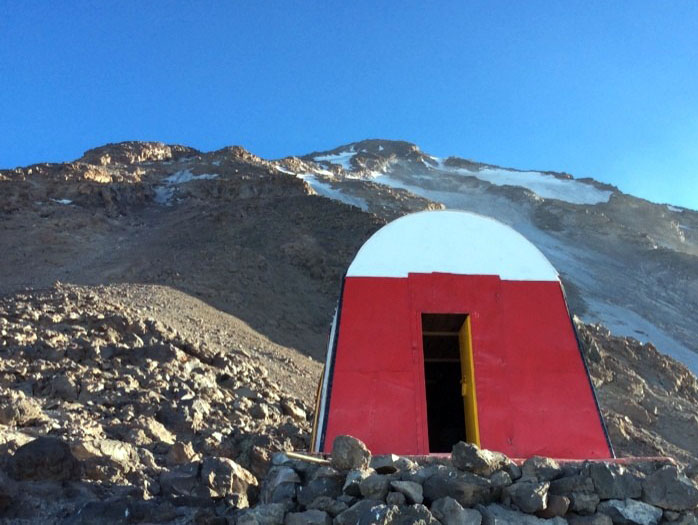
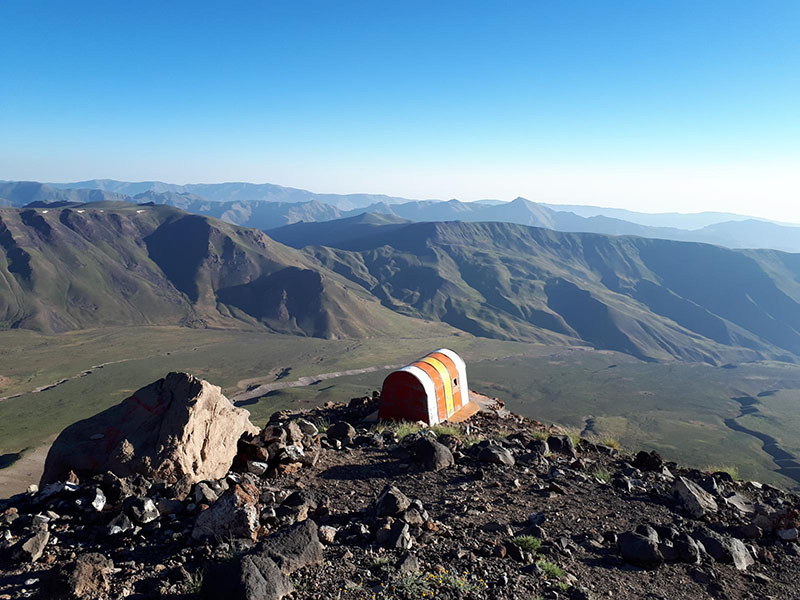
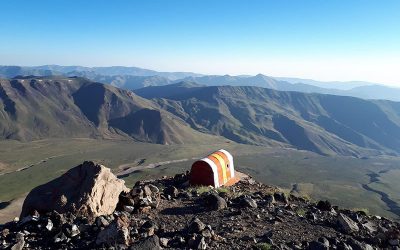
Mount Damavand Hut , located in south face of Damavand at 4260m elevation

Before starting your climb, it’s important to plan where to stay. The Polour and Rineh villages are the two main gateways to Mount Damavand, offering guesthouses and basic lodges where climbers can rest before the ascent.

Once on the mountain, there are several base camps and shelters depending on your chosen route:

Southern Route (Most Popular) Base Camps:

  1. Goosfand Sara (3,000m) – First major resting point with a mosque and water source.
  2. Bargah Sevom Shelter (4,200m) – The main high-altitude refuge with dormitory-style accommodations.

Other Routes Base Camps:

  • Northern Route: Has fewer shelters, with one main hut at 4,000m.
  • Western Route: Has a small, less-equipped shelter at 4,200m.
  • Eastern Route: No established shelters—requires camping.

For a comfortable climb, staying at Bargah Sevom Shelter on the Southern Route is the best option. It provides dormitory beds, a small shop, and a great acclimatization spot before the summit attempt.


Climbing Itinerary (Day-by-Day Plan)

Mount Damavand Climbing Guide

A well-planned itinerary improves your chances of success and reduces risks like altitude sickness. Here’s a recommended 3-day itinerary for the Southern Route:

Day 1: Arrival & Trek to Goosfand Sara (3,000m)

  • Arrive in Polour Village (by car from Tehran, 2-3 hours).
  • Drive to the starting point at 2,400m.
  • Trek to Goosfand Sara camp (3,000m) (2-3 hours).
  • Acclimatization hike and overnight stay.

Day 2: Trek to Bargah Sevom (4,200m)

  • Trek for 4-6 hours to Bargah Sevom Shelter (4,200m).
  • Rest, hydrate, and do an acclimatization hike to 4,500m.
  • Overnight at Bargah Sevom.

Day 3: Summit Attempt & Descent

  • Start early (4:00 AM) for the summit push (5,610m) (6-8 hours).
  • Descend back to Bargah Sevom for a break.
  • Continue descent to Goosfand Sara and return to Polour Village.

This itinerary ensures proper acclimatization and maximizes the chance of a successful summit.


Challenges and Risks

Climbing Damavand may not be technical, but it presents serious challenges:

1. Altitude Sickness

  • The rapid altitude gain can cause headaches, nausea, and dizziness.
  • Solution: Acclimatize properly, hydrate, and climb gradually.

2. Harsh Weather Conditions

  • Temperatures at the summit can drop to -20°C in winter.
  • Strong winds make the final ascent difficult.
  • Solution: Check weather forecasts and wear proper gear.

3. Physical Exhaustion

  • The final ascent is steep and demanding.
  • Solution: Train beforehand and maintain a steady pace.

Being well-prepared helps minimize these risks, ensuring a safe and enjoyable climb.


Hiring a Guide vs. Solo Climbing

Many climbers debate whether to hire a guide or go solo. Here’s a comparison:

Factor Hiring a Guide Solo Climbing
Safety High – Guides know the terrain & rescue procedures Moderate – Requires experience
Navigation Easy – Guides know best routes Difficult – Risk of getting lost
Cost More expensive Budget-friendly
Experience Stress-free – Guides handle logistics Self-reliant – More adventurous

For first-time climbers, hiring a local guide is highly recommended for safety and navigation. Experienced mountaineers, however, can attempt the climb solo.


Wildlife and Natural Beauty

Damavand’s Flora and Fauna

Mount Damavand is home to diverse wildlife and stunning landscapes.

  • Flora: Alpine meadows, wildflowers, and sulfuric vents near the summit.
  • Fauna: Ibex, wild goats, foxes, and eagles inhabit the lower slopes.
  • Scenic Views: Panoramic views of the Alborz mountains and Caspian Sea on clear days.

Photographers will love capturing sunrise at the summit, where the clouds often settle below, creating a “floating island” effect.


Local Culture and Traditions

Mount Damavand is more than just a mountain; it’s deeply rooted in Iranian folklore and traditions.

  • Persian Mythology: It’s believed to be the prison of Zahhak, an evil king in Persian legends.
  • Local Villages: Nearby villages like Polour and Rineh offer a glimpse into rural Persian life.
  • Hospitality: Locals are friendly and welcoming—a great chance to experience Iranian culture.

Respecting local customs, dressing modestly, and being polite enhance the experience.


Post-Climb Activities

Alborz trekking

After the climb, you can explore some amazing nearby attractions:

1. Lar National Park

  • A scenic wildlife reserve near Damavand.
  • Ideal for relaxing hikes and spotting wild animals.

2. Hot Springs in Larijan

  • Best way to recover after the climb.
  • Soothing natural hot springs with mineral-rich waters.

3. Tehran Sightseeing

  • Visit the Golestan Palace, Grand Bazaar, and Milad Tower.
  • Great way to experience Iranian culture and history.

These activities offer a perfect recovery after a challenging climb.


Conclusion and Final Tips

Mount Damavand is an incredible climbing destination that offers a mix of adventure, culture, and natural beauty. With proper preparation, the climb is achievable for both beginners and experienced mountaineers.

Final Tips:
✅ Choose the Southern Route for the best experience.
✅ Acclimatize properly to avoid altitude sickness.
✅ Pack essential clothing, gear, and food.
✅ Consider hiring a guide if it’s your first time.
✅ Enjoy the breathtaking scenery and local culture.

With these tips in mind, you’re ready to conquer the Roof of Iran!


Frequently Asked Questions (FAQs)

1. Is Mount Damavand harder than Kilimanjaro?

While both are high-altitude climbs, Kilimanjaro is longer and requires multiple days, while Damavand can be climbed in 2-3 days. However, Damavand’s steeper slopes and altitude sickness risks make it challenging.

2. Can beginners climb Mount Damavand?

Yes, but physical fitness and preparation are key. The Southern Route is the easiest and recommended for beginners.

3. Do I need a visa to climb Damavand?

Yes, most travelers require an Iranian visa. Be sure to check visa regulations for your nationality before planning your trip.

4. Are there any dangerous animals on Mount Damavand?

Wild animals like foxes, ibex, and birds of prey are common, but they pose no threat to climbers.

5. How much does it cost to climb Mount Damavand?

Costs vary but typically include:

  • Permit: ~$50
  • Guide Services: $300-$500 (optional)
  • Accommodation & Food: $50-$100
  • Gear Rental (if needed): ~$100
Damavand trekking tour
6-Day Trekking Damavand South Route

From 620$

See Details

mount damavand
9-Day Trekking Damavand & Alamkuh

From 930$

See Details

touchal
6-Day Trekking Damavand &Touchal

From 670$

See Details

Damavand trekking tour
4-Day Trekking Damavand- Economy Tour

From 400$

See Details

Damavand trekking tour
15-Day Trekking Damavand , Alamkuh , Sabalan

From 1400$

See Details

damavand northeast route
6-Day Trekking Damavand Northeast Route

From 700$

See Details

mount damavand climb
6-Day Trekking Damavand West Route

From 650$

See Details

mount damavand climb
6-Day Trekking Damavand North Route

From 750$

See Details

mount damavand climb
6-Day Trekking Damavand Northwest Route

From 800$

See Details

Mount Damavand Photo Gallery
Isfahan Travel Guide

Isfahan Travel Guide

ISFAHAN TRAVEL GUIDE

Things to Do, Activities, and Attractions

Introduction

Isfahan, often referred to as “Half of the World”, is one of Iran’s most beautiful and historically rich cities. Nestled in the heart of the country, Isfahan is famous for its breathtaking Islamic architecture, picturesque bridges, and vibrant bazaars. This comprehensive Isfahan travel guide will provide you with everything you need to know for an unforgettable visit.

Why Visit Isfahan?

Isfahan boasts a harmonious blend of history, art, and culture. The city flourished under the Safavid dynasty, which transformed it into the capital of Persia in the 16th century. Today, its mosques, palaces, and gardens continue to mesmerize visitors from all around the world.

Best Time to Visit Isfahan

The best time to visit Isfahan is during the spring (March-May) and autumn (September-November) when the weather is mild and pleasant. Summers can be quite hot, with temperatures exceeding 35°C (95°F), while winters, although cold, are less crowded and allow for a more peaceful experience.

How to Get to Isfahan

Isfahan map

  • By Air: Isfahan’s Shahid Beheshti International Airport (IFN) operates domestic and limited international flights.
  • By Train: Trains from Tehran, Mashhad, and other cities provide a comfortable journey to Isfahan.
  • By Bus: The city is well connected by long-distance buses from major cities like Tehran, Shiraz, and Yazd.
  • By Car: Renting a car or hiring a private driver can be a great way to explore the region at your own pace.

Getting Around Isfahan

  • Metro: Isfahan’s metro system is expanding and is a convenient way to travel within the city.
  • Taxis: Available throughout the city, but it’s best to use ride-hailing apps like Snapp or Tapsi for fair pricing.
  • Buses: A cost-effective option for budget travelers.
  • Walking: Many of Isfahan’s attractions are located close to each other, making walking a pleasant experience.

Top Attractions in Isfahan

1. Naqsh-e Jahan Square (Imam Square)

Most Beautiful Mosques in Iran

A UNESCO World Heritage Site, this massive square is the heart of Isfahan and home to:

  • Shah Mosque (Imam Mosque): A masterpiece of Persian architecture, featuring stunning blue tilework.
  • Sheikh Lotfollah Mosque: Known for its mesmerizing dome that changes colors throughout the day.
  • Ali Qapu Palace: A grand Safavid-era palace with a breathtaking view of the square.
  • Qeysarieh Bazaar: A traditional market offering Persian handicrafts, carpets, and souvenirs.

2. Si-o-se-pol Bridge


Isfahan travel guide

This famous “Bridge of 33 Arches” spans the Zayandeh River and is especially beautiful when lit up at night.

3. Khaju Bridge

Another architectural gem, the Khaju Bridge features intricate tilework and serves as a social gathering spot.

4. Chehel Sotoun Palace

Known as the “Palace of Forty Columns,” this Safavid-era pavilion is surrounded by lush gardens and stunning frescoes.

5. Vank Cathedral

Isfahan travel guide

Located in the Armenian district of New Julfa, this cathedral showcases a unique blend of Persian and Armenian architectural styles with beautiful frescoes depicting biblical stories.

6. Jameh Mosque of Isfahan

One of the oldest mosques in Iran, this UNESCO-listed site showcases different styles of Persian Islamic architecture spanning centuries.

7. Hasht Behesht Palace

Isfahan travel guide

A lesser-known yet exquisite palace, Hasht Behesht is surrounded by picturesque gardens and intricate mosaics.

What to Eat in Isfahan

Iranian cuisine

Isfahan’s cuisine is rich and diverse. Here are some must-try local dishes:

  • Beryani: A unique Isfahani dish made with minced lamb, served with bread.
  • Khoresht-e Mast: A sweet yogurt-based stew with saffron and shredded lamb.
  • Fesenjan: A delicious stew made with pomegranate paste and ground walnuts.
  • Gaz: A traditional Persian nougat infused with pistachios and rosewater.
  • Doogh: A refreshing yogurt-based drink often served with mint.

Where to Stay in Isfahan

Luxury Hotels:

  • Abbasi Hotel: A historic hotel with stunning Persian architecture and a luxurious ambiance.
  • Kowsar Hotel: Overlooking the Zayandeh River, this hotel offers excellent service and comfort.

Mid-Range Hotels:

  • Piroozy Hotel: A comfortable option close to Naqsh-e Jahan Square.
  • Setareh Hotel: Offers great amenities at a reasonable price.

Budget Accommodation:

  • Hostels and Guesthouses: Many budget-friendly guesthouses offer a cozy and authentic Persian experience.

Shopping in Isfahan

Isfahan is famous for its traditional handicrafts, including:

  • Persian Carpets: Some of the world’s finest handwoven rugs.
  • Minakari: Beautiful enamel-painted copperware.
  • Khatamkari: Intricate wood inlay work.
  • Ghalamkari: Hand-painted textiles featuring Persian motifs.

Cultural Etiquette & Travel Tips

  • Dress Code: Women should wear a headscarf and dress modestly. Men should avoid shorts in public.
  • Respect Local Customs: Greetings often involve a handshake, and hospitality is highly valued.
  • Bargaining: Haggling is common in bazaars, so don’t be afraid to negotiate.
  • Currency: The local currency is the Iranian Rial (IRR), and cash is the preferred payment method.

iran culture tour , Isfahan

Final Thoughts

Isfahan is a city that seamlessly blends the old with the new, offering an enchanting experience for every traveler. From its awe-inspiring mosques to its lively bazaars and delicious cuisine, Isfahan truly lives up to its reputation as “Half of the World.” Whether you’re a history enthusiast, an architecture lover, or a foodie, Isfahan promises an unforgettable journey.
Tehran, the bustling capital of Iran, is a vibrant city filled with history, culture, and modern attractions. As the heart of the country, Tehran serves as a gateway to the diverse landscapes, traditions, and experiences that Iran has to offer. Whether you’re a first-time visitor or a seasoned traveler, this Tehran travel guide will provide you with a comprehensive overview of the best things to do in Tehran, the top attractions, and the must-visit sites in this fascinating city.


touchal

3-Day Tehran Sightseeing Tour

From 360$

See Details

touchal

14-Day Persian History Travel

From 1800$

See Details

Iranian caravanserais

15-Day Iran Sightseeing Tour

From 1950$

See Details

Most Beautiful Mosques in Iran

7-Day Iran Ancient Cities Tour

From 880$

See Details

Iran UNESCO World Heritage Sites

27-Day Iran UNESCO World Heritage Sites Tour

From 3200$

See Details

Iran UNESCO World Heritage Sites

4-Day Iran Classic Tour : Tehran , Isfahan , Shiraz

From 480$

See Details

Dasht-e Lut Desert

12-Day Central Iran Desert Tour

From 1200$

See Details

Most Beautiful Mosques in Iran

See Details

Iran Cultural and Adventure Tour

See Details

Iran UNESCO World Heritage Sites

7-Day Trip to Qeshm and Hormoz Islands

From 550$

See Details

Iran UNESCO World Heritage Sites

13-Day Iran Northern Cities

From 1550$

See Details

× How can I help you?