
Iran UNESCO World Heritage Sites Tour
Discover the beauty and history of Iran UNESCO World Heritage Sites on this unforgettable 27-day tour through one of the world’s most culturally rich destinations. Explore iconic landmarks like Persepolis, Pasargadae, and Chogha Zanbil, marvel at the natural wonders of the Lut Desert, and wander through vibrant cities such as Isfahan, Yazd, and Shiraz. This journey showcases 22 UNESCO-listed treasures, including ancient ruins, stunning Persian gardens, and ingenious engineering feats like the Shushtar Hydraulic System. With expert guides, carefully selected accommodations, and immersive cultural experiences, this tour offers a perfect blend of history, culture, and nature, making it the ultimate adventure for those seeking to experience the essence of Iran.
Key Insights of the Tour
1. Immersive UNESCO World Heritage Exploration
This tour is designed to explore 22 of Iran’s most iconic UNESCO World Heritage Sites, showcasing the nation’s unparalleled cultural, historical, and natural treasures. From ancient cities and engineering marvels to stunning deserts and sacred monuments, this journey is a deep dive into Iran’s rich heritage.
2. Journey Through History and Civilization
- Ancient Empires: Visit the awe-inspiring remnants of the Achaemenid and Sassanid Empires at sites like Persepolis, Pasargadae, and Naqsh-e Rostam.
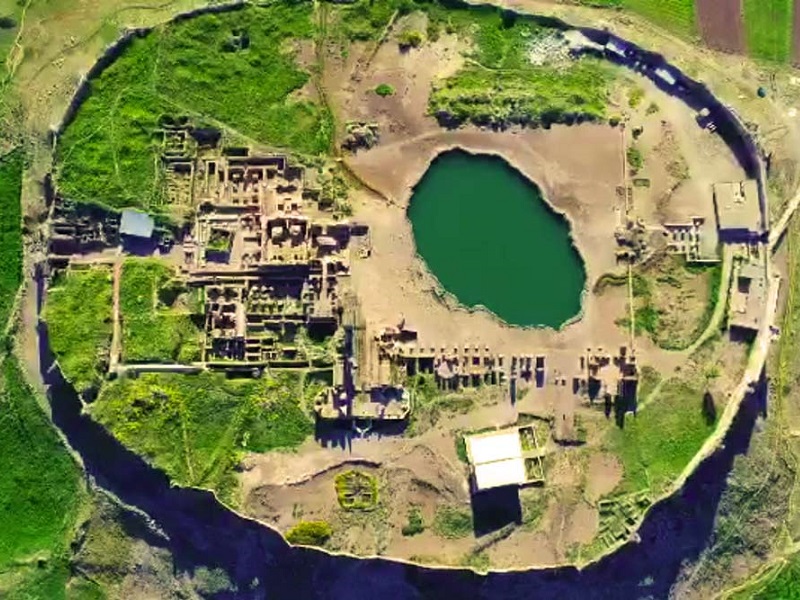
- Elamite Civilization: Discover the ziggurat of Chogha Zanbil, one of the best-preserved examples of Elamite architecture.
- Islamic Golden Age: Admire the architectural brilliance of Isfahan’s Naqsh-e Jahan Square and Yazd’s unique adobe structures.
3. Unique Cultural Experiences
- Engage with the rich Zoroastrian traditions in Yazd, home to fire temples and Towers of Silence.
- Visit the living cultural heritage of the troglodyte village of Meymand, where ancient traditions endure.
- Explore vibrant bazaars like Vakil Bazaar in Shiraz and Tehran’s Grand Bazaar, connecting with local artisans and traditions.
4. Architectural and Engineering Marvels
- Witness the incredible water management systems of Shushtar and Gonabad, exemplifying ancient ingenuity.
- Marvel at Iran’s mastery of urban planning in Persepolis and Meymand.
- Explore Iran’s Persian gardens, symbolic of harmony between man and nature, in places like Mahan and Fin Garden.
5. Natural Wonders
- Discover the surreal landscapes of the Lut Desert, Iran’s first natural UNESCO site.
- Enjoy the scenic beauty of Alborz Mountains, Chogan Canyon, and Alangdarreh Forest Park.
- Experience the contrasts of Iran’s geography, from lush forests to arid deserts.
6. Spiritual and Religious Significance
- Visit sacred sites like Saint Stepanos Monastery and the Tomb of Daniel, representing Iran’s religious diversity.
- Explore Behistun and other reliefs that highlight the spiritual undertones of ancient empires.
7. Comprehensive Coverage of Iran
This meticulously planned itinerary traverses the country, offering a balanced mix of history, culture, and nature:
- Northwest: Discover Tabriz, Qareh Kelisa, and Maku.
- Central Iran: Experience Isfahan, Yazd, and Kashan.
- South: Immerse in Shiraz and the nearby ancient wonders.
- East and Southeast: Marvel at Kerman, Bam, and the Lut Desert.
- Northern Forests: Conclude with the verdant landscapes of Gorgan and Damghan.
8. Comfortable and Authentic Accommodations
Stay in luxurious heritage hotels like Abbasi Hotel in Isfahan, eco-lodges in the Lut Desert, and cozy guesthouses in remote villages, ensuring a unique blend of comfort and authenticity.
9. Expert-Guided Insights
Throughout the tour, experienced guides provide in-depth narratives, ensuring you gain a comprehensive understanding of Iran’s historical significance, cultural richness, and natural beauty.
10. A Lifetime of Memories
This tour offers an unparalleled opportunity to witness Iran’s historical wonders, architectural gems, and breathtaking landscapes, leaving travelers with unforgettable memories of this ancient land.
27-Day Iran UNESCO World Heritage Sites Tour Summarized Program
Day1 . Arrival-Tabriz
Day2 . Tabriz- Qare Kelisa – Maku
Day3 . Maku -Saint Stepanos Monastery- Keleybar
Day4 . Keleybar-Meshginshahr
Day5 . Meshginshahr -Share Yeri- Ardabil
Day6 . Ardabil-Takht-e Soleyman-Takab
Day7 . Takab- Karaftu Cave- Soltaniyeh- Zanjan
Day8 . Zanjan- Kermanshah- Behistun
Day9 . Behistun –Shush
Day10 . Shush-Shushtar-Chogha Zanbil- Ahvaz
Day11 . Ahvaz-Chogan Canyon – Shiraz
Day12 . Shiraz sightseeing
Day13 . Shiraz- Pasargadae- Persepolis- Shiraz
Day14 . Pasargadae -Meymand –Kerman
Day15 . Kerman- Mahan- Bam
Day16 . Bam- Lut Desert
Day17 . Lut Desert- Zabol
Day18 . Zabol- Gonabad- Birjand
Day19 . Birjand- Tabas- Yazd
Day20 . Yazd- Nain- Kuh Paye
Day21 . Kuh Paye- Isfahan
Day22 . Isfahan sightseeing
Day23 . Isfahan- Abyaneh- Kashan- Tehran
Day24 . Tehran sightseeing
Day25 . Tehran-Damghan- Gonbad-e Kavus
Day26 . Gonbad-e Kavus- Gorgan- Tehran
Day27 . Tehran
Iran UNESCO world heritage sites tour detailed itinerary
Day 1: Arrival in Tehran
Description:
Welcome to Iran! Upon arrival at Imam Khomeini International Airport, you will be greeted by your guide and transferred to your hotel. Depending on your arrival time, relax at the hotel or take an optional stroll to explore nearby attractions.
Highlights (Optional, if time permits):
- Golestan Palace (UNESCO): A dazzling Qajar-era palace complex showcasing stunning mirrorwork and Persian architectural beauty.
- Tehran Grand Bazaar: A vibrant market filled with traditional goods and local culture.
- Milad Tower: An iconic tower offering spectacular views of Tehran’s skyline.
Transfer Distance/Time:
- Airport to Hotel: 40 km (30–45 minutes).
Accommodation:
- Espinas Palace Hotel or Azadi Grand Hotel, Tehran.
Day 2: Tehran – Tabriz – Qare Kelisa – Maku
Description:
Take a morning flight to Tabriz and begin your journey through northwest Iran. Visit the Bazaar of Tabriz, a UNESCO-listed site known as the world’s largest covered bazaar. Continue to the Qare Kelisa (The Black Church), a striking example of Armenian Christian architecture, and then head to Maku for an overnight stay.
Highlights:
- Bazaar of Tabriz (UNESCO): A labyrinth of vibrant trade and culture, dating back centuries.
- Qare Kelisa (UNESCO): A magnificent Armenian monastery set in a remote, scenic location.
Transfer Distance/Time:
- Flight: Tehran to Tabriz (~1.5 hours).
- Drive from Tabriz to Qare Kelisa: 270 km (4–5 hours).
- Qare Kelisa to Maku: 50 km (1 hour).
Accommodation:
- Hotel Kaya, Maku.
Day 3: Maku – Saint Stepanos Monastery – Kaleybar
Description:
Start your day by visiting the Saint Stepanos Monastery, another UNESCO World Heritage Site. Nestled in a peaceful valley, this monastery combines remarkable architectural and spiritual significance. Later, drive to Kaleybar, known for its lush landscapes and tranquil atmosphere.
Highlights:
- Saint Stepanos Monastery (UNESCO): A historic Armenian church set amidst breathtaking scenery.
- Enjoy the serene environment and natural beauty of the region.
Transfer Distance/Time:
- Maku to Saint Stepanos Monastery: 15 km (30 minutes).
- Saint Stepanos to Kaleybar: 270 km (4–5 hours).
Accommodation:
- Kaleybar Tourist Eco-Lodge or a local guesthouse.
Day 4: Kaleybar – Meshginshahr
Description:
Drive to Meshginshahr through the scenic landscapes of Ardabil province. Along the way, enjoy the serene nature of northwest Iran. Meshginshahr is known for its hot springs and the Meshginshahr Suspension Bridge, the longest in the Middle East, offering stunning views.
Highlights:
- Meshginshahr Suspension Bridge: A thrilling experience with spectacular views of the surrounding mountains and forests.
- Optional visit to local hot springs to unwind.
Transfer Distance/Time:
- Kaleybar to Meshginshahr: 190 km (3–4 hours).
Accommodation:
- Meshginshahr Hotel or a traditional guesthouse.
Day 5: Meshginshahr – Shahr-e Yeri – Ardabil
Description:
Visit Shahr-e Yeri, an ancient archaeological site featuring enigmatic stone carvings and petroglyphs. Continue to Ardabil, home to the Sheikh Safi al-din Khānegāh and Shrine Ensemble, a UNESCO-listed masterpiece of Persian architecture and spirituality.
Highlights:
- Shahr-e Yeri: Discover Iran’s pre-Islamic heritage through its ancient carvings and artifacts.
- Sheikh Safi al-din Shrine (UNESCO): Admire intricate tilework, calligraphy, and the tranquil gardens.
Transfer Distance/Time:
- Meshginshahr to Shahr-e Yeri: 60 km (1–1.5 hours).
- Shahr-e Yeri to Ardabil: 90 km (1.5 hours).
Accommodation:
- Sabalan Hotel, Ardabil.
Day 6: Ardabil – Takht-e Soleyman – Takab
Description:
Travel to Takht-e Soleyman, an extraordinary UNESCO World Heritage Site that was once a spiritual and political center of the Sassanid Empire. Explore its Zoroastrian temples and sacred lake before continuing to Takab.
Highlights:
- Takht-e Soleyman (UNESCO): A unique archaeological site set amidst stunning landscapes.
Transfer Distance/Time:
- Ardabil to Takht-e Soleyman: 320 km (6–7 hours).
Accommodation:
- Tourist Hotel, Takab.
Day 7: Takab – Karaftu Cave – Soltaniyeh – Zanjan
Description:
Visit the Karaftu Cave, an ancient complex with Greek inscriptions. Continue to Soltaniyeh Dome, a UNESCO World Heritage Site and the largest brick dome in the world. End the day in Zanjan.
Highlights:
- Karaftu Cave: Marvel at the rock formations and historic inscriptions.
- Soltaniyeh Dome (UNESCO): A masterpiece of Persian-Islamic architecture.
Transfer Distance/Time:
- Takab to Karaftu Cave: 80 km (2 hours).
- Karaftu Cave to Soltaniyeh: 150 km (3 hours).
- Soltaniyeh to Zanjan: 50 km (1 hour).
Accommodation:
- Grand Hotel, Zanjan.
-
Day 8: Zanjan – Kermanshah – Behistun
Description:
Depart Zanjan and travel to Kermanshah, stopping at the Behistun Inscription, a UNESCO World Heritage Site. This immense rock relief, created by Darius the Great, is an essential piece of Persian history and showcases ancient cuneiform script.Highlights:
- Behistun Inscription (UNESCO): A remarkable record of the Persian Empire, carved into limestone cliffs.
- Explore nearby historical sites such as ancient caravansaries and sculptures.
Transfer Distance/Time:
- Zanjan to Behistun: 360 km (5–6 hours).
- Behistun to Kermanshah: 30 km (30 minutes).
Accommodation:
- Parsian Hotel, Kermanshah.
Day 9: Behistun – Shush
Description:
Travel south to Shush, one of Iran’s oldest cities. Visit the Apadana Palace, a historical site dating back to the Achaemenid Empire, and the Tomb of Daniel, an important religious site for many faiths.Highlights:
- Apadana Palace: Witness the remnants of this ancient royal palace complex.
- Tomb of Daniel: Explore the shrine dedicated to the biblical prophet.
Transfer Distance/Time:
- Behistun to Shush: 450 km (6–7 hours).
Accommodation:
- Shush Hotel or local guesthouse, Shush.
Day 10: Shush – Shushtar – Chogha Zanbil – Ahvaz
Description:
Spend the day exploring nearby UNESCO-listed sites. Begin at Chogha Zanbil, an Elamite ziggurat, then marvel at the engineering ingenuity of the Shushtar Historical Hydraulic System. End your day in Ahvaz.Highlights:
- Chogha Zanbil (UNESCO): A fascinating ziggurat and one of the world’s oldest pyramidal structures.
- Shushtar Hydraulic System (UNESCO): A masterpiece of ancient water management and engineering.
Transfer Distance/Time:
- Shush to Chogha Zanbil: 40 km (1 hour).
- Chogha Zanbil to Shushtar: 50 km (1 hour).
- Shushtar to Ahvaz: 100 km (2 hours).
Accommodation:
- Pars Hotel, Ahvaz.
Day 11: Ahvaz – Chogan Canyon – Shiraz
Description:
Leave Ahvaz and travel to Shiraz. En route, stop at the picturesque Chogan Canyon, a natural and historical site known for its rock reliefs from the Sassanid era.Highlights:
- Chogan Canyon: Enjoy scenic views and discover ancient carvings showcasing Sassanid-era victories.
Transfer Distance/Time:
- Ahvaz to Chogan Canyon: 200 km (3 hours).
- Chogan Canyon to Shiraz: 300 km (4–5 hours).
Accommodation:
- Zandiyeh Hotel, Shiraz.
Day 12: Shiraz Sightseeing
Description:
Spend a full day exploring the cultural heart of Shiraz. Visit the city’s famous gardens, mosques, and historical landmarks.
Highlights:
- Eram Garden (UNESCO): A stunning example of Persian garden design.
- Nasir al-Mulk Mosque: Known as the “Pink Mosque” for its vibrant stained glass windows.
- Vakil Bazaar: A bustling market filled with local crafts and goods.
Transfer Distance/Time:
- Local sightseeing within Shiraz.
Accommodation:
- Zandiyeh Hotel, Shiraz.
Day 13: Shiraz – Pasargadae – Persepolis – Shiraz
Description:
Take a day trip to explore two of Iran’s most iconic UNESCO World Heritage Sites, Pasargadae and Persepolis, as well as Naqsh-e Rostam, the royal necropolis.
Highlights:
- Pasargadae (UNESCO): The first capital of the Achaemenid Empire and the burial place of Cyrus the Great.
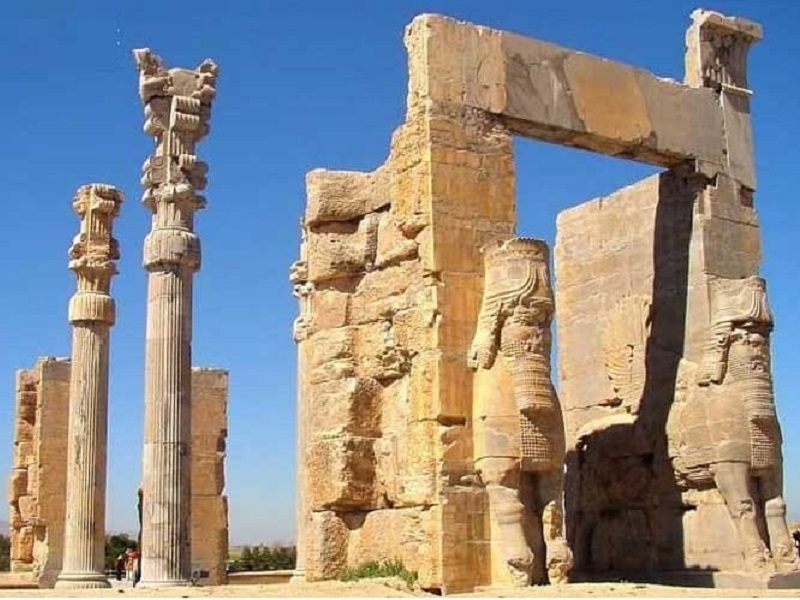
- Persepolis (UNESCO): A ceremonial hub of ancient Persia, featuring breathtaking reliefs and ruins.
- Naqsh-e Rostam: Rock-cut tombs of Achaemenid kings.
Transfer Distance/Time:
- Shiraz to Pasargadae: 130 km (2 hours).
- Pasargadae to Persepolis: 80 km (1 hour).
- Return to Shiraz: 60 km (1 hour).
Accommodation:
- Zandiyeh Hotel, Shiraz.
Day 14: Shiraz – Meymand – Kerman
Description:
Travel to Meymand, a UNESCO-listed troglodyte village where residents have lived in hand-carved rock houses for centuries. Continue to Kerman for an overnight stay.
Highlights:
- Meymand (UNESCO): Explore a living heritage village showcasing Iran’s ancient traditions.
Transfer Distance/Time:
- Shiraz to Meymand: 300 km (5 hours).
- Meymand to Kerman: 200 km (3 hours).
Accommodation:
- Pars Hotel, Kerman.
Day 15: Kerman – Mahan – Bam
Description:
Visit Shahzadeh Garden, a UNESCO-listed Persian garden in Mahan. Then, travel to Bam to explore the Arg-e Bam, the largest adobe structure in the world.
Highlights:
- Shahzadeh Garden (UNESCO): A Persian garden oasis surrounded by arid desert.
- Arg-e Bam (UNESCO): A magnificent ancient citadel showcasing desert architecture.
Transfer Distance/Time:
- Kerman to Mahan: 40 km (1 hour).
- Mahan to Bam: 200 km (3 hours).
Accommodation:
- Bam Guesthouse or a local hotel.
Day 16: Bam – Lut Desert
Description:
Explore the Lut Desert (UNESCO), known for its surreal landscapes, including sand dunes, salt flats, and dramatic kaluts (yardangs).
Highlights:
- Lut Desert (UNESCO): Experience Iran’s first natural UNESCO World Heritage Site and its extraordinary geology.
Transfer Distance/Time:
- Bam to Lut Desert: 100 km (2 hours).
Accommodation:
- Desert Eco-Camp or local lodging near Lut Desert.
Day 17: Lut Desert – Zabol
Description:
Spend the morning exploring more of the awe-inspiring Lut Desert. Continue your journey to Zabol, a city near the Iran-Afghanistan border, and discover the remnants of the Shahr-e Sukhteh (Burnt City), a UNESCO-listed archaeological site with evidence of one of the world’s oldest urban settlements.
Highlights:
- Lut Desert (UNESCO): Experience sunrise in the desert and explore its unique formations.
- Shahr-e Sukhteh (UNESCO): Explore ancient ruins that reveal a sophisticated civilization.
Transfer Distance/Time:
- Lut Desert to Zabol: 200 km (3–4 hours).
Accommodation:
- Hotel Tehran, Zabol.
Day 18: Zabol – Gonabad – Birjand
Description:
Head toward Birjand with a stop at Gonabad to visit the ancient Qanats of Gonabad, an ingenious underground aqueduct system and a UNESCO World Heritage Site. Continue to Birjand, a city known for its historic gardens and old bazaars.
Highlights:
- Qanats of Gonabad (UNESCO): Learn about Iran’s ancient water management system.
- Enjoy Birjand’s historical atmosphere and its charming local architecture.
Transfer Distance/Time:
- Zabol to Gonabad: 350 km (5–6 hours).
- Gonabad to Birjand: 150 km (2–3 hours).
Accommodation:
- Tourist Hotel, Birjand.
Day 19: Birjand – Tabas – Yazd
Description:
Journey to Yazd, stopping in Tabas to enjoy its unique desert landscapes. Yazd, a UNESCO World Heritage City, is known for its adobe architecture and its Zoroastrian heritage.
Highlights:
- Tabas: Admire the desert’s scenic beauty and discover ancient caravanserais.
- Yazd (UNESCO): Explore the historical city’s windcatchers, adobe alleys, and Zoroastrian Fire Temple.
Transfer Distance/Time:
- Birjand to Tabas: 250 km (4 hours).
- Tabas to Yazd: 300 km (5 hours).
Accommodation:
- Moshir Garden Hotel, Yazd.
Day 20: Yazd – Nain – Kuh Paye
Description:
Spend the morning exploring Yazd before traveling to Nain, a town known for its historical mosques and architecture. Proceed to Kuh Paye, a quiet and picturesque village offering a taste of rural life.
Highlights:
- Yazd (UNESCO): Visit the Jameh Mosque of Yazd, the Zoroastrian Tower of Silence, and Dolat Abad Garden.
- Nain: Discover the ancient Nain Jameh Mosque, one of the oldest in Iran.
- Kuh Paye: Relax in the charming village setting.
Transfer Distance/Time:
- Yazd to Nain: 150 km (2 hours).
- Nain to Kuh Paye: 80 km (1 hour).
Accommodation:
- Local guesthouse in Kuh Paye.
Day 21: Kuh Paye – Isfahan
Description:
Drive to Isfahan, one of Iran’s most celebrated cities and a treasure trove of UNESCO-listed landmarks. Spend the day exploring Isfahan’s magnificent architecture, from its mosques to its bridges.
Highlights:
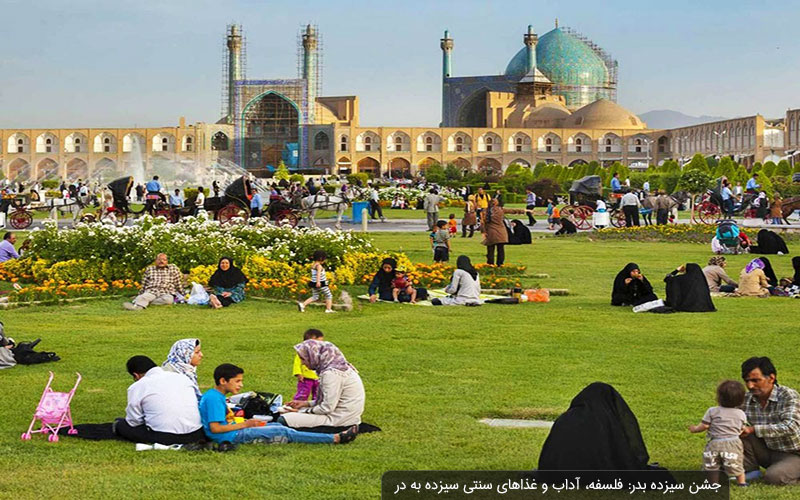
- Naqsh-e Jahan Square (UNESCO): A sprawling public square surrounded by architectural masterpieces like the Sheikh Lotfollah Mosque, the Shah Mosque, and the Ali Qapu Palace.
- Si-o-se-pol Bridge: Stroll across this iconic bridge that spans the Zayandeh River.
Transfer Distance/Time:
- Kuh Paye to Isfahan: 120 km (2 hours).
Accommodation:
- Abbasi Hotel, Isfahan.
Day 22: Isfahan Sightseeing
Description:
Spend a full day discovering the beauty and grandeur of Isfahan, often called “Half of the World” for its incredible cultural and architectural significance.
Highlights:
- Chehel Sotoun Palace (UNESCO): Marvel at the intricate frescoes and Persian garden.
- Jameh Mosque of Isfahan (UNESCO): Admire the evolution of Islamic architecture over centuries.
- Vank Cathedral: Visit this Armenian church adorned with beautiful frescoes and gilded ceilings.
Transfer Distance/Time:
- Local sightseeing within Isfahan.
Accommodation:
- Abbasi Hotel, Isfahan.
Day 23: Isfahan – Abyaneh – Kashan – Tehran
Description:
Depart Isfahan and travel to Tehran with stops in Abyaneh, a picturesque red-mud village, and Kashan, known for its historical houses and gardens.
Highlights:
- Abyaneh: Stroll through this historic village with its unique culture and architecture.
- Kashan: Visit the Fin Garden (UNESCO), a traditional Persian garden, and the Tabatabaei Historical House.
Transfer Distance/Time:
- Isfahan to Abyaneh: 180 km (3 hours).
- Abyaneh to Kashan: 85 km (1.5 hours).
- Kashan to Tehran: 250 km (4 hours).
Accommodation:
- Espinas Palace Hotel, Tehran.
Day 24: Tehran Sightseeing
Description:
Enjoy a day in Tehran, exploring its rich blend of history and modernity.
Highlights:
- Golestan Palace (UNESCO): Explore this Qajar-era royal complex.
- National Museum of Iran: Discover artifacts showcasing Iran’s ancient civilizations.
- Sa’dabad Palace Complex: Visit the lavish palaces of the Pahlavi dynasty.
Transfer Distance/Time:
- Local sightseeing within Tehran.
Accommodation:
- Espinas Palace Hotel, Tehran.
Day 25: Tehran – Damghan – Gonbad-e Kavus
Description:
Travel to Gonbad-e Kavus with a stop in Damghan to see its historical sites. Visit the Gonbad-e Kavus Tower, a UNESCO-listed cylindrical brick tower and an architectural marvel.
Highlights:
- Damghan: Explore the Tarikhaneh Mosque, one of Iran’s oldest mosques.
- Gonbad-e Kavus (UNESCO): Witness this towering masterpiece of Islamic geometry.
Transfer Distance/Time:
- Tehran to Damghan: 340 km (5 hours).
- Damghan to Gonbad-e Kavus: 240 km (4 hours).
Accommodation:
- Gonbad Hotel, Gonbad-e Kavus.
Day 26: Gonbad-e Kavus – Gorgan – Tehran
Description:
Visit Gorgan, known for its verdant forests and rich culture. Return to Tehran for your final evening.
Highlights:
- Gorgan: Stroll through the Alangdarreh Forest Park and explore the city’s local bazaars.
Transfer Distance/Time:
- Gonbad-e Kavus to Gorgan: 40 km (1 hour).
- Gorgan to Tehran: 400 km (6–7 hours).
Accommodation:
- Espinas Palace Hotel, Tehran.
Day 27: Departure from Tehran
Description:
After breakfast, transfer to Imam Khomeini International Airport for your departure flight.
Highlights:
- Reflect on your journey through Iran’s UNESCO World Heritage Sites and its rich history and culture.
Transfer Distance/Time:
- Hotel to Airport: 40 km (30–45 minutes).
Accommodation:
- None (departure day).
Iran UNESCO world heritage sites tour serviced included
- All transfers, sightseeing trips, all entrance fees according to the program
- Train ride Mashhad-Tehran (sleeping car)
- All overnight stays in a 3* middle-class hotel according to the program in a double room with shower/toilet
- Meals – half board (breakfast and dinner) see itinerary
- Local cultural tour guide
- Invitation for the visa
Mount Damavand south face
Price : 480$
1PAX : 850$
2 PAX : 600$
3-5 PAX : 480$
6-8 PAX : 450$
9-10 PAX : 420$
11 and more : 390$
Duration : 6 days
Valid from : June to September
Age requirement : +16
Physical rating : 5
Join in : Tehran
End in : Tehran
Max Altitude : 5671m
Accommodation
Rineh village : 1 night in Local house
Damavand Camp1 : 1 night in Tent
Damavand Camp2 : 3 nights in Tent / Hut
Meals :
5 Breakfasts
6 lunches
5 dinners
Transportation :
Private car all the road trip
4WD car in the mountainous roads
If you want something else :
Customize your own package