
The Magic of Iran’s Desert Oasis Towns
Exploring Yazd, Kerman, and Nain

Introduction
Iran is a land of remarkable history, diverse landscapes, and rich cultural heritage. Among its most fascinating regions, however, are the vast, arid desert landscapes that house some of the country’s most ancient and unique towns. Cities like Yazd, Kerman, and Nain, located in or near Iran’s great desert expanses, stand as a testament to human ingenuity, surviving and thriving in the harsh desert climate.
In this article, we will take you on a journey through the magic of these desert oasis towns. Specifically, we will explore their historical significance, awe-inspiring architecture, and the unique cultural experiences they offer. For travelers who are interested in exploring the heart of Iran’s desert, Yazd desert tourism provides a fascinating glimpse into a world of ancient traditions and desert life.
The Oasis Towns of Iran: A Gateway to the Desert
Iran’s desert regions are some of the most mesmerizing and mysterious landscapes in the world. In these desert oases, cool palm groves, tranquil courtyards, and towering wind towers provide a stark contrast to the surrounding barren land. Thus, cities like Yazd, Kerman, and Nain are not only natural wonders but also cultural havens. Furthermore, they offer travelers a chance to step back in time and experience the resilience of ancient civilizations.
Yazd: The Heart of Iran’s Desert Culture
When it comes to Yazd, the concept of Yazd desert tourism evokes not just the beauty of the desert landscape but also the ancient architectural marvels and rich cultural heritage that define this city. Yazd is one of the oldest cities in the world, and its significance is felt throughout Iran. This city offers a unique blend of history, architecture, and culture, all deeply intertwined with the surrounding desert environment.
Historical Significance
Yazd’s role in Iran’s history is particularly notable for its association with Zoroastrianism, an ancient religion that traces its roots back to the early Persian Empire. In fact, the city served as a religious center for Zoroastrians for centuries. Landmark sites such as the Tower of Silence and the Fire Temple are key symbols of this ancient faith. Additionally, Yazd became a hub of trade, thanks to its position along important routes. Over time, the city thrived as a center for textiles and handicrafts, blending Islamic and Persian traditions.
Ancient Architecture and Desert Adaptation
What truly sets Yazd apart in terms of Yazd desert tourism is its extraordinary desert-adapted architecture. The city is renowned for its distinctive adobe buildings, narrow alleyways, and unique wind towers (badgirs), which were designed to capture the desert breeze and cool the air inside buildings long before the advent of modern air conditioning. In addition, the Jameh Mosque and Dowlat Abad Garden are notable examples of Yazd’s architectural beauty, with the wind towers standing as a testament to ancient ingenuity.
Cultural Experiences in Yazd
A visit to Yazd would not be complete without exploring its rich cultural offerings. For instance, staying in a caravanserai allows travelers to experience the traditional desert lifestyle, as these historic inns have been lovingly restored to offer modern comforts. Moreover, Yazd’s local markets are vibrant and bustling, where visitors can find finely woven Persian carpets, intricate pottery, textiles, and delicious local sweets like qottab and baghlava. Additionally, the region’s food scene is a highlight, with dishes like kebab and reshteh polow (rice with noodles) offering a true taste of the local culinary traditions.
Kerman: The Desert Jewel of Iran’s South
Moving on to Kerman, located in the southern part of Iran’s desert region, this city offers a fascinating combination of history, culture, and natural beauty. Kerman’s long history and strategic location along ancient trade routes have made it a significant city in Iranian history.
Historical Significance
Kerman’s history spans over 2,000 years, playing a key role in trade between Iran and Central Asia, India, and the Arabian Peninsula. In fact, the city’s grand bazaar, still one of the oldest and most significant in Iran, was a vital commercial hub during the Safavid and Qajar dynasties. Furthermore, Kerman is home to stunning historical landmarks, including mosques, caravanserais, and traditional Persian gardens. Importantly, Kerman is also considered the gateway to the Shahdad Desert, a vast and mesmerizing desert landscape.
Ancient Architecture and Desert Adaptation
Like Yazd, Kerman’s architecture reflects the city’s adaptation to the harsh desert climate. The city is famous for its wind towers and traditional adobe houses that maintain cool temperatures even during the heat of summer. One of the most remarkable landmarks is the Ganjali Khan Complex, a 16th-century historical site that includes a caravanserai, bathhouse, and bazaar. This complex provides visitors with a glimpse into the city’s rich architectural history.
Cultural Experiences in Kerman
In Kerman, travelers can explore the city’s historic bazaars, sample local delicacies, and discover unique handicrafts such as carpets, pottery, and textiles. The city’s cuisine, renowned for its flavorful stews, kebabs, and rice dishes, offers a delectable experience for food lovers. Furthermore, visitors can enjoy the region’s vibrant cultural scene, which reflects both ancient traditions and modern influences.
Nain: A Hidden Gem in the Iranian Desert
Located between Yazd and Isfahan, Nain is one of Iran’s lesser-known desert towns. Despite being off the beaten path, Nain offers a unique and tranquil experience for travelers seeking to explore the Iranian desert’s hidden gems.
Historical Significance
Na’in has a rich history, particularly as a Silk Road trading post. The town’s significance is also tied to its religious importance and its long history of carpet weaving. Na’n is home to some of the country’s oldest mosques and ancient caravanserais, making it an essential stop for anyone interested in Iran’s cultural and historical roots.
Ancient Architecture and Desert Adaptation
The architecture of Nain is very much in line with its desert surroundings. The town features mud-brick houses and narrow streets, designed to shield inhabitants from the scorching desert sun. Furthermore, the Nain Mosque, with its stunning tilework and historical significance, is one of the city’s most iconic landmarks. The town’s traditional caravanserais, in addition, offer an insight into the region’s bustling past as a major trading hub.
Cultural Experiences in Nain
Nain is a peaceful, off-the-beaten-path destination compared to Yazd and Kerman. The town is renowned for its high-quality carpets, which make a perfect souvenir for anyone interested in traditional Iranian crafts. Moreover, visitors can explore the town’s historic bazaars, enjoy the warm hospitality of the locals, and savor traditional desert dishes like shirin polow (sweet rice) and kebab. These local experiences add to the town’s charm, making it a must-visit for those seeking an authentic taste of desert life.
Conclusion: A Journey into Iran’s Desert Heartland
The desert oasis towns of Yazd, Kerman, and Nain offer an unparalleled opportunity to explore Iran’s ancient history, unique architecture, and vibrant cultural traditions. Each town provides a fascinating glimpse into the ways people have adapted to the harsh desert environment. For instance, from the innovative wind towers of Yazd to the traditional caravanserais of Kerman and Nain, these towns showcase human resilience and creativity.
For travelers seeking to immerse themselves in Iran’s desert culture, Yazd desert tourism presents a rich and unforgettable experience. Whether you’re exploring ancient mosques, staying in traditional caravanserais, or tasting the region’s delicious cuisine, the magic of these desert towns is sure to leave a lasting impression.
Exploring these desert oases offers more than just a chance to see unique architecture and ancient sites; it’s an opportunity to experience the soul of Iran, where history, culture, and desert beauty come together in perfect harmony.
Keywords Used:
- Yazd desert tourism
- Kerman desert exploration
- Nain desert architecture
- Iran caravanserais and bazaars
- Persian desert cuisine
- Iran historical towns tourism

Ararat Trekking: Three Peaks, One Journey
Oct 1, 2026

Mount Damavand History
Jun 2, 2025

Damavand Volcanic Crater
May 5, 2025
Guide to Visiting Iranian Touristic Islands
Apr 9, 2025
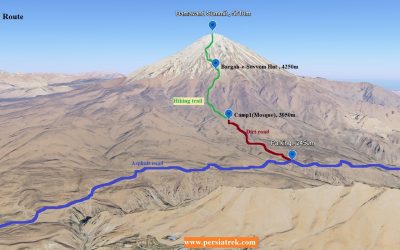
Руководство по восхождению на гору Дамаванд
Mar 11, 2025
Mount Damavand Climbing Guide
Feb 20, 2025

Isfahan Travel Guide
Feb 17, 2025

The Best Landscapes in Iran
Feb 9, 2025
Mount Damavand Trekking Guide
Feb 4, 2025
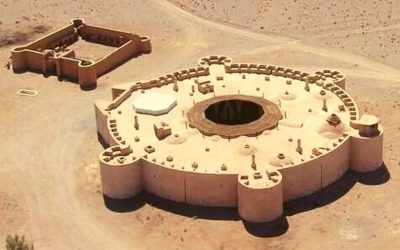
Top 10 Iranian caravanserais
Feb 2, 2025

Damavand’s Flora and Fauna
Feb 1, 2025
Damavand Sulfur Hill
Jan 30, 2025