+98 912 272 2656 info@persiatrek.com
Mount Damavand History

Mount Damavand History

Mount Damavand History

Explore Iran’s Most Legendary Mountain

Overview

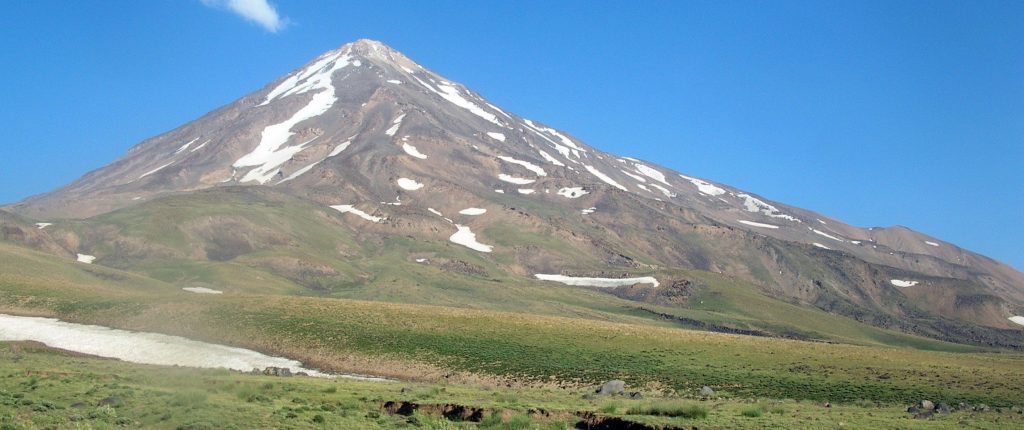
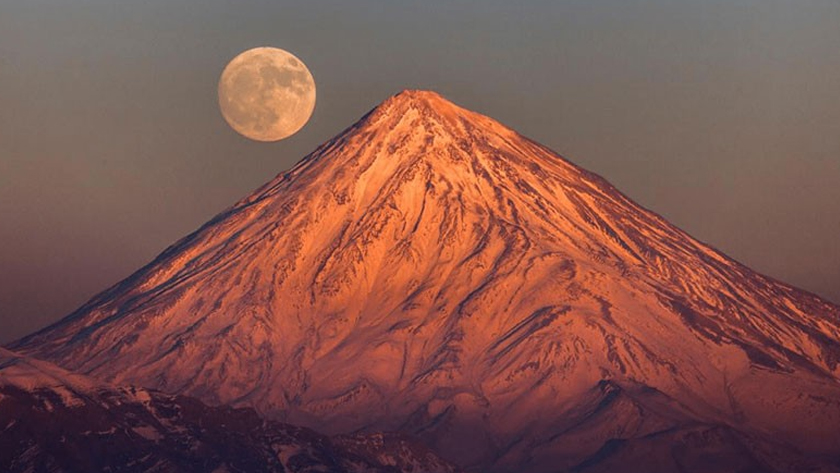
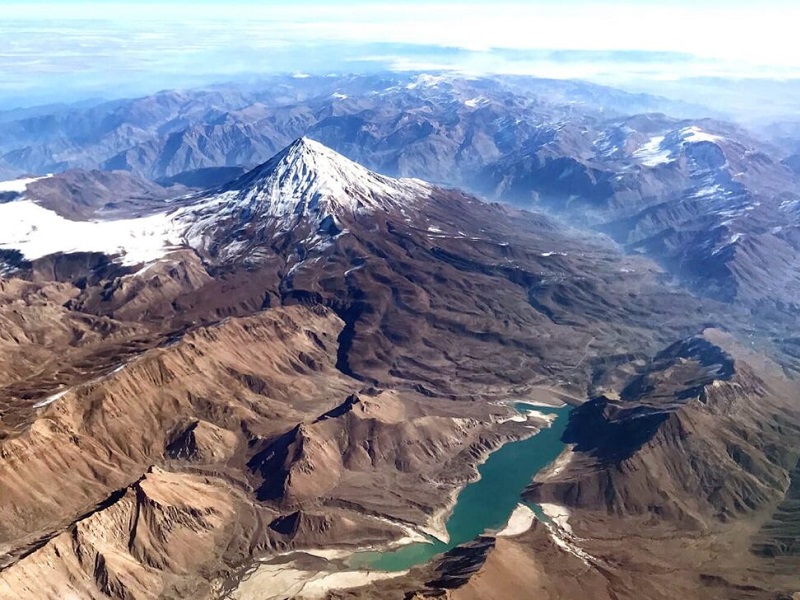
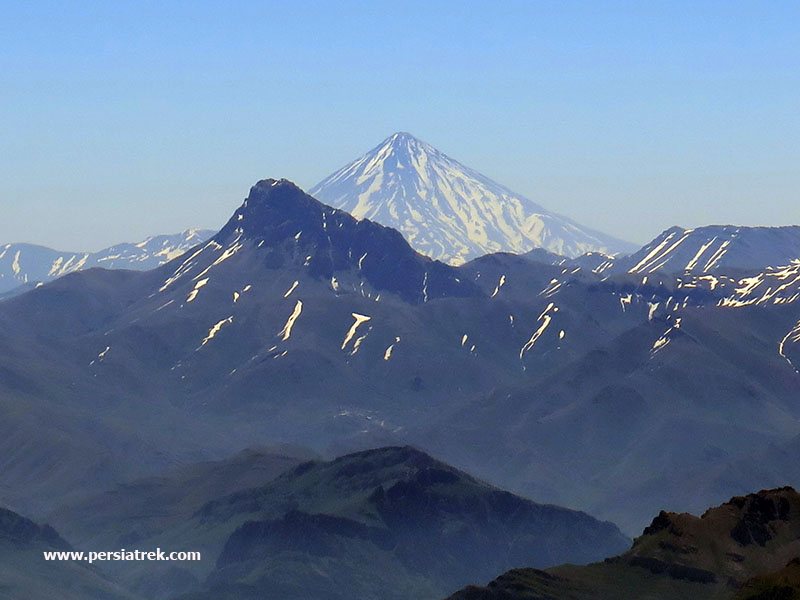
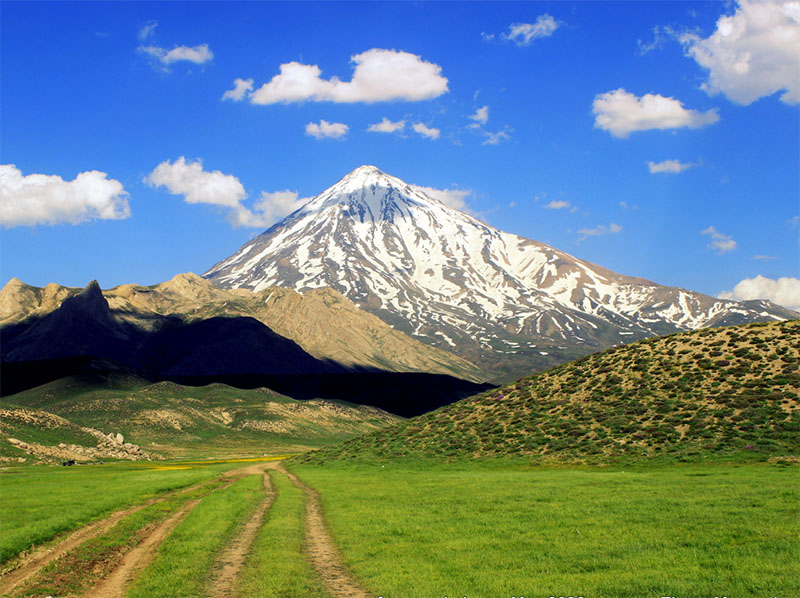
Mount Damavand is not just the tallest mountain in Iran — it is a towering emblem of mythology, literature, and national pride. Rising to 5,610 meters (18,406 feet), this dormant stratovolcano in the Alborz mountain range has shaped the imagination of Iranians for thousands of years. From ancient Zoroastrian texts to epic poetry and folklore, the Mount Damavand history is a powerful blend of geological wonder and cultural depth.

In this in-depth article, we explore the historical significance, legendary stories, and symbolic role of Mount Damavand in Iranian identity.


Geographic and Geological Background

Mount Damavand is located in northern Iran, near the southern coast of the Caspian Sea and approximately 70 kilometers northeast of Tehran. It is part of the Alborz Mountains, which form a natural barrier between the Caspian and central Iran.

As a dormant stratovolcano, Damavand is characterized by:

  • A large conical shape

  • Volcanic gas vents (fumaroles) near its summit

  • Hot springs on its lower slopes

  • Mineral deposits such as sulfur and calcium carbonate

Damavand’s last known eruption is estimated to have occurred around 5300 BCE, but its geological heat is still present. This makes it a fascinating destination not only for climbers but also for researchers and nature enthusiasts.


Early Mentions in Ancient Texts

The earliest references to Mount Damavand appear in Zoroastrian scriptures, especially in the Avesta, the holy book of Zoroastrianism. In these texts, Damavand is described as a sacred mountain — one associated with divine strength and protection.

Later, Greek geographers such as Ptolemy included Damavand in early maps of the known world. In Islamic Golden Age literature, scholars like Al-Biruni and Zakariya al-Qazwini wrote detailed observations about its height, volcanic features, and legends told by the local population.


The Myth of Zahhak: Evil Imprisoned

The most enduring legend in Mount Damavand history is that of Zahhak, a ruthless, demonic king from Ferdowsi’s national epic, the Shahnameh.

 
Damavand volcano and Persian legend of Zahhak

Damavand volcano and Persian legend of Zahhak

According to the story:

  • Zahhak was a tyrant with serpents growing from his shoulders.

  • The serpents fed on human brains, leading to brutal oppression.

  • A Persian hero named Fereydun led a revolt against Zahhak.

  • After defeating him, Fereydun did not kill Zahhak, but instead imprisoned him deep within Mount Damavand, where he remains bound in chains.

This tale elevated Damavand from a natural landmark to a cosmic prison of evil, forever guarding the world from tyranny.

Symbolic Meaning:

  • Zahhak: Evil, oppression, darkness

  • Damavand: Resistance, justice, eternal vigilance

This myth is widely taught in schools and recited in Iranian households, reinforcing Damavand’s role as a cultural icon.


Mount Damavand in Persian Poetry and Literature

Throughout centuries, Mount Damavand has featured prominently in Persian poetry, symbolizing everything from resilience to freedom.

Bahār’s Famous Poem

In the 20th century, Malek o-Sho’arā Bahār, a renowned literary figure, wrote one of the most iconic odes to Damavand during a time of political struggle in Iran.

“O white-capped Damavand,
Lofty guardian of this land,
You rise in silent, fearless might,
While tyrants fade into the night.”

This poem became a symbol of national resistance, especially during the Constitutional Revolution and the Iranian Revolution, as Damavand came to embody the voice of the people against tyranny.


Damavand in National Identity

Over time, Damavand has become a fixture in Iranian national consciousness. It appears in:

  • Persian carpets and miniatures

  • Government emblems and military insignia

  • National songs, such as “Ey Iran”

  • Literary works that explore the tension between ancient tradition and modern challenges

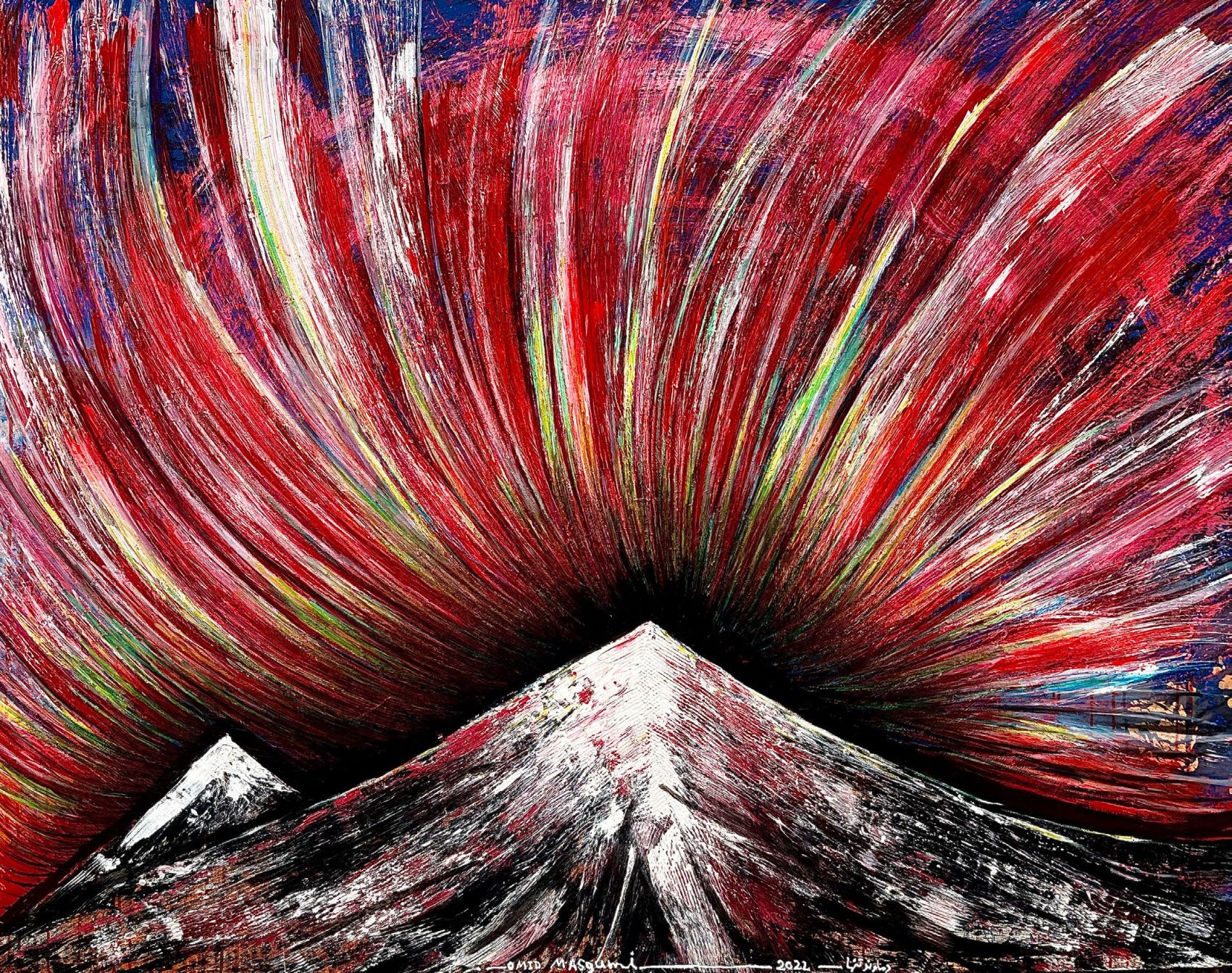
In a country shaped by waves of conquest, revolution, and reform, Mount Damavand stands as a constant — unshaken and timeless.

Religious and Spiritual Beliefs

In addition to mythology and literature, Damavand is often considered a place of spiritual energy. Zoroastrians, and even some mystic Muslim sects, view the mountain as a center of natural power, where earth, fire, water, and air converge in harmony.

Some Iranians believe the mountain holds sacred qualities, including:

  • Healing properties in its hot springs

  • Mystical balance of the elements

  • Being a point of cosmic alignment in ancient traditions


Tourism and Mountaineering

Today, Mount Damavand attracts thousands of climbers each year. It’s considered a non-technical climb during summer but can be extremely challenging in winter due to snow and wind. Key information includes:

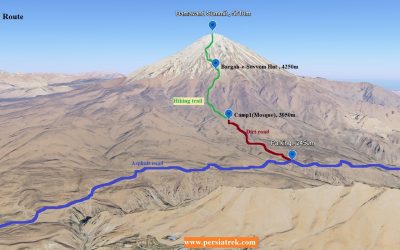
  • Popular Routes: South Route (easiest), North, Northeast, and West

  • Base Camps: Polour and Rineh villages

  • Summit Features: Crater, sulfur vents, panoramic views of Alborz

  • Climbing Season: June to September (ideal weather)

Eco-tourism in the area is growing, and conservation efforts aim to protect the mountain’s fragile alpine environment.


Quick Reference Table: Mount Damavand

Feature Details
Elevation 5,610 meters (18,406 feet)
Location Mazandaran Province, Iran
Mountain Type Dormant stratovolcano
Geological Features Fumaroles, mineral springs, glaciers
Last Eruption ~5300 BCE
Historical Significance Zoroastrian texts, Islamic chronicles
Mythological Role Prison of Zahhak in Shahnameh
Cultural Role National symbol of resistance and pride
Climbing Difficulty Moderate (in summer), hard (in winter)

Conclusion: Why Mount Damavand Still Matters

The Mount Damavand history is not a mere record of ancient geology or folklore — it is a living part of Iranian identity. It tells the story of a people who have weathered storms, resisted tyranny, and clung to their heritage.

From epic battles between good and evil to poetic declarations of freedom, Damavand is more than a mountain — it is Iran’s spiritual summit.

Damavand trekking tour
6-Day Trekking Damavand South Route

From 620$

See Details
mount damavand
9-Day Trekking Damavand & Alamkuh

From 930$

See Details
touchal
6-Day Trekking Damavand &Touchal

From 670$

See Details

Damavand trekking tour
4-Day Trekking Damavand- Economy Tour

From 400$

See Details
Damavand trekking tour
15-Day Trekking Damavand , Alamkuh , Sabalan

From 1400$

See Details
damavand northeast route
6-Day Trekking Damavand Northeast Route

From 700$

See Details
mount damavand climb
6-Day Trekking Damavand West Route

From 650$

See Details
mount damavand climb
6-Day Trekking Damavand North Route

From 750$

See Details
mount damavand climb
6-Day Trekking Damavand Northwest Route

From 800$

See Details

Mount Damavand Photo Gallery
Damavand Volcanic Crater

Damavand Volcanic Crater

Damavand Volcanic Crater

A Majestic Summit in the Heart of Iran

📌 Overview

Mount Damavand is more than just Iran’s tallest mountain—it’s home to a fascinating natural feature: the Damavand volcanic crater. Rising 5,610 meters above sea level, this dormant stratovolcano dominates the Alborz mountain range, offering awe-inspiring views and rich geological significance.

Треккинг-тур Дамаванд и Аламкух


🌋 What is the Damavand Volcanic Crater?

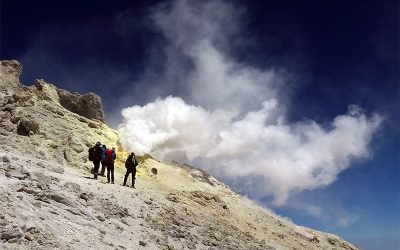
The Damavand volcanic crater is a bowl-shaped depression formed by explosive eruptions thousands of years ago. Today, it sits dormant but not extinct—sulfur vents and fumaroles near the crater still release volcanic gases, proving that Damavand remains geothermally active.

Key Features:

  • 400-meter-wide summit crater

  • Active sulfur vents and fumaroles

  • Ice and snow cover year-round

  • High-altitude terrain ideal for adventurous climbers


🧭 How to Reach the Crater

Reaching the Damavand volcanic crater requires a high-altitude trek. There are multiple routes to the summit, with the southern route being the most popular.

Trekking Tips:

  • Best season: July to September

  • Duration: 2–3 days with acclimatization

  • Difficulty: High – for experienced hikers

  • Gear: Cold-weather clothing, trekking poles, gas mask for sulfur areas

  • Guide: Recommended for safety and navigation

Damavand acclimatization

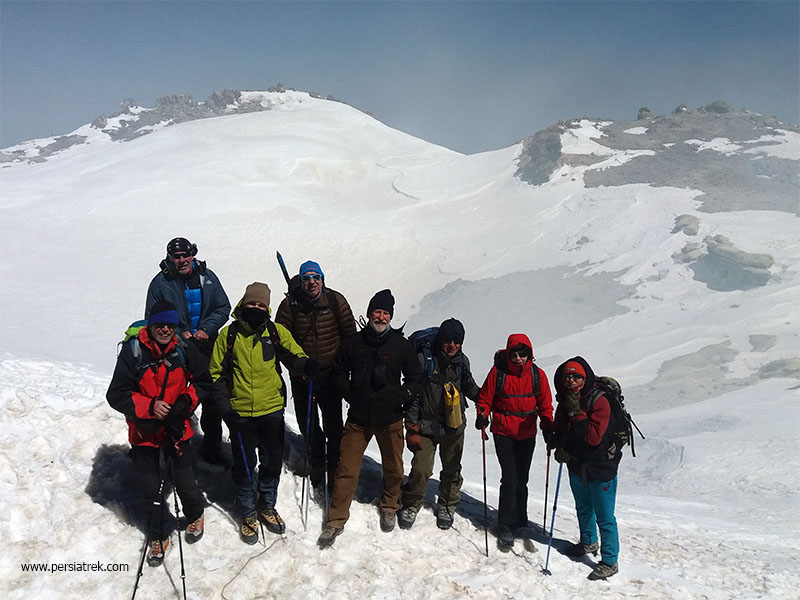
Climbers near Damavand volcanic crater


🧪 Geological & Scientific Significance

Damavand is part of the Alborz volcanic arc, and its crater provides valuable data on Iran’s tectonic and geothermal activity.

Scientific highlights:

  • Sulfur deposits useful for geological research

  • Evidence of historical lava flows

  • Dormant status with geothermal emissions

Researchers often study the Damavand volcanic crater to understand volcanic behavior in collision zones like the Iranian Plateau.


🏛️ Myth & Legend of Mount Damavand

In Persian mythology, the Damavand volcanic crater is said to imprison Zahhak, a mythical tyrant defeated by the hero Fereydun. The mountain has long symbolized resistance, strength, and freedom in Iranian culture.

Damavand volcano and Persian legend of Zahhak

Damavand volcano and Persian legend of Zahhak


🌿 Conservation & Safety

While the Damavand volcanic crater is a stunning attraction, it’s essential to practice Leave No Trace principles:

  • Avoid damaging natural formations

  • Respect local wildlife and plant life

  • Pack out all trash

  • Stay on marked trails

Also, be cautious of:

  • Altitude sickness

  • Sudden weather changes

  • Toxic gas exposure near fumaroles


🔚 Final Thoughts

The Damavand volcanic crater is a must-see for adventure travelers, nature lovers, and geology enthusiasts. Whether you’re summiting for the thrill or the science, this iconic crater offers a unique window into both Earth’s history and Iranian heritage.


✅ Quick Facts

Feature Details
Elevation 5,610 m (18,406 ft)
Crater Width ~400 meters
Activity Dormant with sulfur vents
Best Season Summer (July–September)
Location Mazandaran Province, Iran
Damavand trekking tour
6-Day Trekking Damavand South Route

From 620$

See Details

mount damavand
9-Day Trekking Damavand & Alamkuh

From 930$

See Details

touchal
6-Day Trekking Damavand &Touchal

From 670$

See Details

Damavand trekking tour
4-Day Trekking Damavand- Economy Tour

From 400$

See Details

Damavand trekking tour
15-Day Trekking Damavand , Alamkuh , Sabalan

From 1400$

See Details

damavand northeast route
6-Day Trekking Damavand Northeast Route

From 700$

See Details

mount damavand climb
6-Day Trekking Damavand West Route

From 650$

See Details

mount damavand climb
6-Day Trekking Damavand North Route

From 750$

See Details

mount damavand climb
6-Day Trekking Damavand Northwest Route

From 800$

See Details

Mount Damavand Photo Gallery

Damavand’s Flora and Fauna

Damavand’s Flora and Fauna

Damavand’s Flora and Fauna

Introduction

Mount Damavand is Iran’s most iconic peak, offering breathtaking trekking experiences for adventurers worldwide. If you’re planning a Mount Damavand trekking tour, learning some interesting facts about this legendary mountain will enhance your journey. Did you know that Damavand is featured on Iranian banknotes, symbolizing its deep cultural and historical significance? From its towering height to its place in Persian mythology, this guide reveals everything you need to know about Mount Damavand trekking!


Mount Damavand’s Ranking & Height

Standing at 5,610 meters (18,406 feet), Mount Damavand is the highest peak in Iran and the Middle East. It also holds the title of the tallest volcanic peak in Asia. Ranked as the world’s 12th most prominent peak, Damavand stands just after Mount Elbrus and Mont Blanc. In mountaineering, prominence refers to how distinct a mountain is from nearby peaks, highlighting Damavand’s grandeur.

Who First Climbed Mount Damavand?

The first recorded ascent of Damavand dates back over 1,000 years. Abu Dolaf, an Arab geographer, attempted to scale the mountain but didn’t reach the summit. European climbers first attempted it in the 18th century, with French scientist Olivier making an unsuccessful attempt in 1798. The first documented summit success belongs to British diplomat William Taylor Thomson in 1837. Iranians officially conquered the peak in 1857, marking a milestone in national mountaineering history.


Volcanic Features of Mount Damavand

damavand sardagh

Damavand’s Dormant Crater

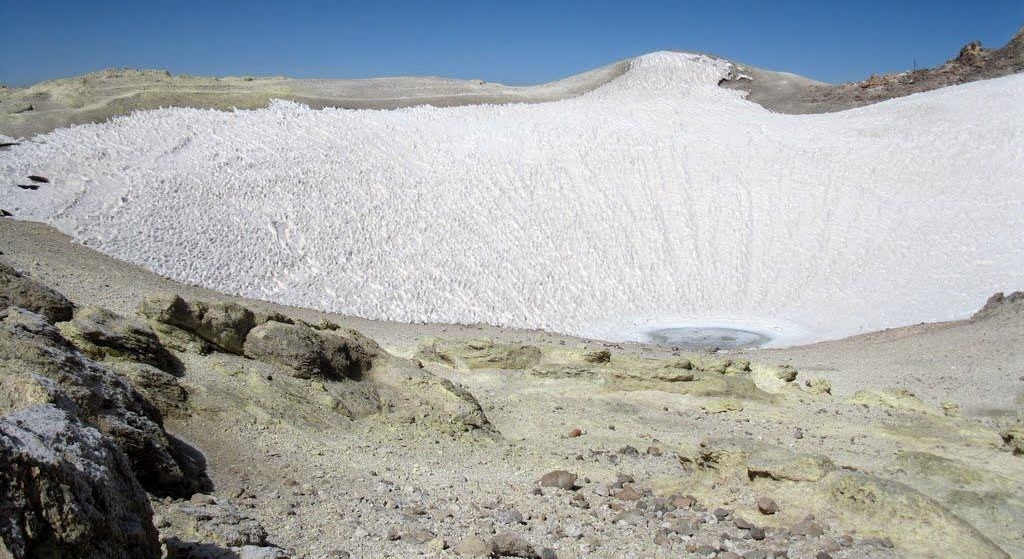
Mount Damavand is a dormant volcano, with its last eruption occurring between 6,000 and 10,000 years ago. The crater spans 400 meters in diameter and is often covered in ice and snow. Surrounding the crater, yellow sulfur stones hint at the mountain’s volcanic past. Additionally, remnants of two older craters are visible on Damavand’s northern and southern slopes.

Yakhi Waterfall – The Ice Wonder of Damavand

Damavand trekking tour

One of the most fascinating sights on the southern route of Damavand is Yakhi Waterfall, an 8-12 meter (26-39 feet) tall frozen waterfall. This natural marvel remains frozen most of the year, only partially melting in the summer. At 5,100 meters above sea level, Yakhi Waterfall holds the record for the highest-altitude waterfall in the Middle East.

Unique Weather Phenomena: The Cloud Cap

A distinct feature of Damavand’s summit is its cloud cap, a phenomenon caused by rapid air cooling as winds rise along the peak. This natural spectacle resembles a helmet guarding the mountain, forming only at elevations above 5,000 meters. Depending on weather conditions, the cloud cap may persist for hours or vanish quickly.

Beware of the Fake Summit!

Trekkers approaching Camp 3 on Damavand’s southern route often mistake a lower ridge, known as “Snag-e Mosalasi” (Triangle Stone), for the summit. This deceptive peak sits about 200 meters below the true summit, requiring an additional hour of climbing to reach the actual top.

Wildlife & Flora on Damavand

Damavand’s Flora and Fauna

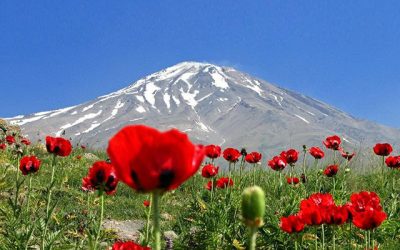
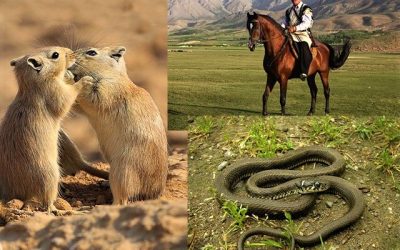
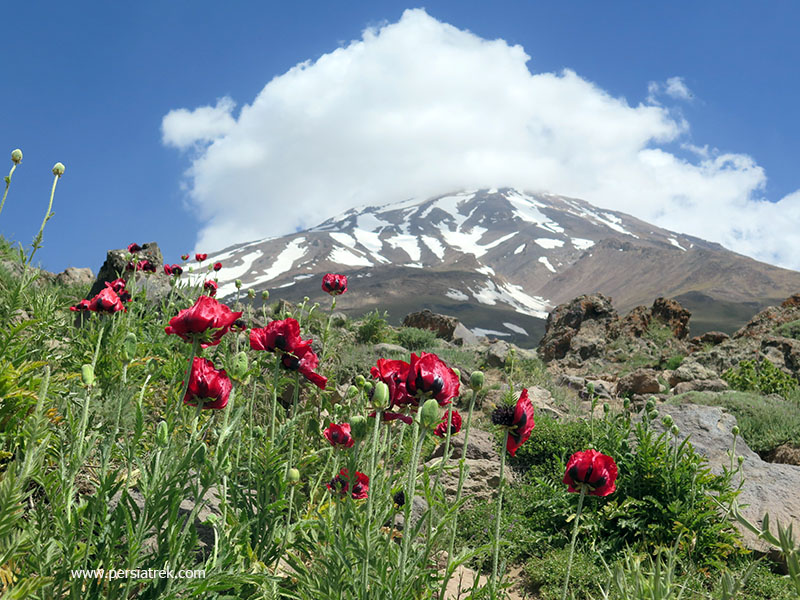
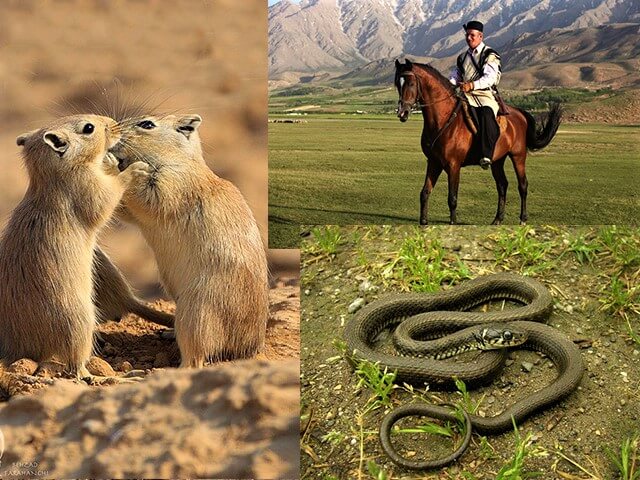
Despite its harsh conditions, Mount Damavand is home to various wildlife species. Bears, foxes, wolves, and jackals roam its slopes, while golden eagles, owls, and bats soar above. At lower elevations, herbivores like rams, wild boars, and rabbits inhabit the region. One of the most stunning natural attractions is the vibrant red poppy fields, which bloom between 2,000 and 3,500 meters, painting the slopes in a spectacular display of color.

Cultural Significance & Mythology

National Damavand Day & Persian Legends

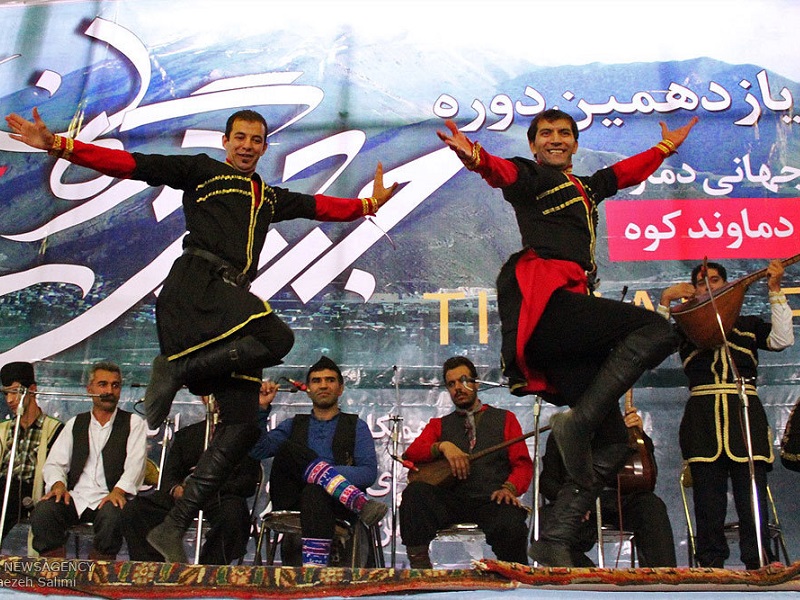
Every year on Tir 13 (July 3rd), Iranians celebrate National Damavand Day. This tradition ties back to the Persian myth of Arash the Bowman, a hero who marked Iran’s borders by shooting an arrow from Damavand’s peak. This event symbolizes strength, unity, and resilience in Iranian culture.

Mount Damavand Trekking Guide

Damavand in Persian Poetry

Damavand has inspired many Persian poets, including Mohammad-Taqi Bahar, whose famous poem portrays the mountain as a symbol of resistance. Ferdowsi’s Shahnameh, Iran’s epic national poem, also references Damavand, further embedding it into Persian literature and heritage.

Why These Facts Matter for Your Trekking Experience

Knowing these fascinating details about Mount Damavand trekking adds depth to your adventure. Whether you’re captivated by its volcanic past, mesmerized by its natural beauty, or drawn to its cultural significance, Damavand is more than just a mountain—it’s a symbol of Iran’s history and resilience.

If you’re planning a Mount Damavand trekking tour, this knowledge will enhance your experience, making every step more meaningful. Ready for your next adventure?


Mount Damavand Photo Gallery

Damavand trekking tour
6-Day Trekking Damavand South Route

From 620$

See Details

mount damavand
9-Day Trekking Damavand & Alamkuh

From 930$

See Details

touchal
6-Day Trekking Damavand &Touchal

From 670$

See Details

Damavand trekking tour
4-Day Trekking Damavand- Economy Tour

From 400$

See Details

Damavand trekking tour
15-Day Trekking Damavand , Alamkuh , Sabalan

From 1400$

See Details

damavand northeast route
6-Day Trekking Damavand Northeast Route

From 700$

See Details

mount damavand climb
6-Day Trekking Damavand West Route

From 650$

See Details

mount damavand climb
6-Day Trekking Damavand North Route

From 750$

See Details

mount damavand climb
6-Day Trekking Damavand Northwest Route

From 800$

See Details

Damavand Sulfur Hill

Damavand Sulfur Hill

Damavand Sulfur Hill

Exploring Iran’s Unique Volcanic Landmark

Traits of Volcanoes

Volcanoes are known for their distinctive geological features, including chimneys—vents through which sulfur gas escapes. The surrounding area often appears greenish due to sulfur deposits, and hot springs are common in such regions.

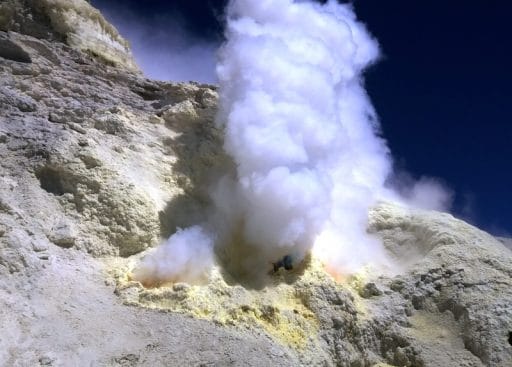
Mount Damavand, Iran’s highest volcano, showcases these remarkable traits. Near its crater, you can find sulfur chimneys, sulfur-covered terrain, and natural hot springs. On windless days, if you are near the southern face of Damavand, you may even see a trail of smoke rising from the mountain’s peak.


Damavand Sulfur Hill (Tappe-ye Googerdi)


Damavand Sulfur Hill

The southern route is the most popular path for climbers aiming to reach Damavand’s summit. Along this route, adventurers encounter some of the mountain’s most fascinating features, including Abshar-e Yakhi (the Ice Waterfall), hot springs, the Fake Summit, sulfur vents, and, most notably, Damavand Sulfur Hill.

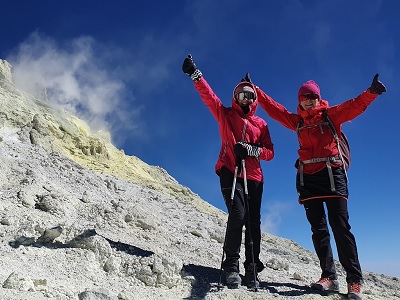
Sulfur Hill begins at an altitude of approximately 5,350 meters, just beyond the Fake Summit. Its striking greenish-yellow soil, caused by sulfur deposits, gives it its name. As you approach this area, the strong smell of sulfur becomes unmistakable. Climbers can also spot gas chimneys actively releasing volcanic fumes into the air.

At the upper end of Sulfur Hill, near the summit, there are large sulfur vents with diameters reaching up to one meter. These prominent features have solidified the region’s name as Damavand Sulfur Hill. On clear days, the rising smoke creates a dramatic sight, making it a prime location for photography, second only to the summit itself.

Damavand acclimatization

Tips for Climbing Damavand Sulfur Hill

  • If you choose the Southern Route, plan to take a brief rest at the Fake Summit (Triangle Rock) before reaching Sulfur Hill.
  • Be mindful of the wind direction to minimize exposure to sulfur fumes. Even so, some irritation is inevitable—using a scarf or mask can help reduce discomfort.
  • The ascent from the base of Sulfur Hill to the summit typically takes about one hour, though this depends on individual pace and weather conditions.


Experience Damavand’s Natural Wonders


Damavand Sulfur Hill is an extraordinary natural landmark, offering a glimpse into the volcanic activity that has shaped the mountain. Whether you are a seasoned climber or a nature enthusiast, witnessing this geological marvel firsthand is an unforgettable experience.

If you are planning a Damavand Climbing Tour, ensure you are well-prepared for the altitude and sulfur exposure. With careful planning and the right gear, your journey to Damavand Sulfur Hill will be a truly memorable adventure!


Damavand trekking tour

Mount Damavand Photo Gallery
Damavand trekking tour
6-Day Trekking Damavand South Route

From 620$

See Details

mount damavand
9-Day Trekking Damavand & Alamkuh

From 930$

See Details

touchal
6-Day Trekking Damavand &Touchal

From 670$

See Details

Damavand trekking tour
4-Day Trekking Damavand- Economy Tour

From 400$

See Details

mount damavand climb
6-Day Trekking Damavand West Route

From 650$

See Details

mount damavand climb
6-Day Trekking Damavand North Route

From 750$

See Details

Mount Damavand History

Damavand Hot Water Springs

Damavand Hot Water Springs: A Natural Oasis for Healing and Relaxation


Mount Damavand, towering at 5,610 meters, is not only the tallest peak in Iran and the Middle East but also an active volcano. This volcanic activity has given rise to several natural hot springs in the area, making Damavand Hot Water Springs a popular destination for both adventure seekers and wellness enthusiasts. The hot springs offer a perfect way to relax, unwind, and heal, especially after a challenging trek up the iconic mountain.

Damavand Hot Water Springs

What Are Hot Water Springs?

Hot water springs are natural water sources that have a temperature higher than that of the surrounding environment. The water from these springs often contains a variety of minerals and salts, as it travels deep underground before rising to the surface. These springs have long been valued for their therapeutic properties, providing relief from physical and mental ailments.

Why Are the Damavand Hot Water Springs Special?

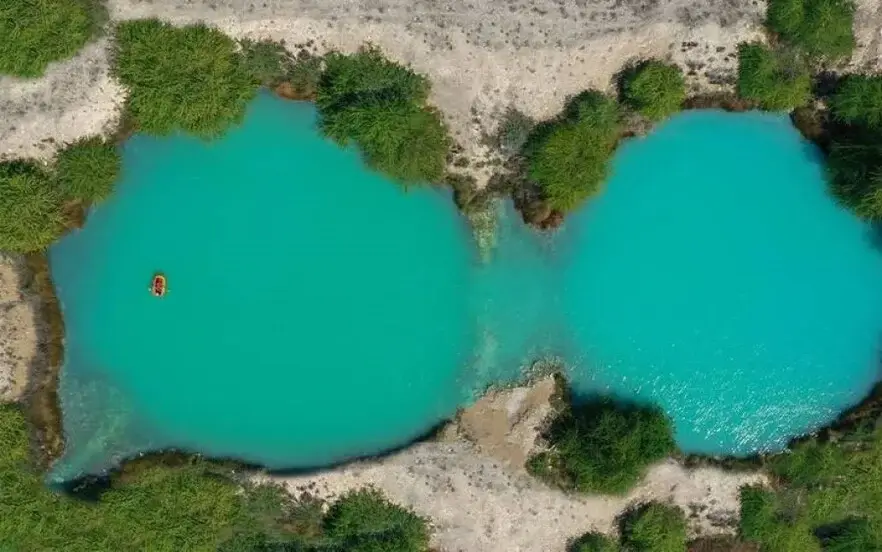
The Damavand Hot Water Springs owe their existence to the volcanic activity of Mount Damavand and the unique geological conditions of the surrounding Alborz mountain range. As hot water rises under pressure from deep underground, it carries dissolved gases and minerals, giving it distinctive healing qualities.

Located near the base of Mount Damavand, these springs are not just picturesque but also offer many health benefits. The area is home to several springs, each with its own unique mineral composition and therapeutic effects.

Damavand Hot Water Springs

Larijan Village: The Gateway to Damavand Hot Water Springs

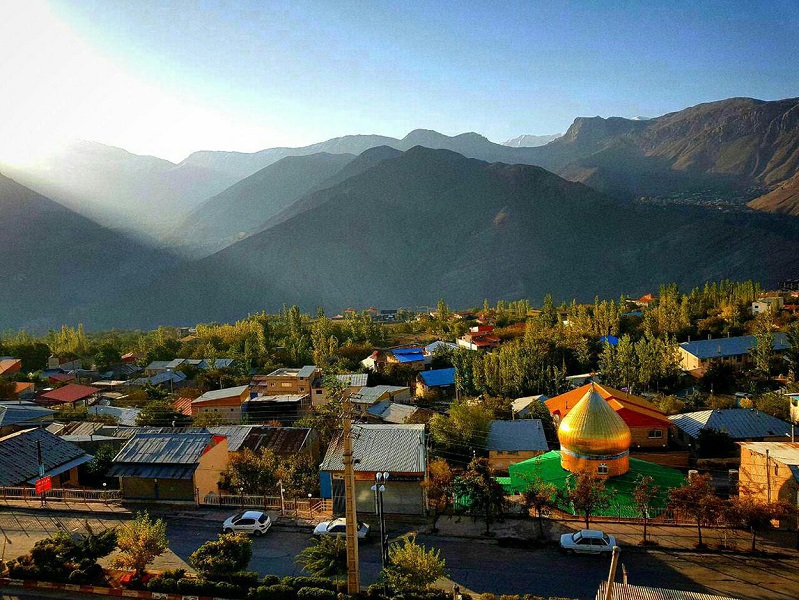
Larijan Village, located just 60 km northeast of Tehran and 26 km from Mount Damavand, is a well-known hub for hot springs. The village is surrounded by rivers, lush landscapes, and multiple natural springs, making it a must-visit destination for those seeking relaxation and healing.

The hot springs here flow at a remarkable rate of 1,000 liters per minute, with water temperatures ranging from 65°C to 70°C. The mineral-rich waters are crystal clear and offer a range of health benefits. The distinct smell, often compared to rotten eggs, comes from hydrogen sulfide, a natural byproduct of volcanic activity.

Health Benefits of Larijan’s Hot Springs

The waters of the Damavand Hot Water Springs in Larijan are known for their healing properties. Some of the key benefits include:

  • Skin Health: The mineral-rich waters can help improve various skin conditions such as eczema, acne, and scars.
  • Muscle and Joint Relief: Soaking in the hot springs can ease muscle pain, joint stiffness, and even rheumatism.
  • Respiratory Benefits: The warm vapors from the springs help clear sinuses and relieve respiratory issues like asthma and bronchitis.
  • Stress Relief: The calming effects of the springs can reduce stress, anxiety, and promote overall mental well-being.


Private Pools for a Unique Experience

In Larijan Village, many local residents have created private hot spring pools in their homes. These pools are available for rent, providing a quiet and intimate way to enjoy the therapeutic waters. Most of these pools are small, ideal for 4-5 people, though larger options are available for bigger groups.

Two of the most popular hot springs in the area are Ab-e-Ask and Esterabkooh. Both offer relaxing experiences, with clear, warm waters and mineral content that adds to their healing power.

After Your Trek: Soak in the Damavand Thermal Springs

Climbing Mount Damavand can be an intense and exhausting experience. After a long trek to the summit, nothing beats the relaxation of soaking in the Damavand Hot Water Springs. The warm waters help ease muscle tension, relieve cramps, and rejuvenate the body, making it the perfect way to unwind after a challenging climb.

Many climbers choose to visit the hot springs as part of their recovery routine, followed by a delicious meal of Larijan lamb kebab—a local specialty. Afterward, a restful night’s sleep is the ideal way to prepare for the next day’s adventures.

Tips for Visiting Damavand Hot Water Springs

  1. Best Time to Visit: The best time to visit the Damavand Hot Water Springs is from late spring to early autumn when the weather is warmer. However, the springs are open year-round and offer a beautiful winter experience, with Mount Damavand’s snow-capped peak as the backdrop.
  2. How to Get There: Larijan Village is about 1.5 to 2 hours by car from Tehran. Visitors can combine their trek to Damavand with a relaxing trip to the hot springs afterward.
  3. What to Bring: Remember to bring comfortable clothing, a swimsuit, and a towel for your visit. A camera is also a must to capture the stunning landscapes around you.
  4. Respect Local Etiquette: Many of the hot spring pools are private, so it’s a good idea to book in advance and check availability. Be respectful of the local customs and keep the area clean during your visit.

Why You Should Visit Damavand Hot Water Springs

Whether you’re a seasoned mountaineer or a traveler looking to experience the healing power of nature, the Damavand Hot Water Springs in Larijan Village offer a perfect escape. The combination of natural beauty, therapeutic waters, and rich local culture make it a unique and rewarding experience. After a day of adventure or simply to relax, a soak in these mineral-rich springs will leave you feeling rejuvenated, refreshed, and ready for the next leg of your journey.

× How can I help you?