+98 912 272 2656 info@persiatrek.com
about Esfahak village

about Esfahak village

Everything should know before traveling to Esfahak village
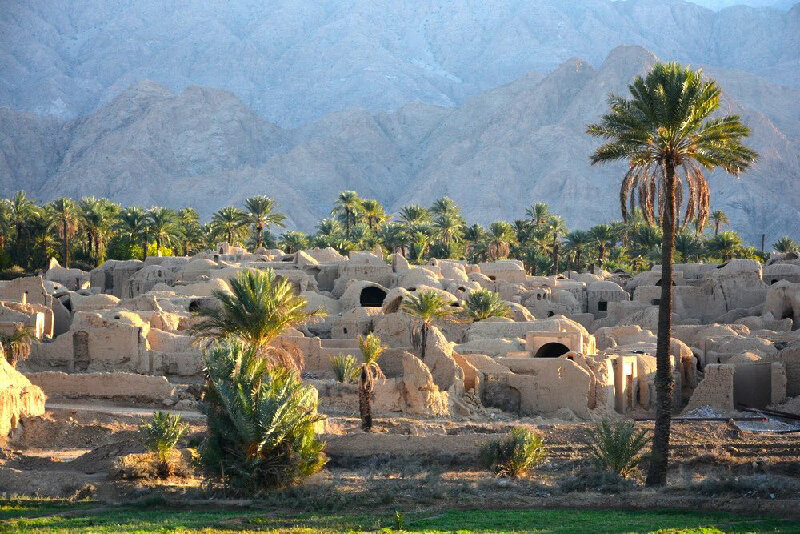
 

Esfahak village was registered as one of he 55 Best Tourism Villages by UN Tourism 2024 (link)


Where is Esfahak village

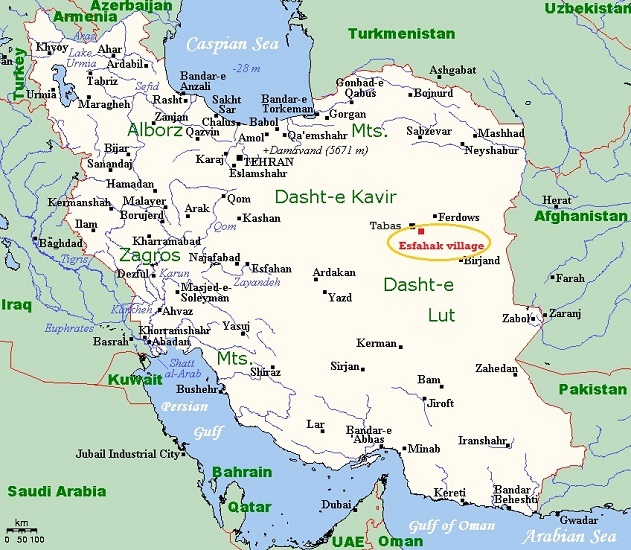
The historical village of Esfahak is in the eastern plateau of Iran, on the northern edge of the Lut plain.
Esfahak village

Why Esfahak is an attractive destination for tourism?

United Nations Tourism Organization introduced Esfahak village as one of the best tourist villages in 2024.
In 1357, a terrible earthquake destroyed this village. After that , many people left the village.

But since 2014, some of the villagers decided to restore the village . They preserved and revived the old and original architecture

The people used their unique assets for economic growth, promoting local traditions and improving the quality of life.

They created the necessary infrastructure for the development of tourism in this village and provided a safe, clean and healthy environment for tourists.

When is the best time to travel to Esfahak village?
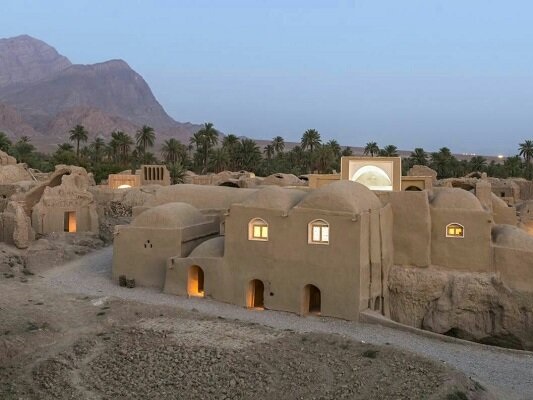
If you want to travel to this village the best time is from March to May and October to December .  Because these two seasons are the best seasons to travel to the desert areas of Iran

Night sky and stargazing in Esfahak

One of the most popular attractions in desert areas is watching the starry sky at night . Esfahak village is no exception to this rule.
The people of Esfahak prevented the installation of lighting towers in the streets of the village by establishing special rules and lit them with small lanterns, thus reducing the light pollution of the village so that it is easier to see the stars.
Shortly after the reconstruction of the village, a desert observatory was built in this area to display the most beautiful night sky in front of you.

The observatory consists of three concentric brick walls that welcome tourists and desert hikers from sunset.

Esfahak architecture
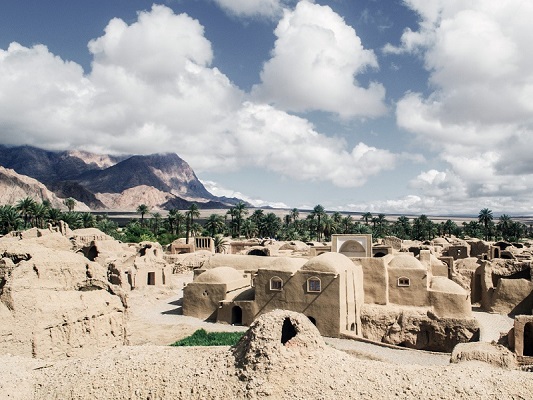
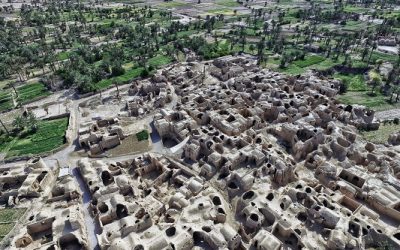
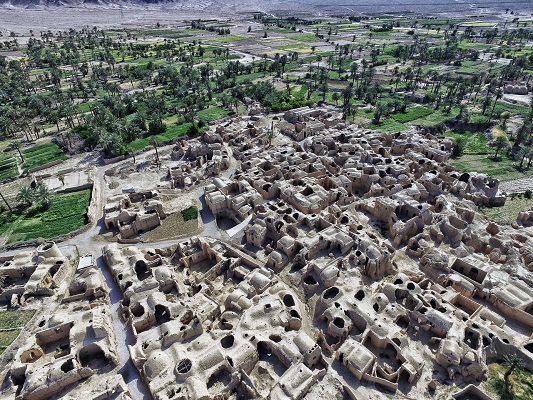
The architecture and structure are completely compatible with desert areas and the materials used in the construction of these historical houses are all clay and mud.
As a result of this type of architecture, the houses are close to each other and this makes them more secure and the risk of theft from the houses is less.
Also, this proximity of buildings helps to create more shade and minimizes heat exchange, which causes the least amount of sunlight to be received. And as a result, houses are warm in winter and cool in summer.
One of the remarkable features in the architecture of the houses of Esfak village is the dome shape of their roofs. To create shade, it is against the direction of the sun, so that during the peak hours of the sun, one side of the domes is always shaded and absorbs less heat.

Historical monuments of Esfahak village

Due to the severe earthquake that occurred in this area in 1978, many parts of the village were destroyed, but parts of it, such as the Grand Mosque, a bathhouse, and a desert observatory, still remain.

It should be mentioned that after this unfortunate incident, the village’s residents and a group of experts were rehabilitated and reconstructed the historical buildings of this village.

Grand Mosque
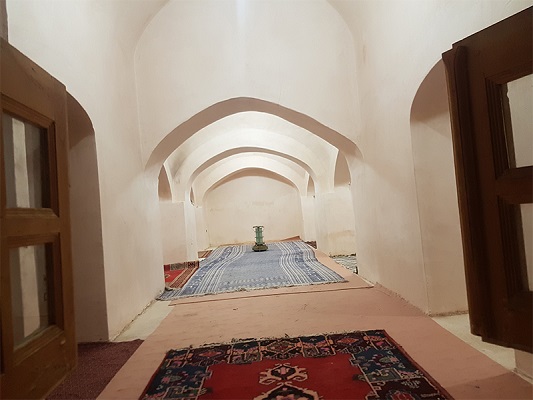
esfahak village

The houses of Esfahak village follow the native architecture of desert areas and Esfahak Mosque is no exception to this rule and has a small space with a straw dome and a few small windows.

Old village bath (Hammam)

Another historical building in Esfahak village  is an old bath that has a platform for sitting, a headboard, short doorways and a basin in the middle.

Desert Observatory

During the reconstruction of the historical context of the village, another part was added to the village as an observatory, which consists of three brick walls that are concentric circles.

Nature tour in Esfahak village
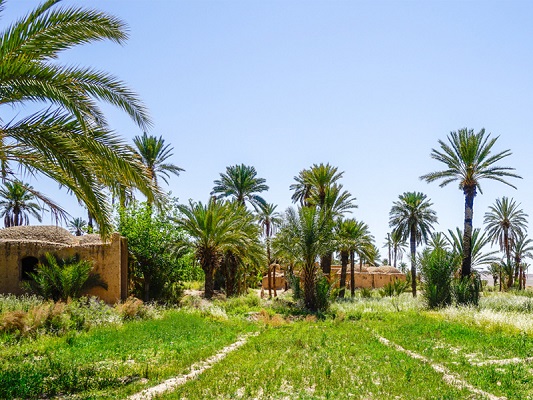
esfahak village

This village is on the edge of Lot desert, which is one of the largest deserts in Iran. When you travel to Esfahak, you can devote part of your time to walking around the village.

The surrounding area of ​​the village is covered with saffron and native oregano farmlands.

Green and tall palm trees can be seen around the village, which gives you the feeling of traveling to a different region.

The orange tree is one of the regular guests of the village, even if you close your eyes, the smell of oranges will reach your nose with the breeze.

Esfahak accommodations : Stay the night in the historic and nostalgic context of the village

Do you know eco-friendly accommodations?

In these accommodations you will feel as a guest of one of the locals . Because every single detail of these houses connects you to the local culture and lifestyle.

One of these ecotourism residences in Esfahak village is a collection of six residences .  this residence  has 22 rooms , which do not even have appliances such as beds, televisions, and refrigerators , and the toilet and bathroom are shared.
In the interior of the rooms, there are special pillows and hand-woven carpets in different colors . Also the walls of the rooms are decorated with niches and old appliances.
The purpose of all these items and details is to make you feel the sense of life in the past .

A variety of local and native foods , live and local music performances, exhibition and shops and handicrafts are among the other facilities of these residences.

Isfahak natives.
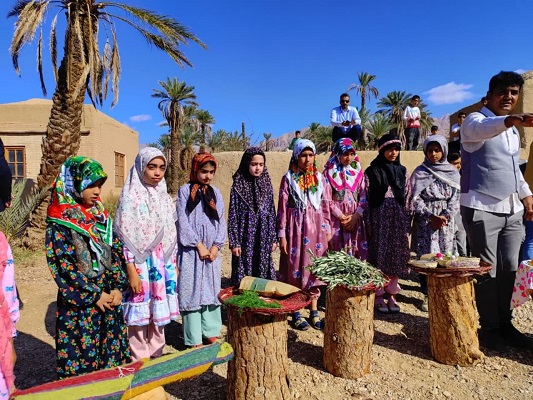
esfahak village people

Occupation of the village people and their souvenirs

It can be said that “water” is Isfahak’s biggest asset. There are several different aqueducts in and around the village itself. For this reason, the main occupation of the village people is agriculture and raising cattle and sheep.

On the other hand, the people of this village have special skills in carpet weaving. For this reason, one of the main handicrafts of Esfak is its hand-woven carpets.

If you like to shop in the village, you can take saffron, dates or rugs with you as a souvenir to help the tourism industry of the village.

Local dress of the village

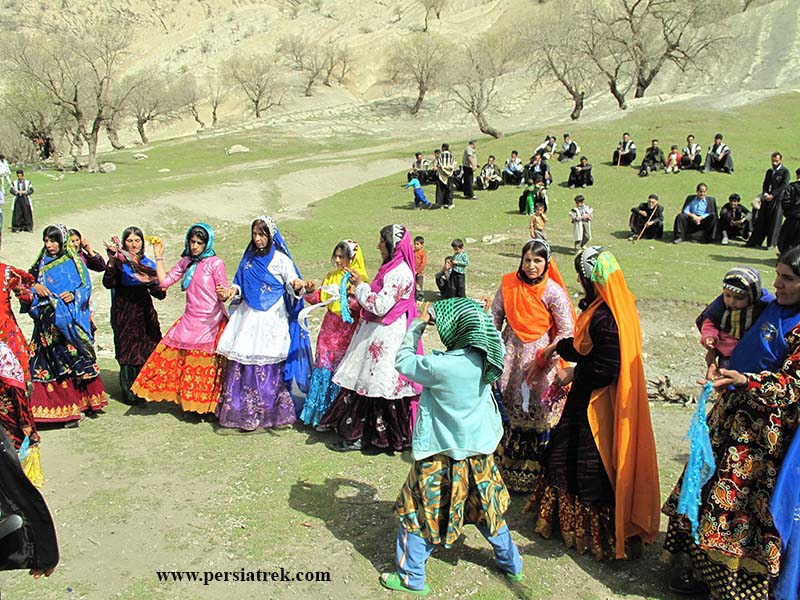
The men of Esfahak wear aprons, coats, pants, shirts, vests, hats, and shoes. The women of the village also wear long and loose shirts, pants, scarves and chadors.

The customs of the village people

One of the interesting and spectacular customs of the village is “Cheraghon” or “Cheraghon Isfaheki”. The story of this custom goes back to the time when there was no such thing as electricity or lights in the village. That’s why when it was night, people would light their oil lanterns and go to see each other.


Nandal village

Nandal village

Introduction

Nandal village

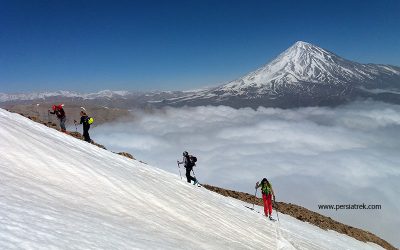
view of Nandal village from mount Damavand

Nandal village is a beautiful village with an altitude of 2,300 meters above sea level and is one of the Larijan villages of Amol county in Mazandaran province. Nandal summer village is located on Haraz road.

(more…)

Top 10 Most Beautiful Mosques in Iran

Top 10 Most Beautiful Mosques in Iran

Discover the Stunning Mosques of Iran: Top 10 Must-Visit Gems

Iran’s mosques captivate visitors with their unparalleled beauty, rich history, and exquisite artistry. Whether you are a Muslim, a lover of religious architecture, or simply an enthusiast for breathtaking landmarks, Iranian mosques promise an unforgettable experience.

Renowned worldwide, these architectural masterpieces combine vibrant colors, intricate designs, and striking use of light. Each mosque reflects centuries of craftsmanship, blending artistic elegance with spiritual significance. Let’s delve into the Top 10 Most Beautiful Mosques in Iran, complete with details about their opening hours and entrance fees. Before exploring, here are a few essential tips for visiting mosques in Iran.


Important Notes for Visiting Mosques in Iran

Visiting a mosque in Iran involves respecting its status as a holy site. Here are a few key points to remember:

  • Dress Modestly: Women must wear modest clothing, including a cape-like veil called a “chador,” often provided at the entrance.
  • Shoes Off: Remove your shoes before entering carpeted areas.
  • Prayer Times: During congregational prayers, usually held at noon and sunset, visitors must wait until the prayers conclude before entering the main nave.
  • Closed on Certain Holidays: While mosques remain open on Fridays and most holidays, they are closed during six specific occasions when all tourist attractions are shut.
  • Historical Context: Many iconic mosques are situated near traditional bazaars and other historic landmarks, offering a rich cultural experience beyond the mosque itself.

Now, let’s explore the top 10 mosques that showcase Iran’s architectural brilliance.


10. Na’in Jameh Mosque: One of Iran’s Oldest Treasures

Most Beautiful Mosques in Iran

Located in the historic town of Na’in near Isfahan, the Na’in Jameh Mosque is one of Iran’s oldest mosques, dating back over 12 centuries. Despite the passage of time, this stunning monument preserves the glory of Khorasani architecture. Remarkably, it survived Genghis Khan’s devastating invasions, offering a glimpse into Iran’s resilient cultural heritage.

Built primarily with clay and brick to suit its desert surroundings, the mosque features intricate plasterwork and Islamic motifs on its ceilings, entrance, and altar. Its timeless charm continues to inspire awe among visitors.


9. Goharshad Mosque: A Jewel of Mashhad

Most Beautiful Mosques in Iran

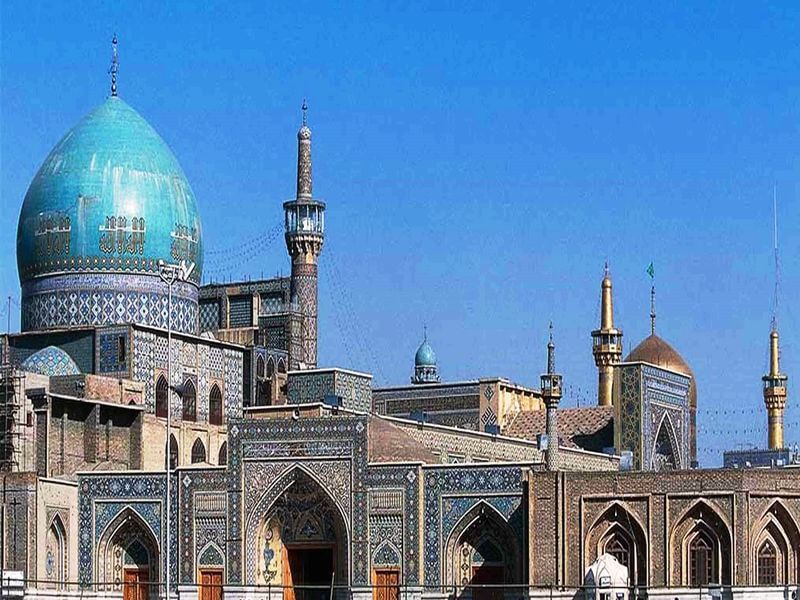
Situated near the Imam Reza Holy Shrine, Goharshad Mosque boasts a history of 600 years. Commissioned by Goharshad Khatoon, wife of a Timurid king, this mosque seamlessly blends religious and artistic significance.

A four-Iwan mosque with a nearly square courtyard, its decorations include breathtaking woodcarvings, tiling, calligraphy, and marble engravings. Its proximity to the Imam Reza Shrine makes it one of Iran’s most visited mosques.


8. Kabood Mosque: The “Turquoise of the Islamic World”

Most Beautiful Mosques in Iran

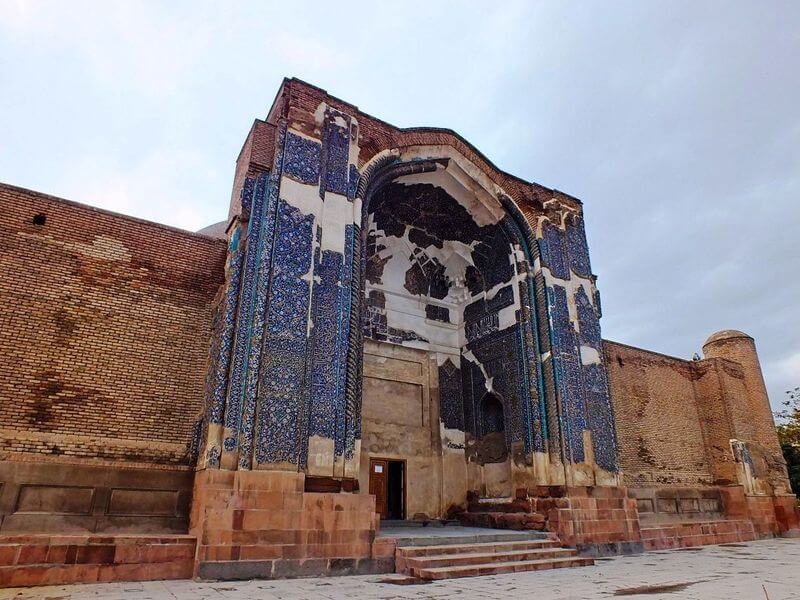
The Kabood Mosque, also known as the Blue Mosque, stands as a masterpiece of 15th-century Iranian architecture. Despite suffering damage over the years, its azure and turquoise tilework continues to dazzle.

One of only four mosques globally adorned with blue tiles, its name reflects its vibrant façade. The mosque’s striking geometric designs and Islamic motifs exemplify the art of Iranian architects.


7. Agha Bozorg Mosque: A Kashan Icon

Most Beautiful Mosques in Iran

In Kashan, the Agha Bozorg Mosque showcases the tallest Qajar dome and boasts five stories of exquisite design. Its symmetrical architecture, colorful tiles, intricate muqarnas, and woodcarvings make it a standout among Iran’s mosques.

Interestingly, the mosque serves dual purposes: the upper floor functions as a prayer hall, while the lower floor houses a religious school. Sunset visits offer the best lighting to admire its intricate beauty.


6. Yazd Jameh Mosque: Towering Minarets and Timeless Art

Most Beautiful Mosques in Iran

The Yazd Jameh Mosque, located in the historic Fahadan neighborhood, is famous for having the tallest minarets among Iranian mosques. Built on the ruins of a Sassanid fire temple, this mosque spans 9,000 square meters and combines elements from various historical periods.

Its turquoise tilework and towering 52-meter-high minarets are unforgettable highlights.


5. Vakil Mosque: Shiraz’s Zand-Era Gem

Most Beautiful Mosques in Iran

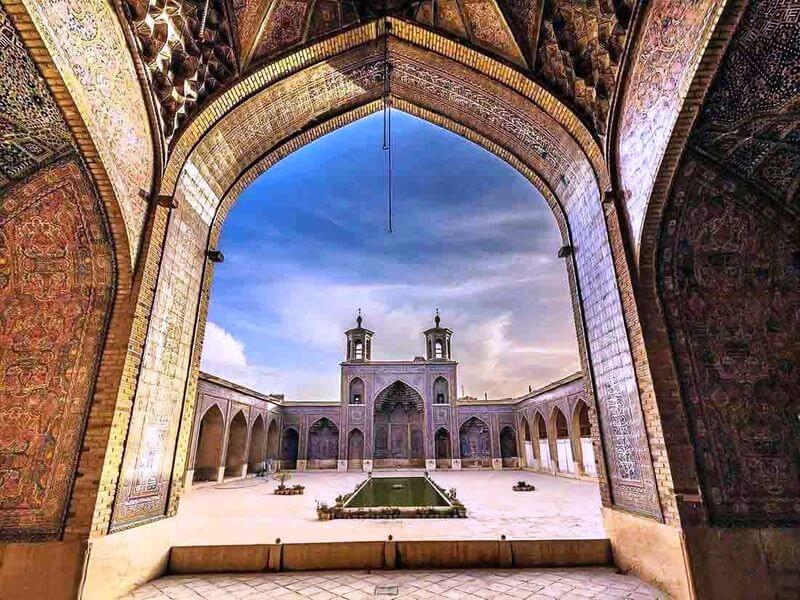
Nestled near the bustling Vakil Bazaar, Vakil Mosque wows visitors with its carved stone columns and vibrant tilework. Constructed over 250 years ago during the Zand dynasty, the mosque features a magnificent marble altar and a central courtyard framed by colorful Ivans.

The “Pearl Arch,” a 20-meter-high structure adorned with floral motifs and seven-colored tiles, stands as a testament to the artisans’ skill.


4. Shah Mosque: The Crown Jewel of Isfahan

Most Beautiful Mosques in Iran

Located in Naghsh-e Jahan Square, the Shah Mosque represents the pinnacle of Safavid-era architecture. This UNESCO World Heritage Site enchants visitors with its muqarnas, seven-color tilework, and acoustic marvels beneath its turquoise dome.

The mosque symbolizes the unity of spiritual, economic, and political power, harmoniously integrated within the square.


3. Jameh Mosque of Isfahan: A Living Canvas

Most Beautiful Mosques in Iran

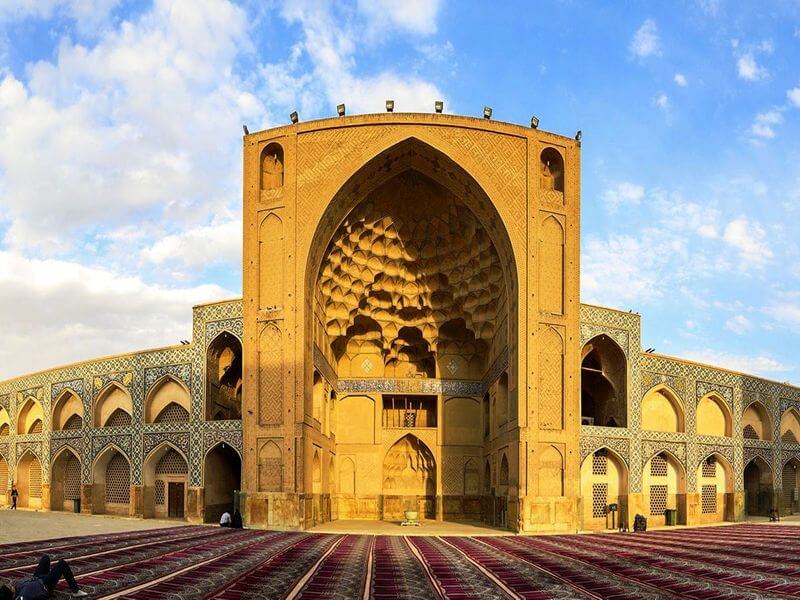
The Jameh Mosque of Isfahan showcases over 1,300 years of architectural evolution. Situated at the end of the Grand Bazaar, it reflects the artistry of different eras, from its Öljaitü altar to its four-Iwan design.

Declared a UNESCO World Heritage Site in 2012, the mosque’s spiritual ambiance and stunning craftsmanship captivate all who visit.


2. Sheikh Lotfollah Mosque: A Dome of Changing Colors

Most Beautiful Mosques in Iran

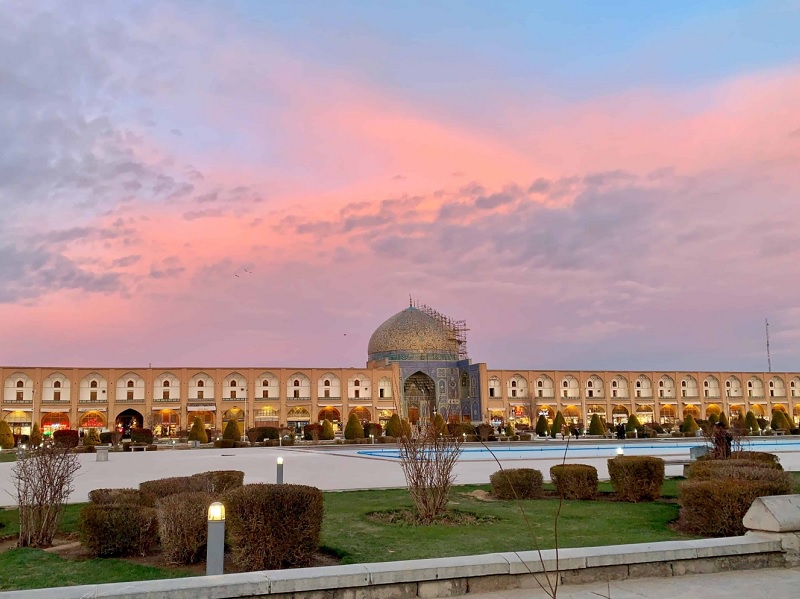
Sheikh Lotfollah Mosque, another gem in Naghsh-e Jahan Square, is famed for its delicate floral motifs and stunning yellow-and-blue tilework. Its dome, which changes color from cream to pink throughout the day, creates a magical experience, especially at sunset.

Built during Shah Abbas I’s reign, this mosque exemplifies the intricate artistry of the Safavid period.


1. Nasir Al-Molk Mosque: The Mesmerizing Pink Mosque

Most Beautiful Mosques in Iran

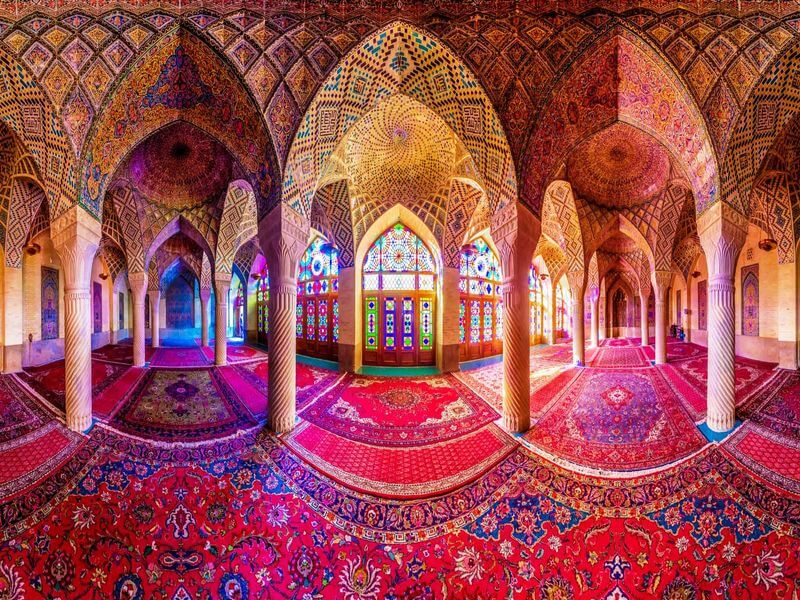
Topping the list is Nasir Al-Molk Mosque in Shiraz. Known worldwide for its dazzling play of light and color, this Qajar-era mosque features exquisite pink tiles and stained-glass windows.

The best time to visit is early morning when sunlight streams through the glass, creating a kaleidoscope of colors on the Persian carpets. Truly, this “Pink Mosque” offers an unforgettable experience for every traveler.


Marvel at the Beauty of Iran’s Mosques

Iran’s mosques are a treasure trove of architectural brilliance, spirituality, and artistic elegance. Whether you are Muslim, curious about religious heritage, or simply an admirer of fine craftsmanship, these mosques will leave you in awe.

Why Iranian Mosques Are Unique

Iranian mosques are globally renowned for their harmonious blend of color, light, and intricate designs. Their exquisite architectural details showcase the artistry of centuries-old traditions, making them stand out among the world’s sacred sites. Vibrant tiles, magnificent domes, and ornate motifs combine to create masterpieces that enchant every visitor.

Let’s explore the Top 10 Most Beautiful Mosques in Iran, each offering unique features, historical significance, and cultural charm. Before diving into the list, take note of the following important guidelines to ensure a respectful visit.


Plan Your Journey

Iran’s mosques are not just places of worship but also timeless works of art. Each one tells a story of history, culture, and faith. If you have questions about visiting these magnificent landmarks, feel free to contact us for personalized guidance.

No Results Found

The page you requested could not be found. Try refining your search, or use the navigation above to locate the post.

Bakhtiari groups

Bakhtiari groups

Bakhtiari groups

zagros trek

Bakhtiari groups : You have probably heard the name of Soraya Bakhtiari, the Iranian-German queen of Iran, or Shapur Bakhtiar, the last prime minister of the Pahlavi kingdom.

What about the NFL Green Bay Packers player David Bakhtiari? All of them are members or descendants of the Bakhtiari groups.

(more…)

Isfahan – capital of ancient Persia

Isfahan – capital of ancient Persia

Isfahan – capital of ancient Persia

Introduction

Among the cities of Iran,  for sure Isfahan is like a piece of jewelry that despite of the historical instability in the area has still retained its luster and glory throughout the centuries.

Isfahan is a city in center of Iran where known for its Persian architecture. In the huge Naqsh-e Jahan Square is the 17th-century Imam (Shah) Mosque, whose dome and minarets are covered with mosaic tiles and calligraphy. Ali Qapu Palace, built for Shah Abbas and completed in the late 16th century, has a music room and a verandah overlooking the square’s fountains. Sheikh Lotfollah Mosque is known for its intricate tiling.

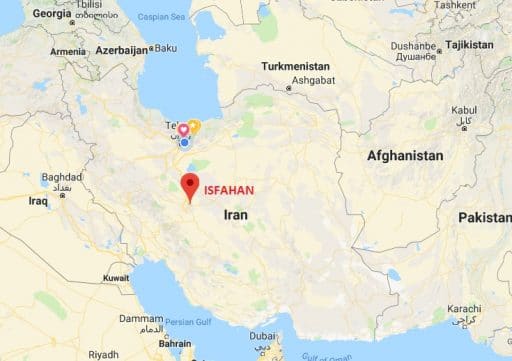
Isfahan map

location in Iran map

(more…)

Alamut region, Paradise of Natural and Cultural Tourism of Iran

Alamut region, Paradise of Natural and Cultural Tourism of Iran

Alamut region, Paradise of Natural and Cultural Tourism of Iran

Where is Alamut region ?

alamut region ,trekking

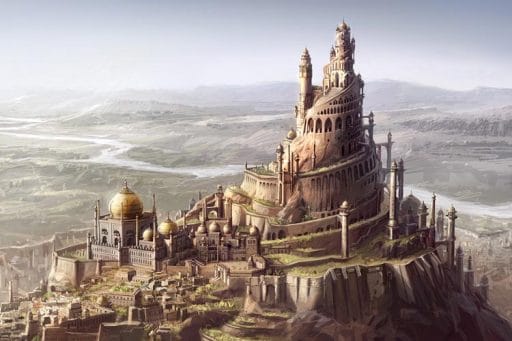
Fantasy image of Alamut castle in “Prince of Persia” movie

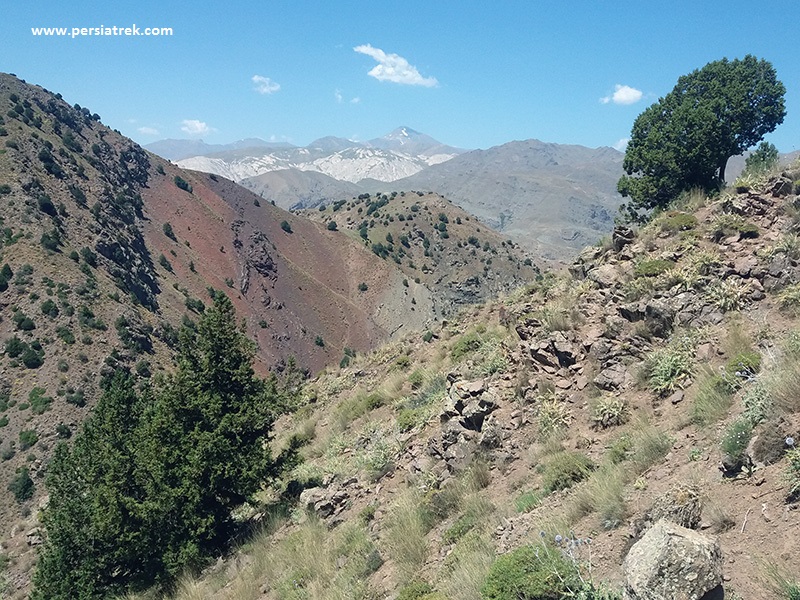
Alamut region is a very beautiful and historic region in north east of Qazvin province . it has plenty of touristic attraction ,in addition Alamut is consist of  lots of valley and high altitude mountains(above3500m) also there are many villages which are located in the border of Qazvin and Mazandaran province (South and north of Alborz mountain range) consequently it could be one of the best choices for travelers to visit in Iran

you can find one of our Alamut trekking packages here :Trekking (Crossing Alborz)/Alamoot-Kelardasht (8 days)  

or customize your own trip here

Alamut history:

Until 11th century , Alamut was called “Roudbar but after capturing Alamut by Hassan Sabbah , (founder of  Ismaili sect) the name of this region changed to Alamut  , one of the reason of the fame of Alamut is Alamut castle (The capital of the Ismaili government which founded by Hassan Sabbah.

Alamut  Dialect:

Alamut region main dialect is Tati , but some villages also speak in Kurdish and Turkish languages.

Alamot Worldwide:

Alamut is a novel by Vladimir Bartol, first published in 1938 in Slovenian, dealing with the story of Hassan-i Sabbah and the Hashshashin, and named after their Alamut fortress.

The Alamut series , written by judith tarr , The books mainly tells the story of the elf Prince Aidan from the elf kingdom of Rhiyana

Alamut in Prince of Persia movie , The Sands of Time is a 2010 American action fantasy film directed by Mike Newell

Alamut region mountains:
Sialan (4175m):

alamut region ,sialan

A view of Sialan summit from south , you can see also it’s shelter

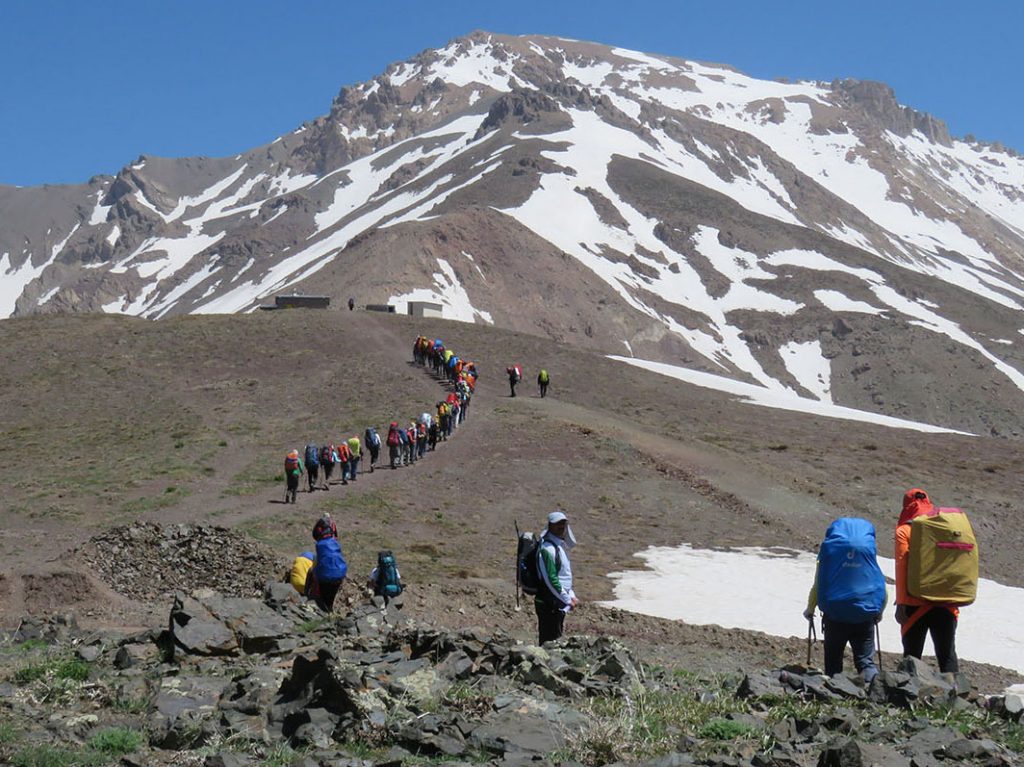
Sialan Peak is 4175 meters above sea level. This mountain overlooks the south to the Roodbar Alamut area of Qazvin province and north to the Dohazar valley of Tonekabon in Mazandaran. There are two shelter on the north side and  south side of this mountain. in general, it is possible to climb from three different route.

One of the most important trekking route in Alborz is trekking from Alamut(south of Alborz) to Shahsavar(north of Alborz) by passing Sialan peak.

Start point: Haniz village , Alamut (elevation: 2225m)

Finish point: Asal mahalleh , Dohezar valley , Shahsavar(elevation: 1220m)

Total trekking: 34km

Khash-e chal(3850m)

alamut mountain

Khash-e chal peak is located in north of Alamut . it’s the natural border of Alamut region and Mazandaran province . there is a small shelter at about 3000m of south ridge of this peak. Evan lake , the most important Mountainous lake in Alamut , located in south of this mountain .

There are two main route for ascending the summit of Kash-e chal:

  • Western ridge: via :Qazvin , Moalem kelayeh , Evan you can reach to base of this route
  • Northern ridge: Via : Shahsavar in Mazandaran province , Shir rud
Shah Alborz(4170m)

Shah Alborz is located in southern direction of Eastern Alamut and it’s the natural border of Alamut and Alborz Province .

The normal trekking route of this mountain starts from Hasanjoon village in Taleghan region in Alborz province . it is also possible to you ascend this summit from north side and it starts from Dinehrud village in eastern Alamut.

you can find one of our Alamut trekking packages here :Trekking (Crossing Alborz)/Alamoot-Kelardasht (8 days)  or customize your own trip here

No Results Found

The page you requested could not be found. Try refining your search, or use the navigation above to locate the post.

× How can I help you?