+98 912 272 2656 info@persiatrek.com
Nowrouz in Iran: A Celebration of Renewal and Joy

Nowrouz in Iran: A Celebration of Renewal and Joy

Nowrouz in Iran: A Celebration of Renewal and Joy


Nowrouz, the Persian New Year, is an ancient celebration marking the arrival of spring and the vernal equinox. Deeply rooted in Iranian culture and Zoroastrian traditions, Nowrouz transcends religious and ethnic boundaries, uniting millions across Iran and beyond. This article delves into the history, customs, and significance of Nowrouz in Iran, highlighting why it remains one of the most cherished festivities in the region.
Nowrouz in Iran

The Origins of Nowrouz

Nowrouz, meaning “new day” in Persian, dates back over 3,000 years. The celebration has its origins in Zoroastrianism, the pre-Islamic religion of ancient Persia. Zoroastrians viewed the vernal equinox as a symbol of renewal, reflecting the eternal battle between light and darkness. The concept of celebrating rebirth and the triumph of good over evil is a cornerstone of Nowrouz.

Historical texts, including the Shahnameh—Ferdowsi’s epic poem—highlight the legendary figure of Jamshid, a mythical king credited with establishing Nowrouz. According to legend, Jamshid ascended to the throne and declared Nowrouz to mark his victory over darkness and evil forces.

When is Nowrouz Celebrated?

Nowrouz begins precisely at the moment of the vernal equinox, usually on March 20th or 21st. This marks the start of Farvardin, the first month of the Iranian solar calendar. The timing symbolizes a balance between day and night, aligning with themes of harmony and renewal.

Nowrouz in Iran

The Haft-Seen Table: A Symbolic Display

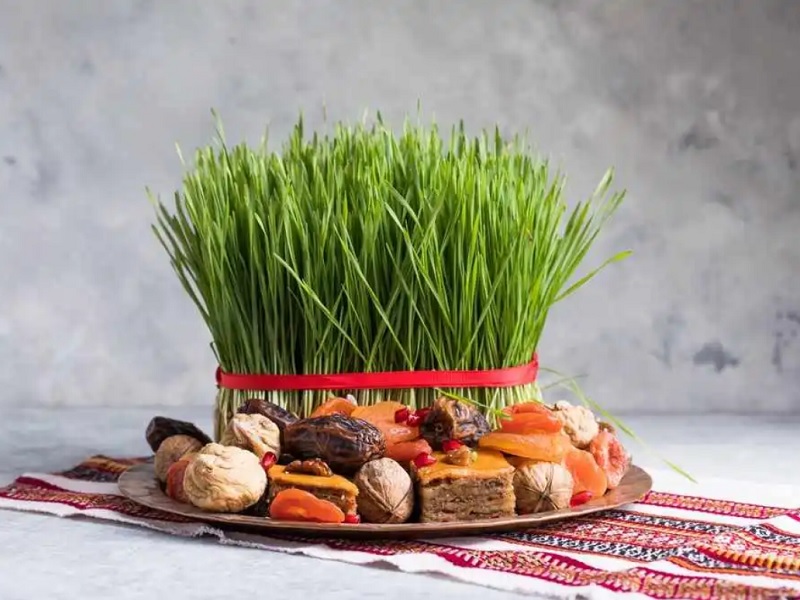
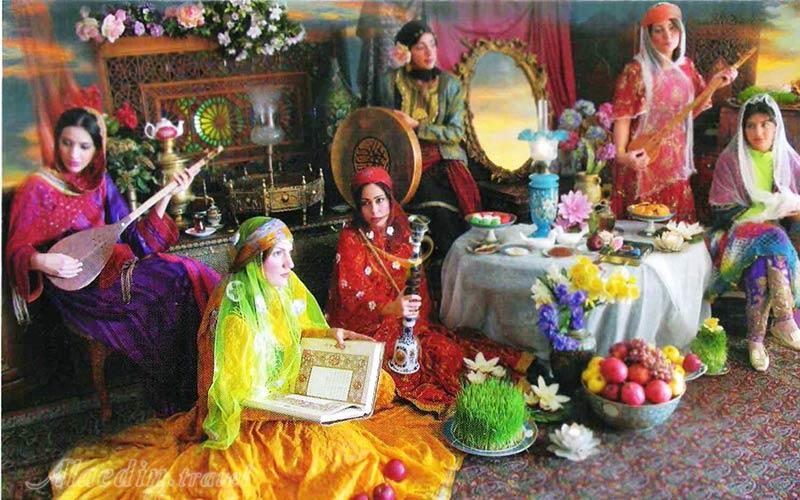
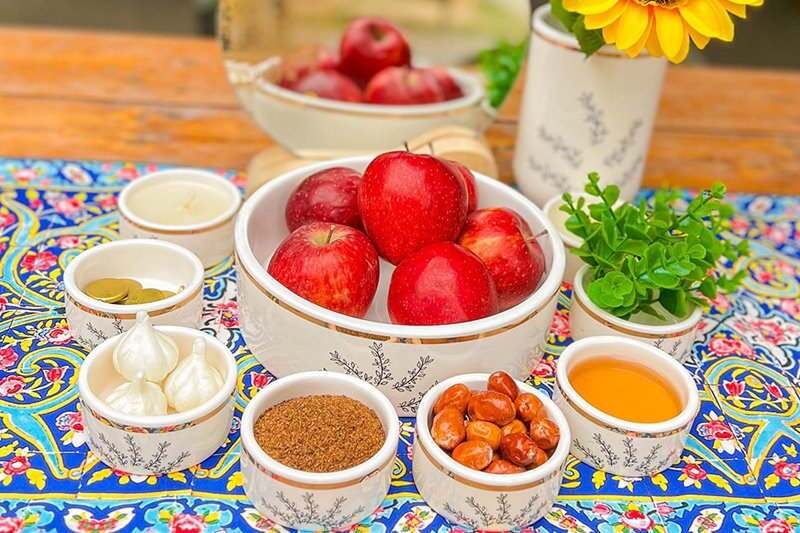
At the heart of Nowrouz celebrations is the Haft-Seen table, an arrangement of seven items whose names start with the Persian letter “S” (Seen). Each item carries profound symbolism:

  1. Sabzeh (Sprouted wheat or lentils): Represents rebirth and growth.
  2. Sib (Apple): Symbolizes health and beauty.
  3. Seer (Garlic): Denotes protection and medicine.
  4. Samanu (Sweet pudding): Stands for power and strength.
  5. Senjed (Dried oleaster fruit): Signifies love and wisdom.
  6. Somāq (Sumac): Represents the sunrise and patience.
  7. Serkeh (Vinegar): Embodies aging and patience.

The Haft-Seen table often includes other items such as a mirror (reflection), candles (light), painted eggs (fertility), goldfish (life), and hyacinth flowers (beauty). A book of poetry or the Quran is also placed to signify spirituality.
Pre-Nowrouz Traditions

Preparation for Nowrouz involves weeks of cleaning, organizing, and shopping. These activities symbolize clearing away negativity and making space for new beginnings.

Khaneh-Tekani: Spring Cleaning

Literally meaning “shaking the house,” Khaneh-Tekani is an integral pre-Nowrouz tradition. Families thoroughly clean their homes, discard unwanted items, and refurbish their living spaces. This ritual reflects a desire to start the new year with a clean slate.

Charshanbeh Suri: Festival of Fire

On the last Wednesday evening before Nowrouz, Iranians celebrate Charshanbeh Suri. Bonfires are lit, and people jump over the flames while chanting, “Zardi-ye man az toh, sorkhi-ye toh az man,” meaning “Take my yellowness, give me your redness.” This symbolizes purging misfortune and embracing health and vitality.

Nowrouz Festivities

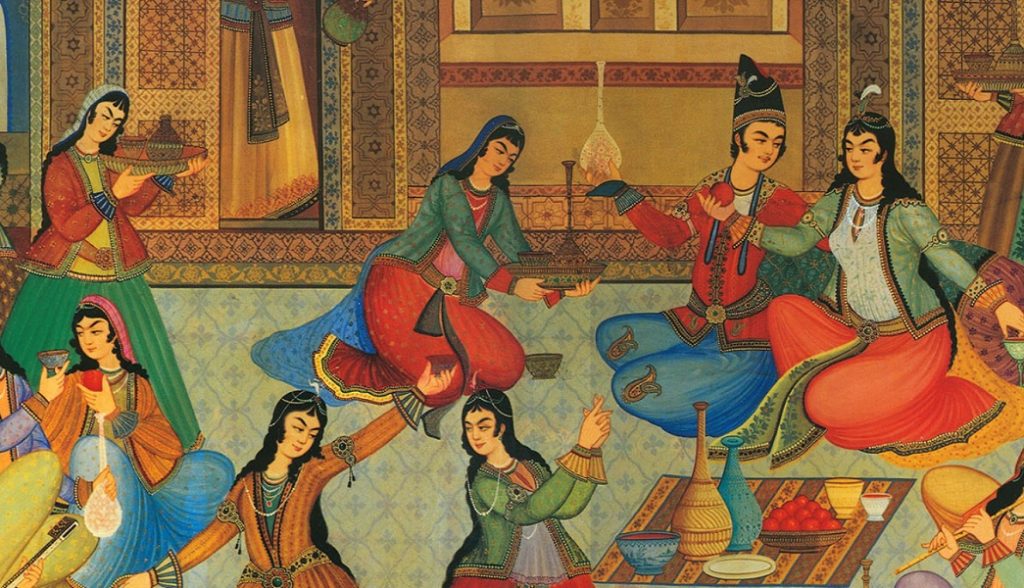
Once the vernal equinox arrives, families gather around the Haft-Seen table to mark the exact moment of Nowrouz. The celebrations continue for 13 days, filled with visits, feasts, and cultural activities.

Visiting Family and Friends

Nowrouz emphasizes reconnecting with loved ones. The first few days are dedicated to visiting elders, followed by reciprocal visits. Hosts serve traditional sweets such as baklava, noghl (sugar-coated almonds), and tea to guests.

Traditional Nowrouz Cuisine

Food plays a central role in Nowrouz festivities. Some popular dishes include:

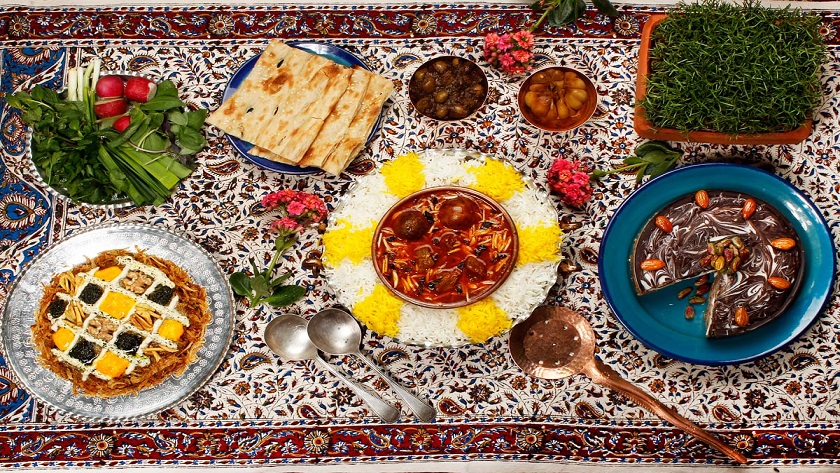
  • Sabzi Polo ba Mahi: Herb-infused rice served with fried fish, symbolizing prosperity and abundance.
  • Reshteh Polo: Rice mixed with noodles, signifying the unraveling of life’s complexities.
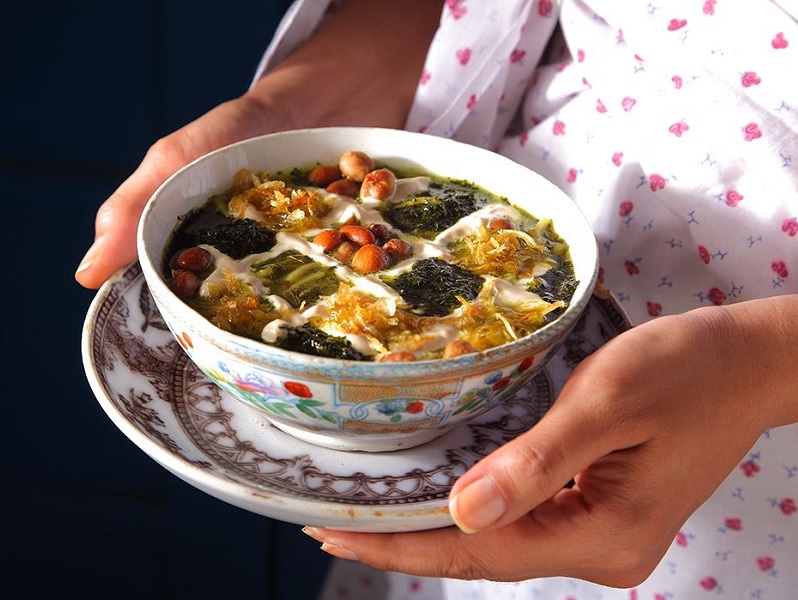
  • Ash-e Reshteh: A hearty soup with beans, herbs, and noodles, symbolizing good fortune.
  • Kuku Sabzi: A Persian herb frittata, representing growth and health.

Sizdah Bedar: Nature Day

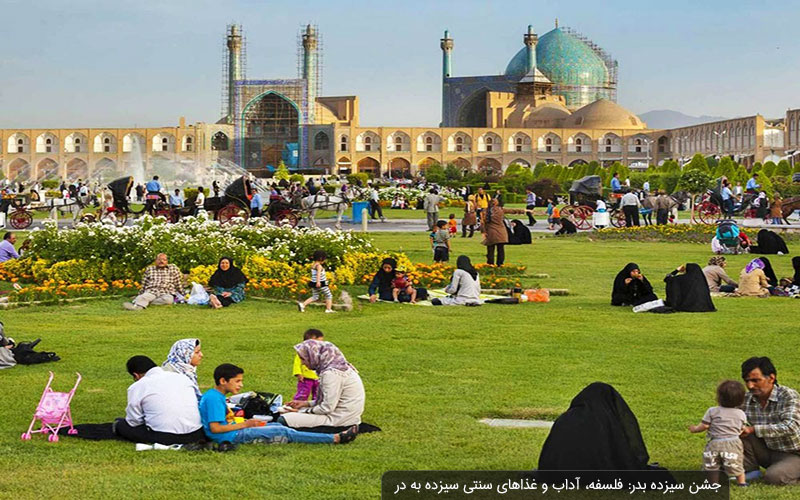
The 13th day of Nowrouz, Sizdah Bedar, is spent outdoors. Families enjoy picnics in parks or countryside settings, symbolizing a return to nature. The Sabzeh from the Haft-Seen table is thrown into running water, signifying the release of negativity and bad luck.
Nowrouz in Iran

Nowrouz Beyond Iran

Nowrouz is not exclusive to Iran. It is celebrated in many countries across Central Asia, the Caucasus, and the Middle East, including Afghanistan, Tajikistan, Uzbekistan, and parts of India. Each region adds its unique customs to the celebration, enriching the diversity of Nowrouz traditions worldwide.

The Spiritual and Cultural Significance of Nowrouz

Nowrouz is more than a celebration; it embodies values such as renewal, gratitude, and unity. It encourages individuals to reflect on their past, express gratitude for blessings, and set intentions for the future. The emphasis on family, hospitality, and cultural heritage strengthens bonds within communities.

Nowrouz in Modern Iran

In contemporary Iran, Nowrouz remains a cherished holiday. Despite societal changes and modernization, the festival’s core values persist. Schools and offices close for several days, and Iranians of all ages participate in the festivities.

Social media and technology have also influenced how Nowrouz is celebrated. People share Haft-Seen table photos, greetings, and memories online, spreading the joy of the season globally.

Challenges and Preservation of Nowrouz

While Nowrouz thrives as a cultural cornerstone, it faces challenges such as urbanization and time constraints in modern life. Efforts to preserve Nowrouz traditions include:

  • Educational Initiatives: Schools incorporate lessons on Nowrouz history and customs.
  • Community Events: Local organizations host Nowrouz-themed events and performances.
  • UNESCO Recognition: Nowrouz is recognized as an Intangible Cultural Heritage by UNESCO, underscoring its global importance.

Conclusion

Nowrouz in Iran is a vibrant celebration of life, renewal, and cultural heritage. From its ancient Zoroastrian roots to its modern-day expressions, Nowrouz brplease
 

Iranian Traditional Music

Iranian Traditional Music

Iranian Traditional Music and Instruments


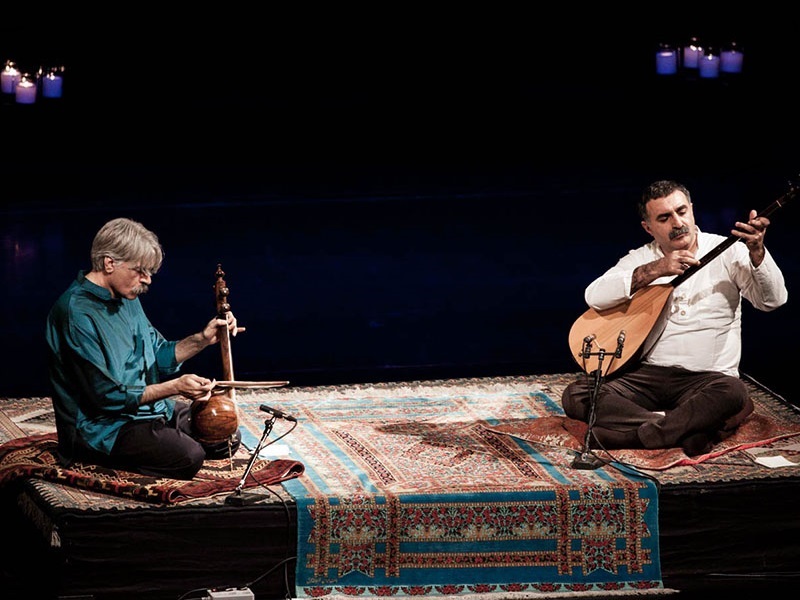
Music, an extraordinary creation of civilization, intertwines deeply with politics, culture, religion, and visual arts such as films. It expresses emotions through rhythm and sound, creating sensations that resonate universally. As Friedrich Nietzsche aptly said, “Without music, life would be a mistake.” Iranian Traditional Music exemplifies music’s profound cultural and historical significance.

irnanian traditional music


A Brief History of Iranian Traditional Music

The roots of Iranian Traditional Music, also known as “Dastgāhi” (دستگاه), stretch back thousands of years to Ancient Persia. Despite periods of bans and prohibitions, this rich musical tradition has endured and evolved. It has influenced and been influenced by neighboring regions such as Central Asia, Afghanistan, and Turkey.

Iran’s classical music, with its modal systems and lyrical traditions, thrived during the Sassanid Era. Renowned musicians like Barbod, Nakisa, and Ramtin contributed significantly during the reigns of Khosrow Parviz and Bahram V. Today, the “Radif,” a collection of traditional music, holds recognition as UNESCO Intangible Cultural Heritage.


The Dastgah System

Iranian Traditional Music categorizes into seven “Dastgahs,” each designed to evoke specific emotions and sensations. These modal systems form the foundation of Iran’s folk and classical compositions, connecting listeners to the country’s rich cultural tapestry.


Iranian Musical Instruments

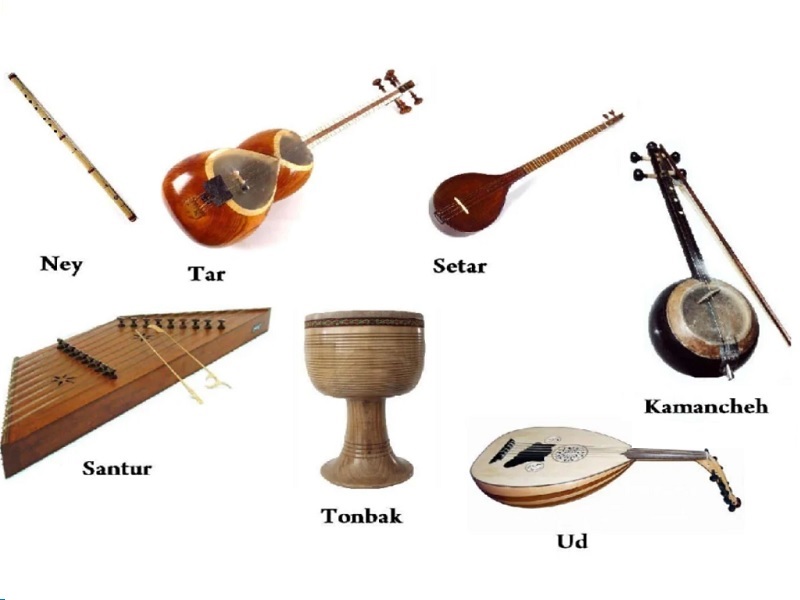
Iran’s traditional instruments are as diverse as its music. Crafted from materials such as wood, metal, and clay, they fall into three main categories: wind, string, and percussion instruments.

String Instruments

inanian traditional music

  • Tar: A prominent string instrument played with a pluck, popular across Iran and neighboring regions. The modern version, featuring six strings, originated with the musician Darvish Khan. UNESCO recognizes the “Azerbaijan Tar,” though its origins remain deeply Iranian.


  • Setar: Known for its soft, soulful sound, the Setar is played with the index finger’s nail. Associated with Sufi traditions, it represents introspection and solitude.


  • Santur: This isosceles triangle-shaped instrument, struck with wooden mallets, ranks among the oldest Iranian instruments.


  • Tanbur: Spanning over 6,000 years of history, the Tanbur holds spiritual significance and uses mulberry wood.


  • Dutar: A two-stringed instrument with a rich history, it remains popular in northern Khorasan and Mazandaran.


  • Oud (Barbat): As a precursor to the European lute, the Oud stands out for its deep, resonant sound.


  • Qanun: Trapezoid-shaped and played with index fingers equipped with plucks, the Qanun’s roots are debated but firmly linked to the region.


  • Kamancheh: A bowed instrument held vertically, it features in UNESCO’s Intangible Cultural Heritage list.


  • Ghaychak: Similar to the Kamancheh, it prevails in southeastern Iran and northern Afghanistan.


  • Rubab: Known as “Ravaveh” in Persian, this ancient instrument with six strings appears in Iran’s petroglyphs.

Wind Instruments

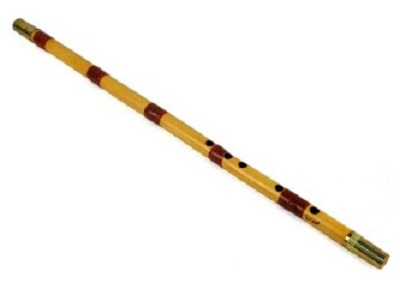
  • Ney: A straw-based instrument famous for its haunting, melodic tones.

iranian traditional music

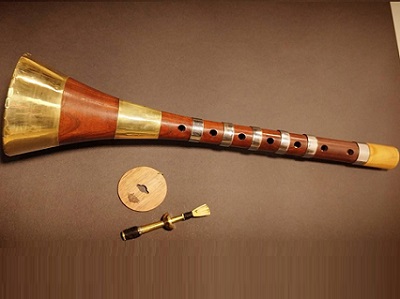
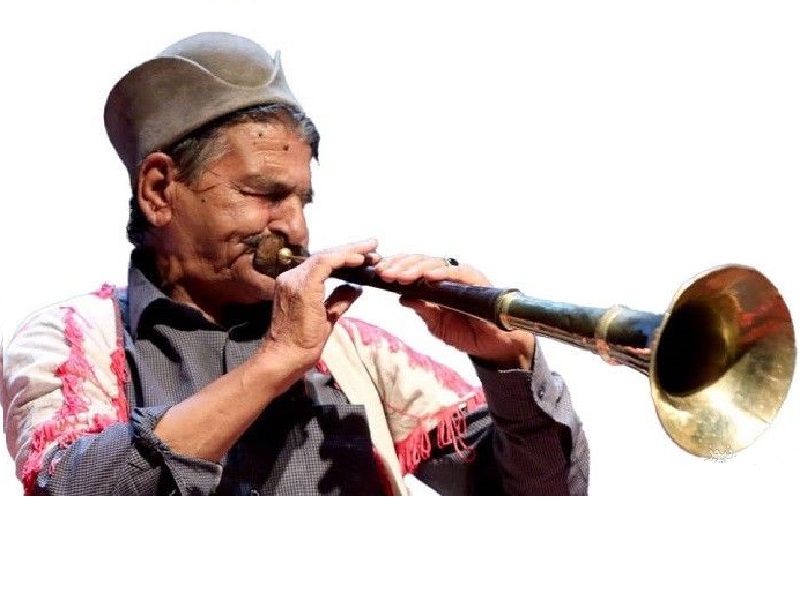
  • Sorna: Often paired with the Dohol drum during ceremonies and festivals.

  • Korna: An ancient wind instrument tracing back to the Achaemenid Era.

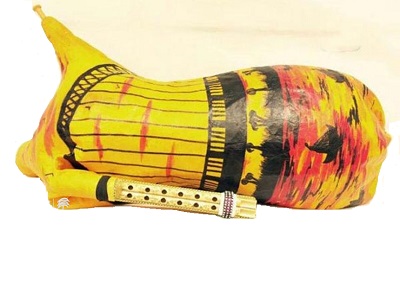
  • Bagpipes (Ney Anban): A southern Iranian favorite awaiting inclusion in UNESCO’s World Heritage List.

Percussion Instruments

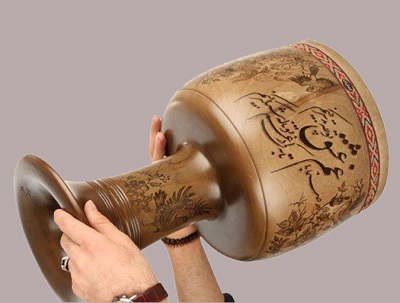
  • Tombak: Also known as “Zarb,” this goblet drum defines Iranian rhythm.

iranian traditional music

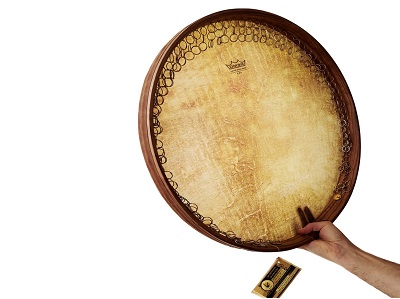
  • Daf: A large frame drum integral to religious and traditional ceremonies.
  • Dayereh: Similar to the Daf but smaller, this instrument produces a distinctive sound.

iranian traditional music

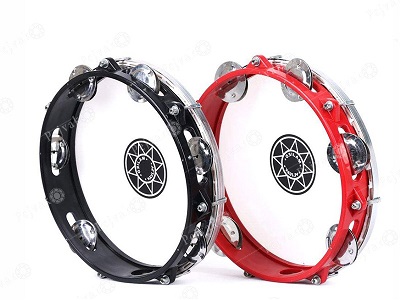
  • Timbrel (Dayereh Zangi): Enhanced with small metallic discs, it’s a festive favorite.

iranian traditional music


Significance of Iranian Traditional Music

Iranian Traditional Music embodies the nation’s soul, serving as more than an art form. From joyous celebrations to introspective spiritual gatherings, it plays an integral role in the lives of Iranians. This music, with its evocative melodies and intricate instruments, continues captivating audiences worldwide, ensuring its legacy endures for generations.


iranian traditional music


For anyone seeking to immerse themselves in the wonders of Iranian Traditional Music, exploring its instruments and listening to its profound compositions offers an unforgettable journey into a rich cultural heritage.


Iranian Hospitality : Rules for Hosts and Guests to Follow

Iranian Hospitality: A Guide for Hosts and Guests


Iranian hospitality is world-renowned for its warmth, generosity, and cultural richness. For travelers eager to experience this tradition firsthand, visiting an Iranian family’s home offers a unique glimpse into their customs and values. Whether you’re a host welcoming guests or a visitor enjoying an Iranian gathering, understanding the cultural rules of hospitality is essential. This guide explains the key principles of Iranian hospitality for both hosts and guests, ensuring a memorable and respectful experience.


Rules for Hosts in Iranian hospitality

Being a gracious host is a cornerstone of Iranian culture. Here are the essential rules to follow:

1. Caring for Guests’ Preferences and Diets

A thoughtful host considers guests’ tastes and dietary restrictions. Before the gathering, inquire about preferred dishes to ensure everyone feels comfortable and included. If meeting specific requests isn’t feasible, express your regret politely.

2. Timely Meal Service

Serve meals promptly after guests arrive, especially if they’ve traveled a long distance. A timely meal helps guests relax and enjoy the rest of the gathering without hunger or fatigue.

3. Offer Food Without Asking About Hunger

It’s common in Iranian hospitality to serve food without directly asking guests if they’re hungry. Some guests may feel shy and decline food, even if they’re hungry. Offering food generously ensures everyone feels welcome.

4. Eating Together

Hosts should join guests at the table and stay until everyone finishes. Leaving early or letting guests eat alone can make them feel uncomfortable. Balance the amount of food served to avoid waste or inadequacy, as both are considered impolite.

5. Respecting Guests

Respect is central to Iranian hospitality. Avoid criticizing guests, staring during meals, or commenting on their eating habits, as these actions can cause discomfort.

6. Being Ready for Unexpected Guests

Iranian hosts are often prepared for impromptu visits. Keeping some essentials on hand, like tea, snacks, or quick meals, ensures you can warmly welcome unexpected guests without stress.

Additional Tips for Hosts:

  • Discuss topics your guests find enjoyable.
  • Avoid complaining about personal problems.
  • Listen attentively and avoid interrupting.
  • Stay composed even if the conversation doesn’t interest you.
  • Never insult family members in front of guests.


Rules for Guests in Iranian hospitality

As a guest, showing respect for your host’s efforts and observing cultural norms are key. Here’s how to embrace Iranian hospitality as a visitor:

1. Notify the Host in Advance

Give your host a few days’ notice before visiting. This allows them to prepare a proper gathering and prevents any last-minute stress or embarrassment.

2. Be Punctual

In Iranian culture, punctuality reflects respect. Arriving late may inconvenience the host, while arriving too early might catch them unprepared. Aim to arrive at the agreed time.

3. Sit Where You’re Directed

Upon entering the host’s home, sit where they guide you. This small act of politeness ensures the host’s seating arrangements accommodate everyone comfortably.

4. Respect the Host’s Privacy

Even if invited to explore the home, only enter rooms with permission. Avoid opening drawers or closets, as doing so is considered intrusive and disrespectful.

5. Avoid Unreasonable Requests

Hosts often go out of their way to serve the best food and drinks. Appreciate their efforts and avoid complaining about the menu or asking for alternatives.

6. Value Social Interaction Over Food

While meals are a highlight of Iranian gatherings, it’s important to focus on the social aspect. Treat the event as an opportunity to build connections and enjoy conversations rather than solely evaluating the food.

Iranian cuisine


Why Iranian Hospitality is Unique

Iranian hospitality is deeply rooted in tradition and a sense of community. Guests are treated with the utmost respect, and hosts go above and beyond to ensure their comfort. From offering tea the moment you arrive to making sure you never leave hungry, every detail reflects the warmth and generosity of Iranian culture.

By following these guidelines, both hosts and guests can contribute to meaningful and enjoyable gatherings. Whether you’re a visitor experiencing Iranian hospitality for the first time or a host sharing your culture, these customs foster a sense of mutual respect and connection.

Would you like to dive deeper into Iranian culture? Consider visiting a local family or joining a guided hospitality tour for an unforgettable experience!

Contact us to Organize your trip to Iran

Iranian cuisine

Iranian cuisine

Exploring Iranian Cuisine: A Culinary Treasure of Persia


Iranian cuisine is a rich tapestry of flavors, aromas, and traditions that reflects the country’s diverse geography, history, and culture. From aromatic stews to fragrant rice dishes, every meal tells a story of heritage and hospitality. As food tourism grows in Iran, travelers worldwide are drawn to the vibrant markets, traditional recipes, and warm-hearted hosts that define Iranian cuisine. In this comprehensive guide, we uncover the unique elements of Persian gastronomy and why it’s a must for culinary adventurers.

Iranian cuisine


What Makes Iranian Cuisine Unique?

Iranian cuisine stands out due to its focus on fresh ingredients, balanced flavors, and a harmonious blend of spices. It combines influences from Central Asia, the Middle East, and even India, creating a distinct culinary identity that’s both timeless and innovative.

Key Ingredients in Iranian Cuisine

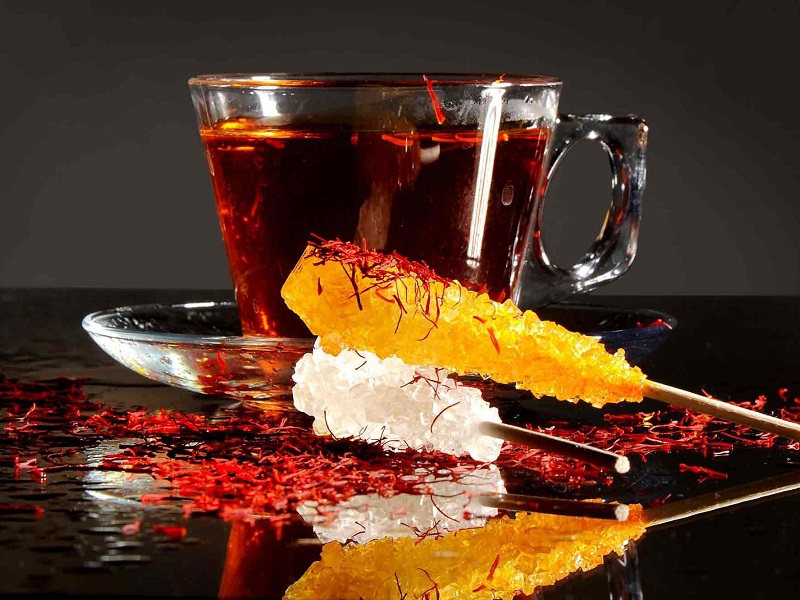
  1. Saffron: Known as “red gold,” saffron is used to enhance the aroma and color of rice, desserts, and stews.
  2. Herbs: Fresh herbs like parsley, mint, and cilantro are staples in Persian dishes, often used as a base or garnish.
  3. Pomegranate: This fruit’s juice and seeds add a sweet and tangy flavor to many recipes, especially stews.
  4. Dried Limes: A signature ingredient in stews like ghormeh sabzi, dried limes impart a unique citrusy depth.
  5. Nuts: Pistachios, walnuts, and almonds are frequently used in both savory and sweet dishes.

Regional Variations in Iranian Cuisine

Iran’s vast geography—from mountains to deserts and coastal areas—influences the ingredients and flavors found in each region.

Northern Iran

Known for its lush greenery and proximity to the Caspian Sea, the north offers dishes rich in herbs and seafood. Mirza Ghasemi (smoked eggplant dip) and baghali ghatogh (fava bean stew) are iconic here.

Southern Iran

The Persian Gulf’s influence brings spicy and tangy flavors, often paired with seafood. Dishes like ghalieh mahi (fish stew) and shrimp kebab are popular.

Central Iran

This region boasts hearty and aromatic dishes. Lamb-based stews and desserts like gaz (nougat) highlight the culinary traditions of cities like Isfahan and Yazd.

Western Iran

The mountainous west is known for its grilled meats and ash (soups). Dande kebab (rib kebabs) is a local specialty.


Iconic Dishes of Iranian Cuisine

1. Chelo Kebab

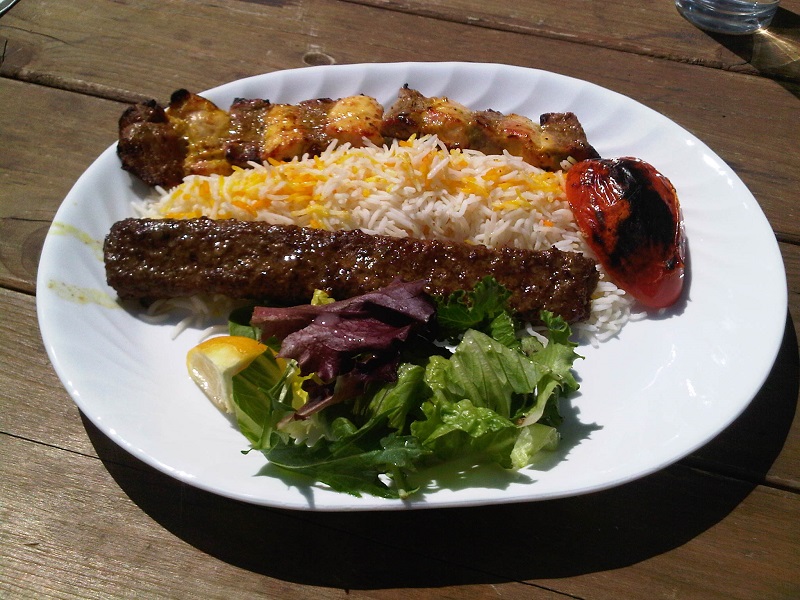
Iran’s national dish, chelo kebab, features tender skewers of meat served with saffron-infused rice. A dollop of butter and grilled tomatoes complete this hearty meal.

Iran cuisine

2. Ghormeh Sabzi

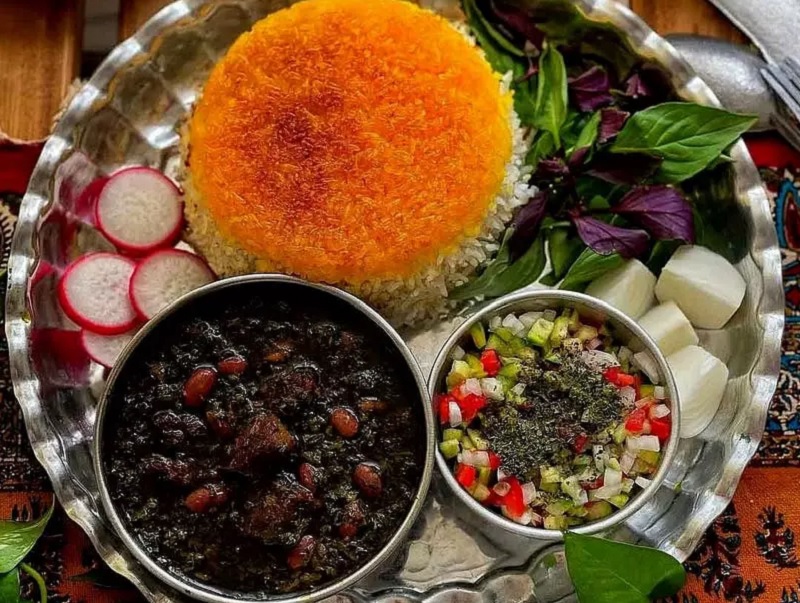
A fragrant herb stew made with dried limes, kidney beans, and lamb, ghormeh sabzi is a cornerstone of Iranian home cooking.

Iranian cuisine

3. Fesenjan

This luxurious stew combines ground walnuts and pomegranate molasses, resulting in a rich, sweet-sour flavor. It’s often served at weddings and celebrations.

4. Tahdig

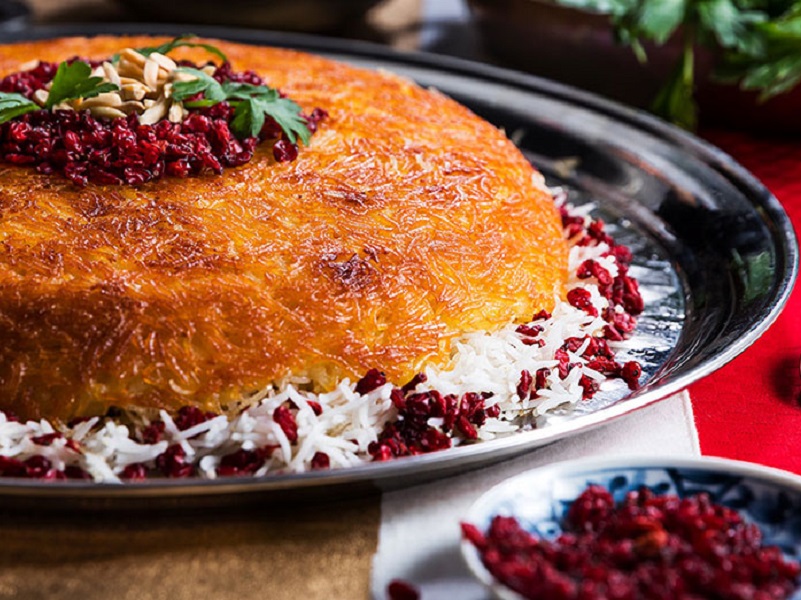
The crispy, golden layer of rice at the bottom of the pot, known as tahdig, is a beloved delicacy. Variations include adding potatoes, bread, or yogurt for extra flavor.

Iranian cuisine

5. Ash Reshteh

This hearty noodle soup, brimming with herbs, legumes, and whey, is a comforting dish often enjoyed during winter or special occasions.

Iranian cuisine


Traditional Sweets and Beverages

Iranian cuisine extends its artistry to desserts and drinks, which are as flavorful as its savory dishes.

Popular Desserts

  • Baklava: Layers of pastry filled with nuts and flavored with rosewater.
  • Zoolbia and Bamieh: Syrupy fritters often served during Ramadan.
  • Sohan: A saffron-infused brittle made with wheat sprout and pistachios.

Traditional Beverages

  • Persian Tea: A cultural staple served with sugar cubes or dates.
  • Sharbat: Refreshing drinks made from fruits and herbs, perfect for hot summer days.


Food Tourism in Iran

1. Exploring Bustling Bazaars

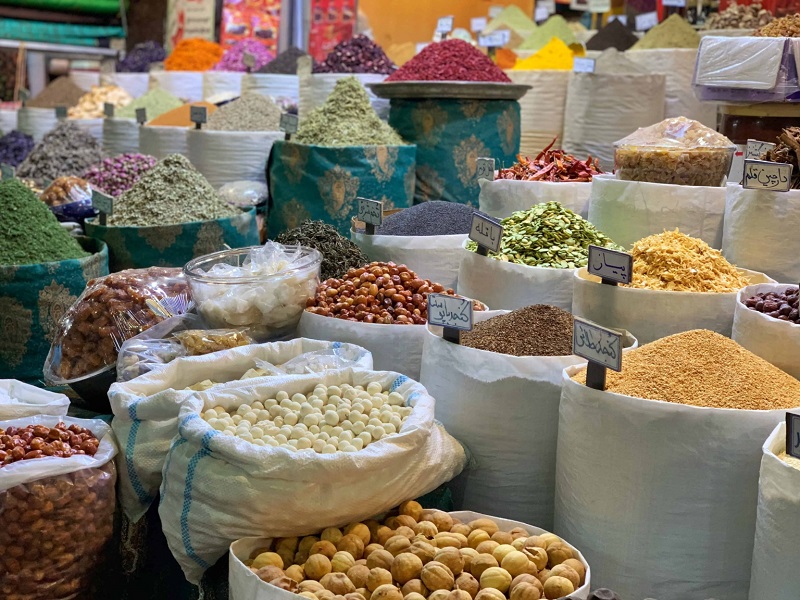
Iranian bazaars, like the Grand Bazaar of Tehran and Vakil Bazaar in Shiraz, are sensory paradises. Visitors can explore stalls filled with spices, dried fruits, nuts, and saffron while enjoying the vibrant atmosphere.

2. Learning Through Cooking Classes

Food tourists can participate in Iranian cooking classes to learn the techniques behind iconic dishes. These hands-on experiences often include visits to local markets for fresh ingredients.

3. Savoring Regional Food Tours

Guided culinary tours offer an opportunity to sample regional specialties, from the seafood of Bandar Abbas to the pastries of Yazd.

4. Experiencing Persian Hospitality

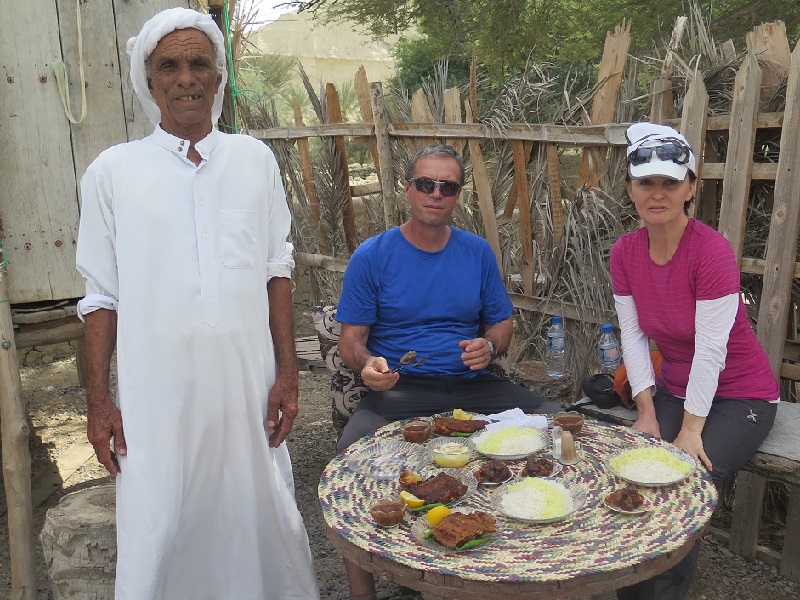
Iranians are known for their hospitality, and food plays a central role. Sharing a meal with locals provides insight into Persian culture and traditions.

iranian cuisine tour


The Role of Iranian Cuisine in Culture

Food is more than sustenance in Iran; it’s a medium for connection, celebration, and storytelling. Dishes are often tied to cultural events like Nowruz (Persian New Year), where symbolic foods like sabzi polo ba mahi (herbed rice with fish) are served. Weddings, funerals, and other gatherings also have specific culinary traditions that honor the occasion.


Tips for Exploring Iranian Cuisine

  1. Plan Around Festivals: Visiting during Nowruz or Ramadan allows you to experience festive dishes.
  2. Try Local Specialties: Each city has its signature dishes—don’t miss out on these unique flavors.
  3. Visit Local Farms: Join tours to saffron fields or pistachio farms to see the origins of essential ingredients.
  4. Learn Food Etiquette: Iranians typically share food family-style; don’t hesitate to partake in this communal experience.

Conclusion

Iranian cuisine is a journey through history, geography, and culture. From the bustling bazaars to the family dining table, every bite offers a glimpse into Persia’s soul. With its diverse regional specialties, iconic dishes, and heartfelt hospitality, Iran is a dream destination for food enthusiasts. Whether you’re savoring saffron-laced rice or learning to cook traditional stews, Iranian cuisine promises a culinary adventure unlike any other.

Iran Tour Packages for Indians

Iran Tour Packages for Indians

Comprehensive Guide to Iran Tour Packages for Indians


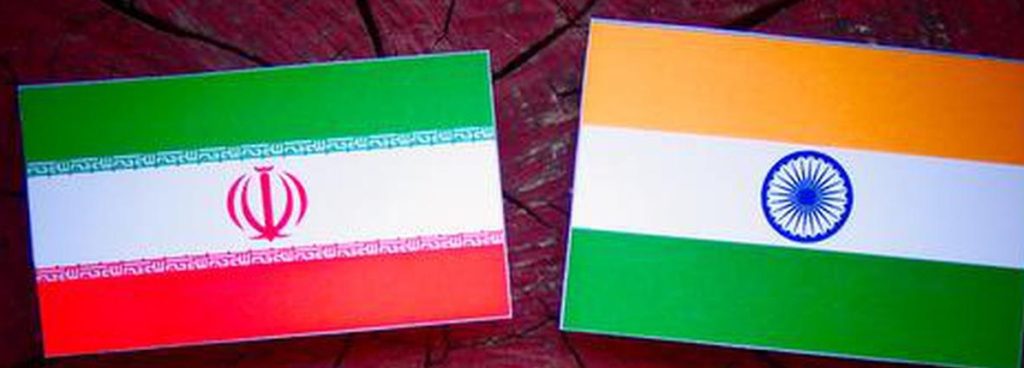
Traveling to Iran is a dream for many Indian travelers who wish to explore a land filled with historical wonders, vibrant culture, and breathtaking landscapes. Whether you’re seeking a cultural immersion, a spiritual journey, or an adventurous escape, Iran tour packages for Indians provide a hassle-free way to experience this fascinating country.

In this article, we’ll explore everything you need to know about Iran tours for Indians, including travel tips, visa information, must-visit destinations, and more, ensuring your trip is unforgettable and well-organized.


Why Choose Iran as Your Next Travel Destination?

Iran is a land of extraordinary beauty and history, offering something for every type of traveler. Here’s why Indians should consider booking Iran tour packages:

  1. Ancient History: Discover  Iran’s UNESCO World Heritage Sites like Persepolis, the ancient city of Yazd, and the ruins of Pasargadae.
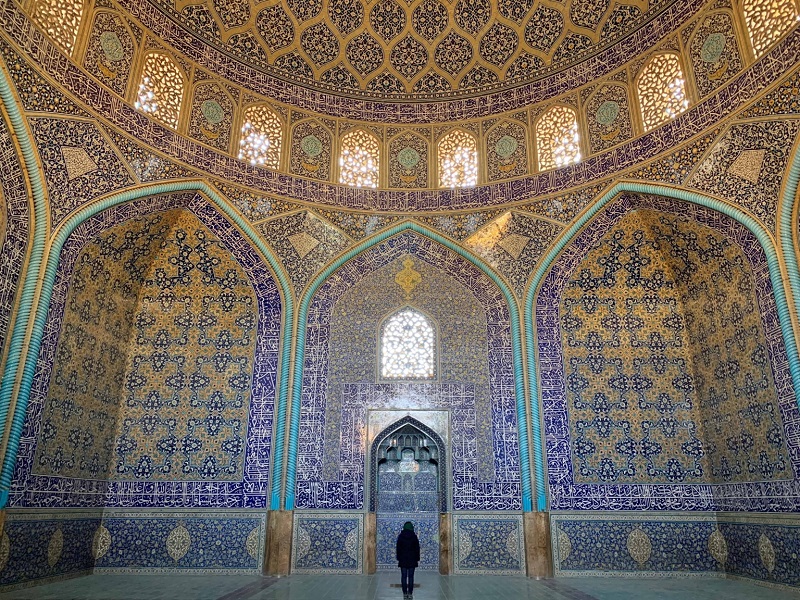
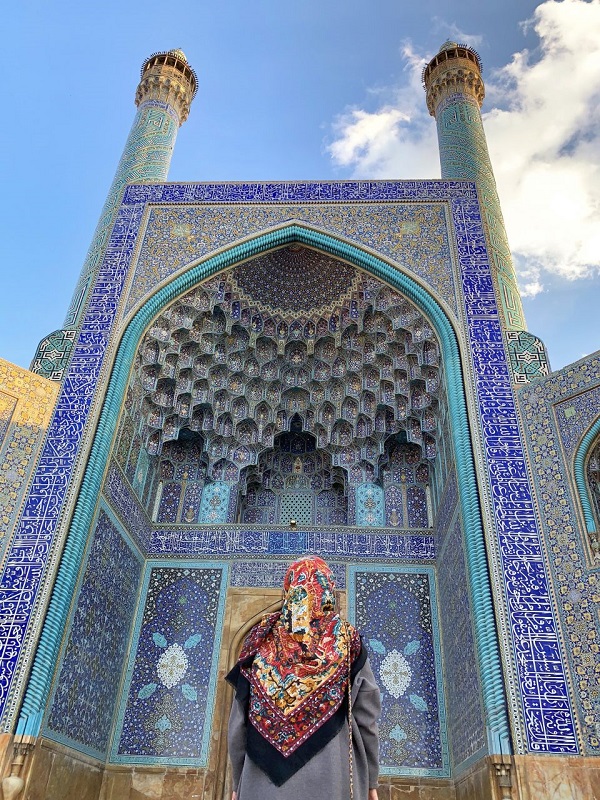
  2. Architectural Splendor: Marvel at Isfahan’s iconic mosques, Shiraz’s Nasir al-Mulk Mosque, and traditional Persian gardens.
  3. Warm Hospitality: The Iranian people are known for their friendliness and generosity toward visitors.
  4. Affordable Travel: Iran is budget-friendly, offering excellent value for money for Indian travelers.
  5. Rich Culture: From Persian poetry to traditional music, Iran’s cultural heritage is captivating.

Iran Tour Packages for Indians


Iran Tour Packages for Indians: An Overview

Tour packages simplify the travel experience by managing logistics like transportation, accommodation, and sightseeing. Here are the most popular types of Iran tours for Indians:

1. Cultural and Historical Tours

  • Focus: Visit Iran’s historical landmarks and explore its ancient heritage.
  • Destinations: Tehran, Isfahan, Shiraz, Yazd, and Persepolis.
  • Duration: Typically 7–10 days.

2. Adventure and Nature Tours

3. Religious Tours

  • Focus: Pilgrimage tours to spiritual sites, especially for Shia Muslims.
  • Destinations: Qom, Mashhad, and other holy cities.
  • Duration: 5–8 days.

4. Luxury Tours

  • Focus: Tailored experiences with upscale accommodations and private guides.
  • Destinations: Major cities and exclusive attractions.
  • Duration: Flexible.

5. Budget-Friendly Packages

  • Focus: Affordable options for Indian travelers seeking value for money.
  • Inclusions: Basic accommodations, local transportation, and shared tours.
  • Duration: 5–7 days.

Iran Tour Packages for Indians


Key Features of Iran Tour Packages for Indians

When booking Iran tour packages for Indians, consider these common inclusions:

  • Round-trip flights (optional in some packages)
  • Accommodation (budget, mid-range, or luxury)
  • Sightseeing and guided tours of historical landmarks
  • Transportation within Iran (buses, private vehicles, or domestic flights)
  • Meals, depending on the package type
  • Visa assistance

Cost of Iran Tour Packages for Indians

  • Budget Packages: ₹60,000–₹80,000 for a 7-day trip.
  • Mid-Range Packages: ₹90,000–₹1,20,000, including better accommodations and private tours.
  • Luxury Packages: ₹1,50,000+ for premium services and exclusive experiences.

Iran Tour Packages for Indians


Iran Visa for Indian Travelers

Booking Iran tour packages for Indians often includes visa assistance, simplifying the process. Here’s a quick guide:

Types of Visas

  • Tourist Visa: Valid for 30 days (can be extended).
  • Visa on Arrival (VOA): Available at major airports but requires pre-approval for Indian citizens.

Required Documents

  • Valid passport (with at least six months of validity)
  • Passport-sized photographs
  • Completed visa application form
  • Travel insurance
  • Proof of accommodation or invitation letter

Application Process

  • E-Visa: Apply online through the official portal.
  • Via Travel Agency: Most Iran tours for Indians handle the visa application process for you.
Read more and Apply for Iran visa here 

Best Time to Visit Iran

The best time to book Iran tour packages for Indians depends on the season:

  • Spring (March to May): Perfect for exploring gardens, cities, and historical sites.
  • Autumn (September to November): Cool weather and fewer crowds.
  • Winter (December to February): Ideal for skiing in Alborz Mountains or visiting desert regions.
  • Summer (June to August): Great for cooler regions like Tabriz and the Caspian coast.


Top Destinations Included in Iran Tour Packages for Indians

1. Tehran

  • Attractions: Golestan Palace, National Museum, Milad Tower, and traditional bazaars.
  • Highlights: A blend of modernity and history.

2. Isfahan

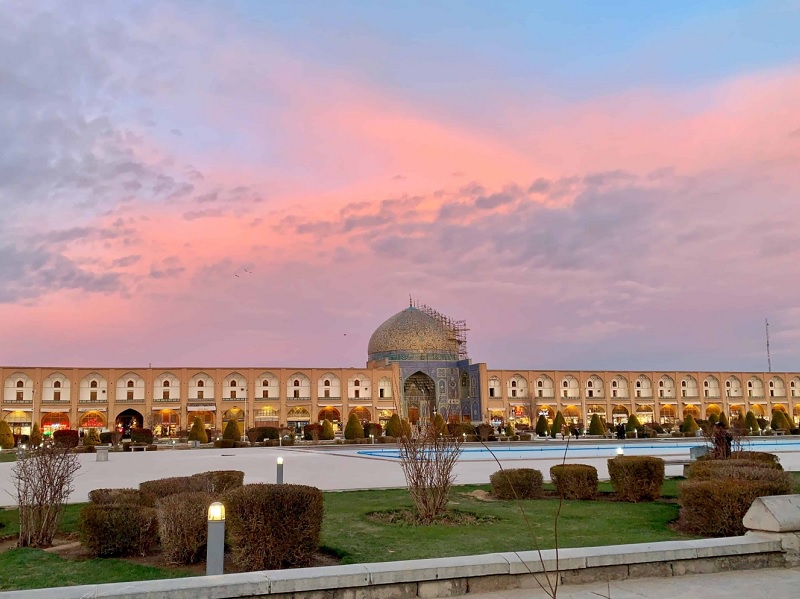
  • Attractions: Naqsh-e Jahan Square, Sheikh Lotfollah Mosque, and Khaju Bridge.
  • Highlights: Stunning Islamic architecture and art.

3. Shiraz

  • Attractions: Persepolis, Eram Garden, and Nasir al-Mulk Mosque.
  • Highlights: Known as the city of poets and gardens.

4. Yazd

  • Attractions: Zoroastrian Fire Temple, Yazd Windcatchers, and Amir Chakhmaq Complex.
  • Highlights: Unique desert architecture and history.

5. Mashhad

  • Attractions: Imam Reza Shrine, Goharshad Mosque, and Vakil Abad Park.
  • Highlights: A major pilgrimage destination.

6. Tabriz

  • Attractions: Bazaar of Tabriz, Blue Mosque, and Kandovan village.
  • Highlights: Northern Iran’s cultural hub.

7. Kashan

  • Attractions: Fin Garden, historic houses, and Abyaneh village.
  • Highlights: Traditional Persian lifestyle and architecture.


Travel Tips for Indians

When choosing Iran tour packages for Indians, keep these tips in mind:

  1. Currency: The Iranian Rial is used, but carry cash, as international credit cards may not work.
  2. Language: Persian (Farsi) is the official language. Learn basic phrases or rely on English-speaking guides.
  3. Dress Code:
    • Women: Wear a headscarf and loose-fitting clothing covering arms and legs.
    • Men: Avoid wearing shorts or sleeveless shirts.
  4. Food: Enjoy Persian dishes like kebabs, biryani, and stews. Vegetarian options are available but limited.
  5. Connectivity: Get a local SIM card for affordable internet and communication.
  6. Local Transport: Public buses, taxis, and domestic flights are common options.
  7. Respect Cultural Norms: Be mindful of local traditions and religious practices.

Why Book an Iran Tour Package?

Opting for Iran tour packages for Indians has several advantages:

  1. Convenience: Pre-planned itineraries save time and effort.
  2. Local Expertise: Professional guides enhance your travel experience.
  3. Cost-Effectiveness: Packages often include discounts on accommodations and entry tickets.
  4. Safety: Tour operators ensure a secure and stress-free trip.


Conclusion

Iran is a destination like no other, offering Indian travelers a mix of ancient wonders, vibrant bazaars, and unparalleled hospitality. With well-curated Iran tour packages for Indians, you can explore this mesmerizing country without worrying about travel logistics.

Whether you’re looking for a cultural expedition, a spiritual journey, or an adventurous retreat, Iran promises an unforgettable experience. Book your ideal package today and embark on the trip of a lifetime!

 You can Also read these Articles :

Complete Travel Guide to Iran from India 2024
Why You Should Drop Everything and Travel to Iran Now!
Iran’s Desert Oasis Towns

Iran’s Desert Oasis Towns

The Magic of Iran’s Desert Oasis Towns


Exploring Yazd, Kerman, and Nain

Iran’s Desert

Introduction

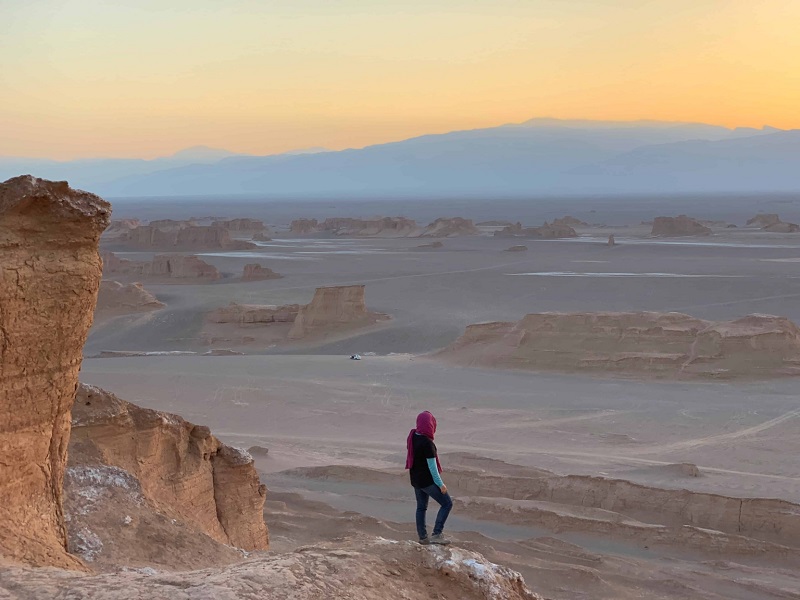
Iran is a land of remarkable history, diverse landscapes, and rich cultural heritage. Among its most fascinating regions, however, are the vast, arid desert landscapes that house some of the country’s most ancient and unique towns. Cities like Yazd, Kerman, and Nain, located in or near Iran’s great desert expanses, stand as a testament to human ingenuity, surviving and thriving in the harsh desert climate.

In this article, we will take you on a journey through the magic of these desert oasis towns. Specifically, we will explore their historical significance, awe-inspiring architecture, and the unique cultural experiences they offer. For travelers who are interested in exploring the heart of Iran’s desert, Yazd desert tourism provides a fascinating glimpse into a world of ancient traditions and desert life.

The Oasis Towns of Iran: A Gateway to the Desert

Iran’s desert regions are some of the most mesmerizing and mysterious landscapes in the world. In these desert oases, cool palm groves, tranquil courtyards, and towering wind towers provide a stark contrast to the surrounding barren land. Thus, cities like Yazd, Kerman, and Nain are not only natural wonders but also cultural havens. Furthermore, they offer travelers a chance to step back in time and experience the resilience of ancient civilizations.

Yazd: The Heart of Iran’s Desert Culture

When it comes to Yazd, the concept of Yazd desert tourism evokes not just the beauty of the desert landscape but also the ancient architectural marvels and rich cultural heritage that define this city. Yazd is one of the oldest cities in the world, and its significance is felt throughout Iran. This city offers a unique blend of history, architecture, and culture, all deeply intertwined with the surrounding desert environment.

Historical Significance

Yazd’s role in Iran’s history is particularly notable for its association with Zoroastrianism, an ancient religion that traces its roots back to the early Persian Empire. In fact, the city served as a religious center for Zoroastrians for centuries. Landmark sites such as the Tower of Silence and the Fire Temple are key symbols of this ancient faith. Additionally, Yazd became a hub of trade, thanks to its position along important routes. Over time, the city thrived as a center for textiles and handicrafts, blending Islamic and Persian traditions.

Ancient Architecture and Desert Adaptation

What truly sets Yazd apart in terms of Yazd desert tourism is its extraordinary desert-adapted architecture. The city is renowned for its distinctive adobe buildings, narrow alleyways, and unique wind towers (badgirs), which were designed to capture the desert breeze and cool the air inside buildings long before the advent of modern air conditioning. In addition, the Jameh Mosque and Dowlat Abad Garden are notable examples of Yazd’s architectural beauty, with the wind towers standing as a testament to ancient ingenuity.

Cultural Experiences in Yazd

A visit to Yazd would not be complete without exploring its rich cultural offerings. For instance, staying in a caravanserai allows travelers to experience the traditional desert lifestyle, as these historic inns have been lovingly restored to offer modern comforts. Moreover, Yazd’s local markets are vibrant and bustling, where visitors can find finely woven Persian carpets, intricate pottery, textiles, and delicious local sweets like qottab and baghlava. Additionally, the region’s food scene is a highlight, with dishes like kebab and reshteh polow (rice with noodles) offering a true taste of the local culinary traditions.

Kerman: The Desert Jewel of Iran’s South

Moving on to Kerman, located in the southern part of Iran’s desert region, this city offers a fascinating combination of history, culture, and natural beauty. Kerman’s long history and strategic location along ancient trade routes have made it a significant city in Iranian history.

Historical Significance

Kerman’s history spans over 2,000 years, playing a key role in trade between Iran and Central Asia, India, and the Arabian Peninsula. In fact, the city’s grand bazaar, still one of the oldest and most significant in Iran, was a vital commercial hub during the Safavid and Qajar dynasties. Furthermore, Kerman is home to stunning historical landmarks, including mosques, caravanserais, and traditional Persian gardens. Importantly, Kerman is also considered the gateway to the Shahdad Desert, a vast and mesmerizing desert landscape.

Ancient Architecture and Desert Adaptation

Like Yazd, Kerman’s architecture reflects the city’s adaptation to the harsh desert climate. The city is famous for its wind towers and traditional adobe houses that maintain cool temperatures even during the heat of summer. One of the most remarkable landmarks is the Ganjali Khan Complex, a 16th-century historical site that includes a caravanserai, bathhouse, and bazaar. This complex provides visitors with a glimpse into the city’s rich architectural history.

Cultural Experiences in Kerman

In Kerman, travelers can explore the city’s historic bazaars, sample local delicacies, and discover unique handicrafts such as carpets, pottery, and textiles. The city’s cuisine, renowned for its flavorful stews, kebabs, and rice dishes, offers a delectable experience for food lovers. Furthermore, visitors can enjoy the region’s vibrant cultural scene, which reflects both ancient traditions and modern influences.

Nain: A Hidden Gem in the Iranian Desert

Located between Yazd and Isfahan, Nain is one of Iran’s lesser-known desert towns. Despite being off the beaten path, Nain offers a unique and tranquil experience for travelers seeking to explore the Iranian desert’s hidden gems.

Historical Significance

Na’in has a rich history, particularly as a Silk Road trading post. The town’s significance is also tied to its religious importance and its long history of carpet weaving. Na’n is home to some of the country’s oldest mosques and ancient caravanserais, making it an essential stop for anyone interested in Iran’s cultural and historical roots.

Ancient Architecture and Desert Adaptation

The architecture of Nain is very much in line with its desert surroundings. The town features mud-brick houses and narrow streets, designed to shield inhabitants from the scorching desert sun. Furthermore, the Nain Mosque, with its stunning tilework and historical significance, is one of the city’s most iconic landmarks. The town’s traditional caravanserais, in addition, offer an insight into the region’s bustling past as a major trading hub.

Cultural Experiences in Nain

Nain is a peaceful, off-the-beaten-path destination compared to Yazd and Kerman. The town is renowned for its high-quality carpets, which make a perfect souvenir for anyone interested in traditional Iranian crafts. Moreover, visitors can explore the town’s historic bazaars, enjoy the warm hospitality of the locals, and savor traditional desert dishes like shirin polow (sweet rice) and kebab. These local experiences add to the town’s charm, making it a must-visit for those seeking an authentic taste of desert life.

Conclusion: A Journey into Iran’s Desert Heartland

The desert oasis towns of Yazd, Kerman, and Nain offer an unparalleled opportunity to explore Iran’s ancient history, unique architecture, and vibrant cultural traditions. Each town provides a fascinating glimpse into the ways people have adapted to the harsh desert environment. For instance, from the innovative wind towers of Yazd to the traditional caravanserais of Kerman and Nain, these towns showcase human resilience and creativity.

For travelers seeking to immerse themselves in Iran’s desert culture, Yazd desert tourism presents a rich and unforgettable experience. Whether you’re exploring ancient mosques, staying in traditional caravanserais, or tasting the region’s delicious cuisine, the magic of these desert towns is sure to leave a lasting impression.

Exploring these desert oases offers more than just a chance to see unique architecture and ancient sites; it’s an opportunity to experience the soul of Iran, where history, culture, and desert beauty come together in perfect harmony.

Keywords Used:

  • Yazd desert tourism
  • Kerman desert exploration
  • Nain desert architecture
  • Iran caravanserais and bazaars
  • Persian desert cuisine
  • Iran historical towns tourism
× How can I help you?