
Isfahan – capital of ancient Persia
Introduction
Among the cities of Iran, for sure Isfahan is like a piece of jewelry that despite of the historical instability in the area has still retained its luster and glory throughout the centuries.
Isfahan is a city in center of Iran where known for its Persian architecture. In the huge Naqsh-e Jahan Square is the 17th-century Imam (Shah) Mosque, whose dome and minarets are covered with mosaic tiles and calligraphy. Ali Qapu Palace, built for Shah Abbas and completed in the late 16th century, has a music room and a verandah overlooking the square’s fountains. Sheikh Lotfollah Mosque is known for its intricate tiling.
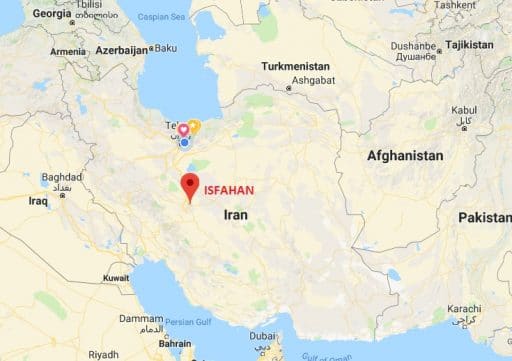
location in Iran map
highlights
The City of Four Seasons
Isfahan is in the center of Iran inside the plains stretching along Zayandeh Rood River. The city location is in a mountainous area in the center of the Iranian Plateau. this city stretches from the snowy Zagros Mountains in the West to the East and Isfahan is also in North-central deserts of Iran. There exists a variety of climatic conditions in the city thanks to regions with different altitudes.
Generally, as the altitude falls from Western city to the Eastern, the area temperature increases together with the decrease in the amount of rainfall.
Spring begins in late March with the trees in full bloom, summer usually starts in late June. The city greets fall color in late September with the leaves falling off the trees and finally winter starts in late December. Among all the seasons and months, Isfahan is in its perfect situation in May. Isfahan has full sunlight and is sunny three fourth of a year.
A museum where people live
With its old history and numerous monuments, Isfahan is an exemplary city in the world.
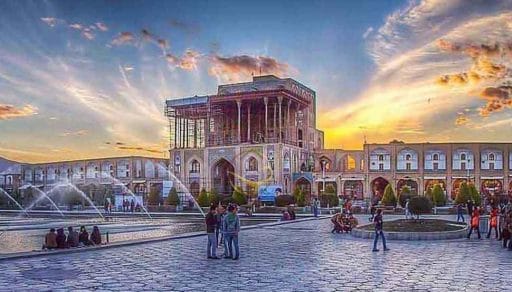
Ali Ghapoo Palace
According to the French author, Andre Malraux, only Florence and Peking are comparable to Isfahan. The historical monuments of Isfahan comprise a collection of the finest examples of the various styles of Persian architecture . The quality and quantity of these works of art are great and they are masterpieces of the post-Islamic Iranian architecture .
some of the most important historical attractions of this city are: various types of domes, tile works, plaster works, frescos wall paintings and calligraphies . These works reveal the religious beliefs
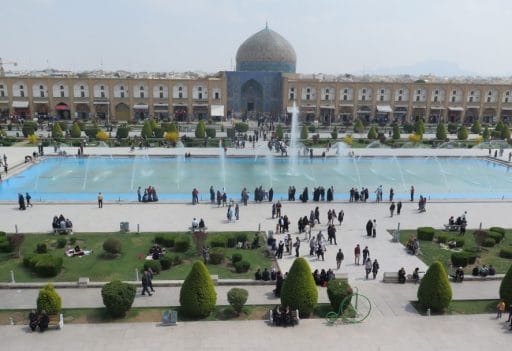
Naghsh-e Jahan Square
of their creators and fascinate the visitors.
A World of Art
Isfahan is the city of Iranian handicraft and traditional arts. These works of art comprise a major portion of Iran’s exports, particularly to Europe. The contemporary traditional arts and handicrafts of Isfahan are in fact a continuance of the Safavid Art pursued by the modern Iran craftsmen.
Iranians and also non-Iranian appreciate their artistic works, and they play an important role in exports from Isfahan. Carpet , engraving, miniature painting, Moarragh, tile art are among the most prominent works of art in this city. The contemporary artists have made new innovations in the areas of miniature painting, tile making and engraving. Isfahan also has an age-old musical tradition. Today, most Iranian musicians speak Persian with an Isfahani accent.

More about Isfahan
The present day
fortunately Isfahan has developed in the past decades. It has turned into a modern city with increase in its population, development of its urban area and formation of new streets as well as the rise in the number of buildings and plants. Isfahan has witnessed a dramatic growth after the Islamic Revolution. However it has never lost any of its character.

Weather
Certainly Isfahan has a dry continental climate with four distinct seasons. Summer months extending from June to August are hot and dry . winter months usually are December ,January and February .
Therefore, the best seasons to visit are spring and also fall when the weather is sunny and warm for sightseeing , also for outdoor activities. Although there is extreme heat and cold in the city, fortunately the cold days do not last longer than three months. In Isfahan, it hardly ever snows in winter. There is usually rainfall in March and also April, probably because of the clouds made from the evaporation of the thawing snow.
Iran trekking tour company present you perfect cultural tour in Isfahan and also other Iranian ancient cities.
Nandal village
Nandal village Introduction Nandal village is a beautiful village with an altitude of 2,300 meters above sea level and is one of the Larijan villages of Amol county in Mazandaran province. Nandal summer village is located on Haraz road. The access road to Nandel...
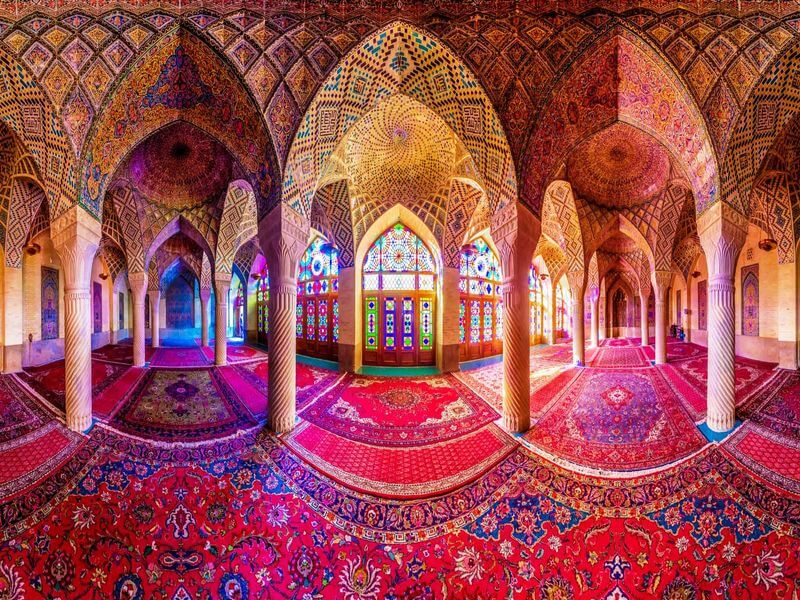
Top 10 Most Beautiful Mosques in Iran
Discover the Stunning Mosques of Iran: Top 10 Must-Visit Gems Iran’s mosques captivate visitors with their unparalleled beauty, rich history, and exquisite artistry. Whether you are a Muslim, a lover of religious architecture, or simply an enthusiast for breathtaking...

Lar national park
Lar National Park; Amazing plain near Damavand mountain Lar National Park and its beautiful anemones is in Mazandaran province in the north of the Iranian plateau . This plain is a national park since 1975 and a protected area since 1982. Also Lar National Park...

6 Tips for Damavand Mount acclimatization
6 Tips for Damavand Mount acclimatization Introduction Researches about Damavand mount acclimatization problems show that : 70% of the mountaineers who spent one night in Damavand hut (4250m) have suffered some kind of height problem. Most people experience...
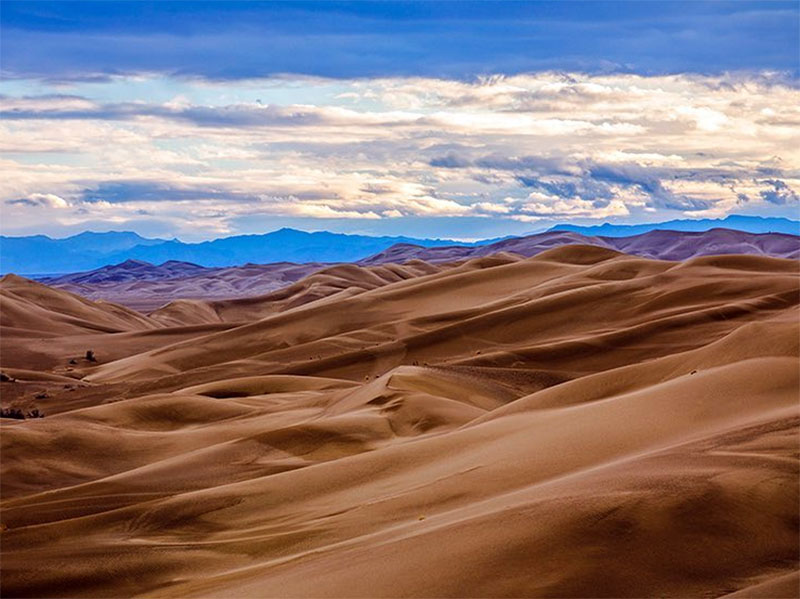
Dasht-e Kavir, Kavir-e Markazi (Central desert of Iran)
Dasht-e Kavir , Kavir-e Markazi (Central desert of Iran) Why Dasht-e Kavir is important Dasht-e Kavir , larger than the Lut desert , is one of two Iranian deserts that situated in the middle of the Iranian plateau. There are a couple of protected areas inside the...

Alamut valley
Alamut Valley Travel Guide History Alamut refers to an isolated valley lying between Siah lan on the north, and Alborz, and Qazvin mountains on the south. Etymologically, the name Alamut means "trained eagle" or, as some sources say, the eagle’s nest. Actually, there...
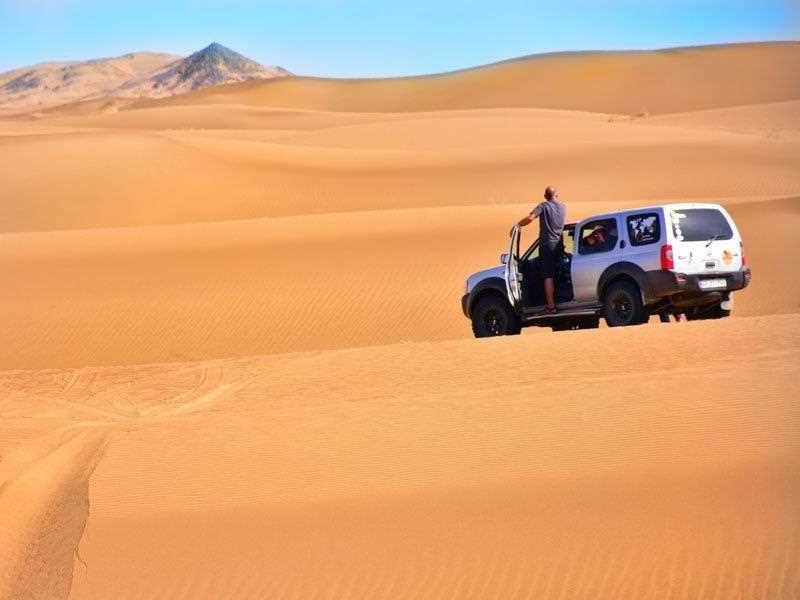
Lut desert
Lut desert Introduction Lut is a vast desert that covers about 10% of Iran. Lut Desert is one of the hot and dry regions of the world with an area of 120,000 square kilometers. This region is full of unknowns. This scorching and mysterious area has been so...

Twelve hiking trails in Iran that must be visited
Twelve hiking trails in Iran that must be visited Lake Neor One of the most beautiful hiking trails in Iran and a kind of lost paradise, is located between Guilan province and Ardabil province . This region is not really comparable to any other place in Iran in terms...
Iran cycling adventure , what you looking for
Why you should do Iran cycling adventure Iran cycling adventure : Iran is a country with unique nature and has everything a nature lover wants: high mountains, dense forests, vast and endless deserts, huge valleys and rivers, and kind and hospitable people. Cycling is...
Sahand mountain
Sahand mountain , the bride of mountains in Iran Overview Sahand Mountain (Kuh-e Sahand) with the height of 3707 meters (12,162 ft) is the highest mountain in East Azarbaijan Province, in addition to being an important dormant volcano in the country. The Sahand...