+98 912 272 2656 info@persiatrek.com
Iran’s Desert Oasis Towns

Iran’s Desert Oasis Towns

The Magic of Iran’s Desert Oasis Towns


Exploring Yazd, Kerman, and Nain

Iran’s Desert

Introduction

Iran is a land of remarkable history, diverse landscapes, and rich cultural heritage. Among its most fascinating regions, however, are the vast, arid desert landscapes that house some of the country’s most ancient and unique towns. Cities like Yazd, Kerman, and Nain, located in or near Iran’s great desert expanses, stand as a testament to human ingenuity, surviving and thriving in the harsh desert climate.

In this article, we will take you on a journey through the magic of these desert oasis towns. Specifically, we will explore their historical significance, awe-inspiring architecture, and the unique cultural experiences they offer. For travelers who are interested in exploring the heart of Iran’s desert, Yazd desert tourism provides a fascinating glimpse into a world of ancient traditions and desert life.

The Oasis Towns of Iran: A Gateway to the Desert

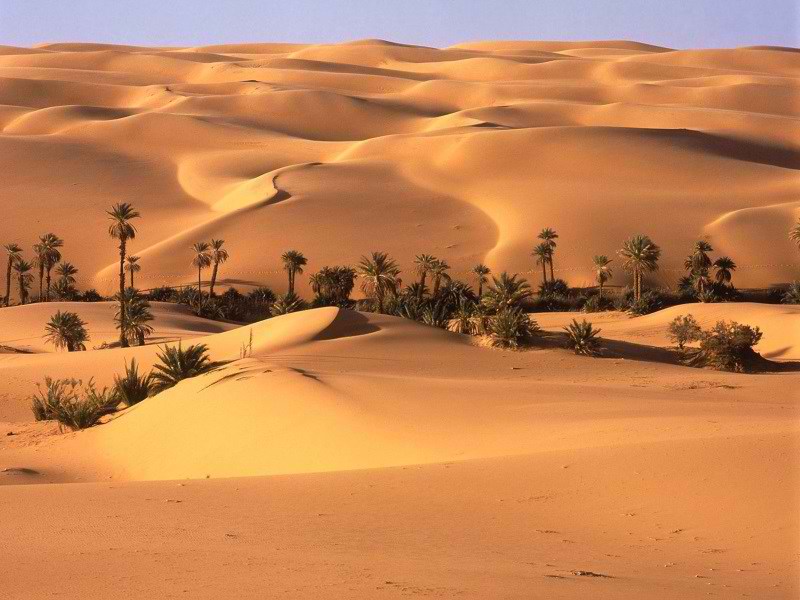
Iran’s desert regions are some of the most mesmerizing and mysterious landscapes in the world. In these desert oases, cool palm groves, tranquil courtyards, and towering wind towers provide a stark contrast to the surrounding barren land. Thus, cities like Yazd, Kerman, and Nain are not only natural wonders but also cultural havens. Furthermore, they offer travelers a chance to step back in time and experience the resilience of ancient civilizations.

Yazd: The Heart of Iran’s Desert Culture

When it comes to Yazd, the concept of Yazd desert tourism evokes not just the beauty of the desert landscape but also the ancient architectural marvels and rich cultural heritage that define this city. Yazd is one of the oldest cities in the world, and its significance is felt throughout Iran. This city offers a unique blend of history, architecture, and culture, all deeply intertwined with the surrounding desert environment.

Historical Significance

Yazd’s role in Iran’s history is particularly notable for its association with Zoroastrianism, an ancient religion that traces its roots back to the early Persian Empire. In fact, the city served as a religious center for Zoroastrians for centuries. Landmark sites such as the Tower of Silence and the Fire Temple are key symbols of this ancient faith. Additionally, Yazd became a hub of trade, thanks to its position along important routes. Over time, the city thrived as a center for textiles and handicrafts, blending Islamic and Persian traditions.

Ancient Architecture and Desert Adaptation

What truly sets Yazd apart in terms of Yazd desert tourism is its extraordinary desert-adapted architecture. The city is renowned for its distinctive adobe buildings, narrow alleyways, and unique wind towers (badgirs), which were designed to capture the desert breeze and cool the air inside buildings long before the advent of modern air conditioning. In addition, the Jameh Mosque and Dowlat Abad Garden are notable examples of Yazd’s architectural beauty, with the wind towers standing as a testament to ancient ingenuity.

Cultural Experiences in Yazd

A visit to Yazd would not be complete without exploring its rich cultural offerings. For instance, staying in a caravanserai allows travelers to experience the traditional desert lifestyle, as these historic inns have been lovingly restored to offer modern comforts. Moreover, Yazd’s local markets are vibrant and bustling, where visitors can find finely woven Persian carpets, intricate pottery, textiles, and delicious local sweets like qottab and baghlava. Additionally, the region’s food scene is a highlight, with dishes like kebab and reshteh polow (rice with noodles) offering a true taste of the local culinary traditions.

Kerman: The Desert Jewel of Iran’s South

Moving on to Kerman, located in the southern part of Iran’s desert region, this city offers a fascinating combination of history, culture, and natural beauty. Kerman’s long history and strategic location along ancient trade routes have made it a significant city in Iranian history.

Historical Significance

Kerman’s history spans over 2,000 years, playing a key role in trade between Iran and Central Asia, India, and the Arabian Peninsula. In fact, the city’s grand bazaar, still one of the oldest and most significant in Iran, was a vital commercial hub during the Safavid and Qajar dynasties. Furthermore, Kerman is home to stunning historical landmarks, including mosques, caravanserais, and traditional Persian gardens. Importantly, Kerman is also considered the gateway to the Shahdad Desert, a vast and mesmerizing desert landscape.

Ancient Architecture and Desert Adaptation

Like Yazd, Kerman’s architecture reflects the city’s adaptation to the harsh desert climate. The city is famous for its wind towers and traditional adobe houses that maintain cool temperatures even during the heat of summer. One of the most remarkable landmarks is the Ganjali Khan Complex, a 16th-century historical site that includes a caravanserai, bathhouse, and bazaar. This complex provides visitors with a glimpse into the city’s rich architectural history.

Cultural Experiences in Kerman

In Kerman, travelers can explore the city’s historic bazaars, sample local delicacies, and discover unique handicrafts such as carpets, pottery, and textiles. The city’s cuisine, renowned for its flavorful stews, kebabs, and rice dishes, offers a delectable experience for food lovers. Furthermore, visitors can enjoy the region’s vibrant cultural scene, which reflects both ancient traditions and modern influences.

Nain: A Hidden Gem in the Iranian Desert

Located between Yazd and Isfahan, Nain is one of Iran’s lesser-known desert towns. Despite being off the beaten path, Nain offers a unique and tranquil experience for travelers seeking to explore the Iranian desert’s hidden gems.

Historical Significance

Na’in has a rich history, particularly as a Silk Road trading post. The town’s significance is also tied to its religious importance and its long history of carpet weaving. Na’n is home to some of the country’s oldest mosques and ancient caravanserais, making it an essential stop for anyone interested in Iran’s cultural and historical roots.

Ancient Architecture and Desert Adaptation

The architecture of Nain is very much in line with its desert surroundings. The town features mud-brick houses and narrow streets, designed to shield inhabitants from the scorching desert sun. Furthermore, the Nain Mosque, with its stunning tilework and historical significance, is one of the city’s most iconic landmarks. The town’s traditional caravanserais, in addition, offer an insight into the region’s bustling past as a major trading hub.

Cultural Experiences in Nain

Nain is a peaceful, off-the-beaten-path destination compared to Yazd and Kerman. The town is renowned for its high-quality carpets, which make a perfect souvenir for anyone interested in traditional Iranian crafts. Moreover, visitors can explore the town’s historic bazaars, enjoy the warm hospitality of the locals, and savor traditional desert dishes like shirin polow (sweet rice) and kebab. These local experiences add to the town’s charm, making it a must-visit for those seeking an authentic taste of desert life.

Conclusion: A Journey into Iran’s Desert Heartland

The desert oasis towns of Yazd, Kerman, and Nain offer an unparalleled opportunity to explore Iran’s ancient history, unique architecture, and vibrant cultural traditions. Each town provides a fascinating glimpse into the ways people have adapted to the harsh desert environment. For instance, from the innovative wind towers of Yazd to the traditional caravanserais of Kerman and Nain, these towns showcase human resilience and creativity.

For travelers seeking to immerse themselves in Iran’s desert culture, Yazd desert tourism presents a rich and unforgettable experience. Whether you’re exploring ancient mosques, staying in traditional caravanserais, or tasting the region’s delicious cuisine, the magic of these desert towns is sure to leave a lasting impression.

Exploring these desert oases offers more than just a chance to see unique architecture and ancient sites; it’s an opportunity to experience the soul of Iran, where history, culture, and desert beauty come together in perfect harmony.

Keywords Used:

  • Yazd desert tourism
  • Kerman desert exploration
  • Nain desert architecture
  • Iran caravanserais and bazaars
  • Persian desert cuisine
  • Iran historical towns tourism
The Ultimate Guide to the Best Deserts in Iran

The Ultimate Guide to the Best Deserts in Iran

Discover the Best Deserts in Iran for Sightseeing, Safari, Trekking, and Camping

Iran is a land of stunning natural beauty, and its deserts are no exception. Home to vast stretches of golden dunes, dramatic landscapes, and a rich cultural heritage, the deserts of Iran offer a unique and unforgettable experience for travelers. Whether you’re interested in sightseeing, safari adventures, trekking, or camping, Iran’s deserts cater to a wide range of tourism fields. In this article, we will explore the best deserts in Iran, highlighting their attractions and tourism potential.

Iran Lut Desert adventure


1. Dasht-e Kavir (The Great Salt Desert)

Sightseeing

Dasht-e Kavir, also known as the Great Salt Desert, is a mesmerizing landscape of salt flats, sand dunes, and scattered oases. The striking salt polygons formed by natural evaporation processes are a must-see for visitors. The mesmerizing Maranjab Desert, located within Dasht-e Kavir, is a popular spot for sightseeing due to its proximity to Kashan and its unique flora and fauna.

Safari Adventures

Maranjab Desert is also a hub for safari enthusiasts. The vast stretches of desert terrain offer thrilling opportunities for 4×4 off-road adventures. Guided safaris allow visitors to explore hidden gems, such as salt lakes and ancient caravanserais.

Trekking and Camping

The camel routes and walking trails in Dasht-e Kavir are ideal for trekking enthusiasts. Camping under the starlit sky in this desert is an experience like no other. With minimal light pollution, it’s also one of the best locations for stargazing.


2. Lut Desert (Dasht-e Lut)

Sightseeing

A UNESCO World Heritage Site, Lut Desert is one of the most fascinating deserts in the world. Known for its extreme temperatures and surreal landscapes, it’s home to the Kaluts, massive wind-sculpted sand formations. The Shahdad Desert, a part of Lut, is especially famous for its unique geological features.

Safari Adventures

Lut Desert offers high-energy safaris through its vast and challenging terrain. Professional guides provide insights into the desert’s geology, making it both an educational and adventurous experience.

Trekking and Camping

Lut Desert is perfect for experienced trekkers. Hiking through the Kaluts provides an otherworldly experience. Camping in Lut is a great way to connect with nature, offering incredible views of the Milky Way.

Iran desert expedition


3. Rig-e Jenn

Sightseeing

Rig-e Jenn, known as the “Dune of the Jinn,” is one of the most mysterious deserts in Iran. Its uncharted landscapes and stories of supernatural legends make it a fascinating destination. Visitors can explore its towering sand dunes and enjoy the untouched beauty of this remote desert.

Safari Adventures

This desert is ideal for advanced safari enthusiasts due to its challenging terrain. Guided tours are highly recommended as the region’s remote nature requires local expertise.

Trekking and Camping

Rig-e Jenn offers an unparalleled sense of isolation, perfect for trekkers seeking a true wilderness experience. Camping here is not for the faint of heart but rewards adventurers with unmatched tranquility and breathtaking sunsets.

iran desert tours


4. Mesr Desert

Sightseeing

Located near the village of Mesr, this desert is known for its picturesque sand dunes and charming rural atmosphere. Visitors can enjoy a mix of natural beauty and local culture, making it one of the best deserts in Iran for sightseeing.

Safari Adventures

Mesr Desert offers moderate safari experiences suitable for families and groups. Dune bashing and camel rides are popular activities in this region.

Trekking and Camping

The accessible trails in Mesr make it an excellent spot for trekking. Camping facilities are available, and many local eco-lodges offer authentic desert experiences, including traditional Persian meals.

iran desert trekking


5. Bafgh Desert

Sightseeing

Located near Yazd, the Bafgh Desert features golden dunes and scenic palm groves. This desert is famous for its biodiversity, including rare wildlife like Asiatic cheetahs and desert foxes.

Safari Adventures

The soft dunes of Bafgh are ideal for quad biking and 4×4 safaris. Visitors can also enjoy camel treks to explore the vast landscape.

Trekking and Camping

Trekking routes through the sand dunes are perfect for adventurers, while camping allows travelers to immerse themselves in the serene beauty of the desert.


6. Varzaneh Desert

Sightseeing

Varzaneh Desert is renowned for its proximity to the historic city of Isfahan and its breathtaking sand dunes. The unique white sand and accessibility make it a favorite destination for tourists.

Safari Adventures

Visitors can enjoy activities like paragliding, sandboarding, and camel riding. The desert’s gentle dunes are perfect for beginners.

Trekking and Camping

Varzaneh offers well-marked trekking trails and eco-friendly camping sites. Its location near cultural landmarks adds to its appeal for tourists who want a mix of adventure and heritage.

kashan desert trekking


Why Iran’s Deserts Are Perfect for Tourism

1. Adventure and Sports Tourism

The deserts of Iran provide excellent opportunities for adventure sports such as sandboarding, quad biking, and paragliding. These activities attract thrill-seekers from around the world.

2. Eco-Tourism

Iran’s deserts are rich in unique flora and fauna, making them ideal for eco-tourism. Travelers can observe rare wildlife and learn about the delicate ecosystems of these arid regions.

3. Cultural Tourism

The ancient caravanserais, traditional villages, and historical sites near the deserts offer a glimpse into Iran’s rich cultural heritage.

4. Stargazing and Astronomy Tourism

With minimal light pollution, Iran’s deserts are some of the best locations for stargazing. Travelers can enjoy breathtaking views of the Milky Way and participate in astronomy tours.

5. Health and Wellness Tourism

The dry and warm climate of the deserts is believed to have therapeutic benefits. Some travelers visit these regions for relaxation and rejuvenation.


Conclusion

The best deserts in Iran offer something for every type of traveler. From the vast salt flats of Dasht-e Kavir to the mysterious landscapes of Rig-e Jenn and the UNESCO-recognized Lut Desert, these regions provide unparalleled opportunities for sightseeing, adventure, and cultural exploration. Whether you’re planning a desert safari, a trekking expedition, or a peaceful camping trip, Iran’s deserts promise unforgettable experiences.

Ready to explore the breathtaking deserts of Iran? Pack your bags and embark on a journey to discover the wonders of these mesmerizing landscapes!

Iran ski tours

Iran ski tours

Discover the Ultimate Winter Adventure: Iran Ski Tours

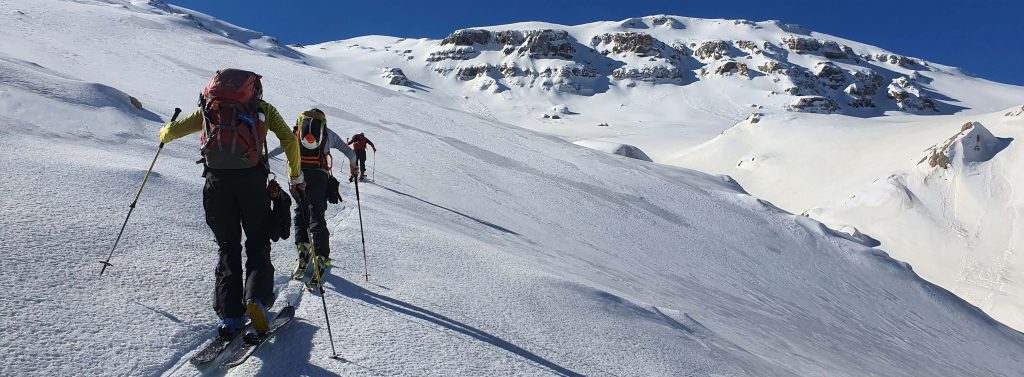
Iran, with its dramatic landscapes and diverse topography, has become a surprising yet thrilling destination for ski enthusiasts worldwide. From the towering peaks of the Alborz Mountains to the cozy ski resorts nestled in picturesque valleys, Iran offers an unparalleled skiing experience. An Iran ski tours combines pristine slopes, untouched powder for ski touring, and vibrant local culture, creating an adventure that’s as enriching as it is exhilarating.

damavand ski tour

Why Choose an Iran Ski Tours?

  1. World-Class Ski Resorts

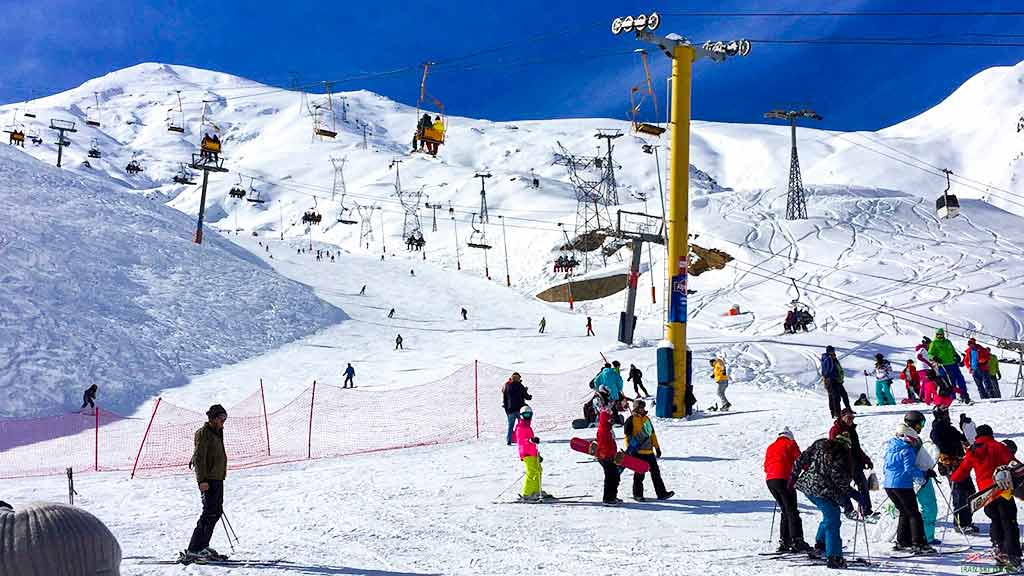
Iran is home to several ski resorts with high-altitude slopes, modern facilities, and a variety of terrains suitable for all skill levels. Resorts like Dizin, Shemshak, and Darbandsar are among the best in the Middle East, offering high-quality snow and excellent infrastructure.

  1. Exceptional Ski Touring Opportunities

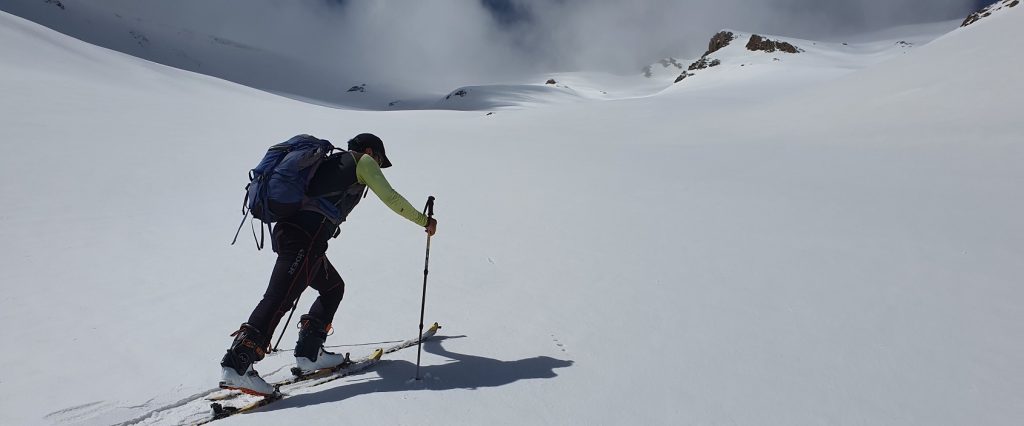
For those seeking off-piste adventures, Iran’s rugged mountain ranges, such as the Alborz and Zagros, provide endless opportunities for ski touring. With untouched powder and breathtaking views, these areas are perfect for experienced skiers looking for unique challenges.

  1. Affordable Luxury

Iran ski tours are highly affordable compared to European or North American destinations. Travelers can enjoy world-class experiences at a fraction of the cost, making it an excellent choice for those seeking value without compromising quality.

  1. Rich Culture and Hospitality

An Iran ski tour isn’t just about skiing. It’s also an opportunity to immerse yourself in the country’s rich history, vibrant culture, and the legendary hospitality of its people.

Best Ski Resorts in Iran

  1. Dizin Ski Resort

Altitude: 2,650m – 3,600m
Location: Alborz Mountains, 70 km from Tehran

Dizin is the largest and most popular ski resort in Iran. Recognized internationally by the FIS (Fédération Internationale de Ski), it boasts:

  • Extensive terrain: Perfect for both beginners and advanced skiers.
  • Modern facilities: Including chairlifts, gondolas, and well-maintained slopes.
  • Family-friendly environment: With ski schools and beginner-friendly zones.
  1. Shemshak Ski Resort

Altitude: 2,550m – 3,050m
Location: Alborz Mountains, 57 km from Tehran

Shemshak is known for its steeper slopes, making it ideal for experienced skiers. The resort offers:

  • Challenging runs for advanced skiers.
  • Night skiing: A unique experience under bright floodlights.
  • Traditional atmosphere: Cozy accommodations with stunning views.
  1. Darbandsar Ski Resort

Altitude: 2,600m – 3,500m
Location: Near Shemshak, 60 km from Tehran

This smaller resort is a favorite among locals and offers:

  • A quieter, less crowded skiing experience.
  • Excellent off-piste skiing opportunities.
  • Proximity to other resorts, allowing for combined ski adventures.
  1. Tochal Ski Resort

Altitude: 3,850m
Location: North Tehran

Located within the capital, Tochal offers one of the highest ski lifts in the world. Highlights include:

  • Easy access from Tehran.
  • Panoramic views of the city and surrounding mountains.
  • Year-round skiing thanks to its altitude.
  1. Pooladkaf Ski Resort

Altitude: 2,850m
Location: Zagros Mountains, near Shiraz

For a southern skiing experience, Pooladkaf offers a mix of skiing and cultural exploration. Its proximity to Shiraz makes it a perfect blend of adventure and sightseeing.

Fore more information about Iran ski resorts you can read this article

Ski Touring in Iran: A True Adventure

  1. Alborz Mountains

The Alborz range, home to Mount Damavand, offers incredible ski touring opportunities. Key highlights include:

  • Mount Damavand: Without a doubt, one of the most popular peaks for mountain skiing is Mount Damavand.  As the highest peak in the Middle East (5,610m), it’s a bucket-list destination for ski tourers. The ascent combines challenging climbs with thrilling descents on untouched powder. see here a mount Damavand ski tour
  • Doberar ( Lasem) Valley: Lasem Valley is one of the most popular mountainous areas near Tehran for mountain skiing, with several peaks above 4,000 meters. Also, due to its proximity to Mount Damavand, this valley is the best option for those who plan to ski to Mount Damavand.s.
  • Alam-kuh region : The Alam-Kuh region is known as the Iranian Alps because of its lush, forested slopes and tall, needle-shaped mountains.Although the northern face of Alamkooh Peak is famous among climbers for its fearsome and tall wall, its southern face is a vast and rugged plain called Hesarchal, surrounded by 4,000-meter peaks and a paradise for mountain ski lovers.
  • Alamut Valley : Although Alamut Valley is not very famous among skiers, it is one of the best mountain ski areas, which includes 4,000-meter-high peaks, and in this area you can find pristine and untouched trails that are ideal for mountain skiing.

  1. Zagros Mountains

The Zagros mountain range, with about 600 peaks above 4,000 meters, most of which are covered with snow from December to April, is a suitable place for mountain skiing. One of the most popular areas of the Zagros is the Chelgerd and Zardkouh Bakhtiari region, which is a suitable place for mountain skiing in the months of February and March.

Features include:

  • Untouched snow: Ideal for those seeking solitude and pristine terrain.
  • Traditional villages: Providing cultural interactions and unique overnight stays.
  1. Sabalan Mountain

Located in northwest Iran, Mount Sabalan (4,811m) is another favorite for ski touring. It offers:

  • Natural hot springs: Perfect for relaxation after a long day on the slopes.
  • Spectacular views: From its volcanic summit crater.

Iran Ski Tour Itinerary

Here’s a sample itinerary to help you envision your ski adventure:

Day 1: Arrival in Tehran

  • Transfer to your hotel.
  • Explore Tehran’s highlights, such as the Golestan Palace or Tehran Grand Bazaar.

Day 2: Transfer to Dizin Ski Resort

  • Morning drive to Dizin (2 hours).
  • Full-day skiing.

Day 3: Skiing at Dizin

  • Enjoy Dizin’s extensive slopes and facilities.
  • Evening relaxation in a local chalet.

Day 4: Ski Touring in Mount Damavand

  • Transfer to Polur Village, the gateway to Damavand.
  • Begin a multi-day ski touring adventure.

Day 5: Ski Touring and Ascent of Damavand

  • Climb higher slopes of Damavand.
  • Experience thrilling descents through untouched snow.

Day 6: Return to Tehran

  • Relax and reflect on your adventure.
  • Optional city tour or shopping.

Day 7: Departure

  • Transfer to the airport for your flight home.

Tips for a Successful Iran Ski Tour

  1. Pack Wisely: Include warm, layered clothing, quality ski gear, and essential safety equipment like avalanche transceivers for ski touring.
  2. Stay Hydrated: High-altitude skiing can cause dehydration, so drink plenty of water.
  3. Hire Local Guides: They provide valuable insights and ensure safety during ski touring.
  4. Acclimatize Properly: Spend a day or two adjusting to higher altitudes before skiing.
  5. Respect Local Customs: Iran is a culturally rich country with specific dress codes and customs; adhering to them will enhance your experience.

IRAN CULTURE

Combining Skiing with Cultural Exploration

An Iran ski tour is more than just skiing. Use your trip to explore Iran’s rich history and cultural treasures:

  • Tehran: Visit the National Museum or Milad Tower.
  • Shiraz: Discover Persepolis and the poetry of Hafez.
  • Isfahan: Admire the stunning architecture of Naqsh-e Jahan Square.

Why Iran is Emerging as a Global Ski Destination

Iran’s diverse terrain, high-altitude mountains, and untouched powder snow are attracting international ski enthusiasts. The country’s commitment to improving its ski infrastructure and promoting sustainable tourism ensures it will remain a sought-after destination for years to come.

Conclusion: Plan Your Iran Ski Tour Today

An Iran ski tour offers a rare blend of adventure, culture, and affordability. Whether you prefer the well-groomed slopes of Dizin, the challenging terrains of Shemshak, or the thrill of ski touring on Mount Damavand, Iran promises an unforgettable experience.

Pack your skis and get ready to explore this hidden gem of winter sports. Iran awaits with open arms and snow-covered peaks ready to be conquered.


Discover the Beauty of an Iran cycling tours

Discover the Beauty of an Iran cycling tours

Discover the Beauty of Iran Cycling Tours : A Journey Through Nature, Culture, and Adventure

Iran is a land of stunning contrasts, where ancient history meets breathtaking landscapes, and warm hospitality blends with cultural diversity. One of the best ways to explore this enchanting country is through Iran cycling tours. From the towering peaks of the Alborz and Zagros Mountains to the serene Caspian coast and the stark beauty of its deserts, Iran offers cyclists an unforgettable journey filled with adventure and discovery.

cycling tour in Iran

Why Choose Iran Cycling Tours?

Cycling through Iran is not just about the destination; it’s about the journey. With its diverse terrain, ranging from mountain trails to forested paths and desert highways, Iran caters to cyclists of all levels. Iran cycling tours allow travelers to experience the country up close, connecting with local communities and immersing themselves in the vibrant culture.

Key reasons to consider an Iran cycling tour:

  • Diverse Landscapes: From lush forests in the north to arid deserts in the south, every pedal stroke unveils a new scene.
  • Cultural Immersion: Cycling through villages and towns offers a unique opportunity to interact with locals, enjoy authentic Persian cuisine, and experience traditional lifestyles.
  • Historical Richness: Iran is home to UNESCO World Heritage Sites, ancient ruins, and architectural marvels that dot the cycling routes.
  • Adventure and Fitness: A cycling tour in Iran challenges your endurance while rewarding you with scenic vistas and a sense of accomplishment.

Top Cycling Routes in Iran

iran cycling

  1. The Alborz Traverse

This iconic route takes cyclists through the majestic Alborz Mountains, connecting Tehran to the Caspian Sea. It’s a 900-kilometer journey that showcases Iran’s rich natural beauty.

Highlights:

  • Pass through Lar National Park with its pristine alpine scenery.
  • Ride around Mount Damavand, the highest volcano in Asia.
  • End your journey at the lush, coastal region of the Caspian Sea.

The Alborz Traverse is ideal for cyclists seeking a mix of challenging climbs, rugged terrain, and rewarding landscapes.

  1. The Zagros Mountain Trails

For adventure enthusiasts, the Zagros Mountains in western Iran provide an exhilarating cycling experience. This region is known for its dramatic cliffs, green valleys, and traditional nomadic people.

Highlights:

  • Cycle through the Kurdistan region, known for its vibrant culture and friendly locals.
  • Visit the historical city of Shiraz, home to the Persepolis ruins.
  • Explore the untouched beauty of Chahar Mahal and Bakhtiari Province, a haven for nature lovers.
  1. The Dasht-e Kavir Desert Circuit

For those who crave the extraordinary, cycling across Iran’s central desert, Dasht-e Kavir, offers a unique adventure. The vast sandscapes, salt flats, and dramatic sunsets create a surreal experience.

Highlights:

  • Ride along ancient caravan routes.
  • Experience the tranquility of Maranjab Desert and its star-filled skies.
  • Visit the oasis town of Kashan, renowned for its traditional Persian architecture.
  1. Caspian Sea Coastal Ride

This route along the northern coast is perfect for cyclists who prefer a more relaxed journey. The humidity from the Caspian Sea creates a lush, green environment that contrasts with the arid landscapes found elsewhere in Iran.

Highlights:

  • Pass through the Hyrcanian forests, a UNESCO World Heritage Site.
  • Enjoy fresh seafood and explore charming coastal villages.
  • Cycle through vibrant towns like Ramsar and Bandar-e Anzali.

Practical Tips for an Iran Cycling Tour

  1. Best Time to Visit
    The ideal time for an Iran cycling tour depends on the region. For most routes, spring (March to May) and autumn (September to November) offer the best weather conditions. The northern regions near the Caspian Sea are lush and cool, while the deserts are more tolerable during these seasons.
  2. Cycling Gear
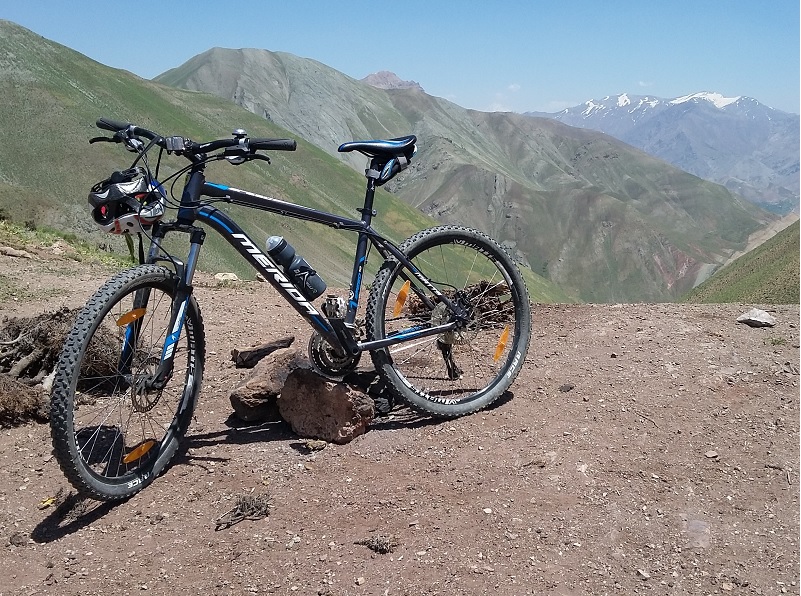
    Bring a reliable mountain or hybrid bike capable of handling diverse terrains. Essential gear includes:
  • Helmet and gloves
  • Bike repair kit and spare parts
  • Lightweight, moisture-wicking clothing
  • GPS or detailed maps of the region
  1. Accommodation Options
    Iran offers various accommodation types, including:
  • Local guesthouses: These provide an authentic experience and a chance to connect with locals.
  • Eco-lodges: Ideal for eco-conscious travelers, offering comfort in harmony with nature.
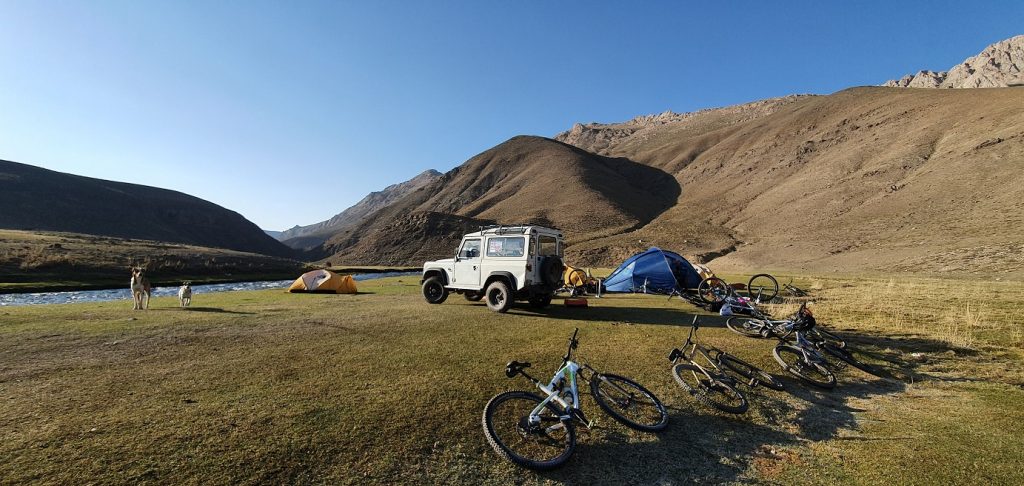
  • Camping: Many routes allow for overnight camping under the stars, particularly in remote mountain or desert areas.
  1. Cultural Considerations
  • Dress modestly in accordance with local customs.
  • Learn basic Persian phrases to enhance interactions with locals.
  • Be aware of road etiquette and always prioritize safety while cycling.
  1. Travel Permits and Visas
    Some regions require special permits, especially near borders. Ensure your travel documents are in order before embarking on your tour.

What to Expect on an Iran Cycling Tour

An Iran cycling tour is an adventure that stimulates all your senses. As you traverse the country, expect to encounter:

  • Spectacular Scenery: Towering mountains, fertile valleys, and vast deserts create a visual feast.
  • Historical Wonders: Sites like Pasargadae, Persepolis, and the ancient city of Yazd add depth to your journey.
  • Delicious Cuisine: Enjoy dishes like chelo kebab, ash reshteh, and freshly baked naan. Cycling through local markets is an excellent opportunity to sample Iran’s diverse flavors.
  • Warm Hospitality: Iranians are known for their generosity and kindness. Many will welcome you into their homes, offering tea and stories.

A Day in the Life of an Iran Cyclist

A typical day on an Iran cycling tour might look like this:

  • Start your morning with a traditional Iranian breakfast of flatbread, honey, cheese, and tea.
  • Cycle through picturesque villages, greeting locals who often cheer you on.
  • Break for lunch at a small roadside restaurant, savoring dishes like khoresht (Persian stews).
  • Spend the afternoon riding through stunning landscapes, pausing for photos or short hikes.
  • Arrive at your evening destination, where you can unwind in a cozy guesthouse or pitch a tent under the stars.

Popular Cycling Events in Iran

Iran hosts several cycling events and races throughout the year, attracting local and international participants:

  • Tour of Iran (Azarbaijan): A multi-stage professional road cycling race in the northwest.
  • Tour of Tehran: A race that combines urban and mountainous terrains.

These events showcase Iran’s potential as a top cycling destination and encourage global cyclists to explore the country.

Conclusion: Why an Iran Cycling Tour Should Be Your Next Adventure

An Iran cycling tour offers a perfect blend of natural beauty, cultural discovery, and physical challenge. Whether you’re navigating mountain trails, exploring ancient ruins, or connecting with hospitable locals, every moment on an Iranian cycling adventure is unforgettable.

× How can I help you?