No Results Found
The page you requested could not be found. Try refining your search, or use the navigation above to locate the post.


Zagros mountains guide ,Zagros mountains tour is is a trip in less visited area of Iran. Visiting Bakhtiari groups and Getting to know their lifestyle , Ability to cross the river with one of the oldest means of crossing the river (Gargar) ,Crossing areas with various climatic and climatic conditions And dozens of other features that you will encounter on this journey In this trip you’ll do trekking in Zagros Mountains tour , less visited area of Iran .
Zagros mountains guide ,Visiting Bakhtiari groups and Getting to know their lifestyle , Ability to cross the river with one of the oldest means of crossing the river (Gargar) ,Crossing areas with various climatic and climatic conditions And dozens of other features that you will encounter on this journey.
#iran #trekking #zagros #irantrekking #tourism #hiking #travel #nomad #nomadic #bakhtiari #traveling #tour #zagros #zagrostrekking #irantravel #mountains #documentary #people #mountainlovers

Sahand mountain
Sahand Mountain (Kuh-e Sahand) with the height of 3707 meters (12,162 ft) is the highest mountain in East Azarbaijan Province, in addition to being an important dormant volcano in the country.
The Sahand mountains length are about 50 km located in south of Tabriz, the highest peak of which is Jam Daqi at an attitude of 3,750 m .
Approximately 17 peaks can be accounted for as being over 3,000 m. in height.
The lower slopes and skirts of which are summer residing quarters for some tribes here. On the slopes of the mountain the mineral water from springs attracts large numbers of tourists each year.
Some of the springs are used for medical treatments, their water quality is limited for human uses as drinking and sometimes even as irrigation water.
The absolute dating of Sahand rocks indicates that this volcano has been sporadically active from 12 million years ago up to almost 0. 14 million years ago. Sahand is made chiefly of dacite and associated felsic rocks.
You can customize your own trip with us here
Sahand mountain range is known as “the bride of Iran’s mountains” due to its dense vegetation, meadows, and grasslands.
The whole mountain is covered with plants. Corn roses and buttercups, rare species of Fritillaria, growing in the mountainside create a beautiful landscape tor tourists and visitors.
Approximately 17 peaks can be accounted for as being over 3,000 m (9,843 ft) in height
Access should be relatively easy from the main highway east of Tabriz which passes to the north, or from the city of Maragheh located just to the south.
There is no Red Tape .
Camping is allowed every where. There is a hut in the area .
Dena mountain : Plateau of Iran resembles a triangle between two recesses. Western and northern parts of this triangle are limited to Zagros and Alborz mountain ranges respectively.
Zagros Mountain Range extends from NW to SE of Iran. At its far southern end, after passing along the eastern coasts of Persian Gulf, Baluchestan an Afghanistan and the sparsely populated coastal areas of Indian Ocean, it turns to join Hendukosh Mountains separating from Pamir.
Like other highlands of Iran, Zagros is the result of orogenetic movements during Pliocene era. During this period, sea water retreated from Iran’s mainland for the last time, leaving behind thick layers of sedimentary conglomerates.
Zagros is 1250 km long (from Marivan Valley to Hormoz) and 160-360 km wide. (more…)

Iran’s varied geography and climate make it one of the few countries that has four seasons year round. When it’s snowing in Tehran, Shiraz is in full bloom with spring daffodils, and further south, Châbahâr is in the middle of summer.
To get the best experience, it’s important to visit the right region in the right season. Here, we explore the best and top 10 hiking trails in Iran that not only highlight Iran’s unique geography, but also its various ethnic and nomadic groups.

Mount Damavand
The Zagros Mountain Range is a prominent and historically significant mountain range that stretches across western Iran and extends into northern Iraq and southeastern Turkey. Known for its breathtaking landscapes, diverse ecosystems, and cultural heritage, the Zagros plays a vital role in the region’s ecology, history, and economy. This detailed guide explores the various facets of the Zagros Mountain Range, shedding light on its geography, history, ecology, and contemporary significance.
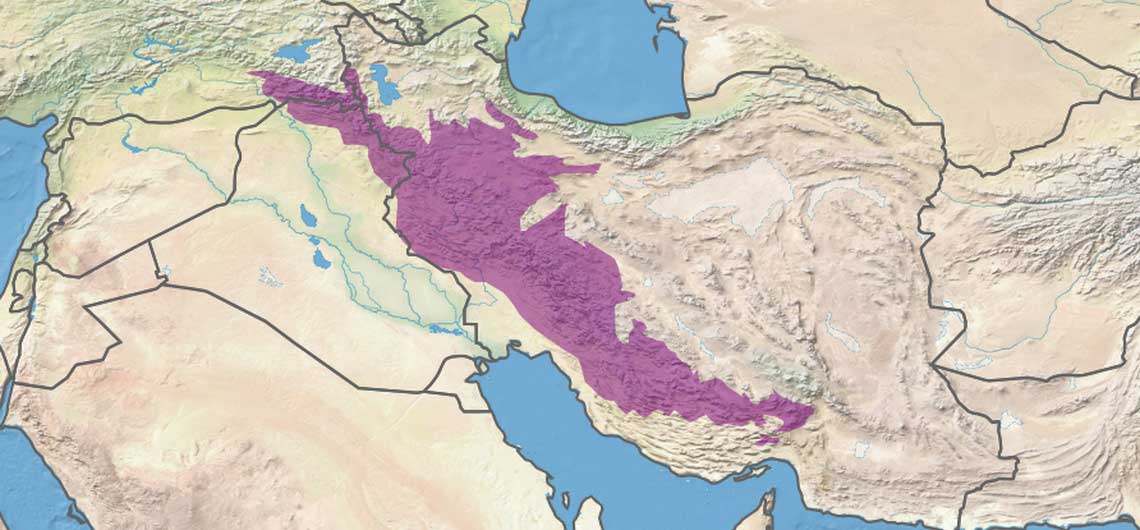
The Zagros Mountain Range is a striking feature of the Middle Eastern landscape, stretching from the northwest to the southeast of Iran. At its southern end, the range passes along the eastern coasts of the Persian Gulf and extends into Baluchestan, Afghanistan, and the sparsely populated coastal areas of the Indian Ocean. Ultimately, it connects with the Hindu Kush Mountains, separating from the Pamir range.
The Zagros spans approximately 1,250 kilometers in length and varies in width from 160 to 360 kilometers. The range is primarily composed of folded sedimentary rocks, including limestone, sandstone, and shale. This geological formation resulted from the collision of the Arabian and Eurasian tectonic plates during the Pliocene era. This process not only shaped the range but also contributed to the rich sedimentary deposits found in the region today.
The Zagros Mountain Range is deeply intertwined with human history. Archaeological evidence suggests that humans have inhabited this region for tens of thousands of years. Some of the earliest agricultural settlements, dating back to 10,000 BCE, were located in the fertile valleys of the Zagros. These early communities pioneered the domestication of plants and animals, laying the foundation for human civilization.
Over millennia, the Zagros has served as a cultural crossroads, hosting numerous civilizations, including the Elamites, Assyrians, Medes, and Achaemenids. The mountains provided both a refuge and a strategic advantage, influencing trade, warfare, and cultural exchange.
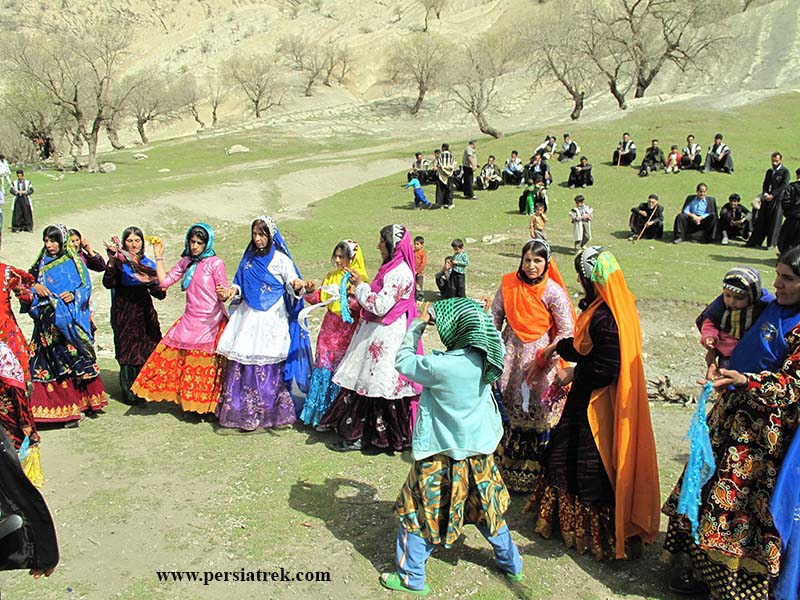
In modern times, the Zagros remains home to diverse ethnic groups, including Kurds, Lors, Bakhtiaris, and Lak nomads. Each of these groups has a unique cultural heritage, expressed through their languages, music, clothing, and traditions. The mountains continue to be a symbol of resilience and identity for these communities.
The Zagros is characterized by its diverse topography, ranging from rolling hills to towering peaks. The highest points in the range are found in the Dena Mountains, with Ghashmastan being the tallest at 4,435 meters above sea level. Other notable peaks include the Zardkooh Bakhtiari and Mount Dena, both of which attract climbers and adventurers from around the world.
The climate of the Zagros varies significantly depending on altitude and location. Generally, the range experiences a semi-arid to Mediterranean climate, with hot, dry summers and cold, wet winters. Snowfall is common at higher elevations, contributing to the region’s water resources. The Zagros acts as a natural water reservoir, feeding major rivers such as the Karun, Karkheh, and Diyala, which are essential for agriculture and human settlements.

The Zagros Mountain Range is a hotspot for biodiversity, boasting a wide variety of flora and fauna adapted to its diverse climates and elevations.
The vegetation of the Zagros is rich and varied, encompassing over 2,000 plant species, many of which are endemic. The lower elevations are dominated by oak forests, particularly Persian oak (Quercus brantii), which cover approximately 10 million hectares. Wild pistachio trees and almond species are also common. These forests play a critical role in maintaining soil stability, regulating climate, and supporting local economies.
The wildlife of the Zagros is equally diverse. Mammals such as Persian leopards, Asiatic black bears, and wild goats inhabit the rugged terrain, while bird species like eagles, vultures, and partridges soar above. Conservation efforts are ongoing to protect endangered species and their habitats, although challenges such as deforestation and hunting persist.
The Zagros Mountain Range can be divided into three main sections:
The northern section of the Zagros is relatively smaller but no less significant. It stretches from the Cesar River Valley in the north and west to the Zalki and Kogan rivers in the south. Key features of this region include:
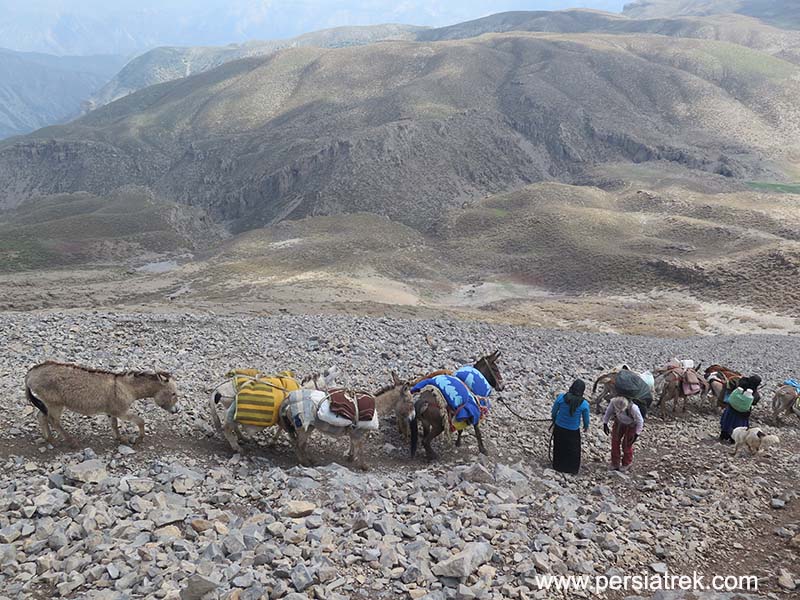
Bakhtiari nomads migration
Central Zagros is a vast and diverse area where Bakhtiari nomads and the Haft Lang group traditionally reside. Its boundaries extend from the Ab Zalki and Ab Zareh rivers in the north to the Karun and Shalmzar rivers in the south. Notable subregions include:
The southern section of the Zagros extends to Larestan and features a warm climate with annual precipitation averaging 250 millimeters. This region includes large areas of rangeland, supporting livestock farming, hunting, and dry farming. Key areas include:

The Zagros Mountain Range is a cornerstone of the region’s economy. Its rich natural resources, including oil, gas, and minerals, make it a vital contributor to Iran’s energy sector. The fertile valleys and plateaus support agriculture, with crops like wheat, barley, fruits, and nuts being cultivated. Livestock farming is another crucial activity, with sheep and goats being the primary animals raised by local communities.
Tourism is an emerging industry in the Zagros, driven by its natural beauty, cultural heritage, and recreational opportunities. Activities such as trekking, mountaineering, and exploring historical sites attract visitors from around the world. However, sustainable tourism practices are essential to preserve the fragile ecosystems and cultural integrity of the region.

The Zagros faces numerous challenges, including deforestation, overgrazing, and urbanization. Climate change exacerbates these issues, leading to reduced water availability and increased risks of natural disasters such as landslides and floods.
Conservation efforts are underway to address these challenges. Reforestation projects, wildlife protection programs, and sustainable land management practices are being implemented by governments and NGOs. Local communities play a crucial role in these initiatives, leveraging traditional knowledge to promote ecological balance.

The Zagros Mountain Range is a marvel of nature and a testament to human resilience and adaptability. Its towering peaks, fertile valleys, and rich biodiversity make it a unique and invaluable part of the Middle East. By addressing the challenges facing the region and promoting sustainable development, we can ensure that the Zagros continues to thrive for generations to come.
Whether you are a nature enthusiast, history lover, or adventure seeker, the Zagros Mountain Range offers something extraordinary. Explore its beauty, learn from its history, and contribute to its preservation.
The page you requested could not be found. Try refining your search, or use the navigation above to locate the post.