Isfahan Travel Guide
ISFAHAN TRAVEL GUIDE
Things to Do, Activities, and AttractionsIntroduction
Isfahan, often referred to as “Half of the World”, is one of Iran’s most beautiful and historically rich cities. Nestled in the heart of the country, Isfahan is famous for its breathtaking Islamic architecture, picturesque bridges, and vibrant bazaars. This comprehensive Isfahan travel guide will provide you with everything you need to know for an unforgettable visit.
Why Visit Isfahan?
Isfahan boasts a harmonious blend of history, art, and culture. The city flourished under the Safavid dynasty, which transformed it into the capital of Persia in the 16th century. Today, its mosques, palaces, and gardens continue to mesmerize visitors from all around the world.
Best Time to Visit Isfahan
The best time to visit Isfahan is during the spring (March-May) and autumn (September-November) when the weather is mild and pleasant. Summers can be quite hot, with temperatures exceeding 35°C (95°F), while winters, although cold, are less crowded and allow for a more peaceful experience.
How to Get to Isfahan
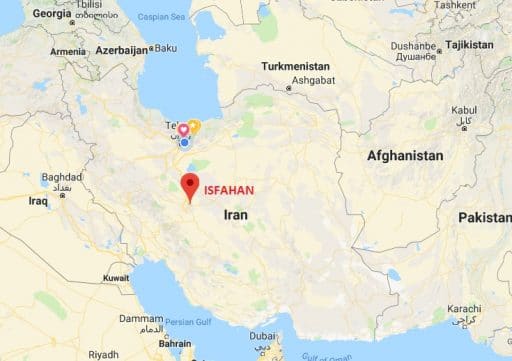
- By Air: Isfahan’s Shahid Beheshti International Airport (IFN) operates domestic and limited international flights.
- By Train: Trains from Tehran, Mashhad, and other cities provide a comfortable journey to Isfahan.
- By Bus: The city is well connected by long-distance buses from major cities like Tehran, Shiraz, and Yazd.
- By Car: Renting a car or hiring a private driver can be a great way to explore the region at your own pace.
Getting Around Isfahan
- Metro: Isfahan’s metro system is expanding and is a convenient way to travel within the city.
- Taxis: Available throughout the city, but it’s best to use ride-hailing apps like Snapp or Tapsi for fair pricing.
- Buses: A cost-effective option for budget travelers.
- Walking: Many of Isfahan’s attractions are located close to each other, making walking a pleasant experience.
Top Attractions in Isfahan
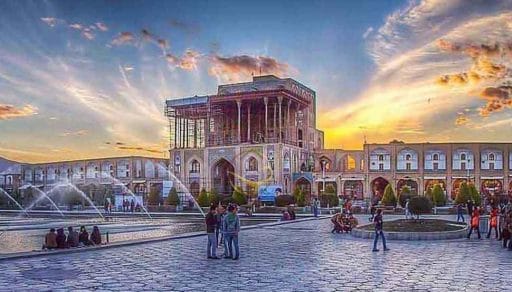
1. Naqsh-e Jahan Square (Imam Square)

A UNESCO World Heritage Site, this massive square is the heart of Isfahan and home to:
- Shah Mosque (Imam Mosque): A masterpiece of Persian architecture, featuring stunning blue tilework.
- Sheikh Lotfollah Mosque: Known for its mesmerizing dome that changes colors throughout the day.
- Ali Qapu Palace: A grand Safavid-era palace with a breathtaking view of the square.
- Qeysarieh Bazaar: A traditional market offering Persian handicrafts, carpets, and souvenirs.
2. Si-o-se-pol Bridge
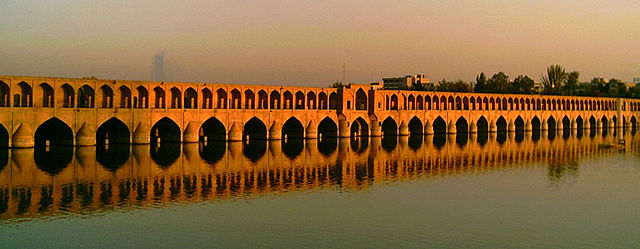
This famous “Bridge of 33 Arches” spans the Zayandeh River and is especially beautiful when lit up at night.
3. Khaju Bridge

Another architectural gem, the Khaju Bridge features intricate tilework and serves as a social gathering spot.
4. Chehel Sotoun Palace

Known as the “Palace of Forty Columns,” this Safavid-era pavilion is surrounded by lush gardens and stunning frescoes.
5. Vank Cathedral

Located in the Armenian district of New Julfa, this cathedral showcases a unique blend of Persian and Armenian architectural styles with beautiful frescoes depicting biblical stories.
6. Jameh Mosque of Isfahan
One of the oldest mosques in Iran, this UNESCO-listed site showcases different styles of Persian Islamic architecture spanning centuries.
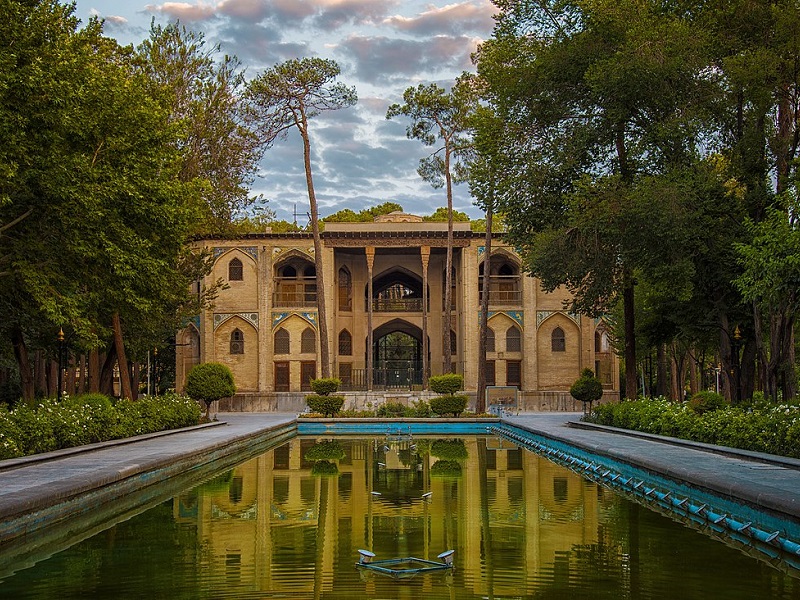
7. Hasht Behesht Palace
A lesser-known yet exquisite palace, Hasht Behesht is surrounded by picturesque gardens and intricate mosaics.
What to Eat in Isfahan
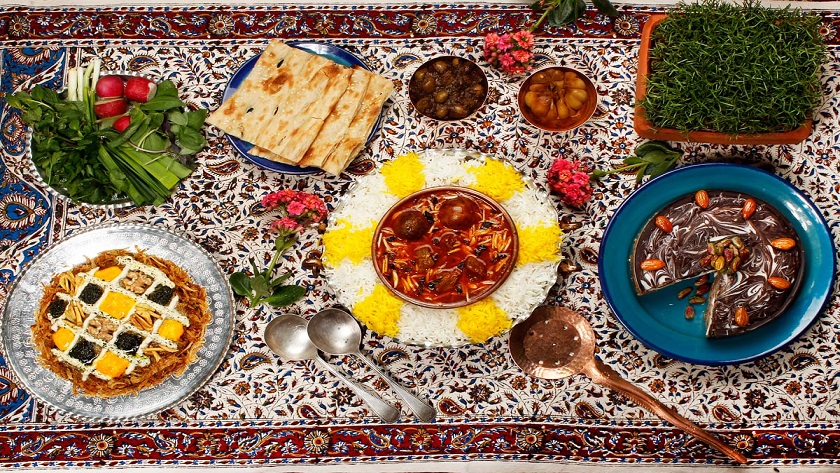
Isfahan’s cuisine is rich and diverse. Here are some must-try local dishes:
- Beryani: A unique Isfahani dish made with minced lamb, served with bread.
- Khoresht-e Mast: A sweet yogurt-based stew with saffron and shredded lamb.
- Fesenjan: A delicious stew made with pomegranate paste and ground walnuts.
- Gaz: A traditional Persian nougat infused with pistachios and rosewater.
- Doogh: A refreshing yogurt-based drink often served with mint.
Where to Stay in Isfahan
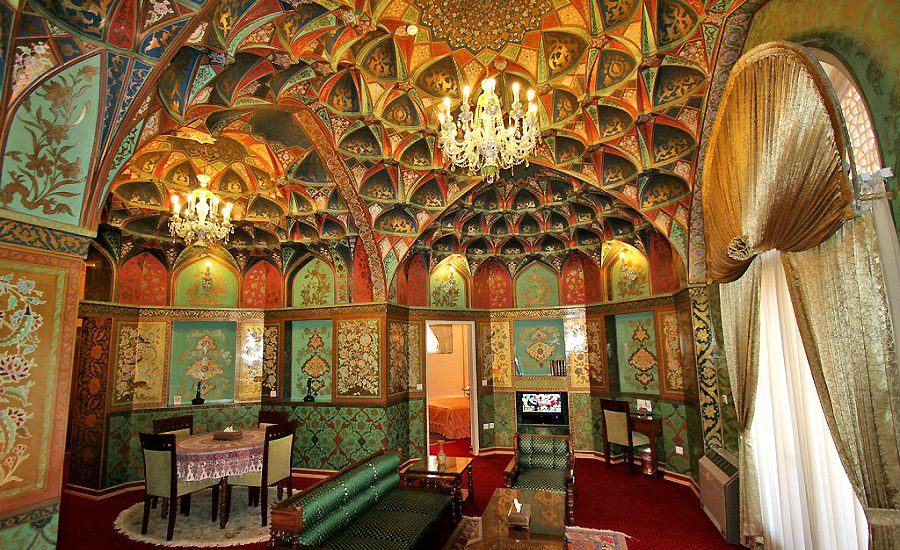
Luxury Hotels:
- Abbasi Hotel: A historic hotel with stunning Persian architecture and a luxurious ambiance.
- Kowsar Hotel: Overlooking the Zayandeh River, this hotel offers excellent service and comfort.
Mid-Range Hotels:
- Piroozy Hotel: A comfortable option close to Naqsh-e Jahan Square.
- Setareh Hotel: Offers great amenities at a reasonable price.
Budget Accommodation:
- Hostels and Guesthouses: Many budget-friendly guesthouses offer a cozy and authentic Persian experience.
Shopping in Isfahan
Isfahan is famous for its traditional handicrafts, including:
- Persian Carpets: Some of the world’s finest handwoven rugs.
- Minakari: Beautiful enamel-painted copperware.
- Khatamkari: Intricate wood inlay work.
- Ghalamkari: Hand-painted textiles featuring Persian motifs.
Cultural Etiquette & Travel Tips
- Dress Code: Women should wear a headscarf and dress modestly. Men should avoid shorts in public.
- Respect Local Customs: Greetings often involve a handshake, and hospitality is highly valued.
- Bargaining: Haggling is common in bazaars, so don’t be afraid to negotiate.
- Currency: The local currency is the Iranian Rial (IRR), and cash is the preferred payment method.
Final Thoughts
Isfahan is a city that seamlessly blends the old with the new, offering an enchanting experience for every traveler. From its awe-inspiring mosques to its lively bazaars and delicious cuisine, Isfahan truly lives up to its reputation as “Half of the World.” Whether you’re a history enthusiast, an architecture lover, or a foodie, Isfahan promises an unforgettable journey.
Tehran, the bustling capital of Iran, is a vibrant city filled with history, culture, and modern attractions. As the heart of the country, Tehran serves as a gateway to the diverse landscapes, traditions, and experiences that Iran has to offer. Whether you’re a first-time visitor or a seasoned traveler, this Tehran travel guide will provide you with a comprehensive overview of the best things to do in Tehran, the top attractions, and the must-visit sites in this fascinating city.

3-Day Tehran Sightseeing Tour
From 360$
See Details
14-Day Persian History Travel
From 1800$
See Details
15-Day Iran Sightseeing Tour
From 1950$
See Details
7-Day Iran Ancient Cities Tour
From 880$
See Details
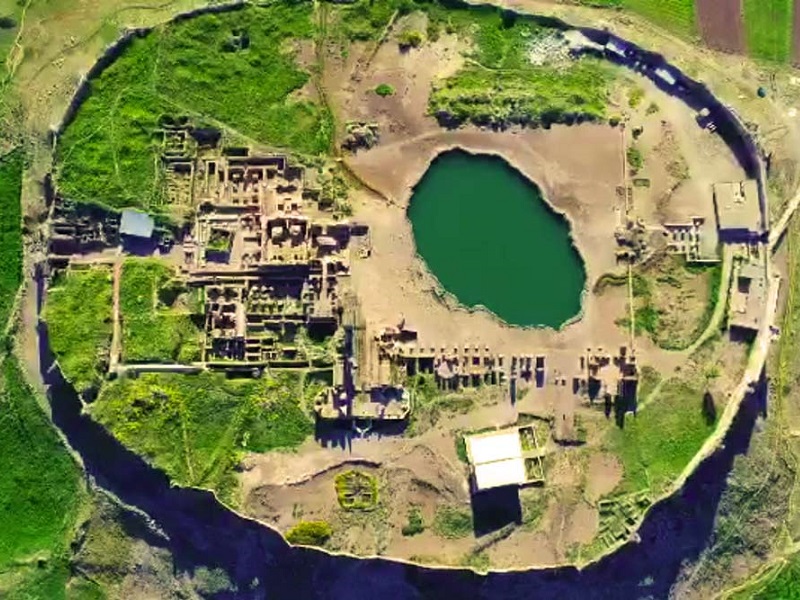
27-Day Iran UNESCO World Heritage Sites Tour
From 3200$
See Details
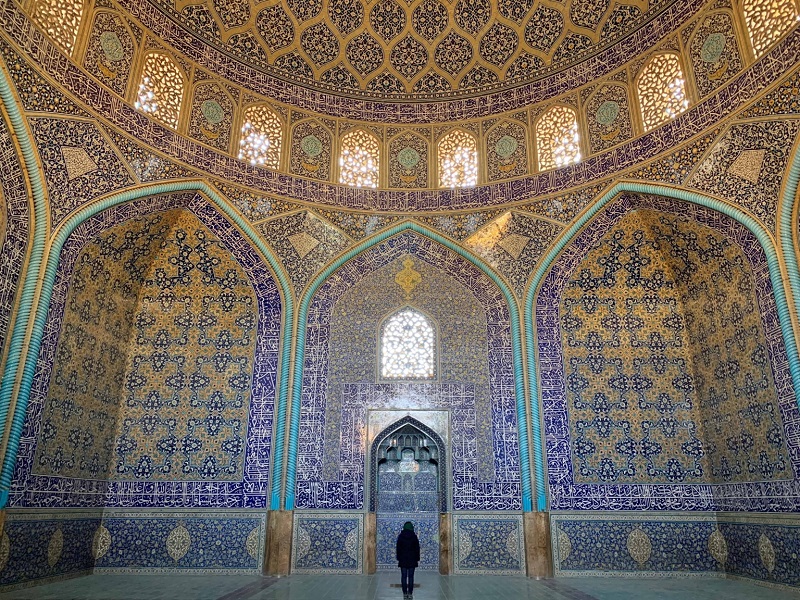
4-Day Iran Classic Tour : Tehran , Isfahan , Shiraz
From 480$
See Details
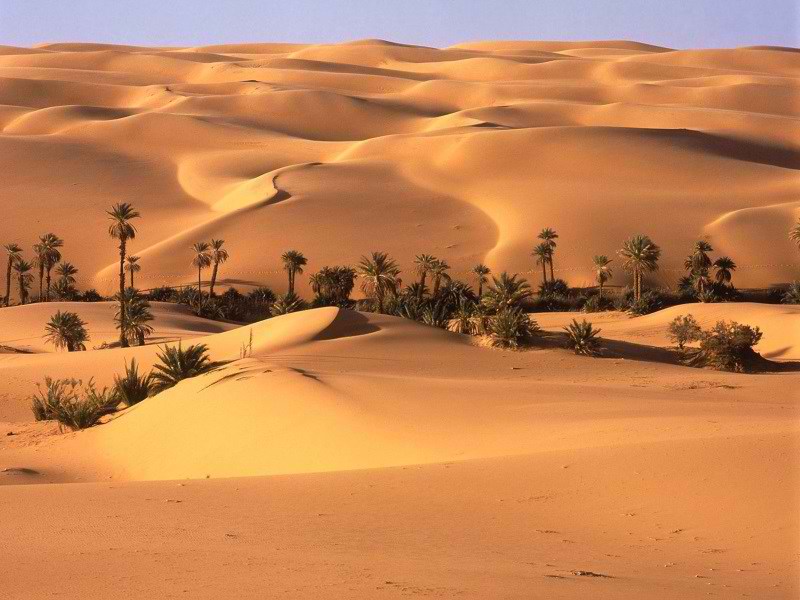
12-Day Central Iran Desert Tour
From 1200$
See Details
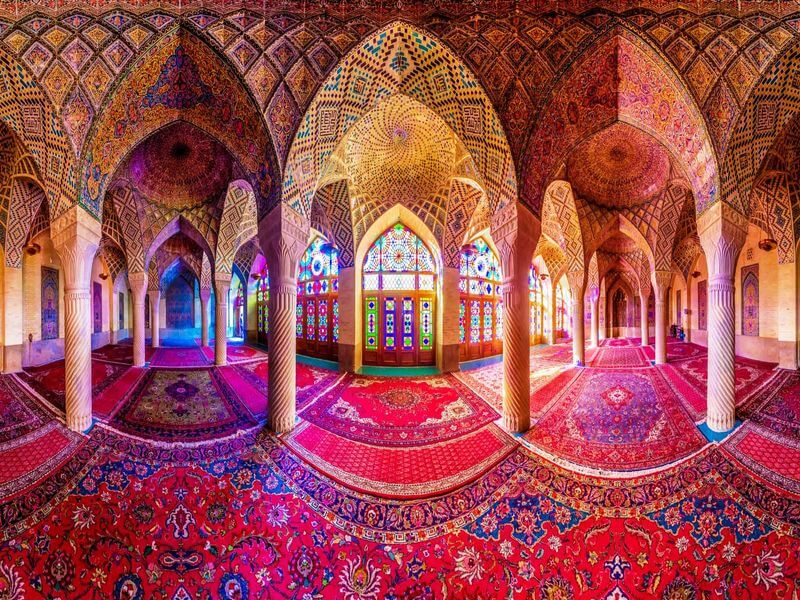
9-Day Persian Poets and Gardens
From 1040$
See Details
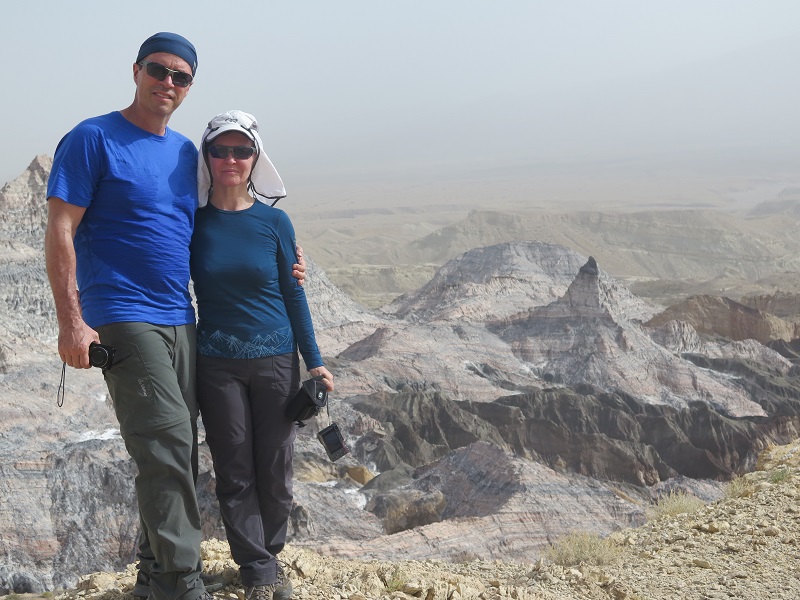
23-Day Iran Cultural and Adventure Tour
From 1040$
See Details
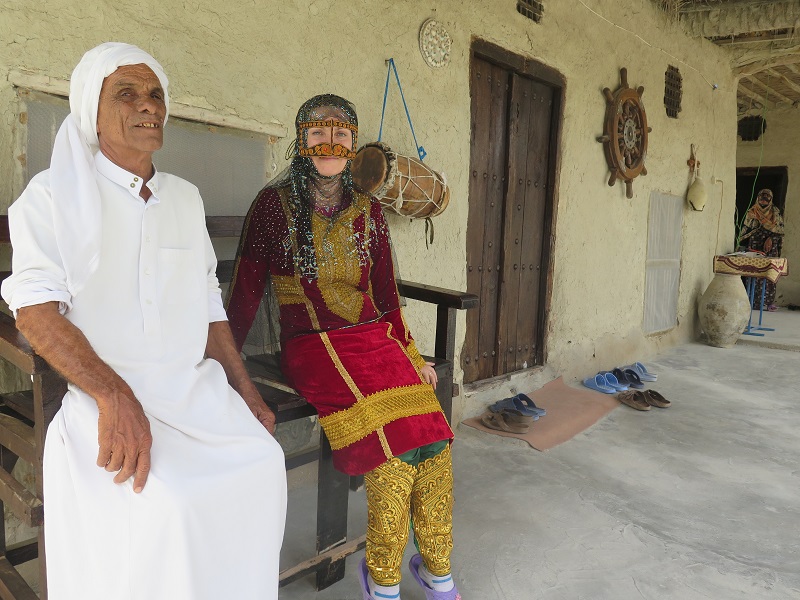
7-Day Trip to Qeshm and Hormoz Islands
From 550$
See Details

13-Day Iran Northern Cities
From 1550$
See Details
Guide to Visiting Iranian Touristic Islands

Isfahan Travel Guide
Top 10 Iranian caravanserais
Tehran travel guide

Iran Travel Guide

Top ten Iranian souvenirs

Nowrouz in Iran: A Celebration of Renewal and Joy

Iranian Traditional Music
Iranian Hospitality : Rules for Hosts and Guests to Follow

Iranian cuisine