+98 912 272 2656 info@persiatrek.com
The Best Landscapes in Iran

The Best Landscapes in Iran

The Best Landscapes in Iran: A Journey Through Stunning Natural Wonders


Introduction

Iran is home to some of the most breathtaking landscapes in the world. From towering mountains and lush forests to vast deserts and pristine coastlines, this diverse country offers endless natural beauty for travelers, photographers, and adventure seekers. Whether you are looking for epic hiking trails, unique geological formations, or peaceful nature escapes, Iran has it all.

In this guide, we explore the best landscapes in Iran, highlighting the country’s most beautiful and must-visit destinations.


1. Mount Damavand – Iran’s Majestic Peak

Top 10 hiking trails in Iran

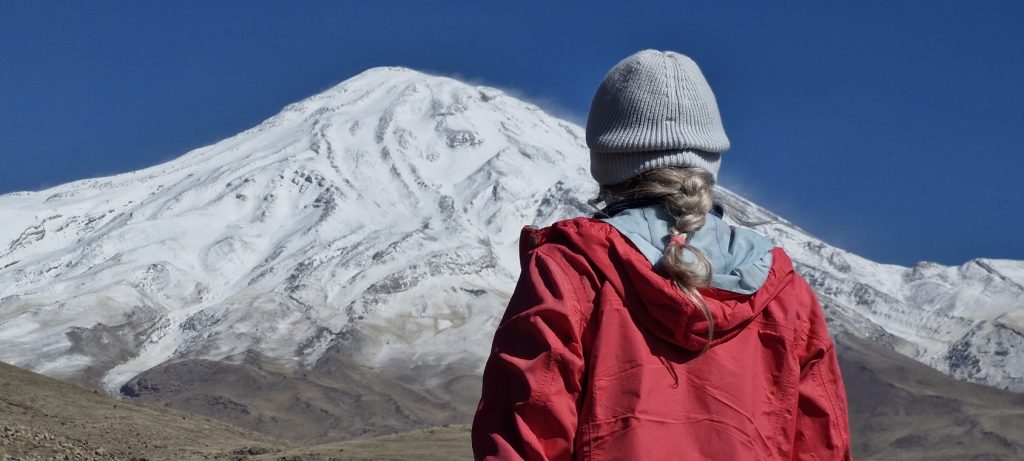
Mount Damavand

🏔 Location: Alborz Mountain Range, Northern Iran
🌟 Why Visit? Iran’s highest peak (5,610m), stunning alpine scenery, and a legendary status in Persian mythology

As the tallest volcano in Asia, Mount Damavand is an icon of Iran’s natural beauty. The snow-capped peak dominates the skyline, offering an unforgettable sight. Trekkers and mountaineers from around the world come to conquer this peak, while others enjoy the hot springs, lush valleys, and scenic trails in its surroundings.


2. The Lut Desert (Dasht-e Lut) – Iran’s Surreal Sandscape

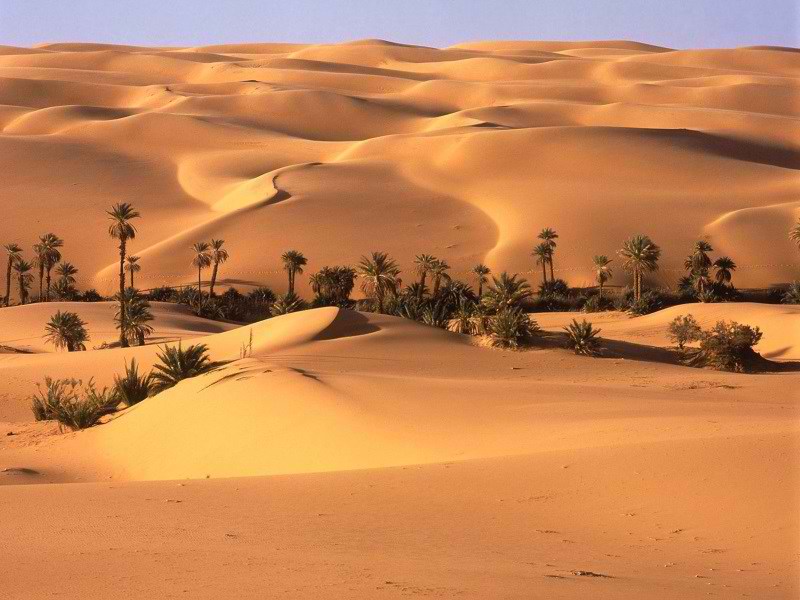
Dasht-e Lut Desert

🏜 Location: Southeastern Iran
🌟 Why Visit? One of the world’s hottest places, mesmerizing sand dunes, and UNESCO World Heritage status

Dasht-e Lut is a land of otherworldly beauty, known for its massive sand dunes, salt flats, and wind-carved rock formations (Kaluts). The desert holds the record for the highest ground temperature ever recorded on Earth (70.7°C). It is an ideal spot for desert trekking, photography, and stargazing. Shahdad Desert, located within Lut, is particularly famous for its eerie and dramatic landscape.


3. The Hyrcanian Forests – Iran’s Ancient Green Wonderland
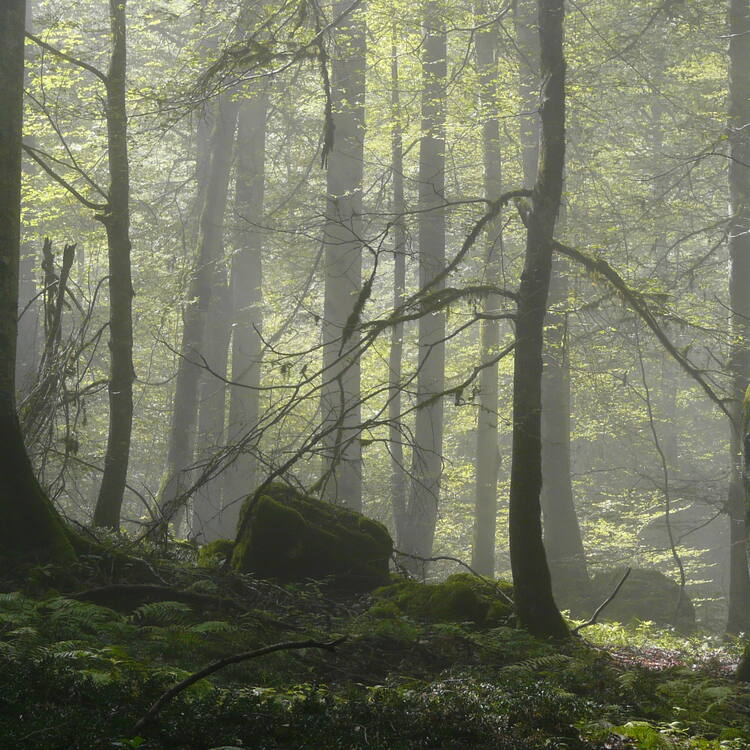
Best Landscapes in Iran

🌲 Location: Northern Iran, along the Caspian Sea
🌟 Why Visit? Over 25 million years old, rich biodiversity, and misty, magical landscapes

Recognized as a UNESCO World Heritage Site, the Hyrcanian Forests are among the oldest in the world. Spanning across Gilan, Mazandaran, and Golestan provinces, these dense, mist-covered woodlands provide a lush escape for nature lovers. The famous Filband Village offers a breathtaking sea of clouds where visitors can experience being above the clouds.


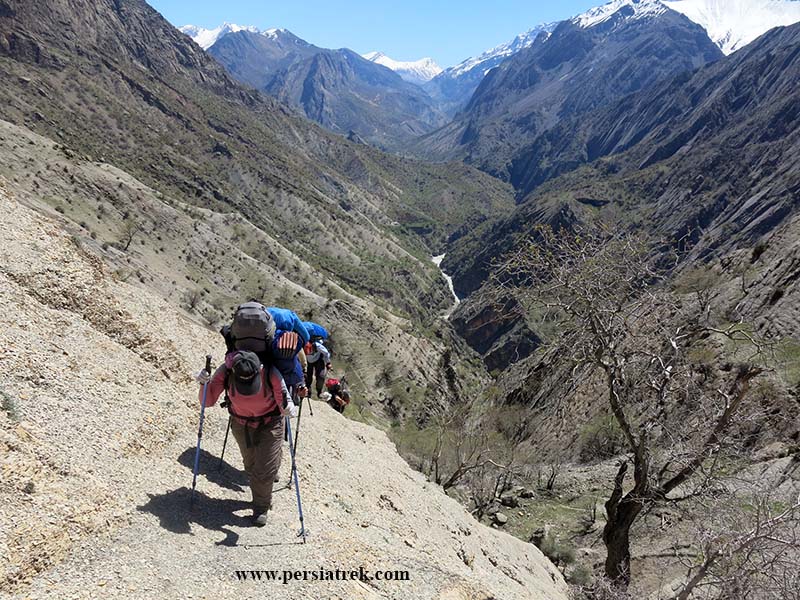
4. The Zagros Mountains – A Trekking Paradise
Best Landscapes in Iran

Location: Western and Southwestern Iran
🌟 Why Visit? Stunning peaks, deep valleys, waterfalls, and nomadic culture

Stretching over 1,500 km, the Zagros Mountains are home to some of Iran’s most stunning landscapes. Dena Mountain is a top trekking destination, featuring oak forests, glacial rivers, and wildlife. The Sar Agha Seyed village, nestled in the mountains, is a must-visit with its stepped, mountainside houses offering a unique architectural charm.


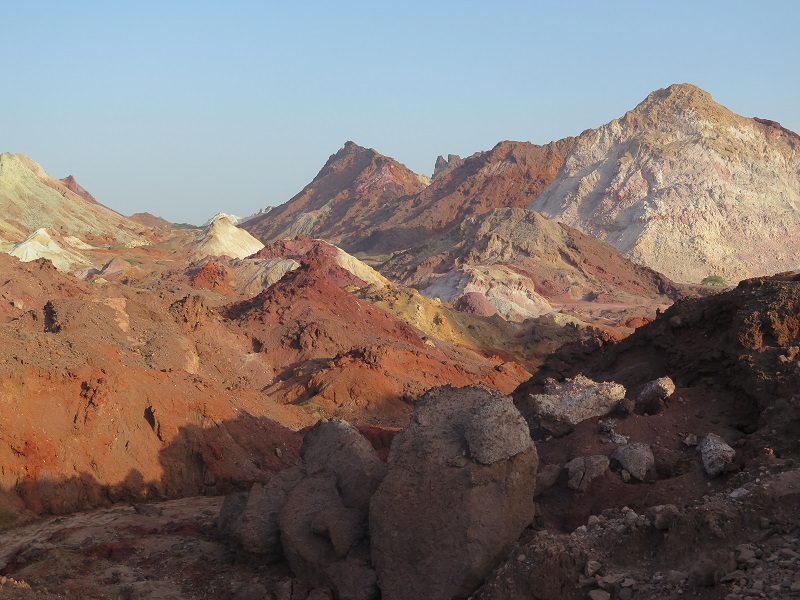
5. The Persian Gulf Islands – Iran’s Coastal Paradise
Iran Cultural and Adventure Tour

🏝 Location: Southern Iran
🌟 Why Visit? Unique red beaches, salt caves, and stunning coastal views

Iran’s Persian Gulf Islands are a treasure trove of natural beauty:

  • Hormuz Island – Known for its Red Beach, Rainbow Mountains, and Salt Caves, it looks like an artist’s palette.
  • Qeshm Island – A UNESCO Geopark with Chahkooh Canyon, Hara Mangrove Forests, and the Valley of Stars.
  • Kish Island – A luxurious getaway with crystal-clear waters and white sandy beaches.

6. Badab-e Surt – Iran’s Stunning Natural Terraces

Best Landscapes in Iran

🌊 Location: Mazandaran Province, Northern Iran
🌟 Why Visit? Beautiful travertine terraces with colorful mineral pools

Resembling Turkey’s Pamukkale, Badab-e Surt is a hidden gem featuring stepped terraces filled with mineral-rich waters. The pools change colors depending on the sunlight and mineral content, creating a magical, dreamlike landscape.


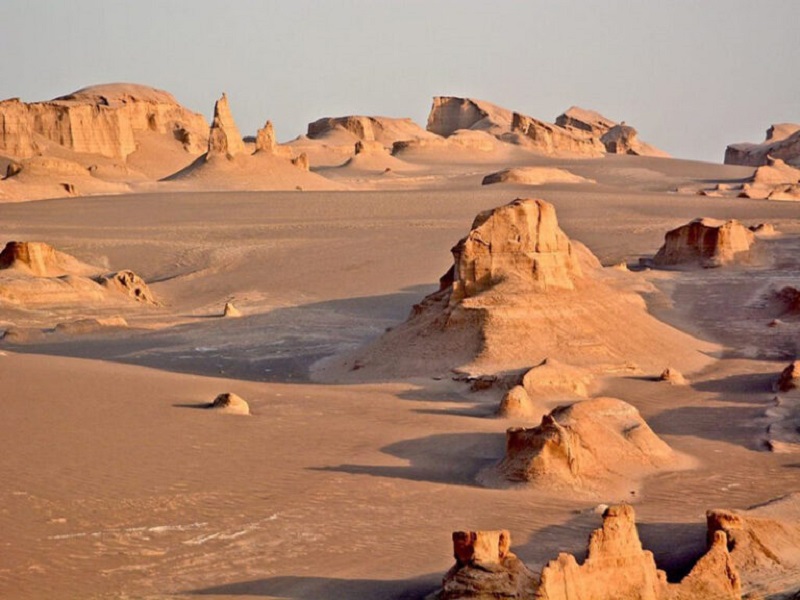
7. The Kaluts of Shahdad – Iran’s Desert Castles
Dasht-e Lut Desert

🏜 Location: Lut Desert, Kerman Province
🌟 Why Visit? Wind-sculpted rock formations that look like ancient fortresses

The Kaluts of Shahdad are towering rock formations shaped by millions of years of wind erosion. Rising dramatically from the desert floor, they resemble a mystical, abandoned city, making them one of the most breathtaking and photogenic landscapes in Iran.


8. Masal – The Dreamy Misty Mountains

🌄 Location: Gilan Province, Northern Iran
🌟 Why Visit? Lush green mountains, misty valleys, and wooden cottages

Often referred to as the Switzerland of Iran, Masal is a paradise of rolling green hills, fog-covered valleys, and charming wooden houses. This area is perfect for hiking, camping, and nature photography, with cool weather even in summer.


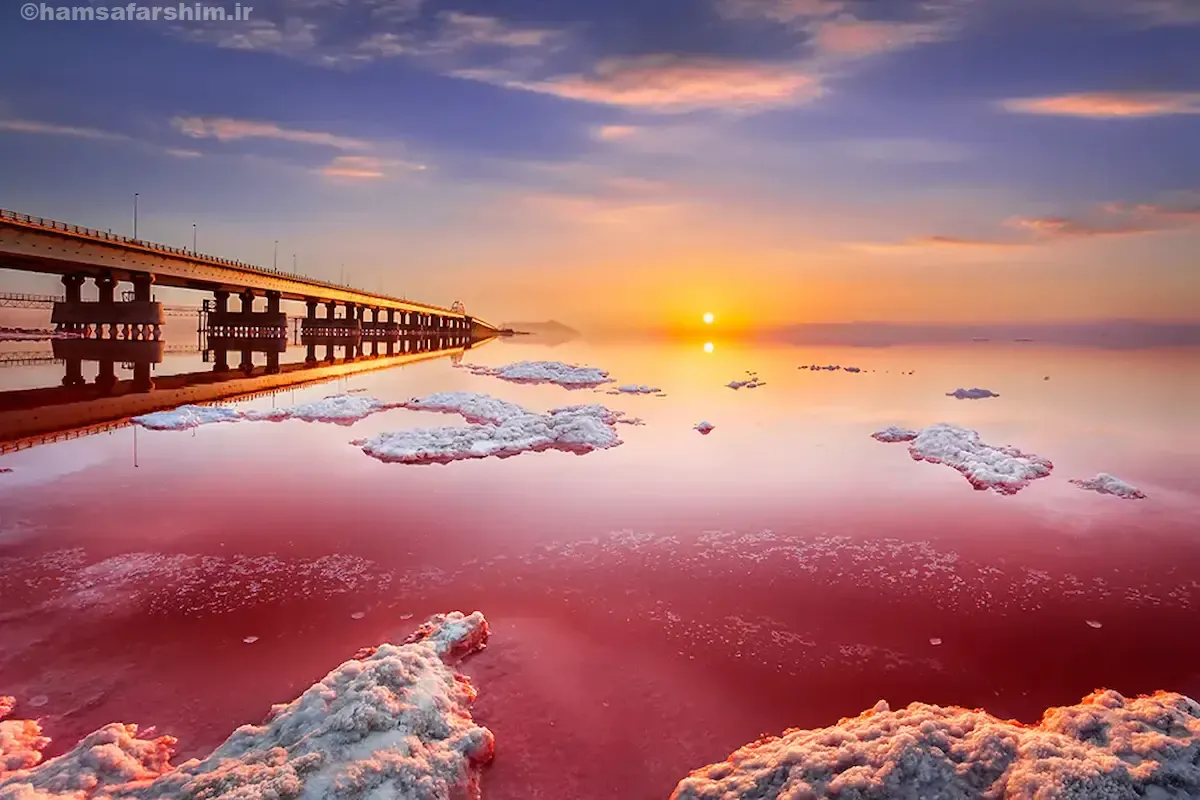
9. The Turquoise Waters of Lake Urmia
Best Landscapes in Iran

🌊 Location: Northwestern Iran
🌟 Why Visit? A surreal saltwater lake with changing colors

Once one of the largest saltwater lakes in the world, Lake Urmia is famous for its vibrant hues ranging from turquoise to deep red. Its high salinity allows visitors to float effortlessly, similar to the Dead Sea. Conservation efforts are helping to restore this stunning natural wonder.


10. The Alamut Valley – Castles and Cliffs

🏞 Location: Qazvin Province, Northern Iran
🌟 Why Visit? A historical valley with breathtaking mountain scenery

Home to the legendary Alamut Castle, this valley offers rugged cliffs, deep gorges, and fascinating history. It’s a paradise for hikers and history lovers, with incredible views at every turn.


Final Thoughts: Explore the Best Landscapes in Iran

From towering mountains and ancient forests to golden deserts and pristine coastlines, Iran’s landscapes are among the most diverse and breathtaking in the world. Whether you’re an adventurer, nature lover, or cultural explorer, Iran offers endless opportunities to experience its stunning natural beauty.

🚀 Ready to discover the best landscapes in Iran? Start planning your journey today!

Iran Travel Guide

Iran Travel Guide

Iran Travel Guide: A Comprehensive Journey Through the Land of Wonders


Introduction: Why Visit Iran?

Iran is a country steeped in history, adorned with breathtaking natural landscapes, and enriched by a culture of unparalleled warmth and hospitality. Despite being home to incredible UNESCO World Heritage Sites, vibrant cities, and stunning natural attractions, Iran remains an underrated destination due to lingering misconceptions.

This Iran Travel Guide will dispel these myths, introduce you to the country’s diverse attractions, and help you plan a journey filled with unforgettable experiences. Whether you’re an adventure seeker, history buff, or food lover, Iran has something extraordinary to offer.


Five Myths About Iran: Separating Fact From Fiction

1. “Iran Is Unsafe for Tourists”

The Misconception: Concerns about safety due to political tensions often dissuade potential visitors.
The Reality: Travelers who venture to Iran describe it as one of the safest destinations they’ve ever visited. Violent crimes targeting tourists are extremely rare, and locals are renowned for their hospitality.

Why Visit?

In Iran, you’ll walk through lively bazaars, hike serene mountain trails, and explore historical sites without fear. The country’s safety combined with the warmth of its people ensures a worry-free and enriching travel experience.


2. “Iranians Are Hostile to Foreigners”

The Misconception: Political conflicts have led to the false belief that Iranians are unwelcoming to outsiders.
The Reality: Iranian hospitality is legendary. The cultural tradition of ta’arof—a code of politeness—encourages acts of kindness, ensuring visitors are treated with utmost respect.

Why Visit?

Prepare for moments of genuine connection, whether it’s being invited to a family dinner, offered a cup of tea, or simply engaging in a heartfelt conversation. For many, these interactions become the most cherished memories of their trip.


3. “Iran Is Just a Desert”

The Misconception: A common stereotype paints Iran as a barren land devoid of natural diversity.
The Reality: Iran’s geography is astonishingly diverse. From lush forests and snowy peaks to serene coastlines and sprawling deserts, the country offers something for every nature enthusiast.

Why Visit?

Marvel at Mount Damavand’s snow-capped beauty, trek through the ancient Hyrcanian forests, relax along the Caspian Sea, or immerse yourself in the surreal scenery of the Lut Desert—there’s no shortage of natural wonders to explore.


4. “Traveling to Iran Is Complicated”

The Misconception: Bureaucratic red tape and restrictions deter many potential travelers.
The Reality: While some nationalities require visas, Iran has streamlined its processes through e-visas and visas on arrival for many visitors.

Why Visit?

With proper planning, navigating the visa process is straightforward. Once in Iran, you’ll find a well-connected transport system, modern accommodations, and hospitable locals eager to ensure you enjoy your journey.


5. “Iran Lacks Modern Amenities”

The Misconception: Some believe Iran is outdated and lacks basic modern conveniences.
The Reality: Iran seamlessly blends its ancient heritage with modern infrastructure. Cities like Tehran boast luxurious hotels, efficient metro systems, and ride-hailing apps like Snapp, ensuring a smooth travel experience.

Why Visit?

The juxtaposition of ancient mosques alongside bustling, contemporary urban life creates a dynamic and enriching experience.


Understanding Iran: Facts and First Impressions

Located in the heart of the Middle East, Iran spans diverse climates, cultures, and terrains. With over 80 million people, it boasts one of the world’s oldest civilizations, dating back over 7,000 years. Persian culture, art, and architecture have left an indelible mark on global history.


Essential Tips for Visiting Iran

  • Visa Requirements: Many nationalities can apply for an e-visa or get a visa on arrival. Check the latest requirements for your country before traveling.
  • Best Time to Visit: Spring (March to May) and autumn (September to November) offer the most pleasant weather.
  • Currency: The official currency is the Iranian Rial (IRR). Cash is preferred, as international credit cards are not widely accepted.
  • Language: Persian (Farsi) is the official language. Learning a few phrases like Salam (hello) and Motashakkeram (thank you) will go a long way.
  • Dress Code: Modest clothing is required, particularly for women, who should wear a headscarf and long, loose clothing in public.

Top Reasons to Visit Iran

1. A Rich History and Cultural Heritage

Iran is home to 26 UNESCO World Heritage Sites, each showcasing the grandeur of ancient Persia. Highlights include:

  • Persepolis: The ceremonial capital of the Achaemenid Empire, a must-visit for history enthusiasts.
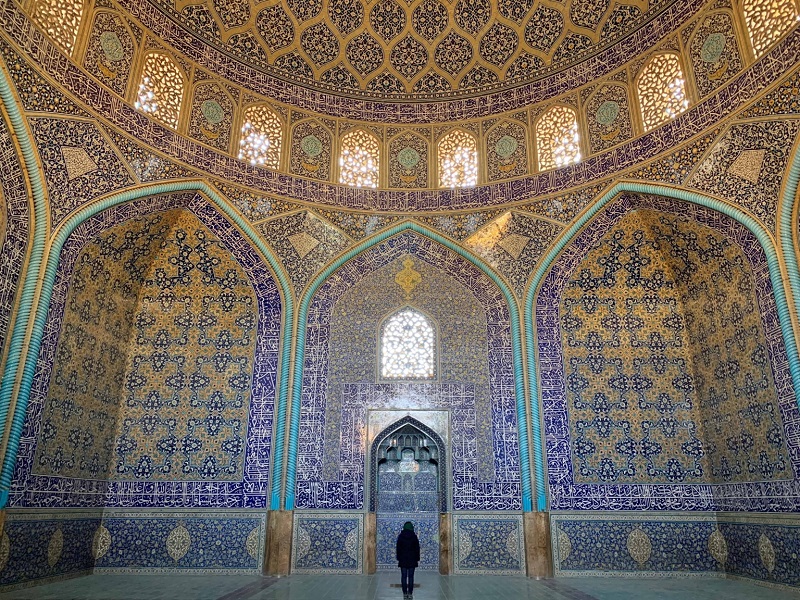
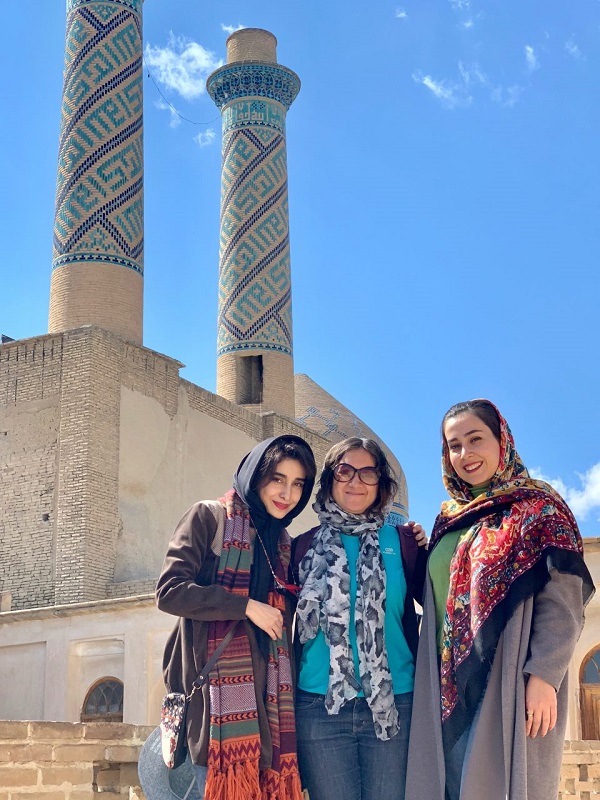
  • Isfahan: Known as “Half the World,” its Naqsh-e Jahan Square, Ali Qapu Palace, and Sheikh Lotfollah Mosque are architectural masterpieces.
  • Yazd: A city of wind towers, Zoroastrian fire temples, and intricate desert architecture.
  • Tabriz: The ancient Blue Mosque and Tabriz Grand Bazaar are key attractions.
  • Shiraz: A city of poetry and gardens, home to Persepolis and the Tomb of Hafez.

2. Stunning Natural Attractions

Iran’s diverse geography offers something for every traveler:

Mountains and Adventure

  • Mount Damavand: The highest peak in the Middle East, ideal for trekking and mountaineering.
  • Zagros Mountains: Great for hiking, exploring traditional villages, and connecting with nature.
  • Ski Resorts: Ski at Dizin or Tochal, two of the best winter sports destinations in the region.

Forests and Green Spaces

  • Hyrcanian Forests: A UNESCO-listed ancient forest, perfect for hiking and wildlife spotting.
  • Caspian Sea Coast: Known for its lush landscapes and sandy beaches, ideal for relaxation.

Deserts and Unique Landscapes

  • Lut Desert: A UNESCO World Heritage Site with surreal sand dunes, salt flats, and unique rock formations.
  • Dasht-e Kavir: Known as the Great Salt Desert, featuring serene caravanserais and shimmering salt plains.

Islands and Beaches

  • Kish Island: A modern beach destination offering luxurious resorts and coral reefs.
  • Qeshm Island: Famous for its mangrove forests, Star Valley, and rich cultural heritage.

Natural Wonders

  • Ali Sadr Cave: The world’s largest water cave, offering tranquil boat tours.
  • Badab-e Surt: A terraced hot spring formation with vibrant orange and yellow hues.

3. Persian Cuisine: A Culinary Journey

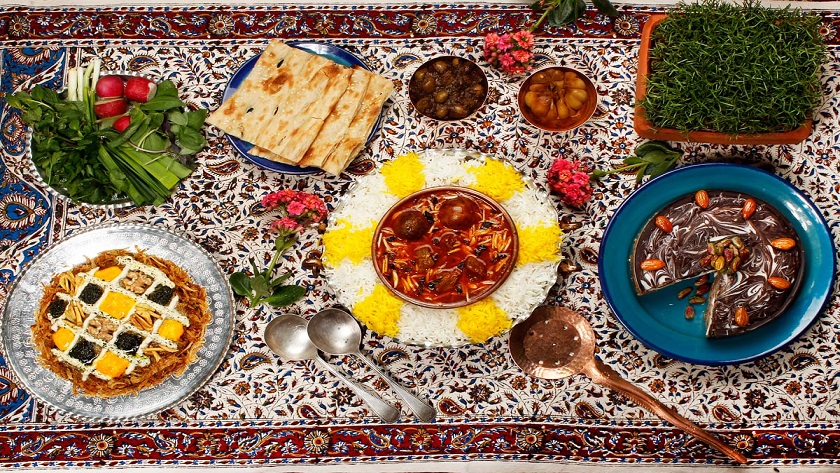
Iranian cuisine

Iranian food is a feast for the senses, offering flavors that are rich, aromatic, and deeply satisfying.

Must-Try Dishes:
  • Kebab: Juicy, marinated meat skewers served with saffron-infused rice.
  • Fesenjan: A flavorful pomegranate and walnut stew.
  • Tahdig: The crispy, golden layer of rice at the bottom of the pot.
  • Ash Reshteh: A hearty noodle soup with beans, lentils, and greens.
  • Saffron Desserts: Try Sholeh Zard (saffron rice pudding) or Persian ice cream.
Foodie Experiences:
  • Explore traditional food markets like Tehran’s Grand Bazaar.
  • Join a Persian cooking class to learn how to prepare iconic dishes.
  • Dine with locals for a deeper cultural experience.

Activities and Experiences in Iran

Explore Historic Cities

  • Tehran: The bustling capital offers modern museums, historical sites like the Golestan Palace, and vibrant bazaars.
  • Isfahan: Walk across its iconic bridges and marvel at its stunning mosques.
  • Shiraz: Visit the gardens, mosques, and ancient ruins of Persepolis.

Adventure Sports

  • Trekking, rock climbing, and mountaineering in the Alborz and Zagros Mountains.
  • Skiing and snowboarding at high-altitude resorts.
  • Desert safaris in the Lut Desert, featuring camel rides and stargazing.

Cultural Immersion

  • Attend a traditional Persian music performance.
  • Visit a carpet workshop to see the art of weaving Persian rugs.
  • Experience Nowruz (Persian New Year) celebrations in March.

Relaxation and Wellness

  • Unwind in natural hot springs in regions like Sarein.
  • Enjoy a quiet retreat in the gardens of Shiraz or by the Caspian Sea.

Itinerary Ideas for Iran

1 Week in Iran:
  • Day 1-2: Tehran (Golestan Palace, National Museum).
  • Day 3-4: Isfahan (Naqsh-e Jahan Square, historic bridges).
  • Day 5-6: Shiraz (Persepolis, Nasir al-Mulk Mosque).
  • Day 7: Yazd (Zoroastrian sites, Old City).
2 Weeks in Iran:
  • Add trips to the Lut Desert, Caspian Sea coast, and Tabriz.

3 Weeks or More:

  • Include Qeshm and Kish islands, extended trekking in the mountains, and cultural experiences in smaller villages.

Practical Travel Tips for Iran

  • Transportation: Use domestic flights, trains, or buses for long-distance travel. Ride-hailing apps like Snapp are useful in cities.
  • Accommodation: From boutique hotels in historical buildings to eco-lodges and luxury resorts, Iran offers a wide range of options.
  • Connectivity: Buy a local SIM card for affordable mobile data. Wi-Fi is available in most hotels and cafés.

Final Thoughts: Why Iran Should Be on Your Travel List

Iran is a land where ancient history meets vibrant modernity,  stunning landscapes inspire awe, and the hospitality of its people leaves an everlasting impression. Whether you’re exploring the architectural wonders of Persepolis, trekking in the mountains, or savoring the flavors of Persian cuisine, Iran promises an unforgettable journey.

Break free from misconceptions, pack your bags, and embark on an adventure like no other. This Iran Travel Guide is your gateway to discovering the true essence of this remarkable country.

× How can I help you?