
Iran Dressing Code: A Complete Guide for Tourists
Visiting a new country often means adjusting to different cultural norms, and Iran’s dressing code is no exception. Understanding and respecting local customs will make your experience smoother and more enjoyable. As an Islamic nation, Iran has specific clothing guidelines for both residents and visitors.
Common Misconceptions About Iran’s Dressing Code
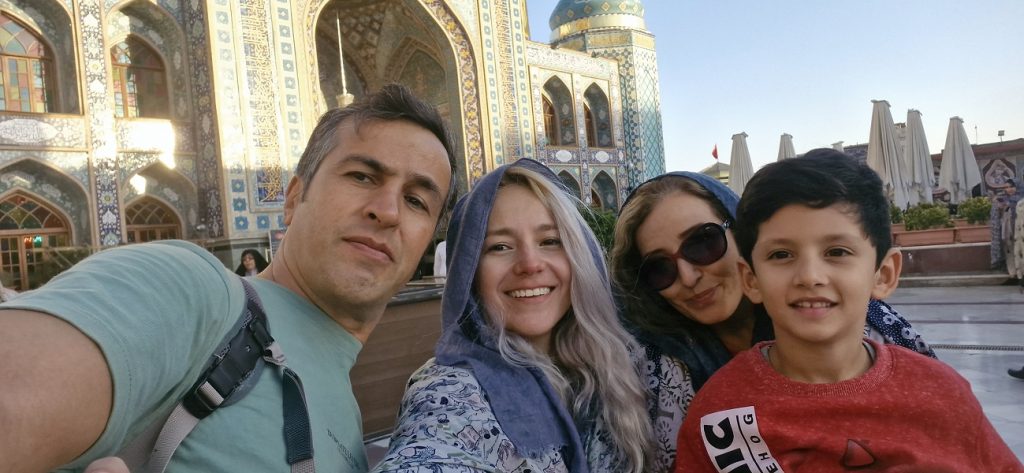
Media often portrays Iran’s dressing code as overly strict, making it a major concern for travelers. In reality, while there are rules, they aren’t as severe as many think. Iranian women, for example, enjoy wearing colorful and fashionable outfits that adhere to these guidelines. The dress code is less about stringent rules and more about respecting local traditions.
Dress Code for Tourists in Iran
For tourists, Iran’s dressing code involves simple and manageable rules. You might worry about potential penalties, but the most you’ll likely encounter is a polite request to adjust your attire. Many travelers are pleasantly surprised upon arrival, seeing stylish and well-dressed Iranian women. Nevertheless, it’s essential to be mindful of local customs to ensure a respectful and enjoyable visit.
Hijab in Iran: What Female Tourists Need to Know
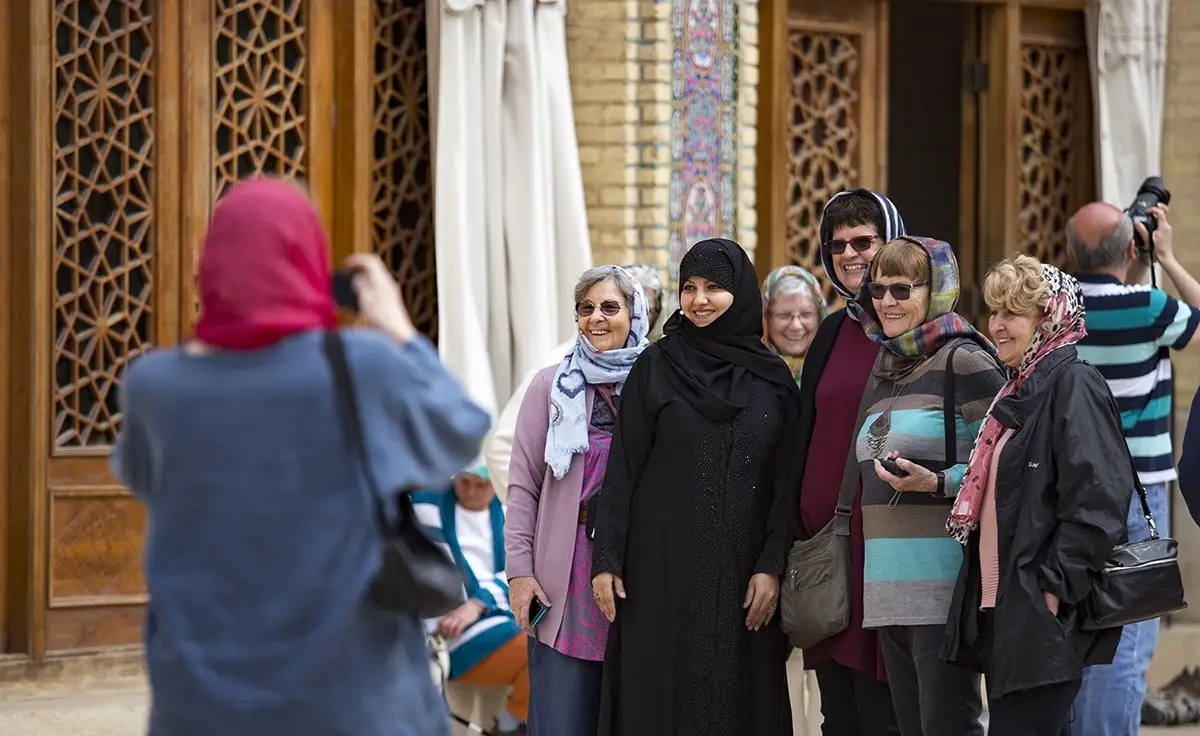
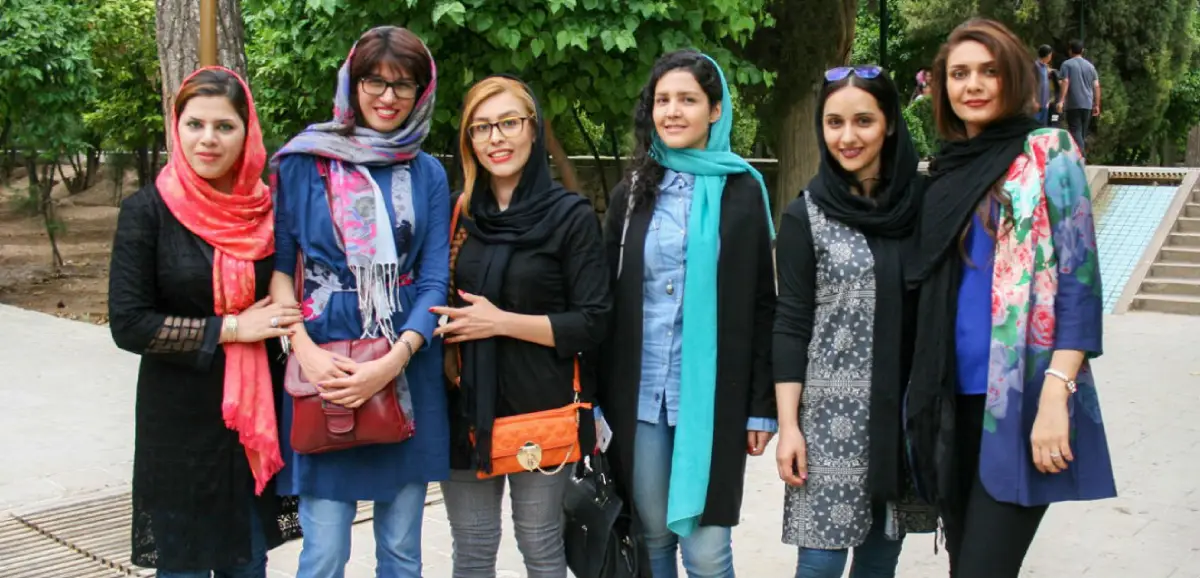
In Iran, “hijab” means dressing modestly, a concept rooted in Islamic culture. Female tourists must cover their hair in public, typically with a headscarf. Many Iranian women prefer to cover just the top of their heads, allowing some hair to show. The easiest way to comply is by wearing a scarf, which you can easily find in local shops. In winter, hats are also a suitable option.
Dress Code for Women in Iran
Women visiting Iran need to wear a headscarf or hijab to cover their hair and neck. Loose-fitting clothing that covers the arms and legs is also essential. While these rules might seem strict, Iran is generally flexible with tourists. Local authorities are more about providing helpful guidance than strict enforcement.
Covering Legs and Body
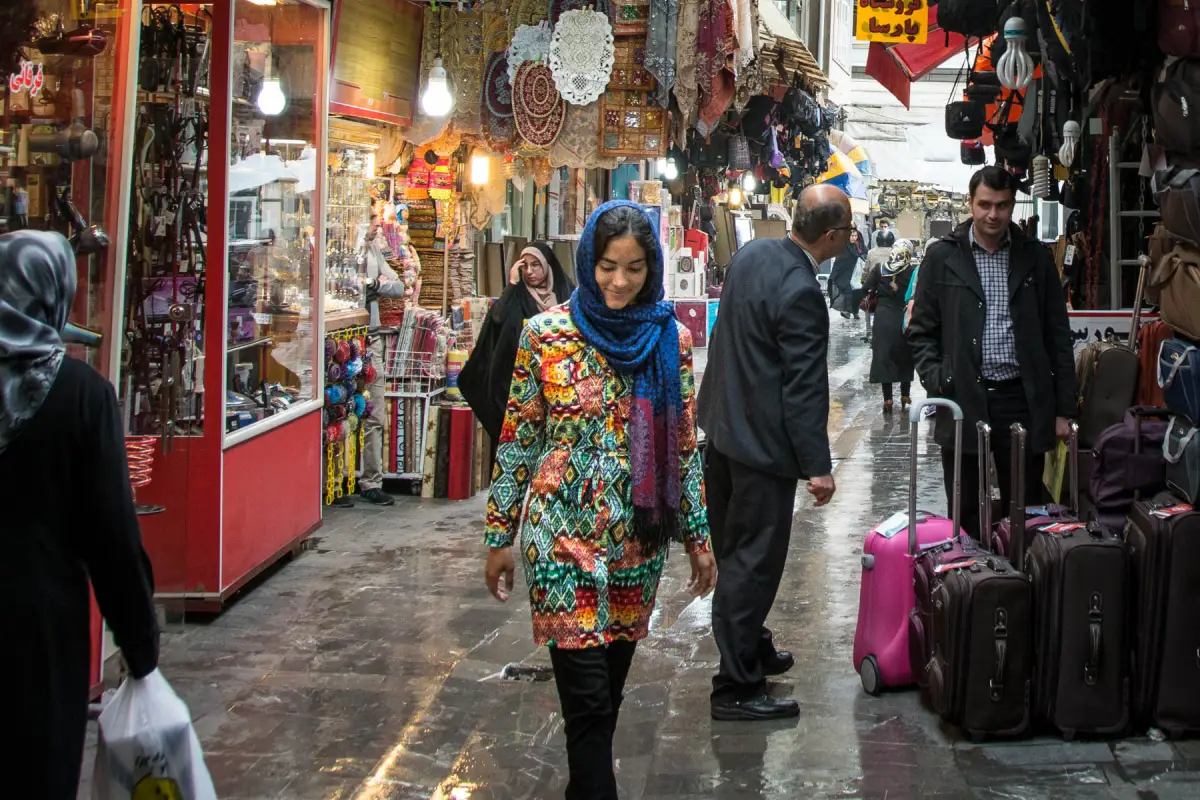
Women in Iran are expected to keep their legs covered down to the ankles. Long tunics, coats, or dresses with long sleeves are recommended. Despite common misconceptions, skinny pants and leggings are very popular in Iran.
Embracing Colors
A widespread misconception is that women in Iran cannot wear colorful clothing. In reality, vibrant outfits and patterned scarves are common and widely accepted.
Manteau & Tunics
A manteau is a long coat commonly worn over a shirt with pants or jeans. If you don’t have one, you can easily buy it in Iran. Tunics are another great option for summer as long as they cover the hips.
Scarves & Hair Covering
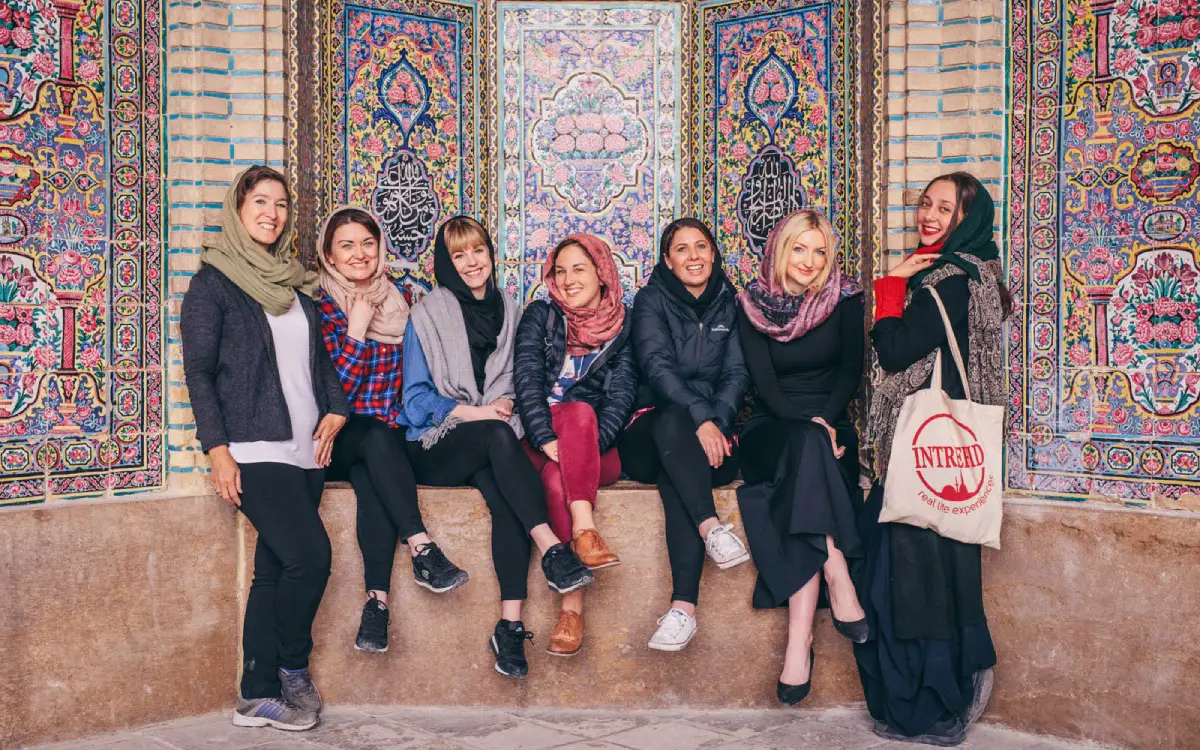
Headscarves are required, but it’s common to let some hair show around the face, which is perfectly acceptable.
Footwear & Makeup
There are no restrictions on footwear in Iran. You can wear sandals, boots, or high heels. Wearing makeup is widely accepted, especially in big cities.
Chador: Is It Mandatory?
A chador is a full-body cloak. It is not mandatory except in religious sites, where you can borrow one if needed.
Tattoos
Tattoos are becoming more popular in Iran, and visible tattoos do not need to be covered.
Dress Code for Men in Iran
Men should dress modestly, avoiding sleeveless shirts and shorts in public. T-shirts and long pants are suitable. Swimming attire is acceptable at designated areas such as beaches and pools.
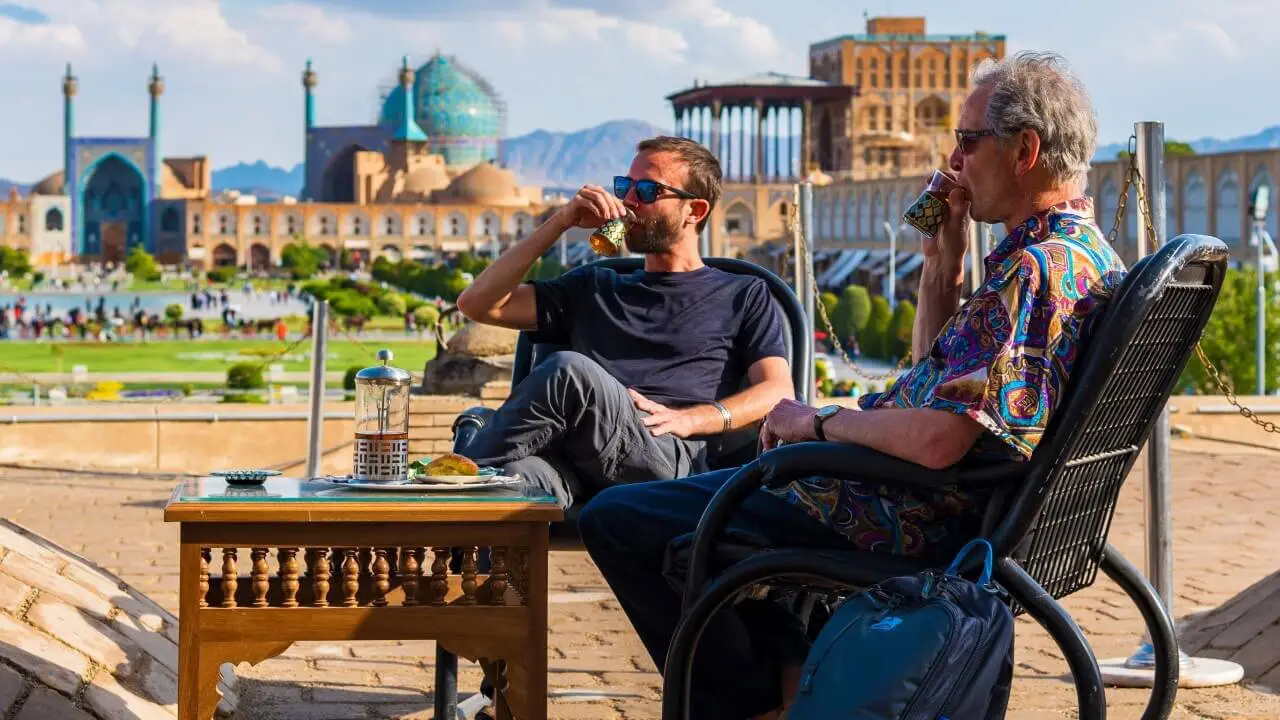
Traditional Clothing in Iran
Iran is culturally diverse, and traditional clothing varies by region. In Kurdistan, women wear colorful dresses with embroidered belts. In northern provinces like Gilan, attire reflects the lush surroundings, while in the Persian Gulf region, clothing is adapted to the warm climate.
Dress Code in Religious Sites
When visiting religious sites, modest clothing is required. Women should wear loose-fitting clothing, cover their arms, legs, and hair. Men should avoid shorts and opt for long pants and modest shirts.
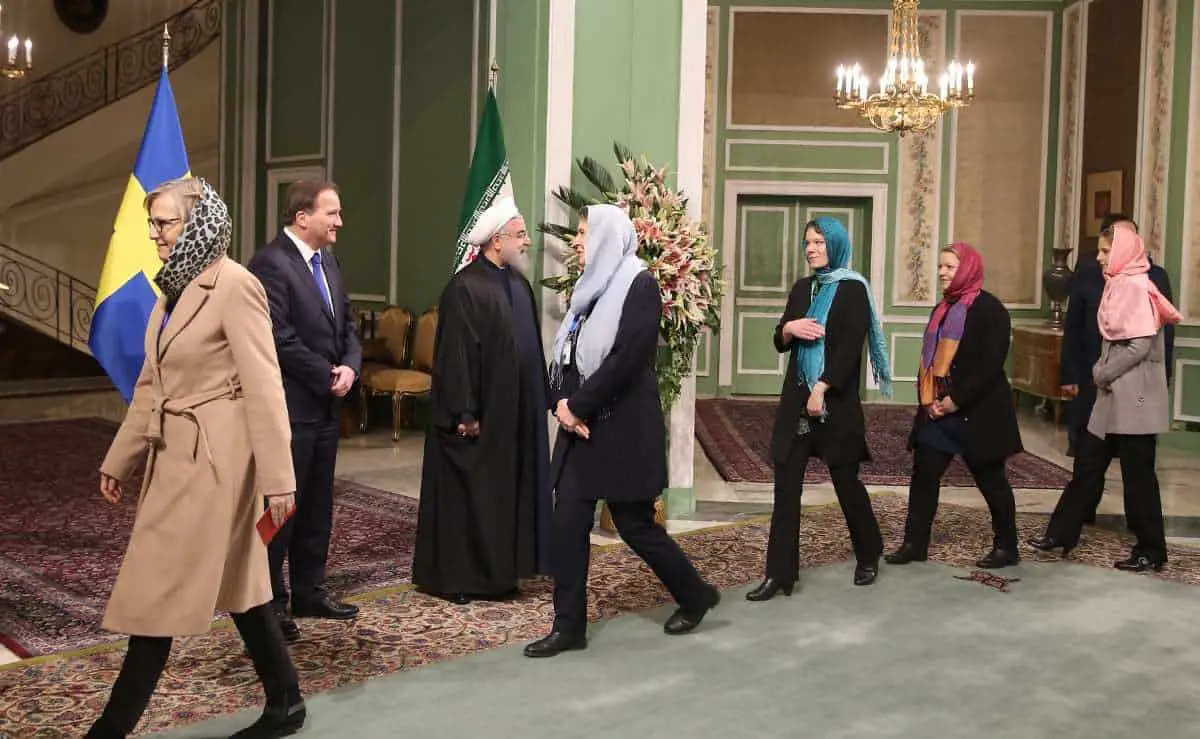
Formal Dress Code in Iran
For business meetings, men typically wear suits. While ties are uncommon, they are not prohibited. Women wear a manteau with a headscarf for professional settings.
Indoor vs. Outdoor Clothing in Iran
Indoors, such as in private homes, tourists can dress as they please. However, hotel lobbies, restaurants, and cars are considered public spaces, so the outdoor dress code applies.
Practical Tips for Tourists
-
Respect Iran’s dressing code upon arrival at the airport.
-
In summer, skip wearing a shirt under your coat to stay cool.
-
In winter, layer with warm clothing under a coat.
-
If your headscarf slips off, simply readjust it—this is common.
-
More conservative cities like Yazd may require slightly more adherence to local norms.
-
If unsure, a long tunic and headscarf are generally acceptable.
By following these guidelines, you’ll navigate Iran’s dressing code smoothly and enjoy a culturally respectful experience during your visit.